REVIEW · SAPPORO
Snowshoeing and Onsen Adventures in a Winter Wonderland -Sapporo.
Book on Viator →Operated by Trekmate Hokkaido · Bookable on Viator
Snowshoeing and onsen in one day works. You’ll head out of Sapporo with a tiny crew and follow snow trails that feel quiet even when Japan is busy. I especially like the max-five group setup, and I like that the day ends with a real onsen at Koganeyu.
The one thing to watch is simple: the tour does not supply your cold-weather clothing or cold-snow hiking footwear. If you show up underdressed, the snowshoeing can go from fun to miserable fast.
In This Review
- Key things to know before you go
- Sapporo snowshoeing that feels far from the city
- Makomanai pickup and the ride out: start early, start smart
- Bankei Sanso trailhead: gear check and a safety-first start
- The snowshoe circuit: what your walking day will feel like
- A quick reality check on effort
- Lunch on the snow: energy stays up without slowing you down
- Koganeyu Onsen: the finish that turns sore legs into calm
- Tattoos and onsen rules
- Gear and clothing: what you must bring (and what you can leave)
- Value check: is $224.02 worth it?
- Who this snowshoe and onsen day suits best
- Should you book it? My take
- FAQ
- What time does the tour start?
- Where is the meeting point?
- How long is the experience?
- What’s the difficulty level?
- What’s included in the price?
- What should I bring since it’s not included?
- Is pickup available?
- What happens if the weather is poor?
- How big is the group?
Key things to know before you go
- Small-group size (max five) keeps the pace friendly and the safety talk practical
- Makomanai Station meeting at 7:30am gets you on the trail while the day is still fresh
- Snowshoes, poles, and gaiters included mean you can pack lighter
- Bankei Sanso area trail circuit with a lunch stop built into the route
- Koganeyu Onsen admission included for a true finish to the snowy effort
- This experience depends on good weather for the right trail conditions
Sapporo snowshoeing that feels far from the city

This is a winter day that’s built for people who want more than a quick photo stop. You meet in Sapporo, then you leave the city feel behind and move through snow-covered terrain guided by someone who knows how to keep you on the best route for the conditions.
The small-group size matters more than it sounds. With a maximum of five people, you’re not being swept along by the loudest pace. You get room to ask questions, fix footing, and get comfortable with snowshoe technique without feeling like you’re holding anyone up.
And then the onsen finish is the smart part. Snowshoeing works every muscle, even when you think you’re only walking. Ending in a hot bath is what turns sore legs into a good story instead of a full-body complaint.
A few more Sapporo tours and experiences worth a look

Makomanai pickup and the ride out: start early, start smart
The day begins at 7:30am at Makomanai Station. That early start helps because snow trails and quiet morning light make the whole experience feel more special. It also gives enough time for the transfer, equipment prep, the trail circuit, lunch, and the onsen stop before you’re back in Sapporo.
From the station, you’ll travel about 30 minutes by private transport to the trailhead. This matters because winter travel can eat time. Instead of spending the morning figuring out connections in snow weather, you get dropped close to where you’ll gear up and go.
You should also know that pickup is offered. Even with pickup, I recommend planning to arrive early at the meeting point area so you’re not rushed while everyone is kitting up.
Bankei Sanso trailhead: gear check and a safety-first start
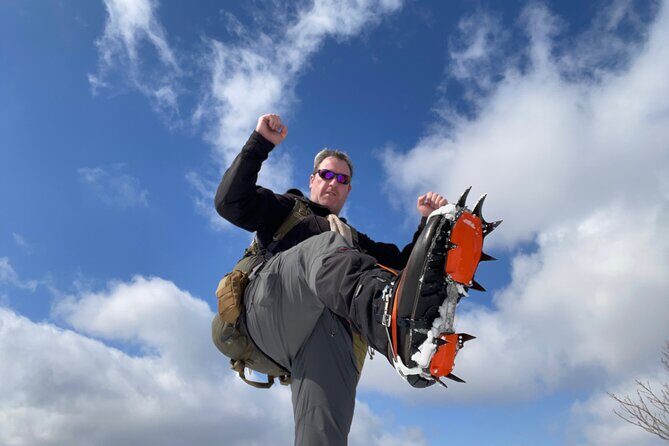
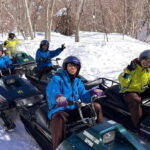
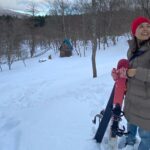
Once you arrive at the trailhead, the group does the practical stuff: equipment setup and a safety brief. Snowshoeing is simple in theory, but in deep snow you need technique—especially on uneven ground, small slopes, and slippery patches.
Here’s what the tour provides:
- Snowshoes
- Snow trekking poles
- Gaiters
Gaiters are a quiet MVP in winter hiking. They help keep snow from crawling into your boots and socks. That’s not glamorous, but it can make the difference between a day that stays comfortable and one that ends with wet feet.
The tour also lists the effort as difficulty 4/10. That doesn’t mean it’s a stroll. It means it’s approachable if you can walk steadily and follow instructions. In heavy snow, even an easy-rated route can feel tougher than you expect—so go in with the right mindset.
The snowshoe circuit: what your walking day will feel like
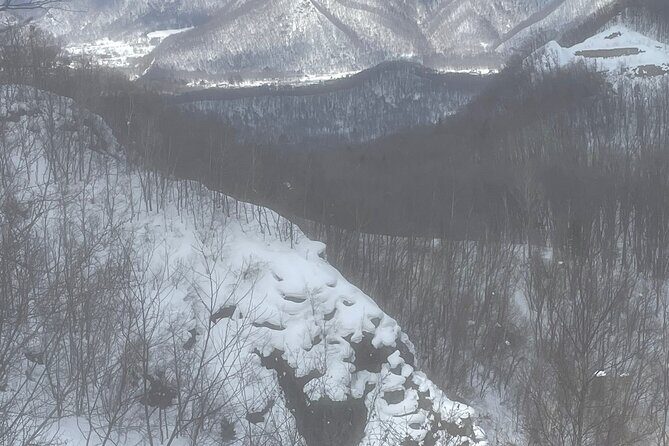
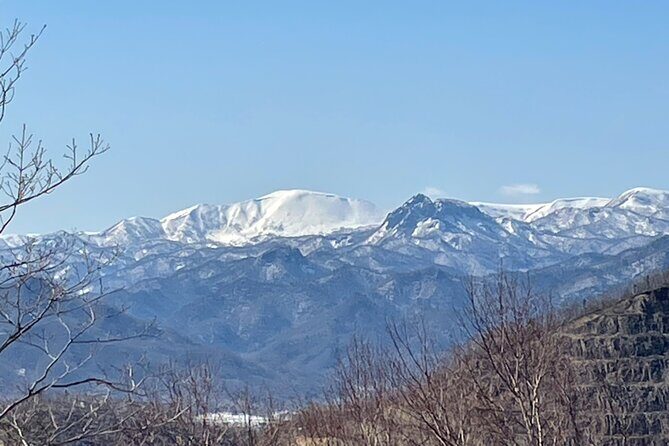
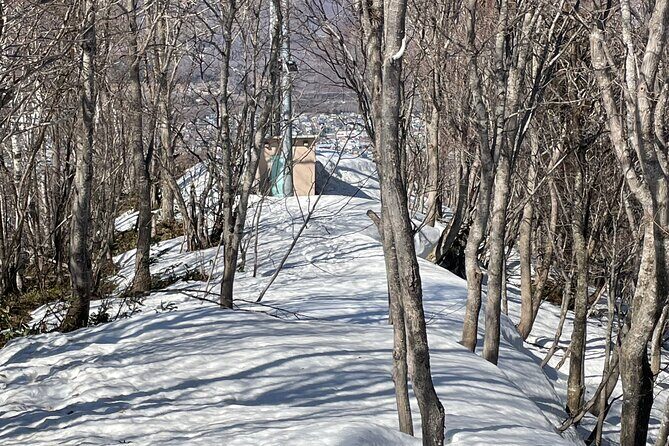
The planned walk is a circuit that totals about the length of a full winter outing, including a lunch stop. Expect a mix of flat sections and gradual changes in elevation, plus the real star of the show: deep, snow-covered forest views around Sapporo.
In practice, the day’s flow usually looks like this:
- You start with a short adjustment period as everyone gets used to snowshoes and poles.
- Then you settle into a steady rhythm: pause, look around, keep moving.
- The guide uses the conditions to adjust the route and pace so the group stays safe and comfortable.
One of the most praised parts of the experience is how the guide handles pace. First-timers do well when the guide gives clear, patient instruction. If you’re fitter, you still get guidance—just with faster walking between breaks.
You’ll also likely notice how snow muffles sound. That’s why people come to this kind of day. It’s quiet enough to hear tiny details—like birds moving in winter branches—if you take a moment instead of rushing through for photos.
A quick reality check on effort
You don’t need athletic superpowers, but you do need stamina for snowy walking. Deep snow can make each step feel heavier. If someone in your group is newer to hiking, choose a mindset of steady and safe. Snowshoeing rewards patience more than speed.
A few more Sapporo tours and experiences worth a look
Lunch on the snow: energy stays up without slowing you down
A big reason this tour works as a full day is that lunch is included and is planned as part of the circuit, not as a last-minute scramble.
Based on what’s been served on this outing, you can expect hot trail food such as curry, often paired with warm drinks like cocoa. The lunch stop also gives you a mental reset: stand still for a moment, warm up, eat something hearty, then head back out.
You’ll appreciate the structure here. Winter hiking without a planned meal can turn into grazed-snack disappointment. This one keeps you fueled for the second half of the route.
Koganeyu Onsen: the finish that turns sore legs into calm
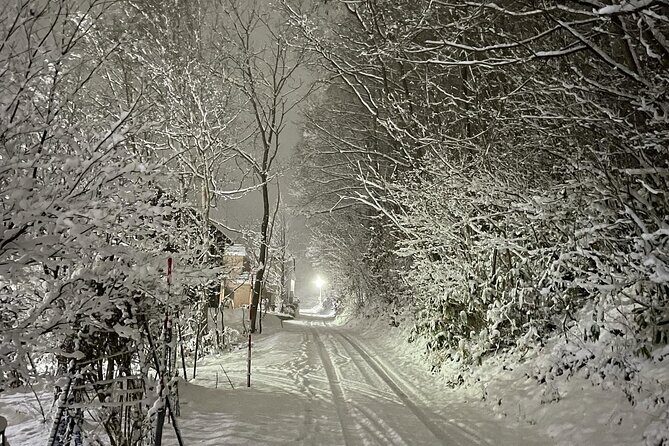
After snowshoeing and lunch, you return to transport and head to Koganeyu Onsen. The tour includes onsen admission, so you can focus on the experience instead of calculating extra costs at the end of a long day.
Why the onsen part matters:
- It helps your body recover from the effort of snowy walking.
- It gives you a warm, human-scale pause after the cold forest.
- It makes the day feel complete, not chopped up.
At the onsen, the guide typically explains basics like onsen etiquette, which saves you from guessing what to do in a setting where rules matter.
Tattoos and onsen rules
If you have tattoos, take it seriously and plan ahead. Onsen policies can be tricky, and in at least some situations the guide has helped find an onsen option that could work better for tattooed guests. I’d message the operator before you go so you’re not stuck making a last-minute compromise.
Gear and clothing: what you must bring (and what you can leave)
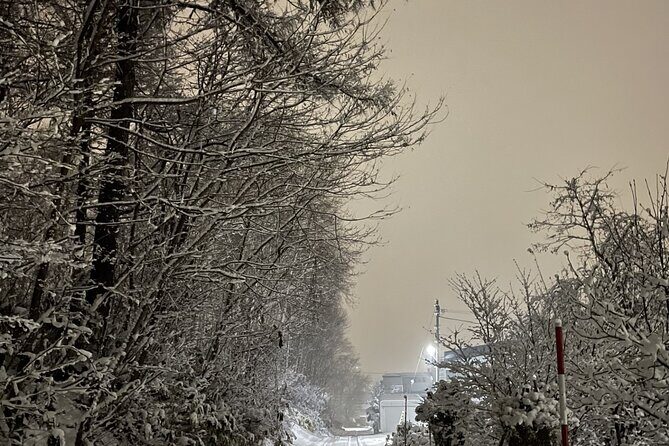
You’ll have the snowshoeing tools covered: snowshoes, poles, and gaiters are included. That’s a win because those items can be annoying to rent or carry once you’re already packing for Japan winter.
What you provide is your winter comfort:
- Cold weather clothing
- Footwear for cold or snowy conditions
That means you’ll want enough insulation to stay warm while you pause for breaks and while you’re not actively moving. Snowshoeing has periods where you stop to regroup, listen, and take pictures. If you’re cold at those moments, the whole day feels longer.
Practical tip: if your regular walking boots aren’t meant for snowy conditions, don’t gamble. Choose footwear that can handle slush and firm snow without feeling unstable.
Value check: is $224.02 worth it?
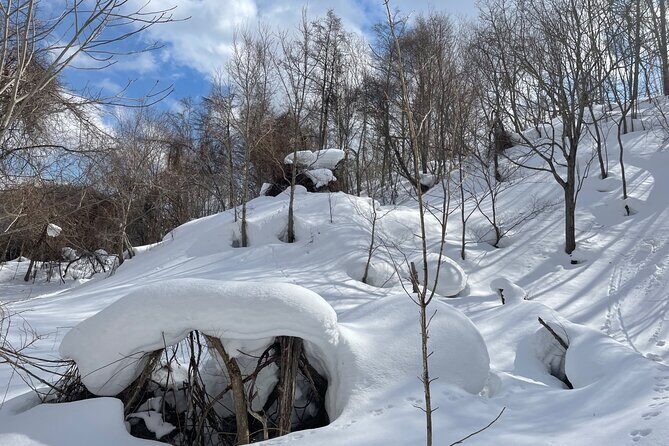
At $224.02 per person for an outing of about five hours (with transport, equipment, lunch, and the onsen covered), this price makes sense when you compare what you’d otherwise pay and deal with on your own.
You’re getting:
- Guided routing for winter conditions outside Sapporo
- Snowshoeing gear included
- Lunch included
- Onsen admission included
- A tiny group that improves the experience quality
That combination is the value. If you try to DIY, you’d likely spend money and time on rentals, transport, and entry fees. Here, the day is bundled into a clean plan with fewer decision points.
The only time the value feels weaker is if you’re extremely flexible on timing, already own the right gear, and don’t care about the guide. But most people want the comfort of a guided winter day. That’s where this one shines.
Who this snowshoe and onsen day suits best
This tour is a great fit if you want:
- A winter outing close to Sapporo that still feels like you escaped
- A guided route through deep snow without navigating trail conditions yourself
- An active day with a hot onsen finish
- A group size that stays personal (max five)
It also suits beginners more than you might expect, especially if you’re okay walking steadily and following instruction. The on-ramp is the early safety talk and the way the guide adjusts pace based on weather and comfort level.
If you hate cold, struggle with walking for a few hours, or refuse to bring proper winter footwear, you might be happier with a softer winter activity that doesn’t involve snowshoe technique.
Should you book it? My take
Yes, I’d book it if you want a real Sapporo winter highlight without the hassle of piecing together transport, rentals, and entry fees. The combination of snowshoeing outside the city plus a Koganeyu Onsen soak is a satisfying day structure, and the max-five group keeps it from feeling chaotic.
Book with confidence if:
- You have warm layers and proper snowy footwear
- You’re excited by quiet winter scenery and don’t mind some physical effort
- You want a day plan that keeps you warm, fed, and on schedule
Skip it if your biggest priority is staying comfy and dry with minimal walking. Snowshoeing is active, and winter comfort comes from showing up prepared.
FAQ
What time does the tour start?
It meets at Makomanai Station at 7:30am.
Where is the meeting point?
The meeting point is Makomanai Station (Makomanai Eki), Minami Ward, Sapporo, Hokkaido, Japan.
How long is the experience?
The tour is listed as about 5 hours.
What’s the difficulty level?
The difficulty level is 4/10.
What’s included in the price?
You get snowshoes, snow trekking poles, and gaiters, plus onsen admission fees. Lunch is included as well.
What should I bring since it’s not included?
You’ll need your own cold weather clothing and hiking footwear suitable for cold/snowy conditions.
Is pickup available?
Pickup is offered (and the tour also has a specific meeting point at Makomanai Station).
What happens if the weather is poor?
The experience requires good weather. If it’s canceled due to weather, you’ll be offered a different date or a full refund.
How big is the group?
The group maximum is 5 travelers.