REVIEW · SAPPORO
Private Japanese Cooking Class in Sapporo with Local Chef Shiori
Book on Viator →Operated by Traveling Spoon · Bookable on Viator
Want dinner with a local chef? In Sapporo’s quiet residential Sumikawa area, Shiori hosts a private Japanese cooking class in her home, where you learn techniques from prep to plate. I especially like the hands-on teaching style and the fact that you’re shown how families actually cook, not just how to plate a photo. The one caution: there’s no hotel pickup, so you’ll need to get to Sumikawa Station’s north exit first.
If you want a Sapporo food experience that goes beyond restaurants, this is a good fit. The class runs about 3 hours, and the hands-on cooking portion is about 1 hour, paired with a sit-down home meal afterward.
One more practical note: Shiori’s car can handle up to four guests. If you’re in a group of five or more, you’ll likely follow by taxi for around $10 USD each way, so factor that into your timing.
In This Review
- Key highlights you’ll actually care about
- Entering Shiori’s Sumikawa Home in Quiet Sapporo
- How the 3-Hour Class Unfolds From Station to Dinner
- The Hands-On Cooking Part: Main Dish and Side Dish Techniques
- Sushi and Somen in Context: Why These Dishes Teach Real Japan
- Hokkaido on Your Plate: Seasonal Ingredients and Grilled Chicken
- Eating With Local Alcohol and Getting Take-Home Recipes
- Price and Logistics for a Smooth Evening ($108, pickup, taxi for bigger groups)
- Who Should Book This Private Class (families, solo, food nerds)
- Should You Book Shiori’s Private Cooking Class?
- FAQ
- Where is the meeting point for this cooking class?
- Is this experience private?
- How long is the cooking class?
- What dishes will we cook?
- Can you accommodate vegetarian diets or allergies?
- Is alcohol included?
- How does pickup work if we have a larger group?
Key highlights you’ll actually care about
- A private class in a residential neighborhood instead of a central tourist hub
- Hands-on cooking for 1 main dish and 1 side dish (menu can change by season)
- Professional instruction from Shiori, including technique and how ingredients should behave
- Often classic dishes like sushi and somen noodles, plus other Hokkaido-friendly items
- Local alcohol included (1–2 glasses) with your homecooked meal
- Station-to-home logistics are simple, with pickup at Sumikawa Station’s north exit
Entering Shiori’s Sumikawa Home in Quiet Sapporo
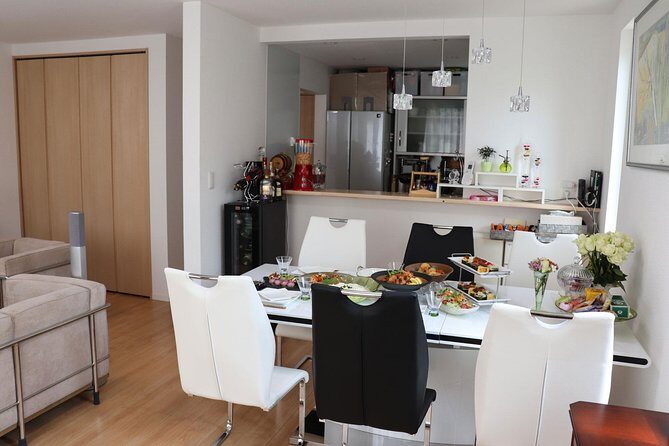
Sapporo is great for food, but most meals happen in public spaces: ramen shops, izakaya, sushi bars. This experience nudges you into the kind of place where Japanese home cooking actually lives—Shiori’s family home in Sumikawa.
I like that it feels calm and ordinary in the best way. You’re not dealing with a stage, a demo kitchen, or a line of strangers rotating through steps. It’s set up for a real back-and-forth conversation while you cook, and Shiori’s teaching is built around what to do with your hands and why you’re doing it.
Shiori also brings the human side of food. Based on what people said after their class, she’s friendly, patient, and explains the background of the techniques as you go—so you’re not just copying moves. You also get a sense of local life in Hokkaido through everyday conversation.
The only drawback is on you, not the host: you have to make it to the meeting point. There’s no hotel pickup, so if you’re staying far from Sumikawa, plan a little extra travel time and keep the address handy.
You can also read our reviews of more private tours in Sapporo


How the 3-Hour Class Unfolds From Station to Dinner
This runs about 3 hours total, starting and ending back at the same place: Sumikawa Station. Shiori picks you up at the north exit, so you’ll want to be there a few minutes early—this is the part that keeps the evening running smoothly.
Once you’re met, you head to her home. The class is private, meaning only your group participates. That matters because the pace can adjust to your questions, and you’ll get more personal correction than in a larger group workshop.
The cooking portion is about 1 hour. Shiori peels and cuts vegetables in advance, which is smart. It means you spend your effort learning technique, not doing time-consuming prep you’d never finish in a short class. You’ll do the assisting and the key actions that shape the final dish.
Then you eat what you made, plus whatever else Shiori prepared for the meal. The experience also includes homecooked meal time and local alcohol (1–2 glasses) for those who want it. After dinner, you head back to the meeting point.
If you’re the type who hates vague plans, this structure is comforting: pickup, cook, eat, back to the station. No wandering all night.
The Hands-On Cooking Part: Main Dish and Side Dish Techniques
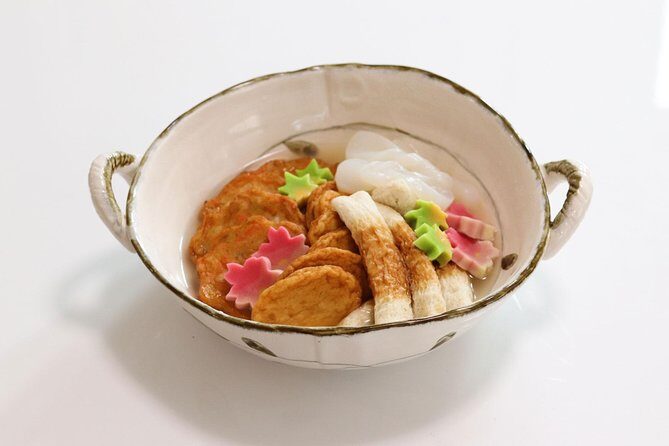
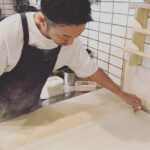
Here’s the real value: you cook. Not just watch. Not just “taste and take a photo.” During the hands-on part, you learn how to make 1 main dish and 1 side dish.
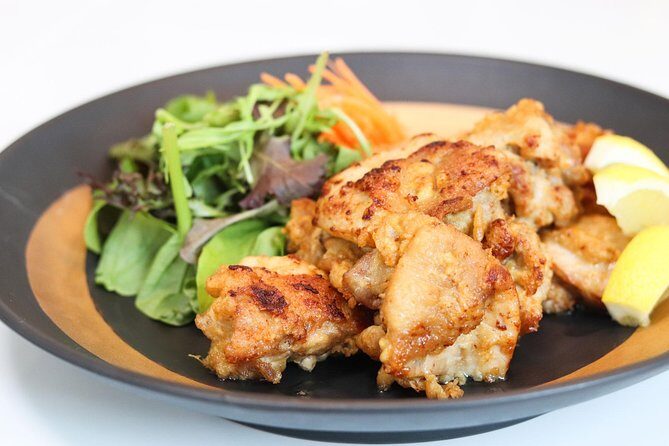
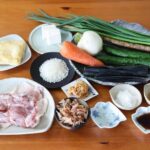
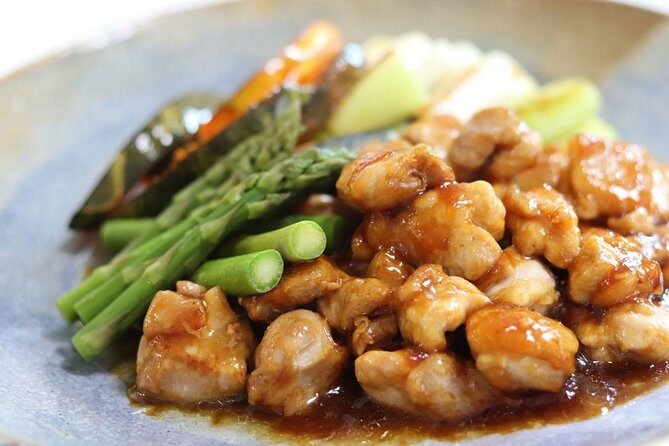
The menu can vary by season, so your exact dishes might shift. Still, classic choices from this format often include sushi and somen noodles, and there’s mention of grilled chicken as part of the kind of meal you may build around. Think of it as a Japanese home meal with regional Hokkaido ingredients.
What I like about the teaching setup is the balance between guided technique and participation. Shiori walks you step-by-step through the process. She’s the one steering key moments—knife work basics, sauce handling, noodle timing, or sushi assembly—while you do the hands-on parts.
Also, because prep is done ahead for some items, you’re less likely to end up with a “rushed mess” outcome. Your brain gets to focus on how things should look and feel: the texture of noodles, the way sushi rice is seasoned, or how grilled chicken browns and stays juicy.
If you have allergies or dietary preferences, this needs to be communicated at booking. The data says Shiori can adjust, and the general tone from participants is that she takes restrictions seriously rather than tossing in a generic substitute.
Sushi and Somen in Context: Why These Dishes Teach Real Japan
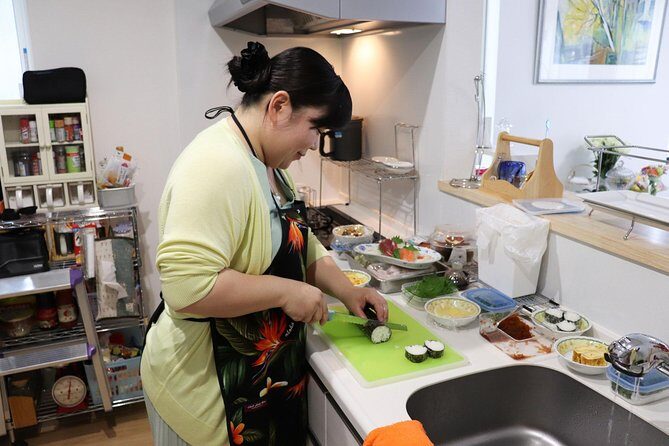
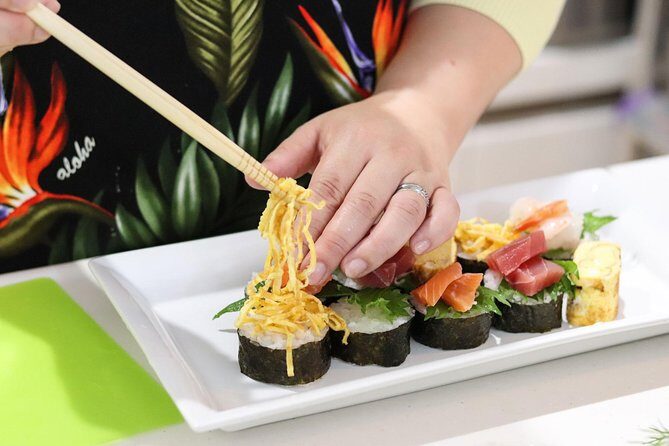
Sushi lessons can go two ways: either you learn impressive technique with very little context, or you learn just enough to feel confident cooking at home again. The approach here is more the second option.
When you make sushi at home style, you learn decisions that matter later: how rice should be handled, what “seasoned” really means, and the basic rhythm of building rolls or nigiri-style bites. Even if you’ve eaten sushi your whole life, cooking it helps you understand what you’re actually tasting.
Somen noodles bring a different lesson. They’re simple on paper, but timing and texture are everything. In a class setting, you get shown how to treat noodles so they don’t turn gummy or limp. It’s the kind of skill that makes you better at Japanese food overall, not just at this one meal.
One added perk: people described learning new skills about homestyle sushi, including attention to detail during shaping and assembly. That’s the difference between copying a recipe and being able to repeat it when you shop back home.
And because this class is in Hokkaido, the ingredients and flavor direction usually feel connected to the region. Even when you’re learning classic Japanese dishes, you’re doing it with a local lens.
Hokkaido on Your Plate: Seasonal Ingredients and Grilled Chicken
This is where the experience starts feeling like a real Sapporo evening. You’re not just cooking one dish in isolation. You’re building a meal that makes sense together.
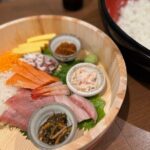
The class description points to a traditional spread with starters, main dishes, and sides. Dishes can include sushi, somen noodles, and grilled chicken. Exact items can shift by season, which is a good sign. Food that changes through the year usually reflects the real rhythm of what’s available.
One review detail that stands out: some participants noted a chance to visit or stop by a Japanese supermarket to look at products. If that’s part of your day, it’s genuinely useful. You’ll learn what ingredients local cooks actually buy, and you’ll be less stuck trying to guess what you’re looking for back home.
Seasonal menus also mean you won’t necessarily get the same exact lineup as someone else’s date. That’s not a flaw. It’s the point. You’re learning techniques that work across variations.
If you’re hoping for a “one night only” special tasting menu, be aware the focus here is instruction and hands-on cooking, not an endless parade of tiny courses. You get a home meal that hits the right notes.
You can also read our reviews of more cooking classes in Sapporo

Eating With Local Alcohol and Getting Take-Home Recipes
A cooking class is only half the story. The rest is what happens at the table.
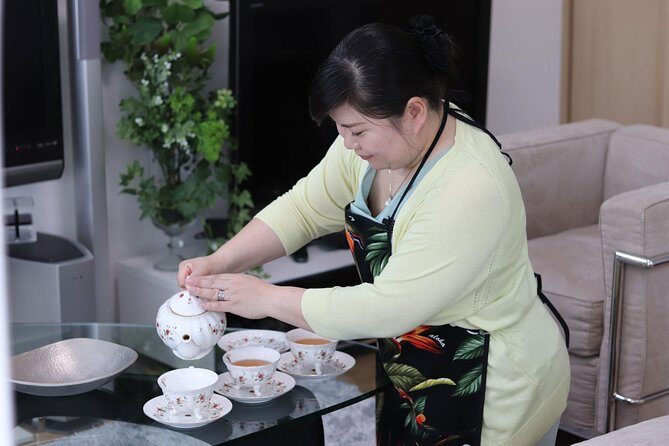
You’ll sit down to enjoy the homecooked meal, with local alcohol (1–2 glasses) included. If you don’t drink, don’t assume it’s a mandatory part of the evening—you can plan to skip, but the data only says alcohol is included, not that it’s required.
What I like most is that you’re shown how to recreate the meal back home. The experience includes advice and recipes, which is what turns a fun evening into an ongoing cooking skill.
And because this is a private setup, questions are easy. One of the most practical benefits of a host teaching you is that you can ask things like ingredient swaps, timing, and what to do when your rice or noodles behave differently than they do in Japan. That kind of clarification is hard to get when you’re just tasting in a restaurant.
One more subtle win: people described Shiori as warm, clear, and patient. That kind of teaching style matters when you’re learning something hands-on, because mistakes are normal, and the atmosphere stays comfortable.
Price and Logistics for a Smooth Evening ($108, pickup, taxi for bigger groups)
At $108 per person, this isn’t a bargain class. It also isn’t in the “splurge only” category. It lands in the sweet spot for travelers who want an experience that feels personal and memorable.
Where the value comes from:
- Private instruction with a chef-host, not a shared classroom
- A meal you eat after cooking, not just a snack
- Hands-on time (about 1 hour cooking) plus technique explanations
- Local alcohol for those who want it
Logistics are straightforward but not invisible.
- Meeting point: Sumikawa Station, north exit
- No hotel pickup or drop-off included
- Shiori can pick you up by car, capacity up to four guests
- For groups of five or more, you follow by taxi (about $10 USD)
If you’re traveling solo or as a couple, it’s easy. You’ll likely fit into the car plan and avoid extra taxi costs and hassle. If you’re a group, do the math before you book so the price feels right for everyone.
Also, plan for a little time buffer at Sumikawa Station. The experience starts from that meeting point and ends back there. The smoother you are at meeting on time, the better the evening flows.
Who Should Book This Private Class (families, solo, food nerds)
This is a strong choice if you want:
- A private, in-home food experience rather than a busy public venue
- Hands-on cooking with technique focus
- A host who can answer questions and explain what you’re doing
It’s also a good fit for families. One family mentioned bringing a toddler and finding it worked well, which suggests the setup can handle real-world life, not just adult-only choreography.
Solo travelers often enjoy this type of class because you’re not stuck watching others. The private nature means the conversation doesn’t disappear just because you’re one person. People also noted that navigating to the station pickup was manageable with prior communication, which is important if your Japanese is limited.
Food nerds will like the technique angle. People specifically mentioned learning new skills about homestyle sushi and enjoying the historical context Shiori shared.
And if you’re vegetarian, there’s a stated vegetarian option. Just tell the operator at booking so Shiori can plan a menu that makes sense.
Should You Book Shiori’s Private Cooking Class?
I’d book this if you’re in Sapporo and you want one night where you learn how Japanese home cooking works, not just what it tastes like. The combination of private instruction, real home setting, and a full meal makes it feel worth the price for many people.
Skip it only if you’re expecting a big “city tour” vibe or if you really need hotel pickup. Since you’ll meet at Sumikawa Station and handle your own transport to and from, it’s not the easiest option for everyone.
If you’re open to learning techniques you can repeat later, this class gives you a practical souvenir: dinner at home, with better results.
FAQ
Where is the meeting point for this cooking class?
You meet at Sumikawa Station at 2 Chome-4 Sumikawa 4 Jo, Minami Ward, Sapporo, Hokkaido 005-0004, Japan. Shiori will pick you up at the north exit of the station.
Is this experience private?
Yes. It’s a private, personalized experience, and only your group participates.
How long is the cooking class?
The total experience is about 3 hours. The cooking portion is about 1 hour.
What dishes will we cook?
You’ll learn to make 1 main dish and 1 side dish. The menu may vary by season, but classic dishes mentioned include sushi and somen noodles, and grilled chicken may also be part of the meal.
Can you accommodate vegetarian diets or allergies?
Vegetarian options are available if you request them at booking. If anyone in your party has allergies, dietary restrictions, or cooking preferences, you should advise them at booking.
Is alcohol included?
Yes. Local alcohol is included as 1–2 glasses.
How does pickup work if we have a larger group?
Shiori’s car can accommodate up to four guests. For groups of five or more, additional guests should follow by taxi, which costs approximately $10 USD.
If you want, tell me your travel dates and how many people are in your group, and I’ll help you sanity-check whether the timing and meeting point will be easy for you.