REVIEW · TOKYO
Master the art of Sushi : Toyosu Market Tour & Tuna Cutting
Book on Viator →Operated by Japan Food Journey · Bookable on Viator
You start this morning in the one place Tokyo takes fish seriously. This tour strings together Toyosu Market access, a side-by-side feel for Tsukiji vs Toyosu, and then a hands-on tuna and nigiri session at a sushi spot in Azabujuban. The result is one of the more practical sushi experiences: you learn what makes tuna grade-worthy, not just how to eat it.
I love that you get to watch tuna being cut live, with real discussion about fish selection, freshness, and sushi standards. I also like that lunch is built around what you do and learn, with tuna and sushi made by yourself.
One possible drawback: the itinerary involves moving by subway or bus, and the total travel time can feel long in real life, especially if it’s hot and you’re walking between areas.
In This Review
- Quick Hits: What Makes This Tour Worth Your Time
- Toyosu at 7:00 AM: Why This Tour Starts Where It Matters
- The Live Tuna-Cutting Show: What You Can Actually Apply Later
- Stop 1: Toyosu Market (Wholesaler Access) and the Value of Going to the Source
- Stop 2: Tsukiji Jogai Market (Retail Atmosphere and Old vs New Tokyo)
- Stop 3: Azabujuban Sushi Session (Cutting Tuna, Making Nigiri, Eating What You Make)
- Price and Value Check: What You’re Paying For at $297.23
- Logistics You’ll Want to Plan For (Because Reality Happens)
- Who This Tour Fits Best (And Who Might Feel It’s Not for Them)
- Should You Book This Sushi and Tuna Tour?
- FAQ
- How long is the tour?
- Where does the tour start and what time?
- Is lunch included?
- Will I be able to buy fish?
- Is transportation included in the price?
- How big is the group?
- What do I need for tickets?
Quick Hits: What Makes This Tour Worth Your Time
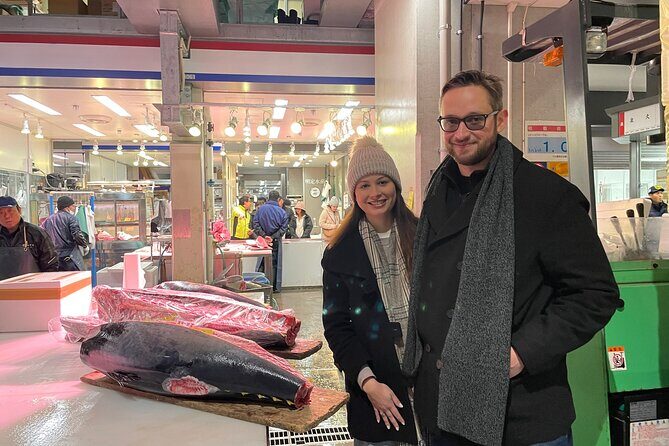
- Live tuna-cutting plus real talk on freshness and sushi-grade standards
- Toyosu wholesaler market visit early, when the market energy is at full tilt
- Tsukiji Jogai Market stop to compare shopping and seafood culture between old and new
- Hands-on sushi prep in Azabujuban, including cutting tuna and making nigiri
- Lunch included, centered on tuna and the sushi you make
Toyosu at 7:00 AM: Why This Tour Starts Where It Matters
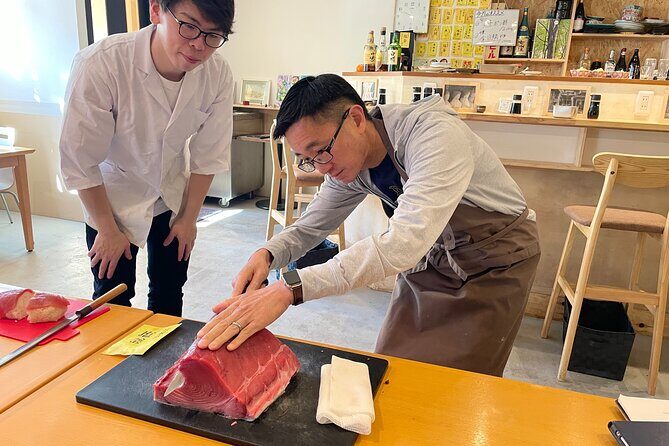
Tokyo’s seafood story doesn’t unfold in one museum room. It happens early, in tight spaces, with people who move fast and talk in fish language. Starting at 7:00 am near Shijō-mae Station puts you where the day’s work is already underway, and it sets the tone for everything after—this is about how seafood is handled, judged, and sold.
Toyosu is the successor to Tsukiji, so you’re not just seeing a market. You’re seeing the modern version of Japan’s auction-era supply chain. That matters because tuna quality isn’t a vague idea. It’s tied to handling, temperature, cutting technique, and how quickly fish moves from supplier to customer.
And you’ll also see why this tour is built as a sequence, not a single stop. After Toyosu, you’re taken to Tsukiji Jogai Market to feel the difference in how people shop and eat around seafood. Then the day ends with a sushi experience where the theory becomes knife work and nigiri assembly.
You can also read our reviews of more shopping tours in Tokyo
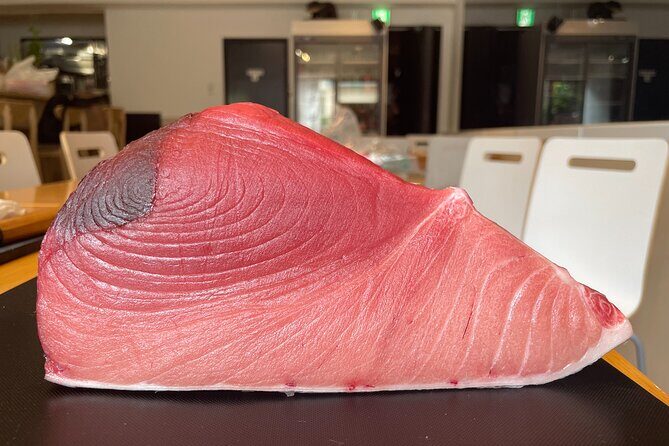
The Live Tuna-Cutting Show: What You Can Actually Apply Later
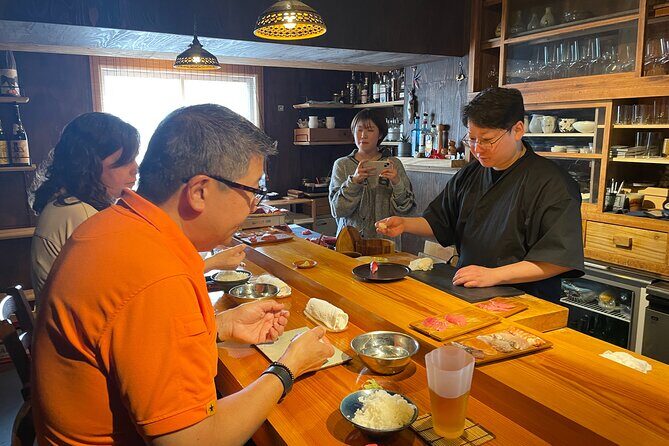
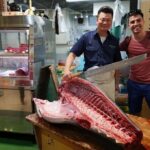
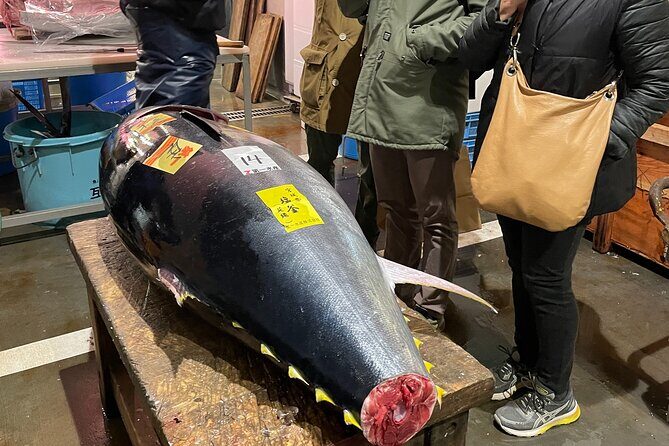
The headline here is tuna cutting. Not a staged lecture, not a generic “sushi basics” class—this part is designed to show how tuna is evaluated and portioned for different uses.
Here’s what you should watch for during the cutting demonstration:
- Which parts get attention and why. The tour focuses on tuna selection and sushi-grade standards, and later you’ll compare different parts during the chef-led session.
- How the cut changes texture and eating style. When a chef talks through portions, it’s usually because those parts behave differently on the plate.
- How freshness is communicated. You’re not just hearing rules. You’re seeing the result of those rules in how the fish is handled and presented.
This is where sushi lovers get an “oh, so that’s why” moment. At home, it’s easy to think sushi quality comes down to price or restaurant reputation. In a market-centered tour like this, you start to understand the behind-the-scenes reality: quality is built long before you sit down.
Stop 1: Toyosu Market (Wholesaler Access) and the Value of Going to the Source
Toyosu Market is the first big anchor of the day. You visit the Toyosu wholesaler market with a guide, and you have time to purchase fish at the wholesaler. That one detail changes the feel of the tour. You’re not only observing. You’re in the environment where food decisions happen.
The visit is about 45 minutes, so it’s not a long stroll through stalls. Expect a concentrated, guided walkthrough where the goal is to help you notice what matters:
- how fish is displayed,
- how traders think about supply and freshness,
- and what sushi-grade tuna means in the context of a working wholesaler.
If you’re the kind of person who likes to buy souvenirs that you can actually use, Toyosu is a strong match. Being able to buy and see fish in a wholesale setting is a rare advantage, because most visitors only ever see retail.
A small practical note: this is a market. You’ll be on your feet around people handling seafood. Wear comfortable shoes and plan for early-morning crowd flow.
Stop 2: Tsukiji Jogai Market (Retail Atmosphere and Old vs New Tokyo)
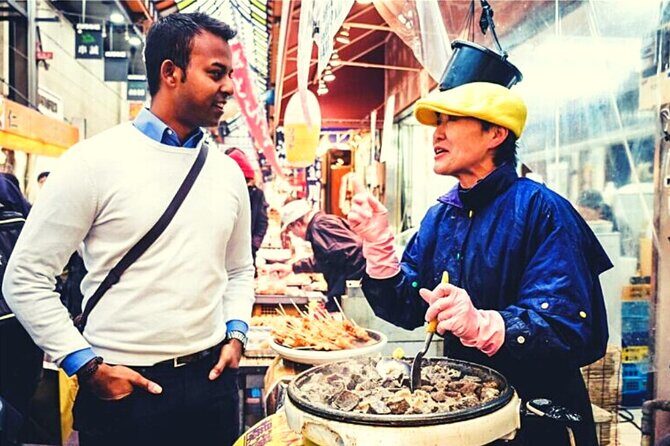
After Toyosu, you shift to Tsukiji Jogai Market, and this is where the day gets more human-scale. Toyosu is about wholesaling. Tsukiji Jogai is about the surrounding food ecosystem—shops, walking, shopping, and quick bites.
Your time here is about 1 hour, including travel time. That means it’s not long, but it’s long enough to pick up a feel for the differences you came to see:
- how people browse and snack,
- how seafood shows up in everyday street-level eating,
- and how the shopping rhythm feels compared to Toyosu.
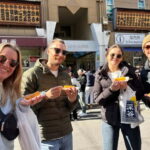
The tour style here is simple: you walk around with your guide, eat and shop, and let the contrast do some of the teaching. Even if you’re not buying much, this stop helps you understand how Japan packages seafood culture for different audiences.
The biggest win at Tsukiji Jogai is perspective. You start connecting the dots between the fish supply chain and the end-user food experience.
Stop 3: Azabujuban Sushi Session (Cutting Tuna, Making Nigiri, Eating What You Make)
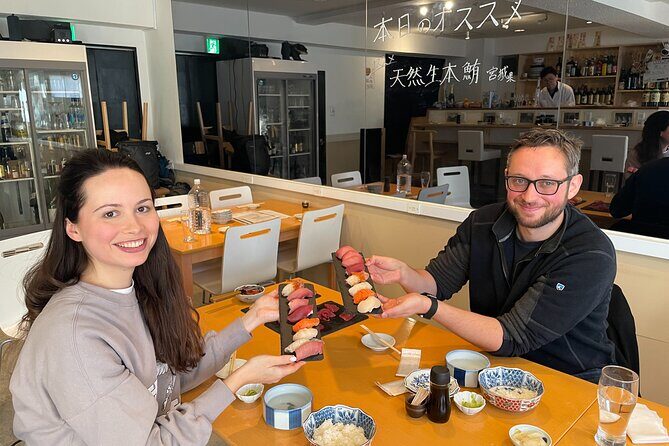
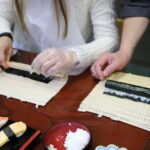
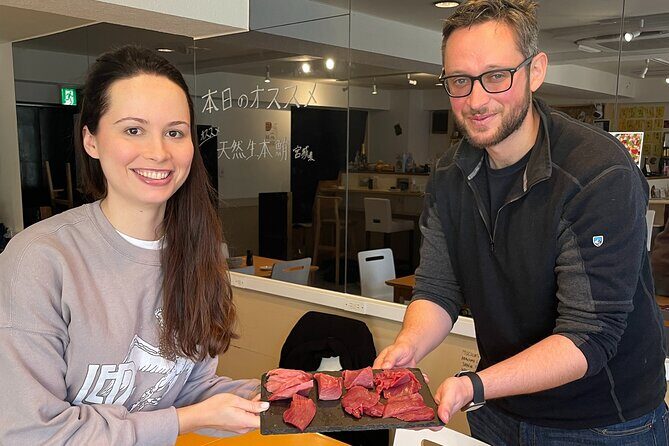
The day ends with a real class. In Azabujuban, you work with a sushi chef at a Japanese restaurant and learn tuna cutting plus nigiri sushi.
This part is about learning through doing, not watching from the sidelines. The tour includes time to:
- compare different parts of tuna,
- learn how those parts can be used,
- and try different ways of eating tuna through the sushi you make.
In other words, the tuna cutting stops being a spectacle and becomes a skill you can see yourself applying. If you love sushi because of texture variety—fatty vs lean, soft vs firm—this section is built for that curiosity.
You’ll also have lunch included, and it comes with tuna and sushi made by yourself. That’s a strong value point because the meal isn’t an optional extra. It’s part of the teaching loop: you prep, you eat, and then the flavors help lock in the logic behind the technique.
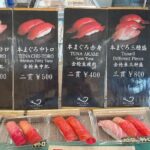
One more detail that makes this stop worth it: the chef-led comparison of tuna parts. A practical class like this helps you stop guessing at what you’re tasting. Even a few moments of guided explanation can help you identify why one piece feels more buttery while another has a cleaner, firmer bite.
A few more Tokyo tours and experiences worth a look

Price and Value Check: What You’re Paying For at $297.23
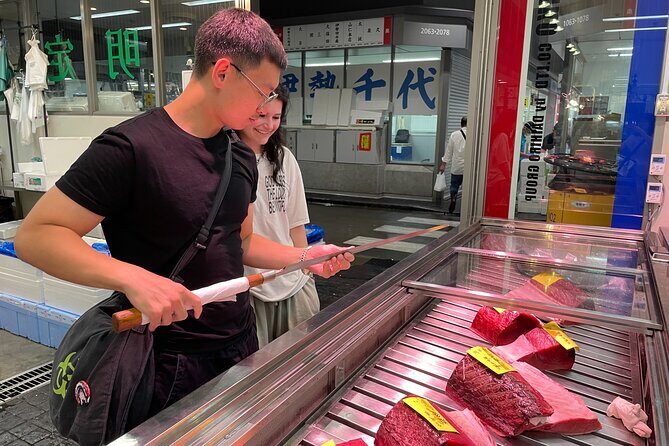
At $297.23 per person for about 4 hours, the price looks high on paper. But sushi and market access are expensive in Tokyo, and this tour isn’t just a class. It’s a structured day that includes market time, guided interpretation, and a chef-led tuna and nigiri session with lunch.
Here’s how the cost can make sense for the right person:
- Guide time across multiple neighborhoods. You’re not doing Toyosu and Tsukiji on your own. You’re using local guidance to make sense of what you’re seeing.
- A live tuna-cutting component. This isn’t typical “sushi history” content. It’s about fish handling and standards.
- Chef instruction and lunch included. The meal is part of the experience rather than a separate paid add-on.
- Small group size. The tour caps at 6 travelers, which usually means you get more attention during the sushi session.
That said, I’d only call it a great deal if you’re genuinely into tuna quality and sushi technique. If you just want a casual food crawl, you might feel the price more than the payoff. But if you want sushi knowledge you can use, this tour leans in hard.
Logistics You’ll Want to Plan For (Because Reality Happens)
This tour uses subway or bus for transportation between stops, and those transit costs are not included. That matters because it affects your total day budget and also the time on the move.
The itinerary is intentionally early and compact:
- Toyosu first (45 minutes),
- Tsukiji Jogai next (about 1 hour including travel),
- then Azabujuban for the sushi session (about 1 hour 30 minutes).
Because travel is involved, you should expect at least some time where you’re not eating or learning. This can feel longer if it’s hot or if you’re navigating crowded stations. My practical advice: bring water, consider a light layer for air-conditioned train rides, and wear shoes that can handle real walking.
Meeting point details are specific: start at Shijō-mae Sta. 6 Chome-3, Toyosu, Koto City at 7:00 am, and the tour ends at Azabujūban (3-chōme-3-4, Minato City). You’ll finish in Azabujuban, so plan your return journey from that area.
Also, you’ll get a mobile ticket, which is handy. Just make sure your phone battery is happy in the morning.
Who This Tour Fits Best (And Who Might Feel It’s Not for Them)
This is a great fit if:
- you love sushi and want to understand tuna quality instead of only taste it,
- you enjoy watching live food work and then learning the technique,
- and you like food experiences with structure: market → comparison → hands-on class.
It’s also a smart choice if you’re a small-group traveler who prefers guidance over DIY. With a max of 6 travelers, it’s usually easier to ask questions and get practical feedback during the sushi prep.
Consider passing if:
- you want a slow, loungey food day with minimal transit,
- you don’t like early mornings,
- or you’re not interested in tuna specifics. This tour is tuna-forward, not a mixed seafood buffet.
Should You Book This Sushi and Tuna Tour?
I’d book it if you’re the type of person who wants to bring something home besides photos. The combination of Toyosu wholesaler access, a Tsukiji contrast stop, and a chef-led session where you cut tuna and make nigiri is the kind of learning that sticks.
If your budget is tight, or if you hate the idea of extra transit costs, you may feel the price. But for sushi fans who value technique and quality standards, the included lunch and guided market context do a lot to justify the cost.
My simple call: book it when tuna and sushi craft are your focus. Skip it if you want a generic eating tour.
FAQ
How long is the tour?
The tour lasts about 4 hours.
Where does the tour start and what time?
It starts at Shijō-mae Sta. 6 Chome-3, Toyosu, Koto City, Tokyo at 7:00 am and ends in Azabujūban.
Is lunch included?
Yes. Lunch is included, and it comes with tuna and sushi made by yourself.
Will I be able to buy fish?
Yes. At the Toyosu wholesaler market stop, you can purchase fish at the wholesaler.
Is transportation included in the price?
No. Transportation within the tour is by subway or bus, and the cost of that transportation is not included.
How big is the group?
The tour has a maximum of 6 travelers.
What do I need for tickets?
You’ll receive a mobile ticket.
If you want, tell me your travel dates and whether you’re more into tasting or hands-on cooking, and I’ll suggest how to build the rest of your morning around this (including what to do after it ends in Azabujūban).