REVIEW · TOKYO
Tokyo: Daikoku JDM Car Meet in the Famous 303 600HP GTR R-35
Book on GetYourGuide →Operated by Team Open Tours · Bookable on GetYourGuide
Midnight Tokyo has a different kind of roar. This VIP ride pairs a 600HP KUHL Nissan GT-R R-35 with a real, legal stop at the Daikoku Parking Area car meet, plus night-drive views like Tokyo Skytree and Rainbow Bridge. You’re not watching a show. You’re getting shown how Japanese car culture actually lives after dark.
Two things I really like: first, the fact that it’s genuinely legal and designed around safety, not street racing or sketchy shortcuts. Second, you get the owner-led access vibe—303Garage founder Jeremy runs the experience, and the storytelling can go beyond the car itself into the community behind it. One consideration: if you’re tall, the GT-R’s back seat can feel cramped, so plan to sit up front if you can and keep comfort in mind.
In This Review
- Why this Daikoku car meet feels different at night
- 303Garage and the KUHL-tuned 600HP GT-R ride
- The night-drive route: Shinjuku, Shibuya, and the big photo moments
- Arriving at Daikoku Parking Area: what to do with your hour
- Midnight Rush energy, but with safety and legality built in
- Who this tour is best for (and who should skip it)
- Price and value: what $148 per group really buys you
- Tour pace and the reality check on group logistics
- Should you book the Daikoku GT-R Midnight Rush?
- FAQ
- How long is the Tokyo Daikoku car meet tour?
- Where is the meeting point at 303Garage?
- Is this tour private or shared?
- What car will we ride in?
- Is the experience legal and do you do racing?
- Where does the tour go in Tokyo before Daikoku?
- How long do you spend at Daikoku Parking Area?
- Are there food shops and restrooms at the venue?
- Is the tour wheelchair accessible and is it suitable for kids?
- What’s included in the price, and can I cancel or pay later?
Why this Daikoku car meet feels different at night
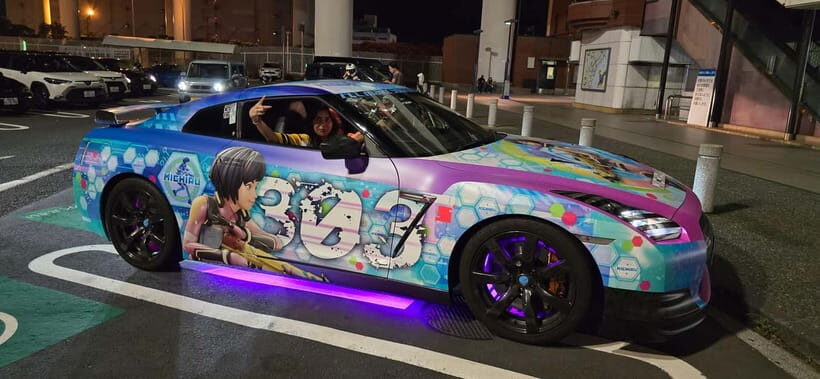
This isn’t a daytime tourist detour. It’s a 3-hour window after the city powers down, when the lights stretch out and the roads feel calmer. You still get Tokyo “wow,” but the main event is the car scene at Daikoku Parking Area—one of the most famous places in Japan for JDM people to gather and compare builds.
The whole tour is built around a simple idea: bring a small group, put you with the right local people, and let you see the culture in motion. That includes the route passes through major nightlife zones like Shinjuku and Shibuya, then the night-famous parking area where the cars—and the conversations—really start.
303Garage and the KUHL-tuned 600HP GT-R ride
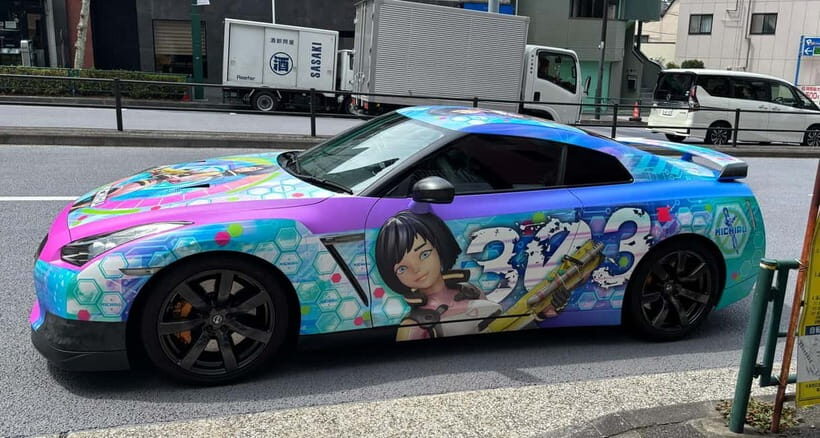
Starting at 303Garage sets the tone fast. This is a tuning-garage world, not a corporate meeting-point world. The vibe you’re looking for is hands-on: tuned machines, real enthusiasts, and the owner involved in how the night runs.
Then comes the car: a KUHL-tuned Nissan GT-R R-35 rated at 600 horsepower in this experience. Even if you’re not a speed-chasing person, you’ll feel the character—how this platform grips, how it sounds, and how it changes the way you look at a street corner. This kind of ride is also a strong “Japan-only” flex in the best way. You’re not just seeing Tokyo. You’re seeing Tokyo through car culture.
One more practical detail that matters: the tour is designed for respect and comfort. It’s family friendly for appropriate ages, it’s wheelchair accessible, and it’s insured. That doesn’t mean it’s a theme park. It means you can focus on the experience instead of worrying about the setup.
You can also read our reviews of more tours and experiences in Tokyo.



The night-drive route: Shinjuku, Shibuya, and the big photo moments
Before Daikoku, you get Tokyo at night through a local lens. You’ll pass through Shinjuku and Shibuya, then hit Shibuya Crossing as part of the sightseeing flow. Even as “pass by” stops, these areas are worth it at night because you’ll notice the difference in pace: less crowd pressure, more neon reflections, and a better feel for how huge parts of Tokyo function after midnight.
The highlights also point to big view targets like Tokyo Skytree and Rainbow Bridge. In practice, these kinds of viewpoints work best when you’re on a short route that keeps the evening moving. You’re not stuck with a long bus stop. You’re in motion, and the city lights become part of the show—just without the forced spectacle.
If you love photography, this is the moment to think about what you shoot. You’ll have brief sight angles, not long guided “stay here for 20 minutes” photo sessions. Bring a camera-ready mindset and keep your settings simple for night shots.
Arriving at Daikoku Parking Area: what to do with your hour
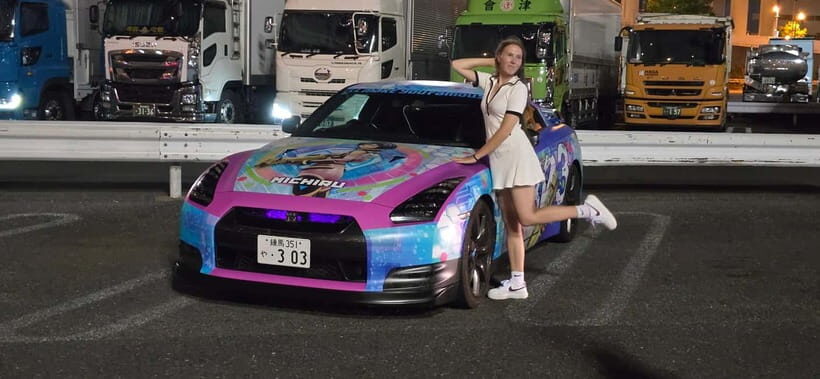
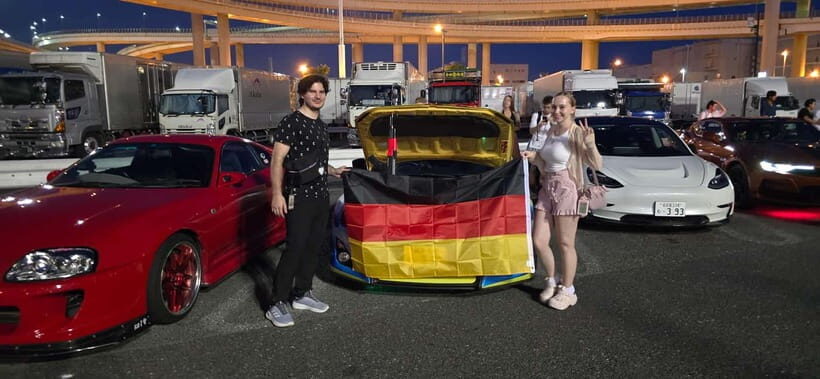
This is the centerpiece. Your schedule includes about one hour at Daikoku Parking Area. That’s enough time to walk the lot, spot different builds, talk to people, and take in the details that don’t show up in online photos.
What makes Daikoku special isn’t just the cars. It’s the atmosphere. You get that specific mix of confidence and craftsmanship: owners pointing out parts, drivers comparing notes, and everyone acting like they’ve arrived for the same reason. You’ll likely notice how diverse the car scene can be, even in a tight urban setting.
Food and restrooms are available at the venue, which is a small line item that makes a big difference in real life. You’re out at night, you might be photographing, and you don’t want to lose momentum to basic needs.
One note to keep expectations grounded: the size of what you see can vary. If it’s cold or rainy, you may still get the culture, but you might find fewer cars out than on a better weather night.
Midnight Rush energy, but with safety and legality built in
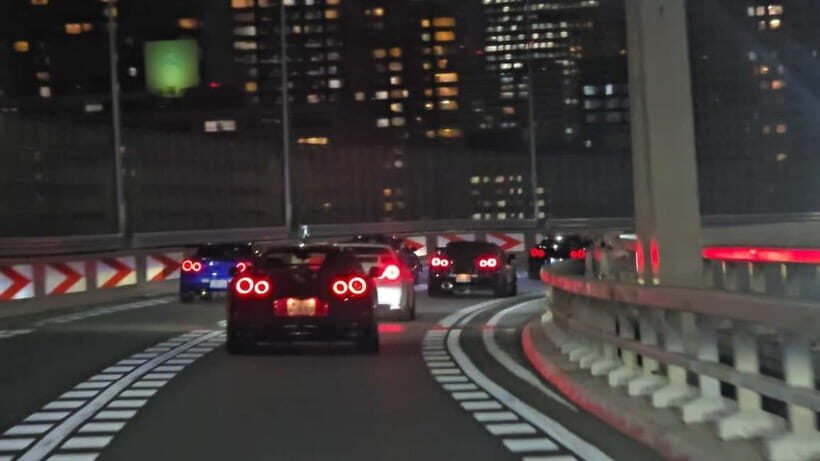
The “midnight rush” angle is real: this is meant for after-dark car people, and the city’s quieter rhythm makes everything feel sharper. The sound carries more. The corners feel more intentional. And the lights in the distance do that classic Tokyo thing where they make everything look slightly cinematic.
What matters, though, is how the tour handles it. This is a VIP experience with safety as the priority, and it’s positioned as a fully legal tour. The setup also avoids racing behavior and aims for a responsible pace. You’re there to experience the culture and the drive, not to watch people do illegal stuff.
Another value point people don’t always think about: the experience is insured, and it’s run as a registered tour business. That reduces the “what exactly is happening here” uncertainty that can come with car-related activities in any country.
Who this tour is best for (and who should skip it)
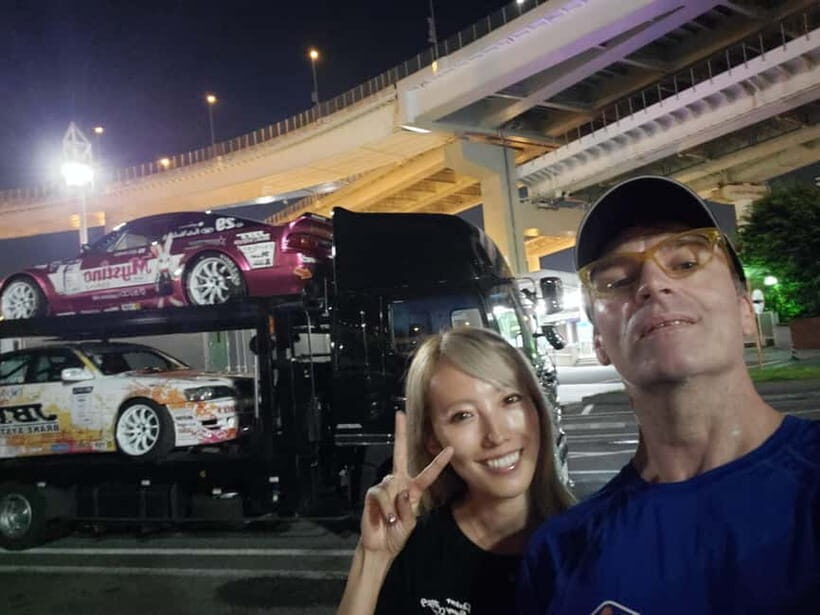
This is for you if you fall into any of these buckets:
- You’re a car enthusiast who wants to see the real JDM scene, not just read about it.
- You want a night-drive in Tokyo that feels local and purposeful.
- You’re traveling with someone who likes cars, even if they’re not the wrench-turning type.
It also works well for families with older kids, since it’s described as kid-friendly. The one hard line: it’s not suitable for children under 6. If you’re bringing teenagers or adults, you’re much more likely to enjoy the full vibe.
Wheelchair access is listed, so it’s at least designed with that in mind. Still, plan for the fact that parking-area viewing involves walking space and uneven real-world surfaces.
Comfort is the one wildcard. The GT-R back seat is mentioned as small in height for taller riders. If you’re measuring over about 1.7 meters, plan for discomfort in the rear seating. If you’re sensitive to posture changes on short rides, request the best seating option you can when you book.






Price and value: what $148 per group really buys you
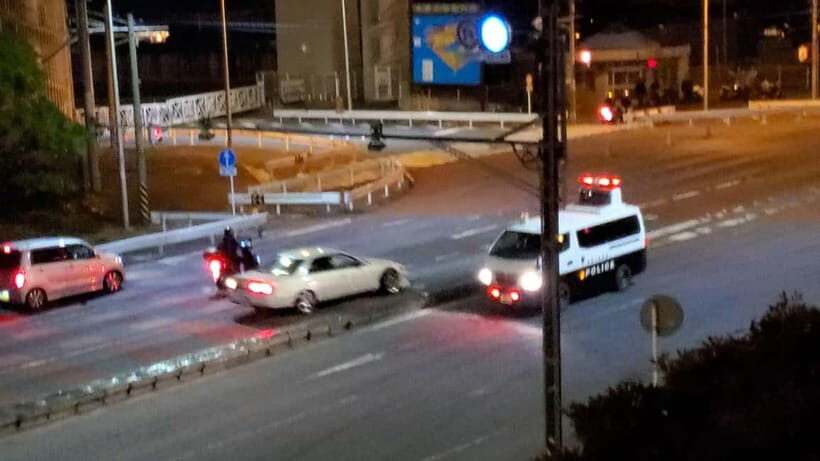
The price is $148 per group up to 2, lasting about 3 hours. On paper, that could sound modest or expensive depending on your budget. In practice, it’s about what you’re getting:
- A private tour setup, not a big bus.
- Road tolls and fees are included.
- You’re riding in a 600HP GT-R tuned for this experience.
- The guide connection goes beyond a generic driver script, because the owner of 303Garage is involved in hosting.
For two people, this pricing can be a strong value if you compare it to how much it costs to cobble together transport, a private guide, and an experience that’s actually linked to Tokyo’s car culture.
What’s not included is also important: no hotel pickup or drop-off. That means you’ll want to plan your meet-point timing carefully. If you’re staying far from the garage, you may need to factor in transit time (but the experience itself is set up to run smoothly once you arrive).
Tour pace and the reality check on group logistics
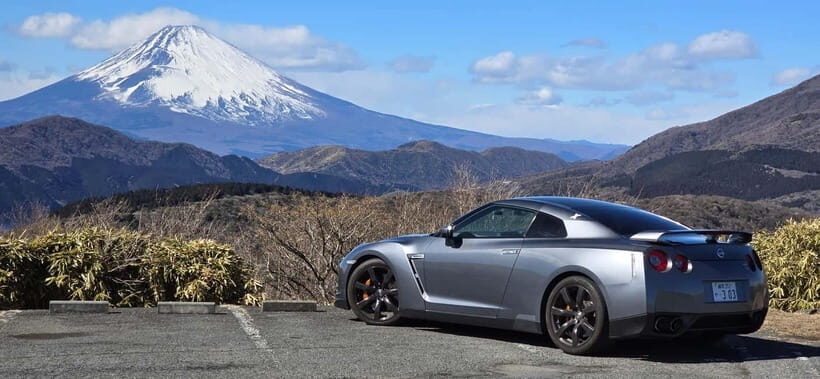
This is a private group, so you’re not stuck in a crowded schedule. That said, private tours are still human operations. You’ll want to keep a simple rule: stay attentive, confirm what to do next, and don’t assume every moment will look identical to the description.
One point that comes up in real-life experiences is that staying together matters. If you’re with other people and the group splits between vehicles for any reason, you’ll want to be clear on where you should wait. The safest approach is to keep close to your guide, especially around highway transitions and return timing.
Also, the driving style is intended to be responsible and legal. That’s good for safety, but it can make the trip feel calmer than an all-out adrenaline ride. Think of it as “performance car energy” rather than “theme-park thrill.”
Should you book the Daikoku GT-R Midnight Rush?
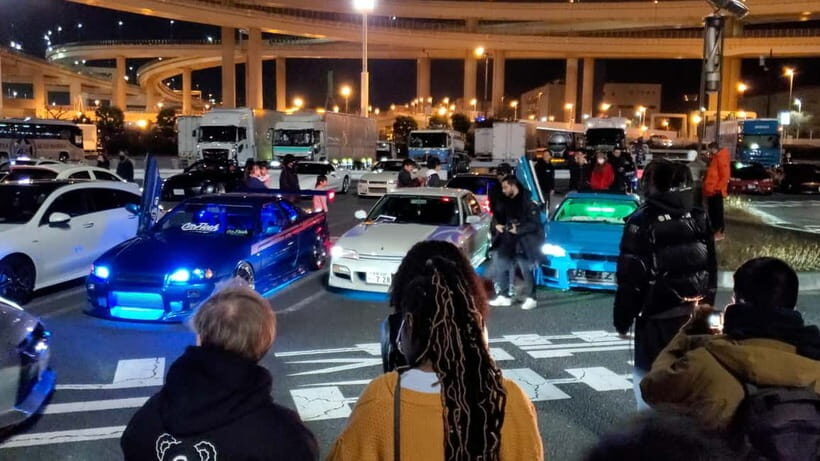
Yes, I think you should book this if your heart rate goes up for any of these reasons: JDM culture, tuned cars, Tokyo at night, and a tour that prioritizes legality and local access.
I’d skip it only if you have mobility or comfort concerns about the car seating (especially taller guests in the rear) or if you’re looking for a long, fully choreographed sightseeing program. This tour is about the people and the cars, with Tokyo as the lighting design.
If you want one simple takeaway: book it for the Daikoku Parking Area hour and the fact that the experience is hosted through a real tuning-world connection, not a tourist performance. Then show up curious, dress warm for night air, and bring a camera that handles low light.
FAQ
How long is the Tokyo Daikoku car meet tour?
The experience lasts 3 hours.
Where is the meeting point at 303Garage?
Meet at 303GaRage. Look for the colored Sportscars in the garage opposite side of the restaurant with the red neon logo/Mobeus blue sign.
Is this tour private or shared?
It’s a private group experience with small groups only.
What car will we ride in?
You ride in a KUHL tuned Nissan GT-R R-35 listed at 600HP.
Is the experience legal and do you do racing?
The tour is described as 100% legal and does not participate in racing or encourage unsafe driving.
Where does the tour go in Tokyo before Daikoku?
You’ll do sightseeing passes through Shinjuku, Shibuya City, Shibuya Crossing, and Tokyo, plus night views like Tokyo SKYTREE and Rainbow Bridge.
How long do you spend at Daikoku Parking Area?
You spend about 1 hour at Daikoku Parking Area.
Are there food shops and restrooms at the venue?
Yes. There are food shops and restrooms at the venue.
Is the tour wheelchair accessible and is it suitable for kids?
Wheelchair accessibility is listed. It’s not suitable for children under 6 years.
What’s included in the price, and can I cancel or pay later?
All fees and road tolls are included. Hotel pickup and drop-off are not included. You can cancel up to 24 hours in advance for a full refund, and you can reserve now and pay later.