REVIEW · TOKYO
Tokyo: KABUKI, BUNRAKU, etc. presented by National Theatre
Book on GetYourGuide →Operated by National Theatre, Japan · Bookable on GetYourGuide
This show is a fast shortcut into centuries-old Japanese performance. It blends Kabuki, Bunraku, and Hogaku (depending on your date) with expert performers and English support that keeps the action front and center.
What I really like is the focus on the performance itself: you get a live experience with no reliance on loud speaker narration. I also like that the English audio guide (for Kabuki and Bunraku) and the English explanation sheet (for Hogaku) are designed to help you follow without smothering the voices, music, and acting.
One thing to consider: the English help is not a word-for-word translation. It summarizes the main points, so you’ll still have to read the stage through gesture, music, and tone.
In This Review
- Key things to know before you go
- Kabuki, Bunraku, and Hogaku in Yokohama: why this format works
- What Kabuki feels like when you follow the story in English
- A practical tip: let your eyes lead
- Bunraku: the adult puppet theatre that makes you stop and stare
- Hogaku and the snow melody you can actually track
- Price and value: what you’re really paying for at $37
- Timing it right: 75 minutes to 3 hours is the whole day’s rhythm
- Getting there from Tokyo: Shibuya to Yokohama without stress
- Theatre etiquette: the rules that keep the show feeling respectful
- Is it authentic enough, and will you feel lost without Japanese?
- Who should book this (and who might want a different plan)
- Should you book? My practical recommendation
- FAQ
- Where is the performance held?
- How do I get my theatre ticket?
- What performances will I see?
- How long is the show?
- Is there English support?
- Is the audio guide a word-for-word translation?
- What’s the cost?
- Is transportation included?
- Can I take photos or record video?
- Are pets and smoking allowed?
- Is the venue wheelchair accessible?
Key things to know before you go
- Yokohama venue: KAAT Kanagawa Arts Theatre, not the National Theatre in Hanzomon (and the venue can vary by date).
- Real classical forms: Kabuki drama and dance, Bunraku adult puppet theatre, and Hogaku traditional music.
- English help that fits the show: audio overview for Kabuki/Bunraku, and an explanation sheet for Hogaku.
- Quiet etiquette matters: no photography or video, and no making noise.
- Timing varies: from about 75 minutes up to roughly 3 hours depending on what’s in your program.
Kabuki, Bunraku, and Hogaku in Yokohama: why this format works
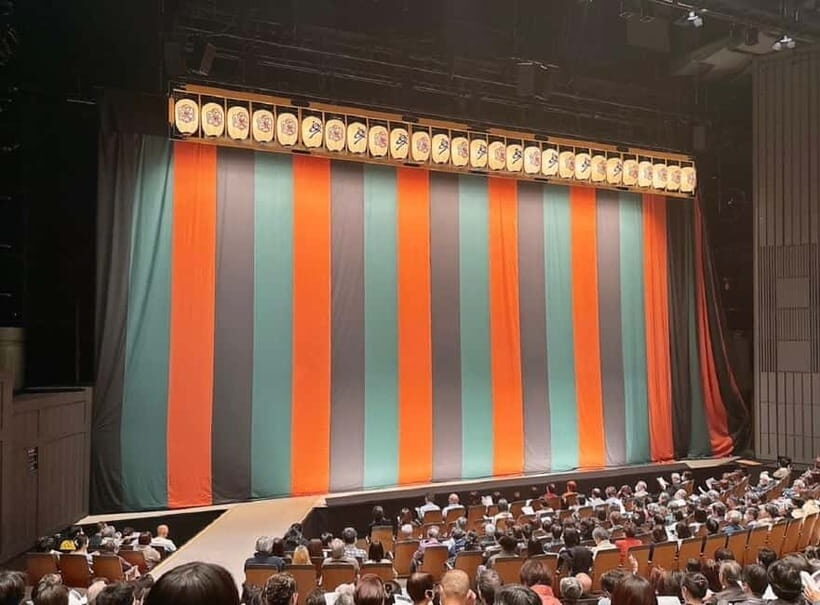
If you only have limited time in the Tokyo area, a multi-style classical performance can be a smart move. This program is presented by National Theatre Japan, a long-time supporter of Japan’s classical performing arts, and it’s staged through major venues with professional-level production values.
The big practical win is how the show is structured for visitors. Instead of trying to turn Japanese theatre into a “tour guide with lights,” it keeps the atmosphere respectful and performance-led. That means you hear the shamisen, the narrator, and the rhythms the way they were meant to land.
And yes, the location is the part that surprises people. The performance you’re booking is not in the National Theatre building in Hanzomon. For the Bunraku ticket in the details you provided, the venue is KAAT Kanagawa Arts Theatre in Yokohama—so plan your day around getting there.
You can also read our reviews of more tours and experiences in Tokyo.



What Kabuki feels like when you follow the story in English
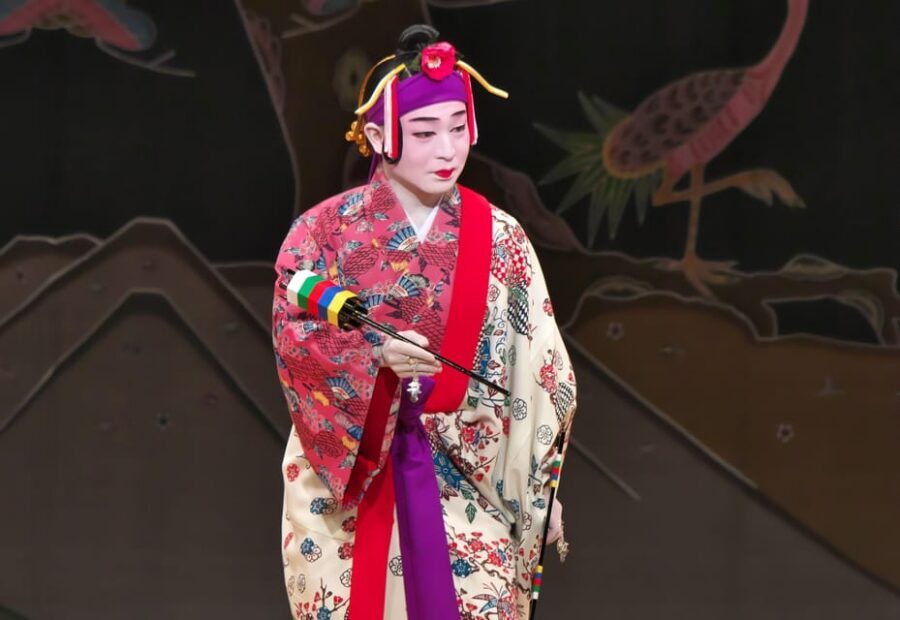
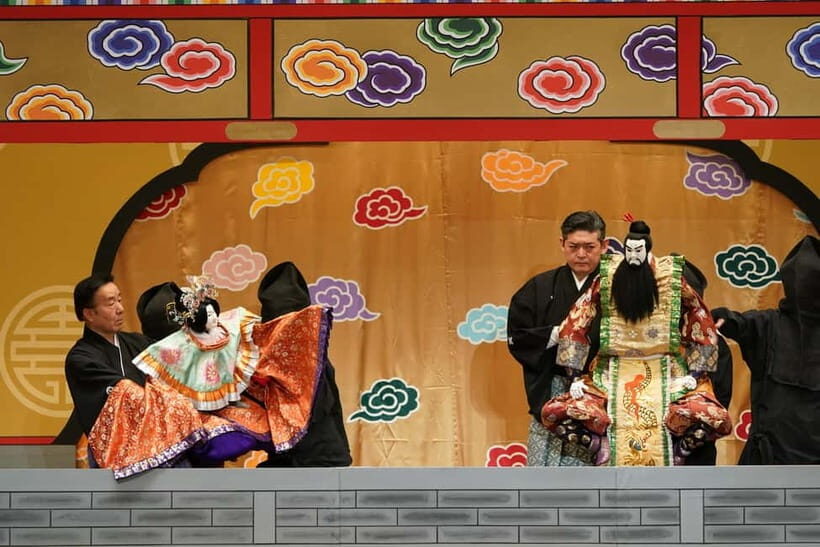
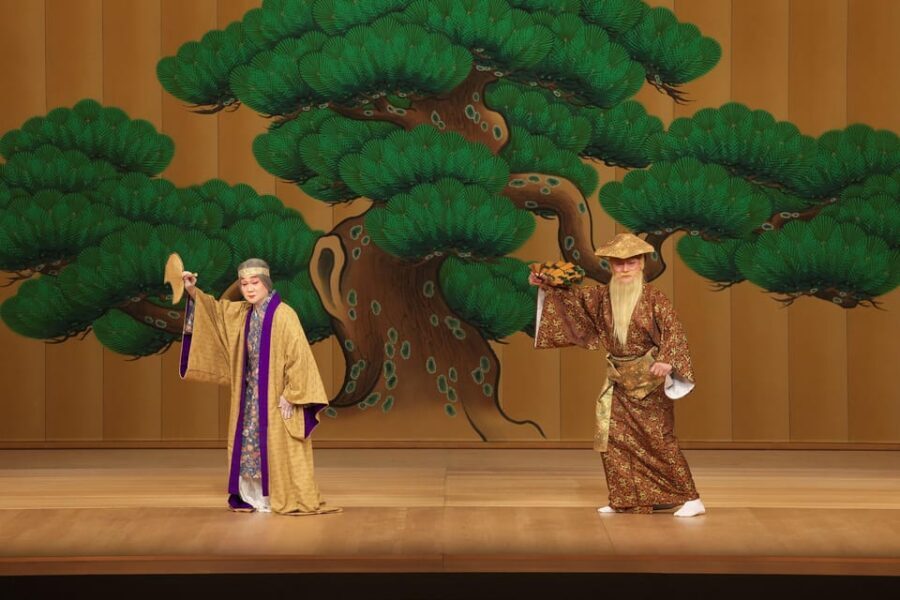
Kabuki is the dramatic theatre most people think of when they hear Japanese classical arts. It’s built on music and dance working together to tell a story with sharp acting, stylized movement, and strong visual composition. Across its long development, Kabuki has absorbed trends from different eras, so it’s not stuck in a museum box.
The show is designed so you can follow even if you don’t speak Japanese. Your English audio guide (for the Kabuki portion, when your date includes it) gives a clear overview of the main beats. It’s not meant to replace the dialogue word-for-word. In practice, that actually helps: you can focus on what the performers are doing while the audio helps you connect the dots.
If you’re used to Western theatre where you chase every line, Kabuki can feel different at first. It moves with confidence and symbolism. If you start with the goal of understanding the action and emotional shifts rather than every spoken phrase, the whole thing clicks faster.
A practical tip: let your eyes lead
Your best clue for what’s happening will often be the bodies and faces, not the language. Kabuki storytelling leans hard on posture, timing, and visual cues. Use the English audio to frame the scene, then let your attention ride on the performance.
Bunraku: the adult puppet theatre that makes you stop and stare
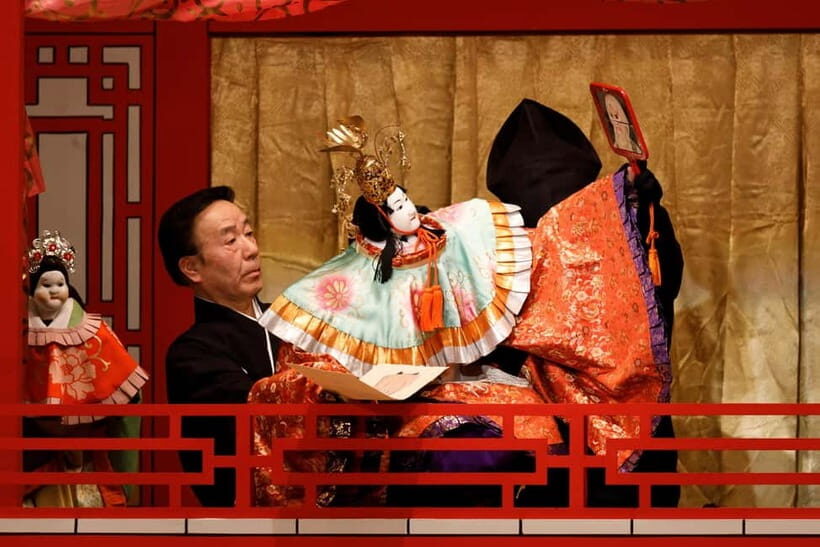
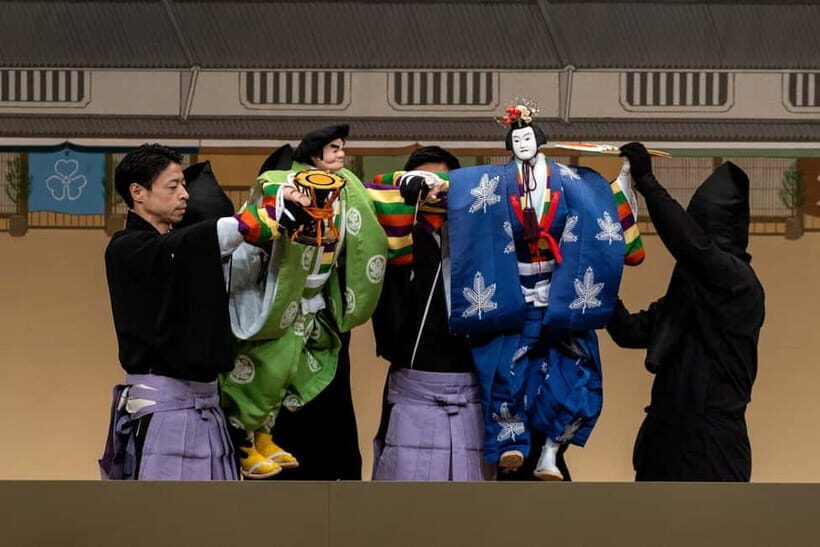
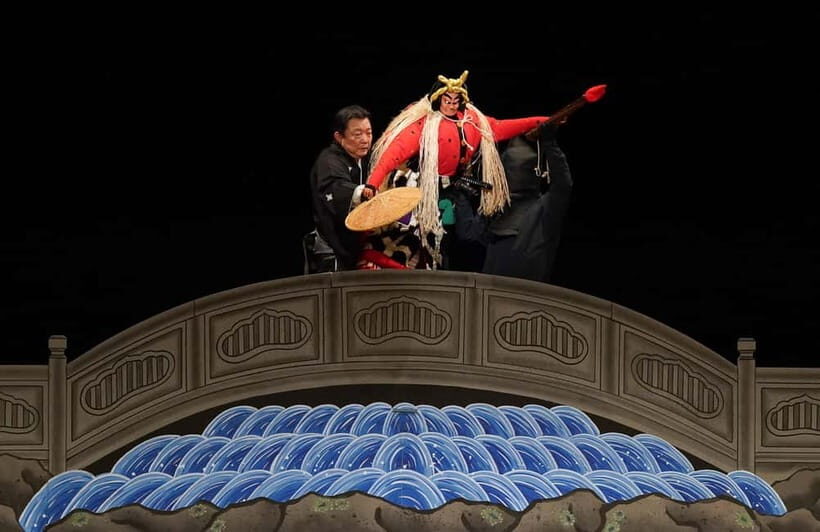
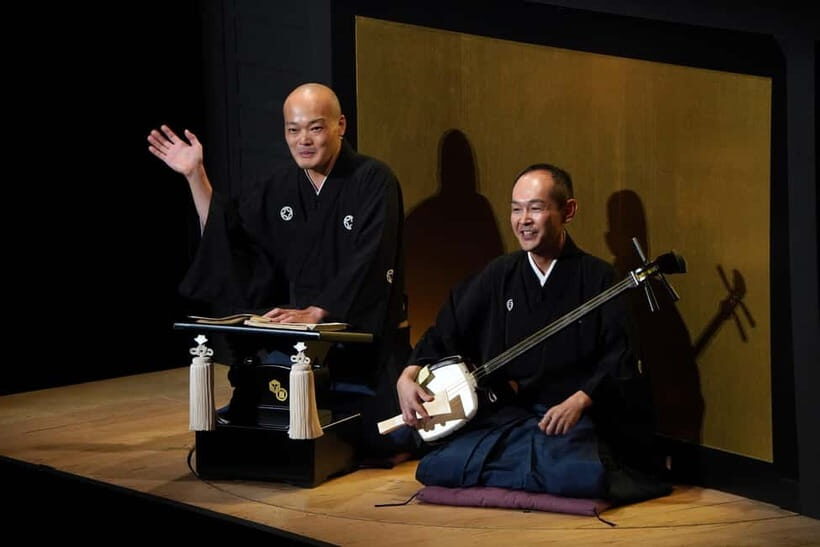
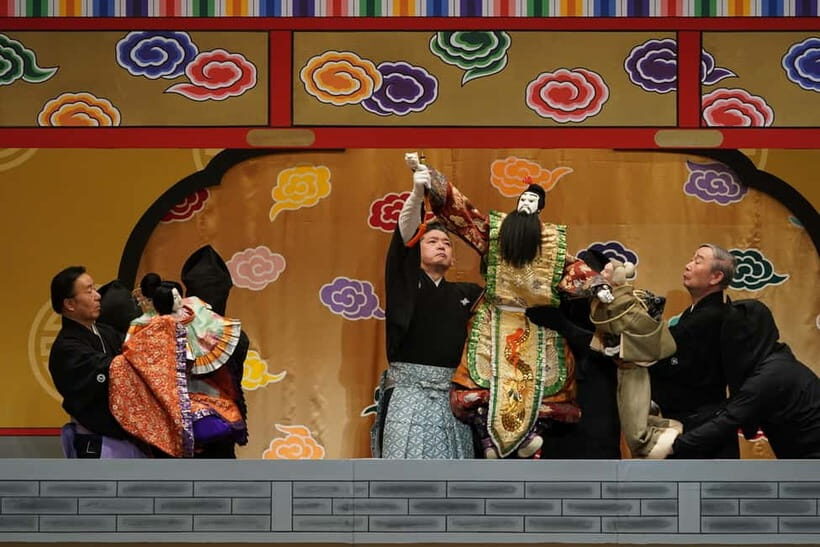
Bunraku is one of Japan’s most representative traditions for adults, and it’s famous for its collaboration. In a Bunraku performance, you get a synchronized blend of narration, shamisen music, and puppetry. It’s not “puppets telling jokes.” It’s theatre with real emotional weight.
The narration is powerful and character-driven, the shamisen lines up with the emotional pacing, and the puppets move in a way that feels almost impossibly controlled. Even if you’ve seen puppet theatre before, Bunraku often reframes what puppet performance can do.
For your experience, the Bunraku English audio guide is included. Again, it’s an overview rather than a literal script translation. That’s the right approach for this art form. If you try to follow a line-by-line translation while the narrator is in full throttle, you lose the music and the timing that carry the drama.
A note worth taking seriously: the English audio helps you understand what’s going on, but it won’t make every nuance perfectly “portable.” One of the most helpful attitudes is to treat it like a story map. The performance still has to do its job.
Hogaku and the snow melody you can actually track
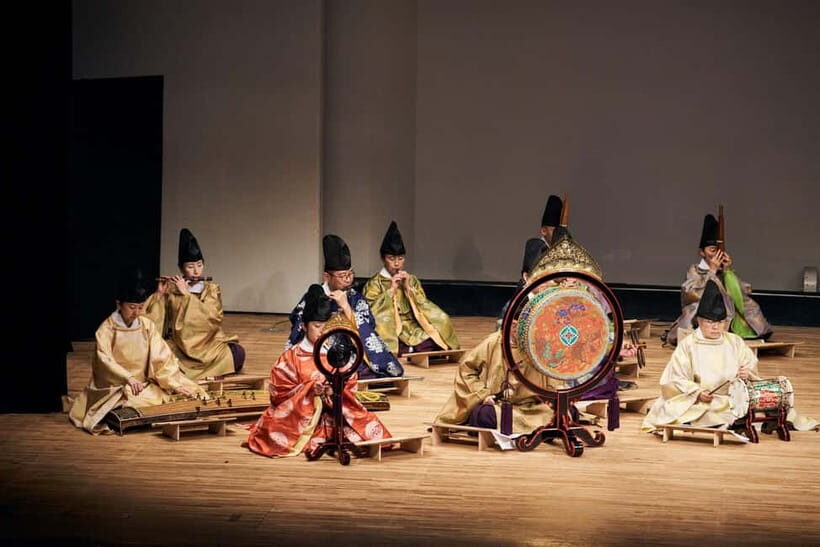
Not every day in this program is Kabuki or Bunraku. Some dates include Hogaku, a concert of traditional Japanese music. Hogaku can sound like pure listening at first, but the program you’re booking focuses on melodies tied to snow imagery.
The highlight is a piece associated with “Yuki no Aikata,” described here as a long shamisen interlude within a Jiuta song called Yuki. That melody shows up across songs connected to scenes of falling snow, which is a familiar sound-image in Japanese music storytelling.
For Hogaku, you get a free English explanation sheet. This is a low-effort way to get context before each musical idea lands. You won’t be chasing dialogue, but you will be listening for expressive elements woven into each piece.
If you want the simplest way to make this part rewarding: read the explanation sheet briefly, then listen for how the shamisen phrase repeats or changes mood. That’s where the “snow” idea starts to feel like more than a label.






Price and value: what you’re really paying for at $37
At about $37 per person, the value here is less about the cost of the seats and more about what’s included to make the art accessible. The ticket price includes theatre access, and for the main narrative forms (Kabuki and Bunraku), it includes the English audio guide. For Hogaku, it includes a free English explanation sheet.
That matters because Japanese classical performance isn’t like a movie. You can’t “pause and translate.” You need help that runs in real time with the show. An included audio guide designed around the main points is exactly the type of support that reduces frustration.
Also, this is a chance to see authentic classical stagecraft by top-notch performers. That authenticity is the real product. If you want a tourist-friendly “taste,” you could watch clips online. If you want the full sensory experience of live acting, music, and timing, this is the kind of event that justifies the spend.
Timing it right: 75 minutes to 3 hours is the whole day’s rhythm
The performance duration ranges from 75 minutes to about 3 hours, depending on what your date includes. That timing window is important because you’ll plan your meals, arrival, and travel time around it.
In practice, expect breaks where you can reset. One visitor note also suggests that drinks are not allowed inside the theatre, so if you rely on a specific beverage to get through a longer show, plan accordingly. The interval is your moment for comfort, not during-performance multitasking.
The biggest timing trick is psychological: give yourself a few minutes to settle before the show starts. If you arrive right on time and jump into translation mode immediately, it’s harder to adjust. Even one short pre-show window helps you get comfortable with how the audio and the performance will share your attention.
Getting there from Tokyo: Shibuya to Yokohama without stress
This is where logistics can make or break the experience. The good news is that the venue is reachable by train from central Tokyo.
For the KAAT venue setup provided, your nearest stations are:
- Nihon-ōdōri Station (MM05) on the Minatomirai Line, about 5 minutes on foot (Exit 3 or 4)
- Motomachi-Chukagai Station (MM06) on the Minatomirai Line, about 8 minutes on foot (Exit 1)
The Minatomirai Line connects directly with Tokyu Toyoko Line and Tokyo Metro Fukutoshin Line. From Shibuya, expect around 45 minutes to reach the area.
Then comes the key step: ticket exchange. You’ll need to exchange the voucher from your booking service for the theatre’s ticket issued on-site. Pick it up at the entrance on the day of the performance. The staff will ask for the name of the guest who made the reservation, so have that ready.
Theatre etiquette: the rules that keep the show feeling respectful
Japanese classical performances thrive on quiet concentration, and this programme reinforces that. You won’t be dealing with constant distractions because several things are explicitly not allowed:
- No video recording
- No photography inside
- No making noise (including anything that interrupts other guests)
- No audio recording
- Smoking is not allowed
- Pets are not allowed (assistance dogs are allowed)
- Alcohol and drugs are not allowed
Even if you’re an experienced theatre-goer, it’s worth adjusting your mindset. Plan to watch first, think second. If you want to take notes, do it mentally during the performance and write them down after.
There’s also seating flexibility: seating positions are chosen by the theatre. So don’t count on a specific view. The good news is that the experience is designed so you can follow with the included English audio or explanation sheet.
Is it authentic enough, and will you feel lost without Japanese?
The most consistent praise here is that it feels authentic: real performers, real traditional art forms, and real stagecraft. The second most praised element is the English support, especially the audio guide for Kabuki and Bunraku.
That said, manage expectations on translation quality. The audio guide provides an overview of the main points, not a literal translation of dialogue. That means you won’t catch every word. Some people adapt quickly and start reading the performance through music and movement. Others want a bit more background knowledge.
If you’re the type who loves context, I suggest doing a small amount of prep. Learn the basic idea of Kabuki or Bunraku storytelling and the role of costumes and gesture. You don’t need a degree. You just need enough to know what you’re watching.
Also, expect a quick adjustment period. Some visitors find it takes a moment to train their brain to listen to the performers while also processing the English audio. Give yourself a few minutes before you decide whether you can follow.
Who should book this (and who might want a different plan)
I’d steer you toward this show if you want a focused cultural night with major traditional forms in a single sitting. You’ll enjoy it most if you like live theatre, music, and performance details, even if you don’t understand the language.
You might want to think twice if you:
- Need a fast-paced entertainment style with constant payoff
- Want a word-for-word translation
- Are traveling with very young kids who need shorter, simpler experiences
For many visitors, the pacing is part of the attraction. The art form builds emotion slowly through acting and music. If that style matches your travel personality, you’ll probably walk out feeling like you saw something you can’t easily recreate online.
Should you book? My practical recommendation
If you’re looking for an authentic Kabuki/Bunraku/Hogaku night with built-in English support, I think this is a strong value. The included audio or explanation materials remove the main barrier, and the show format keeps the focus on performers instead of narration gimmicks.
Book it if you can handle a longer seated experience and you’re willing to follow the story through action, not just words. Skip it if you only want “easy and loud” explanations, or if you’re expecting cinema-style subtitles.
FAQ
Where is the performance held?
The venue is in Yokohama. For the Bunraku option listed here, it’s KAAT Kanagawa Arts Theatre. The venue is not the National Theatre in Hanzomon, and it can vary depending on the date.
How do I get my theatre ticket?
You exchange the GetYourGuide-issued voucher for the theatre’s ticket at the entrance on the day of the performance. The staff will ask for the name of the guest who made the reservation.
What performances will I see?
The content varies by date. Your option title lists whether it includes Kabuki, Bunraku, Hogaku, and other classical performing arts.
How long is the show?
Duration can be 75 minutes to 3 hours, depending on the program.
Is there English support?
Yes. English audio guides are included for the Kabuki and Bunraku performances. For Hogaku, you get a free English explanation sheet.
Is the audio guide a word-for-word translation?
No. The audio guide provides an overview of the main points, not a literal translation of dialogue.
What’s the cost?
The price is listed as $37 per person.
Is transportation included?
No. Transportation to the theatre is not included.
Can I take photos or record video?
No. Photography inside and video recording are not allowed.
Are pets and smoking allowed?
Smoking is not allowed. Pets are not allowed, though assistance dogs are allowed.
Is the venue wheelchair accessible?
Yes, it is wheelchair accessible. If you’re coming in a wheelchair, you should contact the provider as soon as possible so wheelchair-accessible seating can be arranged.