REVIEW · TOKYO
Tokyo: Nikko Trip Toshogu Shrine Kegon Falls & Lake Chuzenji
Book on GetYourGuide →Operated by Hafiz Syed aqib Husain · Bookable on GetYourGuide
Nikko turns a day into a wow loop. I love Toshogu Shrine with its Tokugawa Ieyasu mausoleum, and I love the spray and scale of Kegon Falls. The day is long (8–9 hours) and there’s a lot of walking, so plan comfy shoes.
You also get calm nature breaks at Shinkyo Bridge and Lake Chuzenji, plus an optional ropeway for wide views. It’s a private group, which usually means the pace feels more human.
In This Review
- Key highlights worth your attention
- Tokyo to Nikkō: timing, walking, and what your money covers
- Toshogu Shrine and Tokugawa Ieyasu’s mausoleum: the Edo-era spectacle you came for
- Shinkyo Bridge over the Daiya River: vermilion color, sacred vibe, and easy photos
- Lunch in Nikkō: keep it simple, keep it fueling
- Kegon Falls (97 meters): how to see Japan’s top-tier waterfall up close
- Lake Chūzenji at Mount Nantai’s base: serene views that slow the pace
- Akechidaira Ropeway upgrade: panoramic views when you want the big picture
- The Daiya River walk and Jizo statues: small moments that feel odd in a good way
- Your guide in this private group: why the day works smoothly
- Price and logistics: is $550 per group up to 6 good value?
- Who should book this Tokyo to Nikkō day trip (and who should skip it)
- Should you book this Nikko trip?
- FAQ
- How long is the Tokyo to Nikkō trip?
- Is transportation included?
- What attractions are included with admission?
- Are meals included in the price?
- Is the Akechidaira Ropeway included?
- How big is the group?
- What languages are available for the guide?
- Are there any photography rules?
- What should I bring?
Key highlights worth your attention
- Toshogu Shrine (UNESCO): lavish Edo-period mausoleum details, including the Three Wise Monkeys and Yomeimon Gate
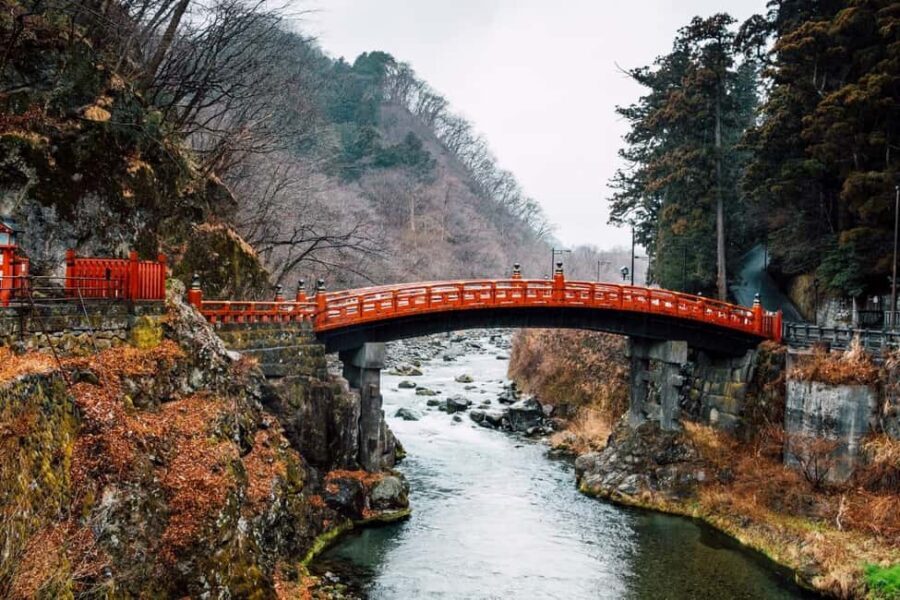
- Shinkyo Bridge over the Daiya River: a vermilion, sacred photo stop with great scenery on the way
- Kegon Falls (97 meters): one of Japan’s top three waterfalls, with an elevator option for closer views
- Lake Chūzenji at Mount Nantai’s base: serene photo time, especially when autumn leaves are in swing
- Akechidaira Ropeway upgrade (optional): panoramic look at mountains, Lake Chūzenji, and Kegon Falls
Tokyo to Nikkō: timing, walking, and what your money covers
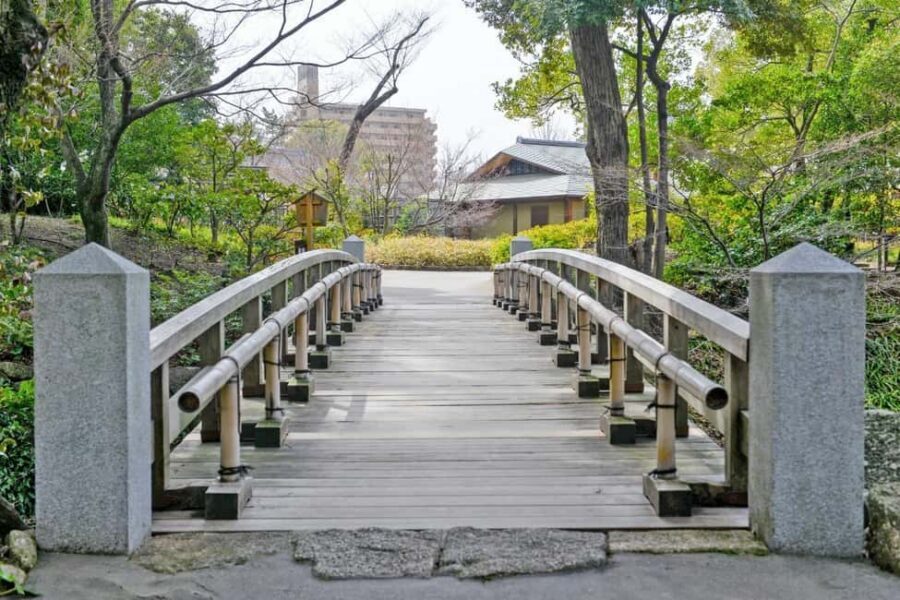
This is a straightforward Tokyo-to-Nikkō day trip built around three big wow stops: Toshogu Shrine, Kegon Falls, and Lake Chūzenji. You leave from Tokyo and return the same day with round-trip transportation, so you’re not spending your limited time figuring out trains, transfers, and schedules.
The tour runs about 8–9 hours, and that matters. You’re not just “looking from a bus window.” You’ll walk through sacred temple areas and spend meaningful time at Kegon Falls and Lake Chūzenji, so your feet will do most of the work. If you tend to overpack your day, this one punishes you. Travel light and wear shoes you can trust.
Price is listed as $550 per group up to 6, which is the first value clue. You’re paying for the whole package: round-trip transport from Tokyo, an English-speaking guide, and admissions to Toshogu Shrine, Shinkyo Bridge, and Kegon Falls. Meals and drinks are not included, so you’ll want either cash/card for lunch or accept that you’ll pay for that one meal.
One more practical note: you’ll want hat, sunscreen, and water. Even in cooler seasons, you can get that surprise sun-and-wind mix when you’re walking in open viewing areas.
You can also read our reviews of more tours and experiences in Tokyo.



Toshogu Shrine and Tokugawa Ieyasu’s mausoleum: the Edo-era spectacle you came for
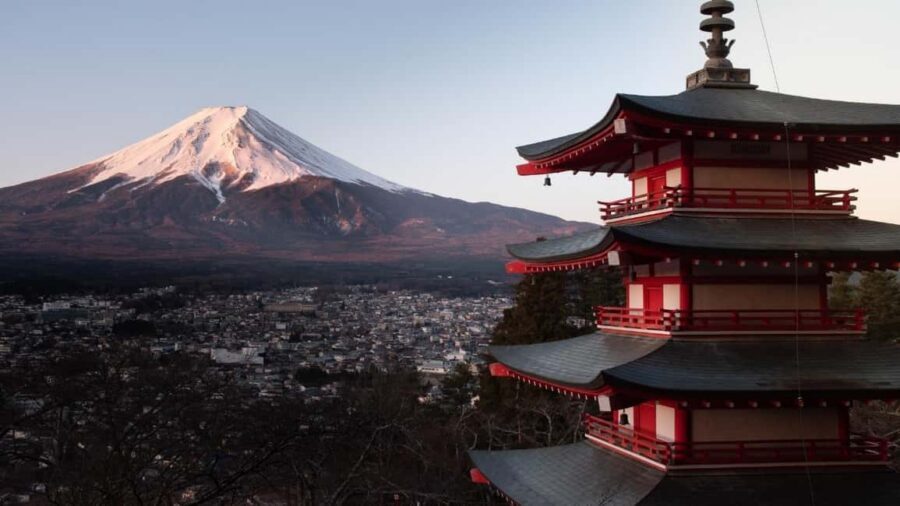
“Toshogu Shrine” is the main headline for a reason. This UNESCO site is dedicated to Tokugawa Ieyasu, and the mausoleum area is intensely decorative—lavish woodwork, ornate details, and gates that feel designed for ceremony, not comfort. Plan to slow down and look closely, because the whole point is the craftsmanship.
A couple of specific hits are worth mentally circling:
- The Three Wise Monkeys carving
- The Yomeimon Gate, known as the Gate of the Sun
These details aren’t random tourist props. They’re part of how Toshogu Shrine communicates power, belief, and status from the Edo period—religion and politics sharing the same stage.
You’ll also explore the sacred temple complex, where Buddhist and Shinto architecture share space with the mountain setting. That combination is one reason Nikkō feels different from other shrine-and-temple stops. You’re walking through prayer halls, along forest paths lined with old cedar trees, and into spaces that are meant for reflection as much as admiration.
Photo rules can be strict in specific areas, so follow the guide’s instructions. And because this is a shrine setting, you’ll want to behave like you’re inside someone’s spiritual home: walk calmly, keep your voice down, and don’t treat it like a theme park.
Shinkyo Bridge over the Daiya River: vermilion color, sacred vibe, and easy photos
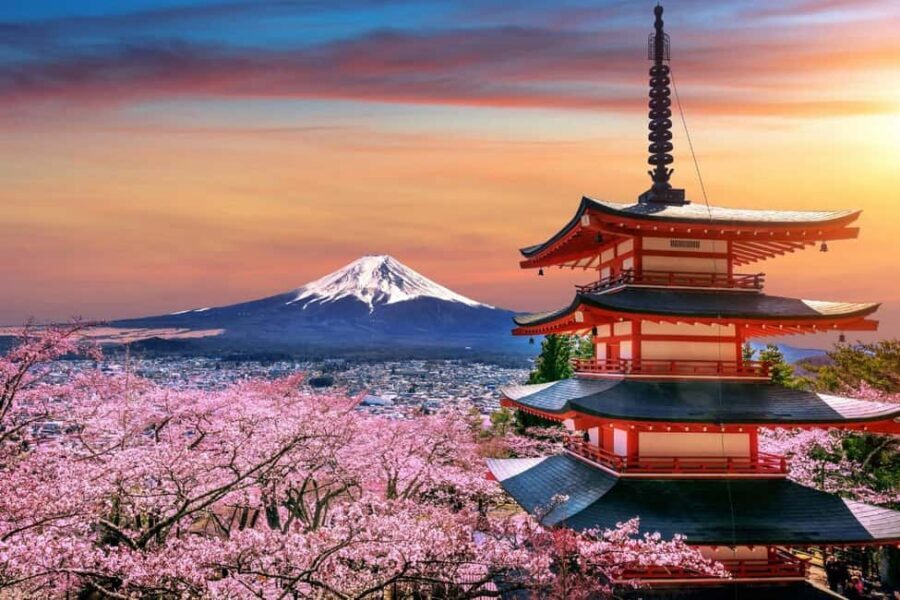
After Toshogu, you’ll head to Shinkyo Bridge for a photo stop and scenic walk time. Shinkyo is famous for its bright vermilion arch over the Daiya River, and it looks great from multiple angles.
What I like about this stop is how it breaks the day’s rhythm. You’ve been in ornate buildings and temple corridors, and then you step outside into open air with river views. It’s a good reset for your eyes and your camera battery.
The tour includes time for sightseeing and walking (and some scenery on the way), so you’re not rushing past the bridge like a checkmark. Still, it’s a short stop by design—just enough time to get your shots, soak up the sacred atmosphere, and move on before you start losing your focus.
Tip: if you’re picky about photos, you’ll get better results by waiting for small gaps in foot traffic rather than forcing a perfect frame immediately.
Lunch in Nikkō: keep it simple, keep it fueling
Lunch is scheduled at a local restaurant. Meals and drinks aren’t included, so you’ll be making at least one on-the-spot decision. This is a practical moment: eat something you can digest without regret, and don’t overdo it with heavy sauces if you’re heading to waterfall and lake viewing right after.
One nice advantage here is that the guide can help you pick something reasonable. In at least one recent day, a guide named Anees was praised for recommending an Indian restaurant for lunch that was described as reasonable and home-cooked-tasting. Even if your guide makes a different pick, having local guidance helps avoid the classic trap of overpaying for something generic.
Kegon Falls (97 meters): how to see Japan’s top-tier waterfall up close
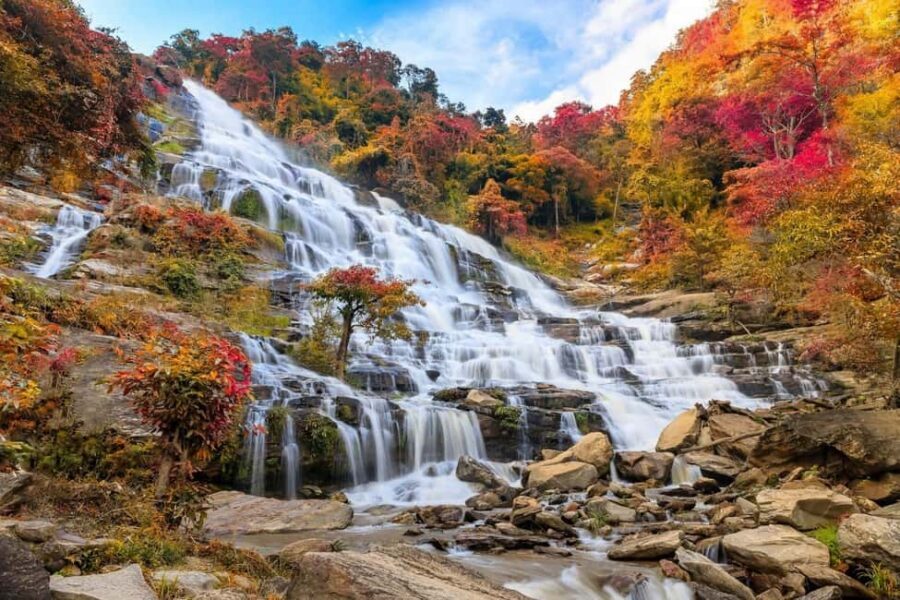
Then comes Kegon Falls, the day’s big nature payoff. The waterfall is 97 meters tall and counted among Japan’s top three waterfalls—so yes, it earns its reputation.
You’ll spend about 2.25 hours here, which is a smart amount of time. Waterfall areas can be chaotic: people line up, mist blows unpredictably, and sightlines change as crowds move. With that time buffer, you can get photos without acting like you’re sprinting between tour traps.
One of the best parts: there’s an elevator option that takes you to the lower viewing deck. That’s where the falls feel closer and more dramatic, and where the mist becomes part of the experience. If you’re the type who likes “I want the view, not just the photo,” this is the choice you’ll probably appreciate.
Also, the tour includes admission to Kegon Falls, so you’re not dealing with ticket queues as a first priority. The waterfall is the priority. Just remember the common-sense stuff: bring your water, keep your phone secure around misty spots, and dress for cool damp air even if Tokyo feels warm that day.




Lake Chūzenji at Mount Nantai’s base: serene views that slow the pace
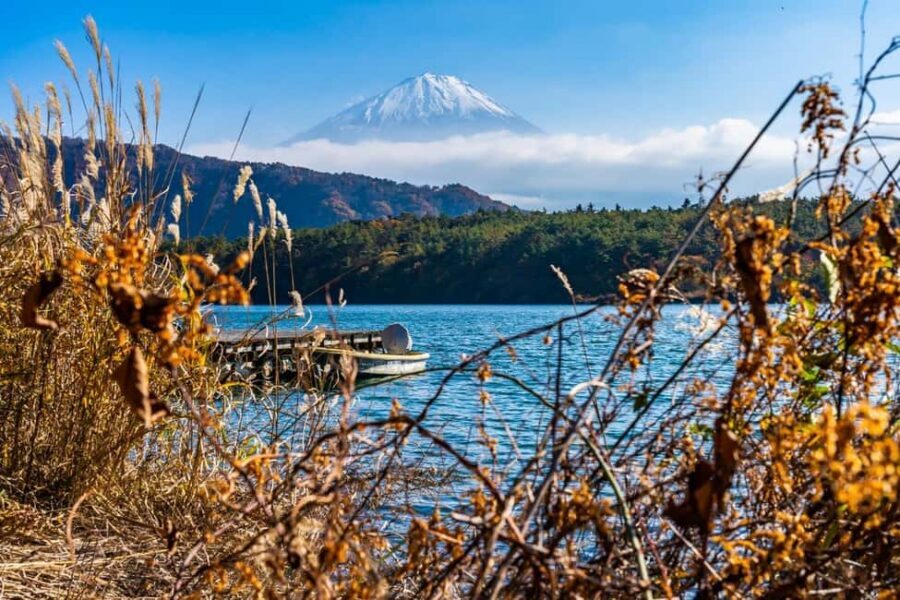
After the intensity of Kegon Falls, the tone shifts to calm. You’ll stop at Lake Chūzenji, located at the base of Mount Nantai.
The scheduled time is about 45 minutes, which is enough for photos and a short scenic break without turning the day into a long linger. Lake time works well here because it gives your mind a different kind of input—less spectacle, more atmosphere.
This stop is especially good during autumn leaves season, when the mountain-and-lake look becomes a ready-made photo backdrop. Even if you’re traveling outside peak fall, the lake still gives that quiet, open-air feeling you didn’t get at the shrine.
Practical tip: lakeside weather can change quickly. Bring a layer you can toss on if the wind shows up.
Akechidaira Ropeway upgrade: panoramic views when you want the big picture
The Akechidaira Ropeway is an optional upgrade, with an additional fee. If you like mountain views—and who doesn’t on a Nikkō day—this is one of the most efficient ways to get them.
The ropeway offers panoramic views of the Nikkō mountains, Lake Chūzenji, and Kegon Falls. Even when clouds soften the view, the ride typically gives you a sense of scale: you finally understand how the shrine-and-falls locations fit together in the same mountain region.
Because it’s optional, it’s also your decision point. If you’re tired or the weather looks rough, skip it. If you still feel sharp and you want that overhead perspective, it’s a worthwhile splurge.
The Daiya River walk and Jizo statues: small moments that feel odd in a good way
Between the major sites, you get a quieter walk along the Daiya River. It’s lined with rows of Jizo statues, and the tour notes that the number of statues seems to change each time you look.
That sounds like a quirky detail, but it’s exactly the kind of thing that makes a day trip feel human. When your brain has been busy with big visual hits—ornate shrine gates and a huge waterfall—this kind of repetitive devotional detail slows you down again.
You won’t need a long attention span for it. You’ll just notice. And because the statues are spaced in rows along the river, the walk naturally guides your eyes without you trying too hard.
Your guide in this private group: why the day works smoothly
This is a private group experience, and the guide is the glue that holds the day together. You’ll travel with an English-speaking guide (and the listing also notes English, Urdu, Japanese, Hindi, and Punjabi options), which matters when you’re moving between sacred spaces and sightseeing areas.
In one recent booking, a guide named Anees was singled out for being polite and helpful, with standout knowledge of the sites. He also gave lunch advice for a reasonable Indian meal that sounded home-made and tasty. That kind of guidance might not sound flashy, but it can be the difference between a stressful day and a relaxed one.
A practical way to use your guide: ask one simple question at each stop, like what not to miss and where the best viewpoints are. It helps you get more out of the limited time you have at each location.
Price and logistics: is $550 per group up to 6 good value?
Let’s talk value without pretending everything is cheap.
For $550 per group up to 6, you’re paying for:
- Round-trip Tokyo transportation
- An English-speaking guide
- Admission to Toshogu Shrine, Shinkyo Bridge, and Kegon Falls
- The structured pacing of an 8–9 hour day
Meals and drinks are extra, but the schedule already includes a lunch stop, so you’re not stuck hunting at the worst possible time.
If you price this out on your own, the biggest hidden cost isn’t always money—it’s time and stress. Getting to Nikkō smoothly, handling tickets, and managing transitions between shrine, bridge, waterfall, and lake would eat up your day. This tour packages those movements into one plan.
Also, the private-group setup helps if you’re not traveling solo. With up to six people, your cost per person can drop quickly if you fill the group.
The main “cost” you should factor is energy. You’re walking, photographing, and moving through ceremonial spaces and outdoor viewpoints. That’s not a problem if you like active sightseeing. It’s a problem if you want a sit-and-glide day.
Who should book this Tokyo to Nikkō day trip (and who should skip it)
This tour is a good fit if you want a single-day hit list with a mix of UNESCO culture and major nature sights. It also works well if you’re a first-time visitor to the Tokyo area who doesn’t want to juggle transit puzzles.
You’ll especially enjoy it if:
- You love shrine details and Edo-period storytelling
- You want the dramatic experience of a major waterfall
- You like photo breaks at both a sacred bridge and a lake
- You’re considering the Akechidaira Ropeway upgrade for extra viewpoints
It’s not suitable for children under 5, pregnant women, or wheelchair users. And regardless of suitability, this is a “comfortable shoes” day because you’ll be on your feet for a lot of the experience.
Should you book this Nikko trip?
If you want one day that gives you Toshogu Shrine, Shinkyo Bridge, Kegon Falls, and Lake Chūzenji without planning headaches, I’d book it. The structure is the selling point: it’s long enough to do real sightseeing, but not so long you feel wrecked by the time you return to Tokyo.
I’d also book if you care about guidance. A guide like Anees—polite, helpful, and strong on site knowledge—can turn a checklist day into something you remember.
Skip it if you need a low-walking day, or if you’re hoping for a totally relaxed pace with minimal time outdoors. This trip gives you standout sights, and it asks your body to keep up.
FAQ
How long is the Tokyo to Nikkō trip?
The duration is listed as 8–9 hours.
Is transportation included?
Yes. Round-trip transportation from Tokyo is included.
What attractions are included with admission?
Admission is included for Toshogu Shrine, Shinkyo Bridge, and Kegon Falls.
Are meals included in the price?
No. Meals and drinks are not included. Lunch is scheduled at a local restaurant, but you’ll pay for what you order.
Is the Akechidaira Ropeway included?
The ropeway is an optional upgrade. The ticket is not included by default and requires an additional fee.
How big is the group?
This activity is a private group with pricing stated as per group up to 6.
What languages are available for the guide?
The tour guide is listed as available in English, Urdu, Japanese, Hindi, and Punjabi.
Are there any photography rules?
Yes. Flash photography is restricted, and photography is restricted in certain areas, so follow the guide’s instructions.
What should I bring?
Bring a hat, camera, sunscreen, and water. Comfortable shoes are also recommended because there is a lot of walking.