REVIEW · TOKYO
Tokyo: Sanctuary Authentic Grand Sumo Experience & Training
Book on GetYourGuide →Operated by Amita Sumo Dojo · Bookable on GetYourGuide
Sumo training beats watching every time. In Tokyo, this is a hands-on sumo keiko where you do the stretches, rituals, and practice moves in the real dohyo ring with a real mawashi belt. I like that the coaching runs in English and Japanese, so you’re not left guessing during the important parts like ring rules and footwork.
The other big win for me is the ending: you don’t just observe or take a couple of photos, you actually get to wrestle with your friends and, if you’re game, with the coach too. The one drawback to plan around is sweat and hygiene. You will work hard, you’ll want a towel plan, and you shouldn’t expect food to be part of the session.
In This Review
- Key Points You’ll Care About Before You Go
- What Makes This Tokyo Sumo Experience Different From a Quick Sumo Show
- Where to Meet: Heiwanomori Park Sumo-jo Near Heiwajima Station
- The 2-Hour Keiko Flow: Stretches, Warm-Ups, Rules, and Dohyo Basics
- Mawashi and Wrestling Gear: You Don’t Need to Bring Anything
- Shinto Rituals: Why They Matter (Even If You Just Came for Sumo)
- Your First Real Match: Training Ends With Sparring in the Ring
- Sweating, Showering, and What to Wear
- Price and Value: Is $199 Worth It?
- Best Fit: Who This Suits in Real Life
- Children’s Participation Rules (Clear and Important)
- Photos and Video Etiquette in the Dohyo
- Coach Takeshi and the English-Japanese Teaching Style
- Should You Book This Tokyo Sumo Training Session?
- FAQ
- Do I need sumo experience to join?
- Do I get to wear a real sumo belt?
- What gear should I bring?
- Can kids participate?
- Where is the meeting point?
- How long is the experience?
- What languages are offered?
- Are photos and videos allowed?
- Is there a shower?
- Can I cancel or reschedule?
Key Points You’ll Care About Before You Go
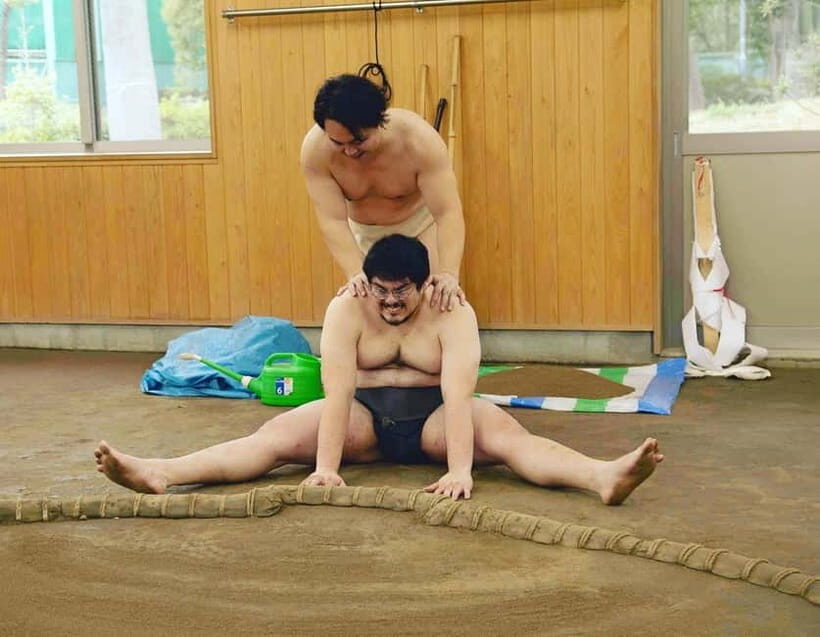
- You train in the real ring (dohyo), not a studio imitation.
- You wear a real mawashi and learn how it fits into the training.
- English and Japanese coaching keeps the rituals and rules understandable.
- Shinto sumo rituals are part of the class, not just a quick intro.
- You finish with actual sparring/matches with your group (and sometimes the coach).
- Bring towels and water because you will get soaked in sweat.
What Makes This Tokyo Sumo Experience Different From a Quick Sumo Show
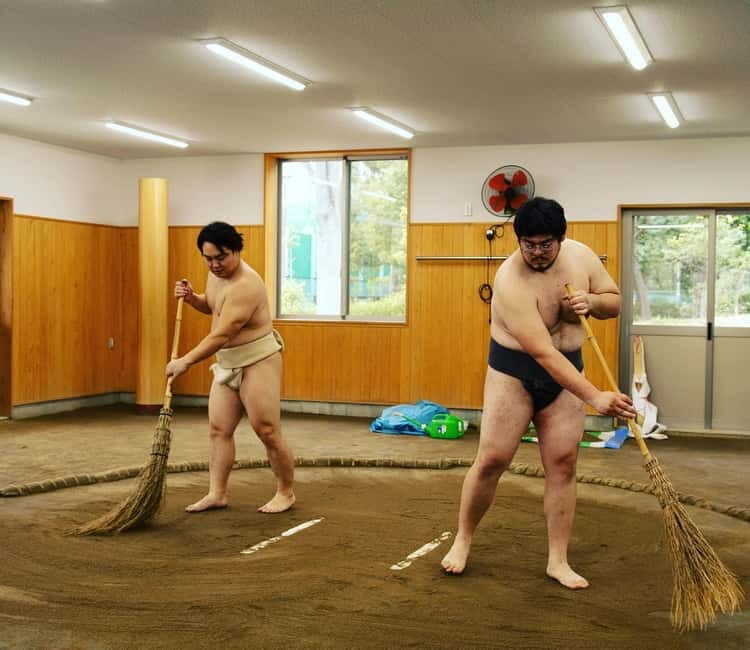
A lot of sumo experiences in Tokyo are basically sightseeing plus a short demo. This one is different because you show up and do the work. You’ll follow a coach through warm-ups, stretching, and training fundamentals in the ring itself, using the actual dohyo clay surface and the mawashi belt.
That matters for two reasons. First, sumo isn’t only about strength, it’s about balance, stance, and timing, so learning in the ring helps your body understand what the rules mean. Second, the ritual side makes more sense when you’re physically participating instead of standing on the sidelines watching other people perform.
You can also read our reviews of more tours and experiences in Tokyo.



Where to Meet: Heiwanomori Park Sumo-jo Near Heiwajima Station
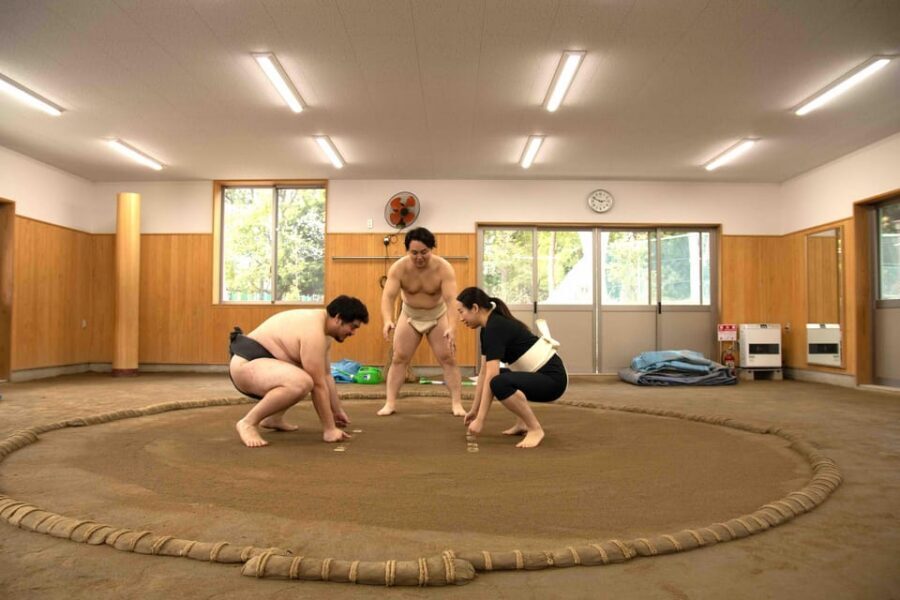
You’ll meet at Heiwanomori Park Sumo-jo, 2-1 Heiwanomorikoen, Ota City, Tokyo, 143-0005, with a small office on site for check-in. It’s about a 10-minute walk from Heiwajima Station on the Keikyu Main Line.
If you’re using maps on foot, use the walking directions provided for an easy route that avoids getting turned around. If you’re thinking taxi, note the practical limitation: taxis won’t automatically pull up to this location unless you arrange one yourself.
The 2-Hour Keiko Flow: Stretches, Warm-Ups, Rules, and Dohyo Basics
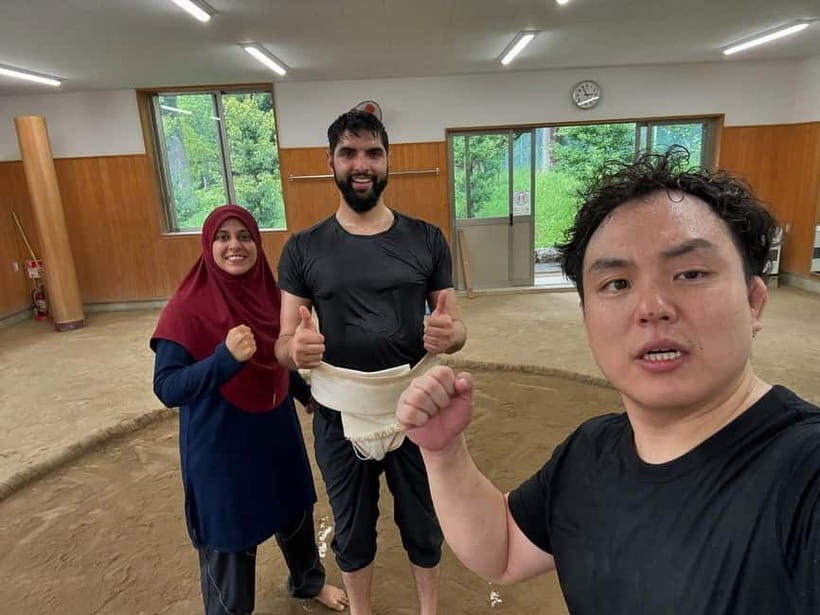
The session runs about two hours, and the teaching follows the logic of real training: prepare the body, learn the movement ideas, then apply them. You start with stretches and warm-ups, which are not filler. In sumo, getting your range and balance right is what keeps you safe and helps your stance feel stable on the clay.
From there, you’ll learn core fundamentals, including how the ring (dohyo) and the rules connect to how you move. The coach explains the wrestling approach using a mawashi (sumo belt), so you understand what you’re doing and why. No experience is required, and you can wear clothes if you prefer not to change right away before the session begins.
Mawashi and Wrestling Gear: You Don’t Need to Bring Anything
One of the easiest things about this experience is that you don’t have to hunt down equipment. If you don’t have your own gear, they provide your mawashi at no extra cost.
What you should bring is simple and practical: a towel and drinks. Even if you think you’ll stay dry, plan for the reality of training in a hot, active setting. I strongly suggest bringing more water than you think you need, plus two towels: one for sumo sweat and one for after, since there’s a shower room nearby.
Shinto Rituals: Why They Matter (Even If You Just Came for Sumo)
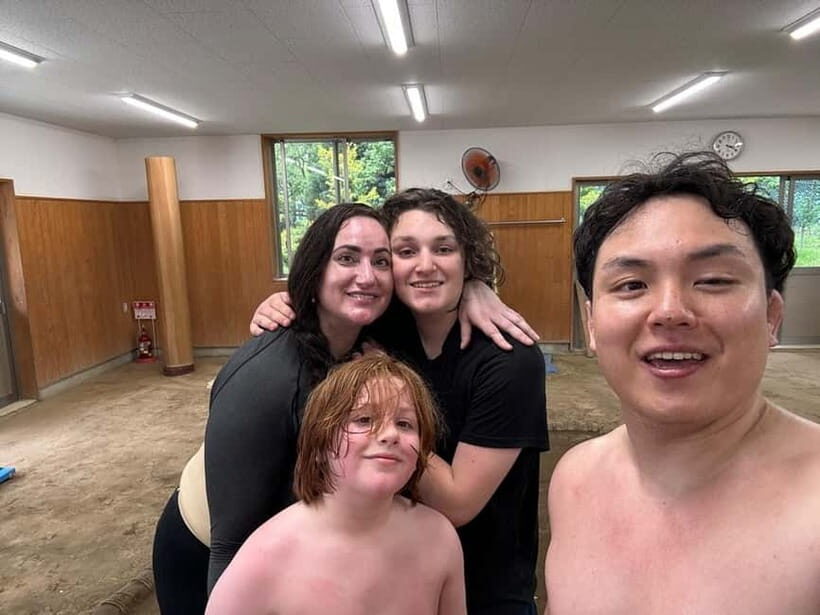
This is not just about grappling. You also get to experience traditional sumo and Shinto rituals as part of the class. The coach leads you through the meaning and purpose behind the rituals while you’re learning the fundamentals.
For me, this is where the activity becomes more than exercise. Sumo is tied to ceremony, and the rituals help explain the mental side of the sport: respect, timing, and focus. When you do the routine rather than watch it, you can feel how it resets your body for wrestling.






Your First Real Match: Training Ends With Sparring in the Ring
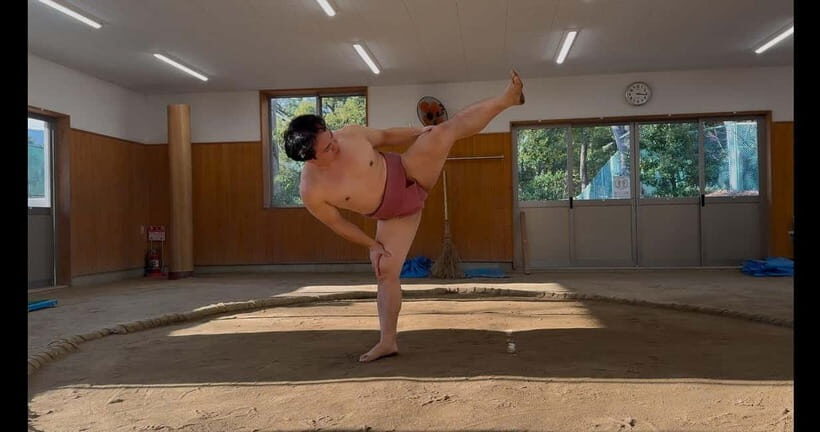
By the end of the training, you’ll be able to wrestle with your friends, and the class format is built to let you work at a level that makes sense for you. If you’re feeling brave, you may also wrestle with the coach.
What I like here is that it turns the whole session into something you can remember. There’s a huge difference between learning stances and actually testing them while someone presses back. The clay ring and the mawashi make it real, and once you’re in the dohyo, you quickly understand why sumo technique is about controlling space, not just raw power.
Sweating, Showering, and What to Wear
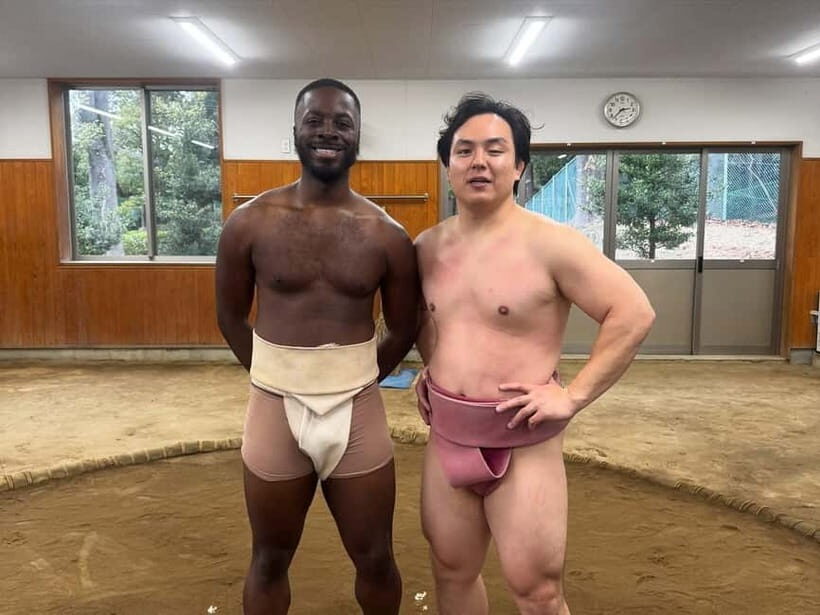
Training means sweat, and this dojo setup is geared for that. Bring drinks and at least one towel, but plan on two. You’ll likely want the second towel mainly for showering.
There’s a shower room near the place, and it costs ¥100 for 5 minutes. That short window is actually good to know in advance, because it keeps the logistics simple: you clean up quickly and get back on with your Tokyo day.
On clothing, you have options. The session is flexible about what you wear before training, but once the workout begins, the main point is that you’ll be doing warm-ups and ring work suited to the session style.
Price and Value: Is $199 Worth It?
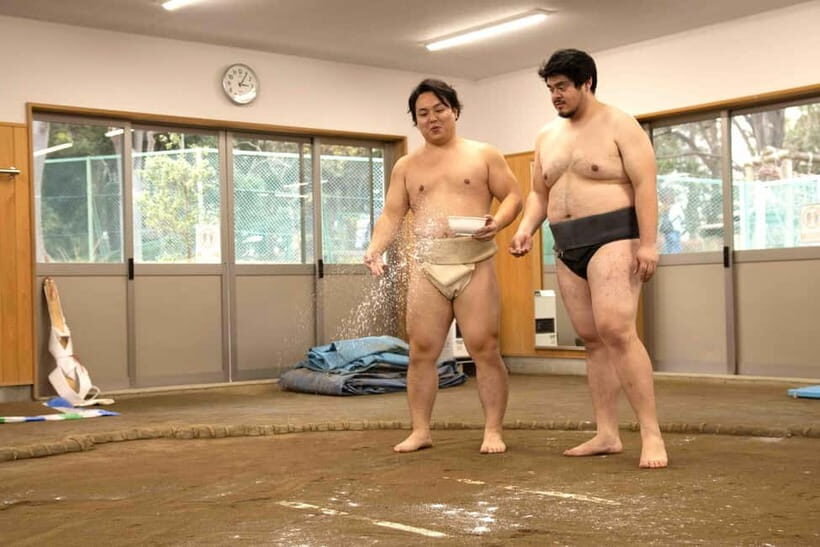
At $199 per person for a two-hour experience, you’re paying for something more than entry to a show. You’re paying for access to the real dohyo, a provided mawashi, and coached keiko instruction in both English and Japanese.
You’re also paying for the part most sumo visitors don’t get: actually wrestling in the ring. That’s the value driver. If you want a memorable souvenir photo, there are easier options around Tokyo. If you want a skill-based activity that teaches you something you can’t learn from watching TV, the cost starts to make sense.
Best Fit: Who This Suits in Real Life
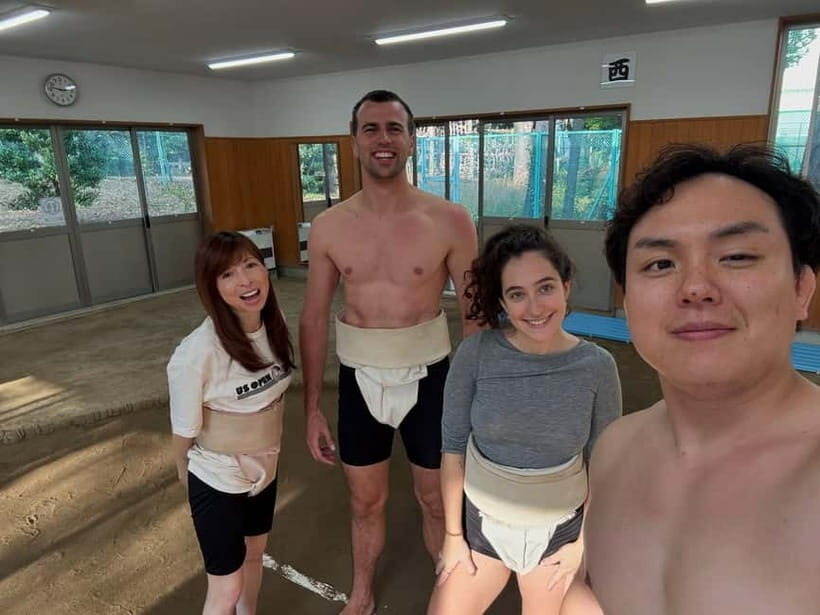
This works well for a wide range of people because you don’t need previous sumo experience. Fitness level matters less than willingness to participate, move, and follow coaching cues.
It’s also a strong pick for families. In the provided feedback, parents liked that the session is understandable for kids who want to try, and it’s structured with clear participation rules. If you’re bringing teenagers, it’s a great hands-on alternative to another museum stop.
If you have injuries, the course includes a standard safety note that they are not responsible for injuries or accidents. That means you should be honest about your physical limits before you book.
Children’s Participation Rules (Clear and Important)
If you’re traveling with kids, here’s the rule set you need. Children under 4 years old can accompany you, but they may only observe. For kids 5 and older, observation is complimentary.
If your child wants to participate, you’ll need to place an order for each child who will take part. This matters because it affects your planning, especially if you’re aiming for a group with mixed ages.
Photos and Video Etiquette in the Dohyo
You can take photographs and videos, and you’re encouraged to share them on social media. Just follow the rules so you don’t disrupt other participants.
They ask you not to film in a way that interferes with the experience, and not to record participants who haven’t given permission. Also, don’t film anyone who is not allowed to be recorded per the guidelines from the team.
In other words: shoot, but keep your phone from turning into a distraction device. During training, it’s easy to get in the way, so keep filming quick and out of the active space.
Coach Takeshi and the English-Japanese Teaching Style
A major reason people rate this experience highly is the way the coaching is delivered. The session is guided by a Japanese sumo coach who teaches in both Japanese and English, so you can understand what you’re doing and what matters in the ring.
In the feedback, the coach is singled out for being warm, easy to work with, and good at explaining both technique and tradition. That combination is a big deal: sumo rituals are unfamiliar if you don’t know the context, and technique is hard if you can’t understand the cues.
Should You Book This Tokyo Sumo Training Session?
Book it if you want more than watching. You’ll get real mawashi, a training session in the real dohyo, Shinto and sumo rituals, and you’ll end with sparring rather than a quick demo.
Don’t book it if you’re looking for a low-effort activity. This is workout time, and you’ll sweat. If you show up expecting a gentle cultural walk, you’ll likely be surprised by how physical the training feels.
FAQ
Do I need sumo experience to join?
No experience is needed. The session teaches fundamentals from the start, including stretches, warm-ups, rituals, and ring rules.
Do I get to wear a real sumo belt?
Yes. If you don’t have your own gear, they provide your mawashi (sumo belt) at no extra cost.
What gear should I bring?
Bring a towel and drinks. It’s also recommended to bring extra water and two towels, since you will sweat and there is a shower room nearby.
Can kids participate?
Children under 4 may accompany you but can only observe. Kids 5 and older can observe for free. If a child wants to participate, you need to order a spot for that child.
Where is the meeting point?
The meeting point is Heiwanomori Park Sumo-jo, 2-1 Heiwanomorikoen, Ota City, Tokyo, 143-0005. There is a small office at the address for meeting and check-in.
How long is the experience?
The duration is about 2 hours. You’ll be able to check available starting times when booking.
What languages are offered?
Instruction is available in English and Japanese.
Are photos and videos allowed?
Yes, you may take photos and videos to share on social media, as long as you don’t interfere with the experience and you follow permission rules for participants.
Is there a shower?
Yes. A shower room is available nearby and costs ¥100 for 5 minutes.
Can I cancel or reschedule?
You can cancel up to 24 hours in advance for a full refund, and you can also reserve now and pay later to keep plans flexible.