REVIEW · TOKYO
Tokyo: Tea Ceremony Experience in a small tea room
Book on GetYourGuide →Operated by Travel Japan Together · Bookable on GetYourGuide
Tea calm beats Tokyo noise. In a small tea room near the Kamogawa Delta, this Tokyo experience gives you a real Japanese tea ceremony instead of a quick demo. I love how the session stays quiet and welcoming while you’re learning the art up close, guided by Mari, a teacher with long experience.
The other thing I really like is that you don’t just watch—you can make your own matcha. You’ll learn the whisking and the careful movements that match the mindset behind tea, and you can even practice elements like folding the tea towel until it feels natural. One possible drawback: the location is in a residential area and can be tricky to find, and the room may involve narrow stairs.
You’ll meet at Senraku-an about 10 minutes before start time, and the whole session is about an hour in English with a small group (up to 6). It’s a simple plan: arrive, learn, make tea, and leave feeling like you’ve stepped out of the city for a bit.
In This Review
- Key highlights to know before you go
- Why this Tokyo tea ceremony feels small and personal
- Meet Mari at Senraku-an, then settle in for 1 hour
- Hands-on matcha prep: whisking, precise movements, and your own cup
- Traditional dried sweets and the tea-room rhythm
- Where you are: Kamogawa Delta, Yanaka, and Nezu Shrine area
- Price vs value: $51 for lesson, tea, and a small-group guide
- Kimono option and who this experience suits best
- Potential snag: finding the room and handling narrow stairs
- Should you book this Tokyo tea ceremony?
- FAQ
- What is the duration of the Tokyo tea ceremony?
- Where do I meet for the experience?
- Is the tea ceremony taught in English?
- How many people are in the group?
- What’s included in the price?
- Is transportation included?
- Can I request a kimono?
Key highlights to know before you go
- Meet Mari, an English-speaking tea teacher with 20 years of expertise
- Hands-on matcha preparation with guidance you can actually follow
- Small group size (max 6), so you get questions answered calmly
- Ceremony setting near Kamogawa Delta with peaceful riverside surroundings
- Traditional dried sweets included alongside the tea
- Optional kimono request if you want the full look (not included by default)
Why this Tokyo tea ceremony feels small and personal
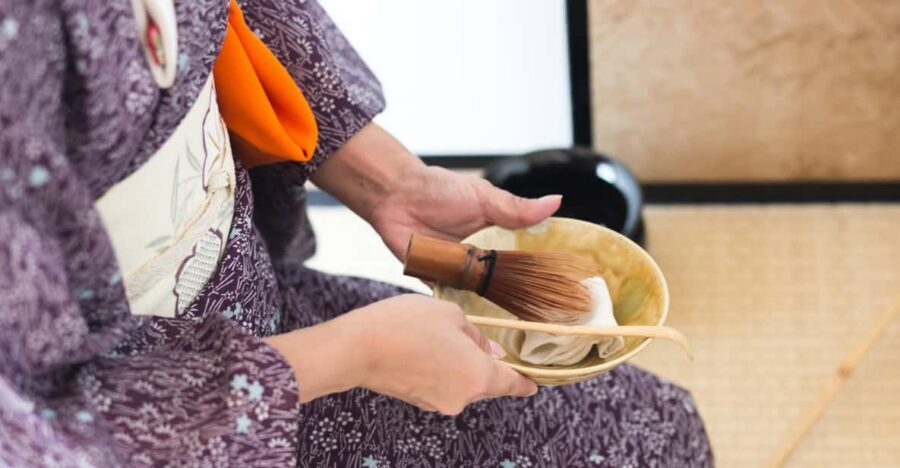
Tokyo can be loud. Even when you’re having a great day, your senses stay switched on. This tea ceremony offers a different pace. It’s held in a small tea room, with a quiet atmosphere that helps you slow down without trying too hard.
A small group matters here. With a limit of up to 6 participants, the teacher can correct your whisking, answer your questions, and guide you through the rhythm of the ceremony without rushing you. That’s a big deal if you’re a beginner. You won’t feel like you’re interrupting a class that’s moving too fast.
And then there’s the human touch. The experience is taught by Mari, and several people highlight that she’s patient and gives clear explanations. In a tradition where tiny hand movements matter, having a teacher who can coach you step-by-step is where the value really shows.
You can also read our reviews of more tours and experiences in Tokyo.



Meet Mari at Senraku-an, then settle in for 1 hour
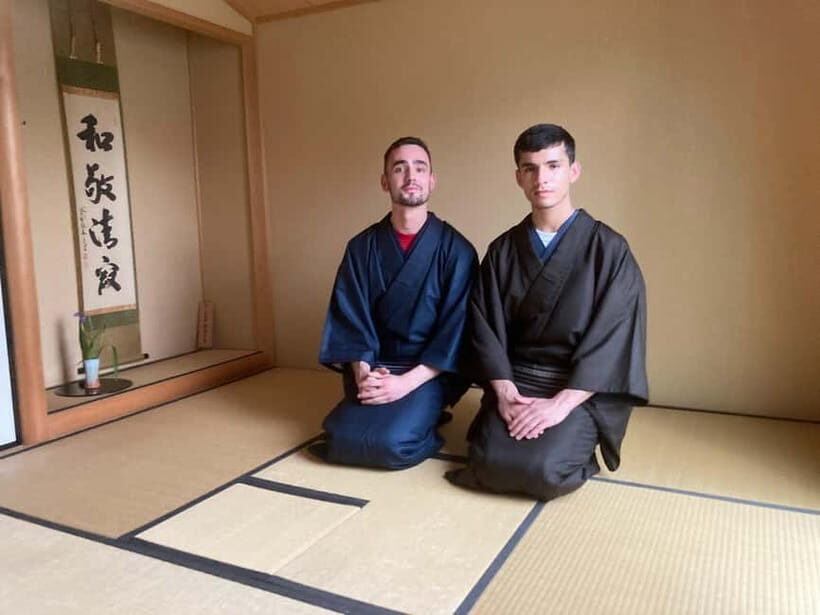
Plan to show up early. You’ll meet at Senraku-an roughly 10 minutes before the experience begins. That small buffer helps you settle in, not scramble.
The session is 1 hour total. For many people, that’s the sweet spot: long enough to learn matcha preparation and understand the ideas behind tea, but not so long that it becomes a stamina test in the middle of a Tokyo itinerary.
The instructor is English, which makes a huge difference. Tea ceremonies are full of details—names, movements, etiquette. When you understand the meaning while you practice, the experience sticks with you long after you’ve left the room.
Also, the group is designed to be welcoming even if you’ve never done tea ceremony before. You can go in with zero background, and you’ll still come out knowing what you did and why it matters.
Hands-on matcha prep: whisking, precise movements, and your own cup
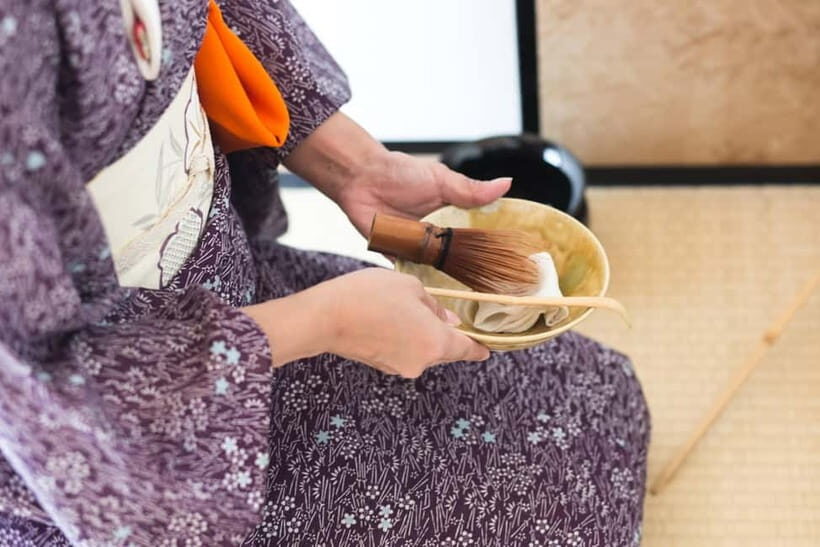
Here’s the core of the experience: you can prepare matcha yourself. That turns this from a museum-style watching experience into something you remember with your hands.
You’ll be guided through the steps of matcha making, including whisking the powdered tea and the careful, precise movements that reflect harmony and mindfulness. It’s not about doing it perfectly. It’s about learning the logic and the feel.
One practical bonus: Mari also helps people practice parts of the ceremony. In particular, she’ll guide you through folding the tea towel so you can repeat it on your own. That kind of hands-on coaching is exactly what beginners need. You leave with skills you can actually use if you want to try again later.
And even if you’re just there for the culture, this part pays off. Matcha preparation is physical and repetitive in a good way. It gives your brain something calm to focus on while you learn the cultural values wrapped around the process—purity, hospitality, harmony, and a sense of thoughtful attention.
Traditional dried sweets and the tea-room rhythm
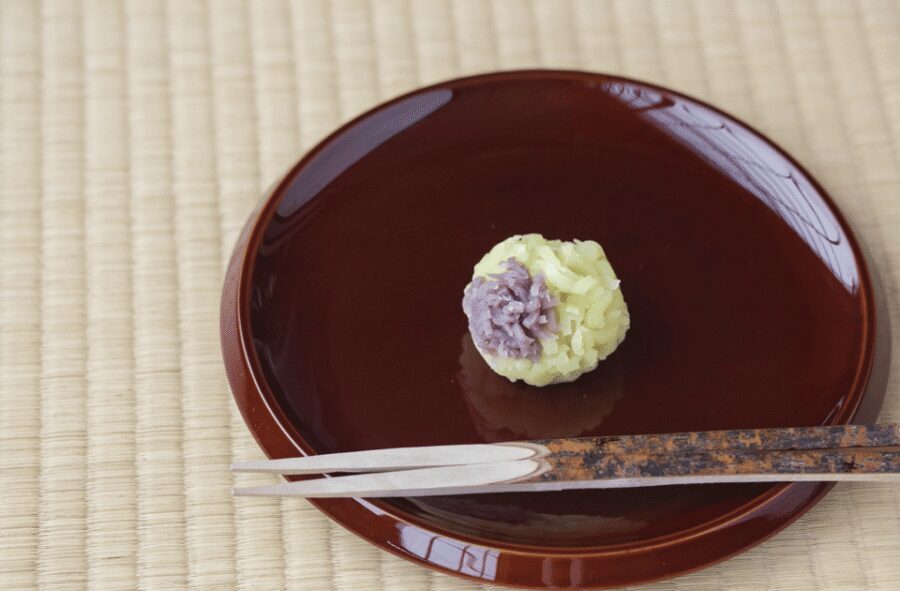
The session includes traditional dried sweets with the tea. That matters because in a proper tea ceremony, it’s not only about drinking matcha. It’s about the sequence and the pacing—how you move through the experience.
You’ll be guided through the ceremony in a way that feels structured, not chaotic. Even if your Japanese etiquette skills are limited, the teacher’s role is to make it understandable and comfortable. The goal is that you feel at ease in what can otherwise look intimidating to outsiders.
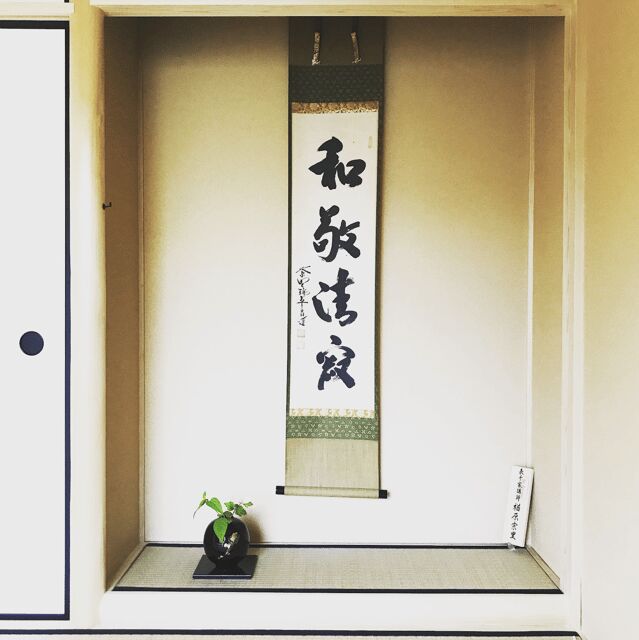
This is also where the setting does its job. Near Tokyo’s Kamogawa Delta and close to Yanaka and Nezu Shrine, the environment around the tea room helps you shift gears. You’re not just learning tea ceremony rules. You’re experiencing why people associate tea with calm.
Think of it like a mini reset. You step in, learn the ritual, taste the sweets and matcha, and then you step back out into the city with your head a little clearer.
Where you are: Kamogawa Delta, Yanaka, and Nezu Shrine area
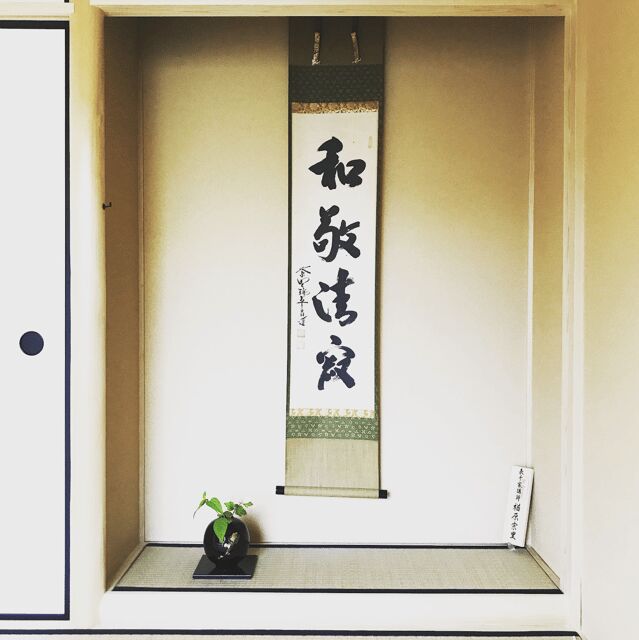
Location can make or break a city activity. This one is about a 7-minute walk from Nishi-Nippori station, and that’s a big plus for planning. It’s close enough that you can handle it without complicated transit calculations.
The area is also scenic. People enjoy the riverside scenery around the Kamogawa Delta, and the tea room is very close to Yanaka and Nezu Shrine. That’s useful if you want to pair the ceremony with a calm neighborhood walk. You’ll be in a more local-feeling part of Tokyo, not in an attraction-only zone.
Still, there’s a caveat. Because it’s a small, local setting in a residential area, the exact room location may be harder for taxis to pinpoint. If you’re arriving by taxi, it’s worth being ready for a little extra effort.
The good news is: once you’re there, the tea room itself is the point. It’s meant to feel like a quiet pocket, not a rush-through stop.






Price vs value: $51 for lesson, tea, and a small-group guide
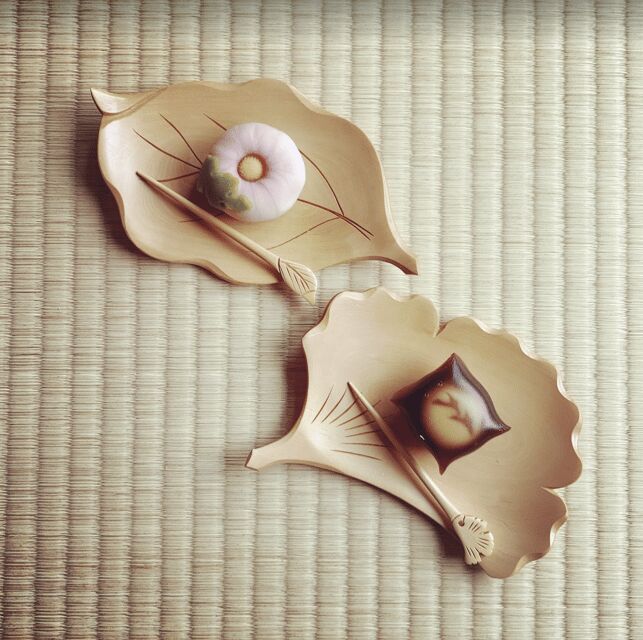
At $51 per person for 1 hour, the value comes from what’s actually included and how the session is taught.
You’re not paying for a passive show. You get:
- guidance from Mari (English instruction)
- matcha you make (and experience)
- traditional dried sweets
- the lesson itself
Small groups change the pricing math. A max group size of 6 means more attention per person. If you’ve ever tried to do something hands-on in a crowded group, you know the difference. Here, you have a better shot at real practice rather than watching from the sidelines.
Could it cost more elsewhere for private tea? Possibly. But for Tokyo, this offers a direct, practical experience that includes the material part (making the matcha) and the teaching part (understanding what you’re doing).
If you care about learning a craft rather than taking photos, this is the kind of activity that tends to feel worth the money.
Kimono option and who this experience suits best
Kimono is not included by default. However, you can request it, and people say the dressing can be arranged for a reasonable upcharge. If you like the look and want the full traditional vibe, it’s a nice add-on.
This experience also seems to suit:
- couples, because it’s calm and focused
- families, since the teacher can be patient and supportive for children
- beginners, because the session is designed to be welcoming
If you’re traveling with kids, the “teacher coaches you” element becomes even more valuable. Kids often need guidance that’s simple and encouraging, and Mari’s style comes across as patient and adaptable.
One thing to keep in mind: the kimono experience might add a layer of comfort planning. If the room involves stairs (more on that next), you’ll want to consider what’s easiest for your group.
Potential snag: finding the room and handling narrow stairs
Let’s be honest. The experience is in a residential setting, which is part of its charm—but it can be a small logistical headache.
One concern people raised is that the location can be tricky for taxis to locate. Another is physical access. The room used may be up two flights of narrow stairs, which could be challenging for anyone with limited mobility, or anyone traveling with heavy bags, or anyone who just doesn’t want to navigate stairs while they’re dressed for a calm cultural activity.
My advice: treat this like a walk-to-the-door type of plan. If you can, head there from Nishi-Nippori station on foot, and arrive a bit early so you’re not stressed.
If you need accessibility support, ask ahead about the exact room access and whether there’s an easier way in. That’s the sort of question that makes the difference between a relaxing ceremony and a stressful start.
Should you book this Tokyo tea ceremony?
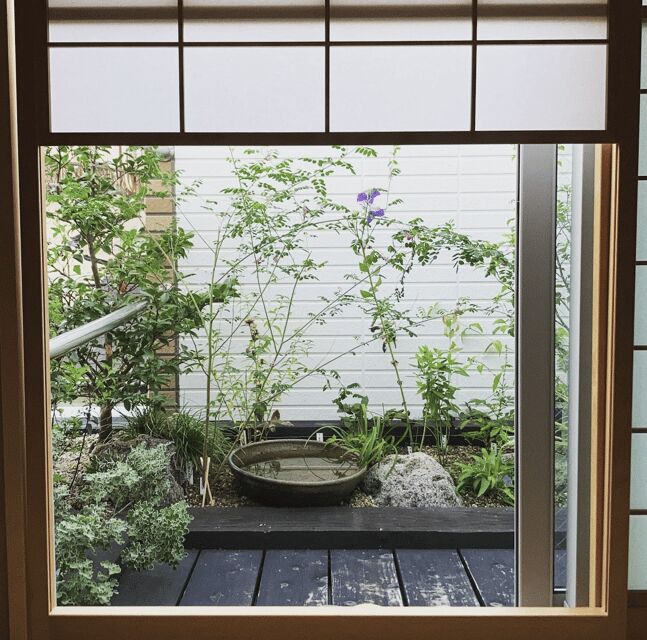
If your Tokyo trip has room for one calm, hands-on cultural activity, I think this one is a strong pick. Book it if you want:
- matcha practice, not just observation
- an English-speaking teacher
- a small group experience
- a chance to slow down near Kamogawa Delta and the Yanaka / Nezu Shrine area
Skip (or at least ask questions before booking) if:
- stairs are a problem for you or your group
- you prefer a location that’s easy to drop-and-go by taxi
- you want something longer than 1 hour
For most people, though, the “teach, guide, make” formula is the win. You’ll leave knowing how matcha is prepared, what the movements mean, and how hospitality looks when it’s practiced slowly.
FAQ
What is the duration of the Tokyo tea ceremony?
It lasts 1 hour.
Where do I meet for the experience?
You meet at Senraku-an, about 10 minutes before the start time.
Is the tea ceremony taught in English?
Yes. The instructor provides instruction in English.
How many people are in the group?
It’s a small group limited to 6 participants.
What’s included in the price?
The experience includes matcha, traditional dried sweets, and a lesson by the tea ceremony teacher.
Is transportation included?
No. Transportation is not included.
Can I request a kimono?
Kimono is not included by default. If you want one, you can request it.