REVIEW · TOKYO
Tokyo Time Machine Exploring Old School Monzen Nakacho
Book on Viator →Operated by Culinary Backstreets · Bookable on Viator
Tokyo’s old side tastes better on foot. This Monzen-Nakacho tour trades the usual Tokyo highlights for a quieter neighborhood where temples, family shops, and tiny drinking spots shape the day. You’ll get guidance plus translations, and you’ll sample snacks, dinner, and drinks as you go.
Two things I really like: the small group (max 6) keeps the pace friendly and the conversations real, and the itinerary mixes sacred stops with everyday alley life instead of feeling like a checklist. One thing to consider: since alcohol is included and some tastings lean toward sake, this is best if you enjoy that part of Japanese dining culture.
In This Review
- Quick hits on Monzen-Nakacho Tokyo Time Machine
- Why Monzen-Nakacho beats the usual Tokyo route
- Price and logistics: $195, public transit, and a tight 6-hour afternoon
- Stop 1: Tsurugaoka Hachimangu Shrine and the sumo-world details
- Stop 2: Fukagawa Fudodo and the Goma fire ritual contrast
- Stop 3: Tatsumi Shindo alley for Showa-era bar-hopping
- Food and drink included: coffee, snacks, dinner, and the alcohol angle
- Your guides: translation, story-building, and real shop connections
- Value check: why $195 can make sense in Tokyo
- Who should book this Monzen-Nakacho tour (and who might skip it)
- Should you book Tokyo Time Machine Exploring Old School Monzen Nakacho?
- FAQ
- How long is the Monzen-Nakacho tour?
- What time does the tour start, and where does it end?
- What’s included in the price?
- Is transportation provided?
- What are the main stops on the tour?
- Is admission required for the shrine and temple stops?
- Can I cancel for a full refund?
- How big is the group?
Quick hits on Monzen-Nakacho Tokyo Time Machine
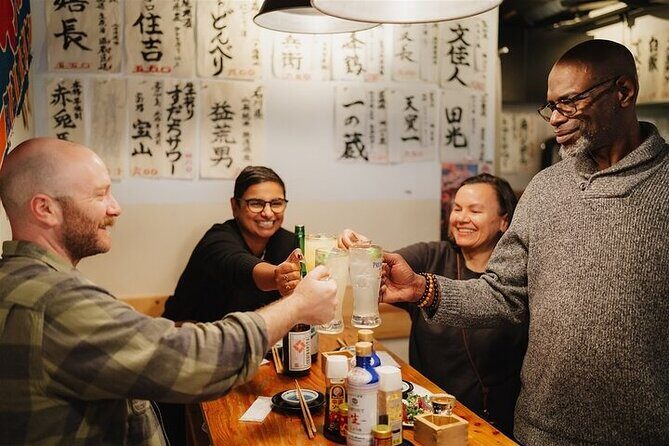
- Small group format (up to 6) for a more personal walk through this Koto City neighborhood
- Guide translation so you can actually talk to people and understand what you’re seeing
- Coffee/tea, snacks, dinner, and alcohol included, so you eat your way through the streets
- Three major vibe shifts: shrine energy, temple ritual sights, then Showa-era bar-hopping
- Tsurugaoka Hachimangu + sumo connection via the yokozuna stele, plus lively market days
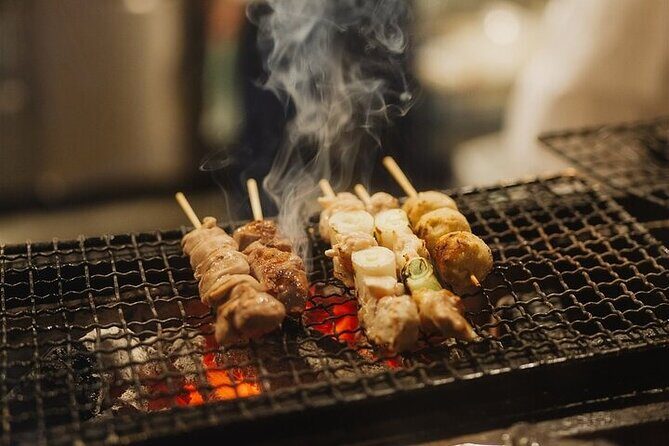
- Tatsumi Shindo alley with about 30 tiny bars, perfect for yakitori and late-night mood (even in the afternoon)
Why Monzen-Nakacho beats the usual Tokyo route
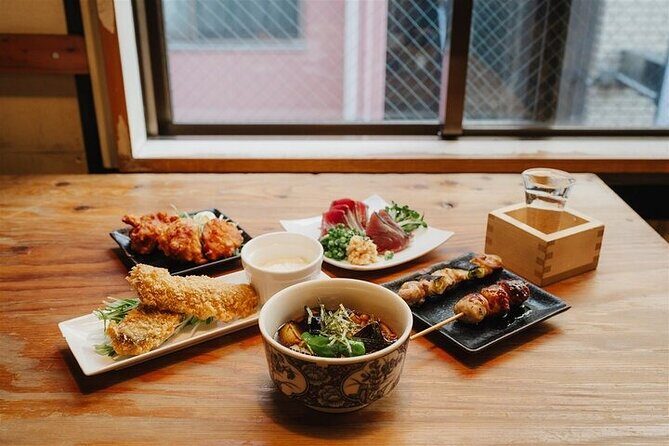
If you’ve already done the big-ticket districts, you know the feeling: impressive, sure, but a little far from daily life. Monzen-Nakacho gives you the Tokyo that locals move through—older storefronts, religious landmarks that still matter, and side streets where the evening is already brewing.
What makes this feel like a proper Tokyo experience is the mix of old and everyday. You start with major spiritual sites, then you transition to the practical rhythm of eating and drinking in small places. That contrast is the point: you don’t just learn about Japan in theory—you experience it in the order people actually live it.
This is also a good fit if you like neighborhoods where you can wander without feeling like you’re following a crowd photo route. You’re in Koto City, and the atmosphere is more lived-in than staged.
You can also read our reviews of more tours and experiences in Tokyo.



Price and logistics: $195, public transit, and a tight 6-hour afternoon
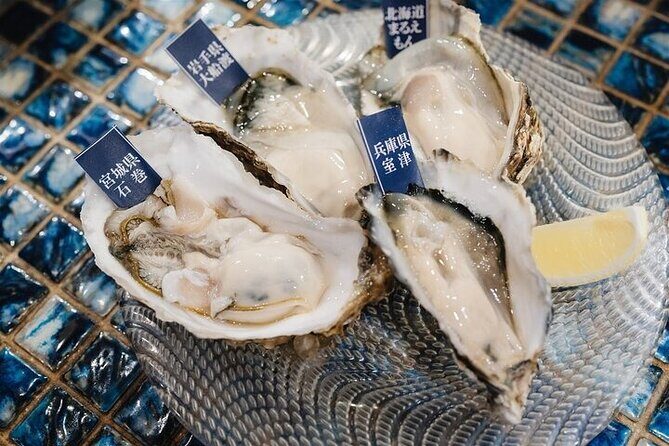
At $195 per person, this isn’t a “cheap eats” sampler. But you should look at what you get for that money. The tour runs about 6 hours, includes multiple tastings (coffee/tea, snacks, dinner, and alcoholic beverages), and has a guide who translates for you. It also keeps things efficient by building the day around fixed stops with free admission tickets listed for the main sights.
Logistics are simple:
- Start at Monzen-nakacho Station (2 Chome-4 Monzennakacho, Koto City, Tokyo 135-0048) at 1:00 pm
- End back at the meeting point
- No private transportation is included, so plan to use public transit like a local
- You’ll have a mobile ticket, so there’s less hassle on the day
- Group size is capped at 6 travelers, which is a big deal in a city that can feel chaotic fast
One practical tip: because the tour is walking-based and runs into dinner timing, wear comfortable shoes and treat this like an afternoon you’re committing to—not something to casually fit between train transfers.
Stop 1: Tsurugaoka Hachimangu Shrine and the sumo-world details
Your first stop is Tsurugaoka Hachimangu Shrine, described as Tokyo’s largest Hachiman shrine, founded in 1627. Even if you’ve seen shrines before, this one has a few layers that help you slow down and notice.
Two things to watch for here:
- The striking red torii that sets the tone immediately
- The connection to sumo history through the yokozuna stele
If you happen to visit on a market day, you may also catch the festive energy that comes with monthly markets held on the 1st, 15th, and 28th. Those dates matter because shrines in Japan aren’t just for looking—they’re part of community life.
The big advantage of starting here is mood. The shrine gives you context for Japanese religious culture early, before you switch gears into food and alley bars. Admission is free, so you’re not juggling ticket logistics while trying to pay attention.
What could be a consideration? If you don’t enjoy shrine grounds or prefer food-first tours, the first hour might feel more formal than you expected. I’d still treat it as part of the story you’ll taste later.
Stop 2: Fukagawa Fudodo and the Goma fire ritual contrast
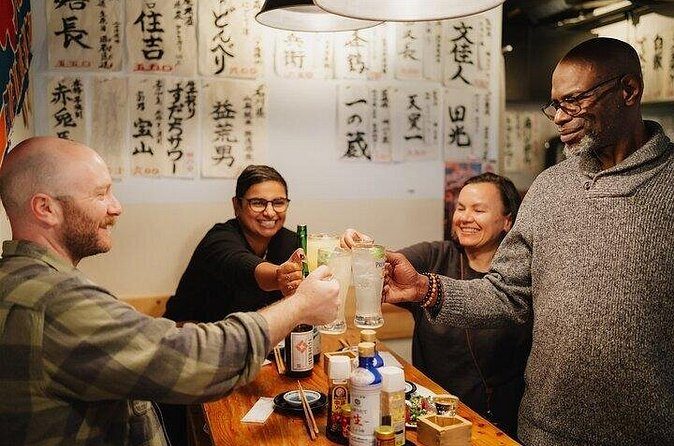
Next you head to Fukagawa Fudodo, a temple that offers a real contrast of old-and-new. It’s known for Goma fire rituals, plus impressive wooden statuary. Even if you’re not fluent in temple symbolism, the visual scale and the ritual focus do the job.
On the approach, look out for the fox inari shrines. That’s the kind of detail that turns a temple walk from background scenery into something memorable you’ll actually talk about later.
This stop matters because it adds a different kind of depth. A shrine often feels about heritage and community identity. A temple ritual stop feels more active—something happening with purpose. The Goma focus is a helpful reminder that Japanese religious practice is not only decorative. It has moments that feel alive.
Admission here is also free, so you can spend your attention on the experience instead of your wallet.
Stop 3: Tatsumi Shindo alley for Showa-era bar-hopping
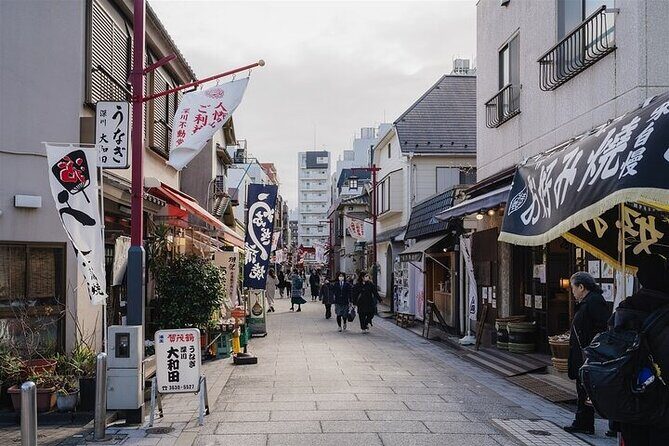
After the temple stop, the tour shifts into a very different Tokyo beat: Tatsumi Shindo. This is a lively alley with around 30 tiny bars, and it’s known for preserving a Showa era atmosphere.
This is where the day becomes about how Tokyo feels after you stop thinking like a tourist. The alley is the kind of place you can’t really replicate with a map search, because part of the charm is the density—lots of small rooms, lots of local choices, and a vibe that builds as you walk.
What you can expect to connect with here (depending on what’s planned for your group):
- late-night style bar energy (even if you’re there earlier in the day)
- yakitori and other everyday comfort foods
- motsu-nikomi
- and options like karaoke, if the evening mood is on the menu that day
Since dinner and alcoholic beverages are included in the tour overall, this is the zone where that inclusion turns from a line item into something you’ll actually notice. This stop feels like the bridge between Tokyo’s spiritual side and its everyday social side.






Food and drink included: coffee, snacks, dinner, and the alcohol angle
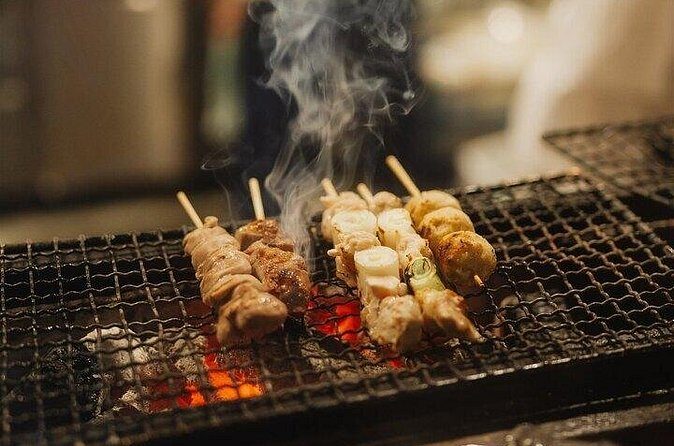
One reason this tour gets such high marks is that you’re not just walking to sights. You’re eating as you go, with tastings designed around local spots.
Included across the experience:
- Coffee and/or tea
- Snacks
- Dinner
- Alcoholic beverages
In practice, the tastings can cover a range of Japanese comfort foods and drink styles. From what I’ve absorbed from the variety of guide-led stops and the kinds of items people describe:
- you might get warming brothy comfort like a clam broth/rice stew
- you might see fruit-forward drinks like plum wine
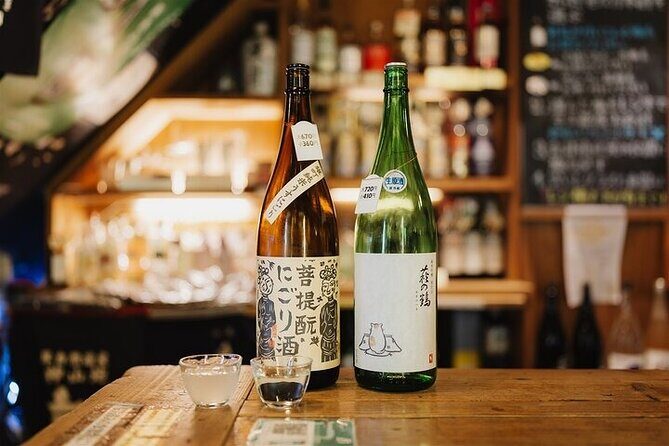
- there can be multiple alcohol styles, including sake, and even notes like wine and gin paired with sweets such as mochi
- the day may include temple-adjacent ritual context that makes food taste even more intentional, not random
Now the consideration: one person wanted the tour to be more food-focused because the sake emphasis felt heavier than expected. So if you’re not a sake fan, keep that in mind. This is not a dry food tour. It’s a food-and-drink neighborhood walk, and alcohol is part of the package.
My advice: treat it like a guided night-out, not a museum snack crawl. You’ll have a better time if you like sampling and letting the guide steer.
Your guides: translation, story-building, and real shop connections
This is where the experience earns its reputation. The tour relies on a guide who translates for you, but the real value is how the guide turns street-level details into something you can understand.
You’ll hear names like Diana, Michelle, China, Chika, Nicole, and Maira associated with standout experiences. Different guides, same theme: they connect you to the people behind the counters and the meaning behind what you’re tasting.
A guide can also do the practical stuff you can’t easily handle on your own:
- explaining what you’re looking at in the shrines and temple approach
- helping you order or communicate during tastings
- giving context so you know why a place matters, not just that it’s old
The small group also helps here. With fewer people, you’re more likely to get personal attention instead of being marched from one photo stop to the next.
One more point: the tour can work for people with limited mobility because the guide has shown flexibility accommodating at least one guest with movement needs. Still, because this is walking-heavy by nature, you should use your judgment and plan your comfort level.
Value check: why $195 can make sense in Tokyo
Tokyo tours often go one of two ways: either you pay for a guide but the food is minimal, or you pay for food but lose time and direction. This one tries to do both right.
Here’s what you’re buying with the $195 price:
- a guided route through three anchor experiences (shrine, temple, alley bars)
- translation so you get meaning, not only motion
- multiple included tastings that would be pricey if you did them solo
- dinner and alcoholic beverages included, which changes the math fast
- free admission listed for the main religious stops
If you’ve tried piecing together a neighborhood food day yourself, you know the costs add up quickly: guided insight isn’t free, and little bars and tiny restaurants often don’t feel beginner-friendly without someone to interpret menus and etiquette.
That said, it’s still a premium activity. If you’re on a strict budget or you don’t drink alcohol, this might not feel like the best use of money. In that case, you’d probably get more satisfaction putting that cash toward a guided ramen meal plus a separate neighborhood wander.
Who should book this Monzen-Nakacho tour (and who might skip it)
This is a strong choice if you:
- want an off-the-beaten-path Tokyo day in Monzen-Nakacho
- enjoy food tours that include dinner and drinks, not just snacks
- like a balanced blend of culture stops and everyday alley life
- appreciate translation support when you don’t speak Japanese
You might skip it if:
- you prefer food-only experiences with no alcohol component
- you dislike sake and don’t want alcohol tastings to be part of the flow
- you don’t enjoy shrine/temple settings and would rather spend the full time eating
Should you book Tokyo Time Machine Exploring Old School Monzen Nakacho?
I’d book it if your goal is to understand real Tokyo through taste and atmosphere. The combination of Tsurugaoka Hachimangu’s sumo-linked details, Fukagawa Fudodo’s Goma ritual focus, and the Tatsumi Shindo alley’s Showa-era bar feel creates a day with emotional variety, not just different locations.
One final decision helper: if you like the idea of a small guided group, and you’re comfortable with the fact that alcohol is included, this tour is a solid value. If sake isn’t your thing, go in with that awareness so you can judge whether the tasting balance sounds right for you.
FAQ
How long is the Monzen-Nakacho tour?
It runs for about 6 hours.
What time does the tour start, and where does it end?
The start time is 1:00 pm, and it ends back at the meeting point.
What’s included in the price?
Coffee and/or tea, snacks, dinner, and alcoholic beverages are included.
Is transportation provided?
No private transportation is included, but the meeting point is near public transportation.
What are the main stops on the tour?
You’ll visit Tsurugaoka Hachimangu Shrine, Fukagawa Fudodo, and Tatsumi Shindo.
Is admission required for the shrine and temple stops?
The listed admission ticket for these major stops is free.
Can I cancel for a full refund?
Yes. You can cancel up to 24 hours in advance for a full refund.
How big is the group?
The tour has a maximum group size of 6 travelers.