REVIEW · TOKYO
Tokyo:Tea ceremony experience at Komaba Warakuan
Book on GetYourGuide →Operated by Japanticket Inc. · Bookable on GetYourGuide
Sipping tea in an old Tokyo school. Komaba Warakuan turns the usual show-and-tell into a real practice setting, with small group attention and a choice of Rich tea or Light tea that changes the feel of the room. I love how beginner-friendly it is, and I love that you’re not just watching—you’re learning the process and sitting in a thoughtfully chosen spot.
One consideration: instruction is Japanese, so if you don’t speak the language, you’ll want to be comfortable following along by listening closely and watching the instructor’s hand movements. Also, the location can be tricky to find, so plan extra time.
In This Review
- Key things to know before you go
- Komaba Warakuan: a tea school, not a tea show
- Rich tea vs Light tea: choose your seat and your mood
- Arrival and the tabi socks moment
- Entering the tea room: what you’ll learn first
- Tea-making tools: Fukusa scissors and the small props
- Traditional sweets and the ceremony pace
- Price and value: is $56 worth it?
- Practical tips: Japanese instruction and finding Komaba Warakuan
- Who should book this tea ceremony?
- Should you book Komaba Warakuan?
- FAQ
- How long is the tea ceremony experience?
- How much does the Komaba Warakuan tea ceremony cost?
- Is the tea ceremony beginner friendly?
- What language is the instructor using?
- How many people are in the group?
- Can I choose between Rich tea and Light tea?
- What is included in the experience fee?
- Are traditional sweets included?
- Is there free cancellation?
Key things to know before you go
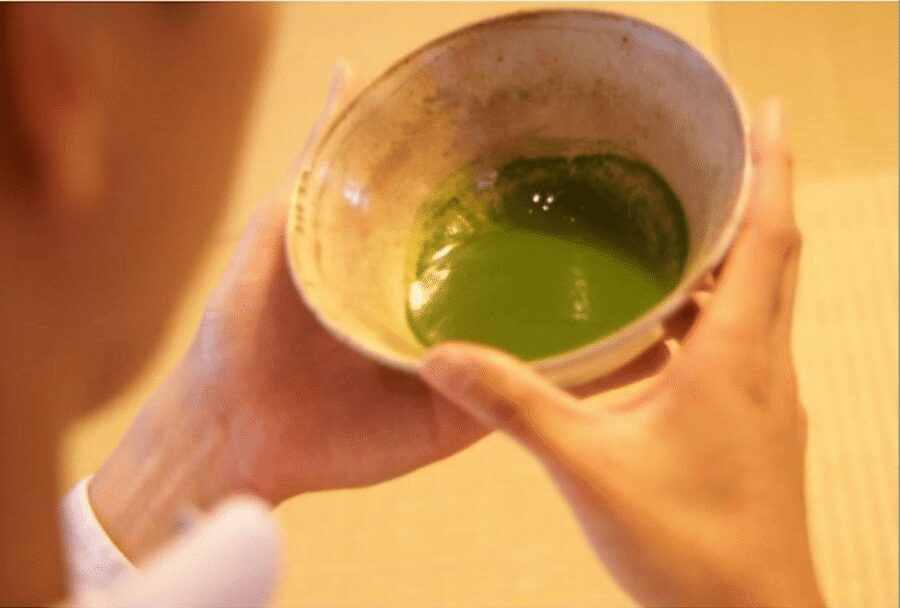
- Rich vs Light seating: quiet facing for Rich tea, brighter, conversation-friendly vibe for Light tea
- School setting: Komaba Warakuan is tied to major tea-teaching lineages and Tokugawa-era instruction
- Hands-on learning: you’ll be taught how to make tea, not only how to observe it
- Small group size: limited to 4 participants, so you’ll actually get attention
- Comfort items included: tabi socks are provided, and tea-making paper tools are also provided
Komaba Warakuan: a tea school, not a tea show
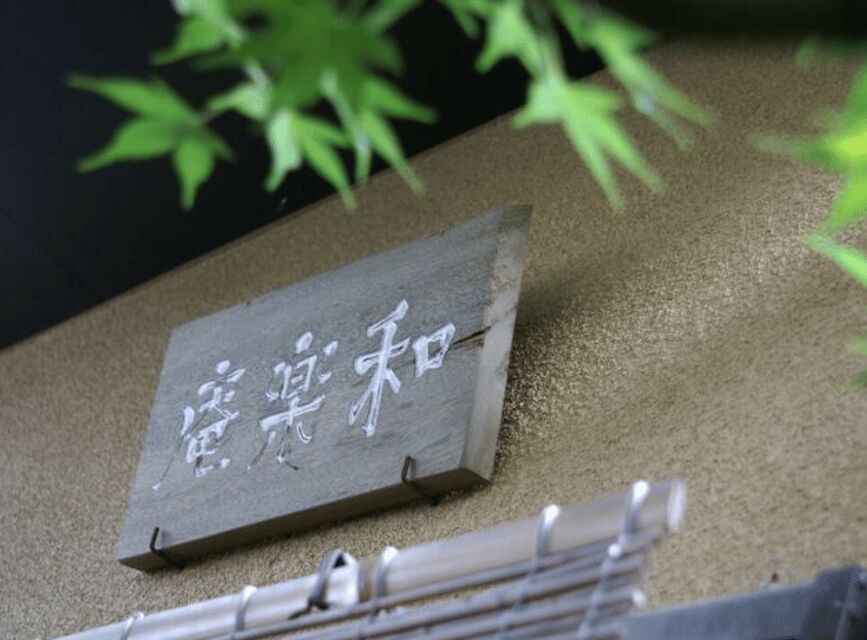
This tea ceremony happens at Komaba Warakuan, which is described as a school with a long teaching tradition. It’s connected to the Kobori Enshu tea tradition and it also served as a tea ceremony instruction setting for the third Tokugawa shogun. That background matters because the atmosphere feels more like training than entertainment.
What I like about a place like this is the tone. Even if you’re brand-new, you can sense that the steps have been practiced for a long time. You’re not just sampling tea culture—you’re learning how it’s taught inside a historical school space.
You’ll also get the kind of ceremony pacing that suits most first-timers. The experience is structured, with time to settle in and learn the flow before you start making anything. And because it’s limited to just 4 people, the instructor can keep things calm instead of rushing through like a conveyor belt.
You can also read our reviews of more tours and experiences in Tokyo.



Rich tea vs Light tea: choose your seat and your mood
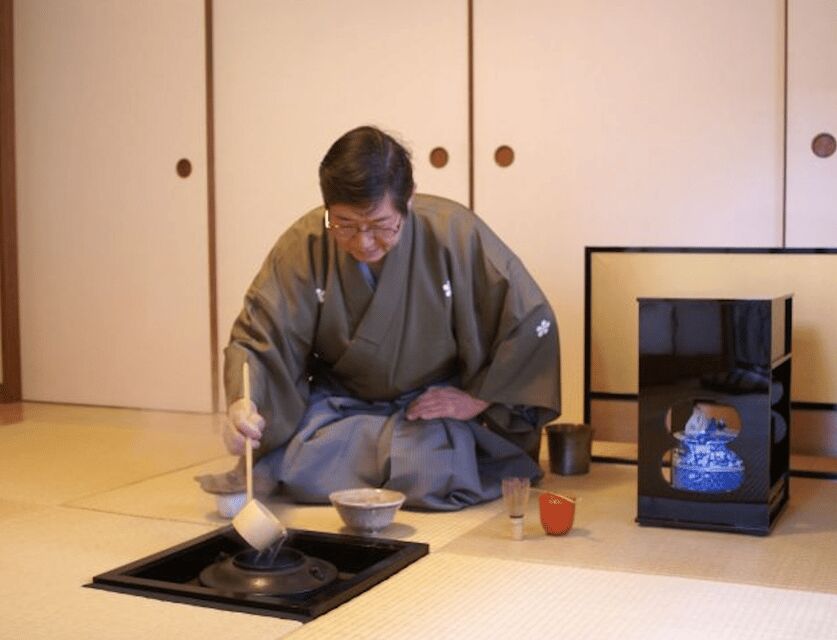
Here’s one of the most practical and fun choices: you can pick between Rich tea and Light tea. The experience isn’t only about the tea itself. It also affects where you sit—and how the room feels.
With Rich tea, you’ll be in a hidden seat. That setup is meant for a quieter, more inward experience where you face the tea calmly. If you like thoughtful, low-noise moments—this is the option.
With Light tea, you’ll sit in what’s described as the seat of the sun. The tone is brighter and more social, with lively conversation. If you enjoy chatting while you learn and you don’t mind a little more energy in the room—Light tea is your better fit.
The smart move is to match the option to your personality. Want serenity? Choose Rich. Want upbeat fun? Choose Light. Either way, you’ll get Japanese tea and traditional sweets as part of the experience.
Arrival and the tabi socks moment
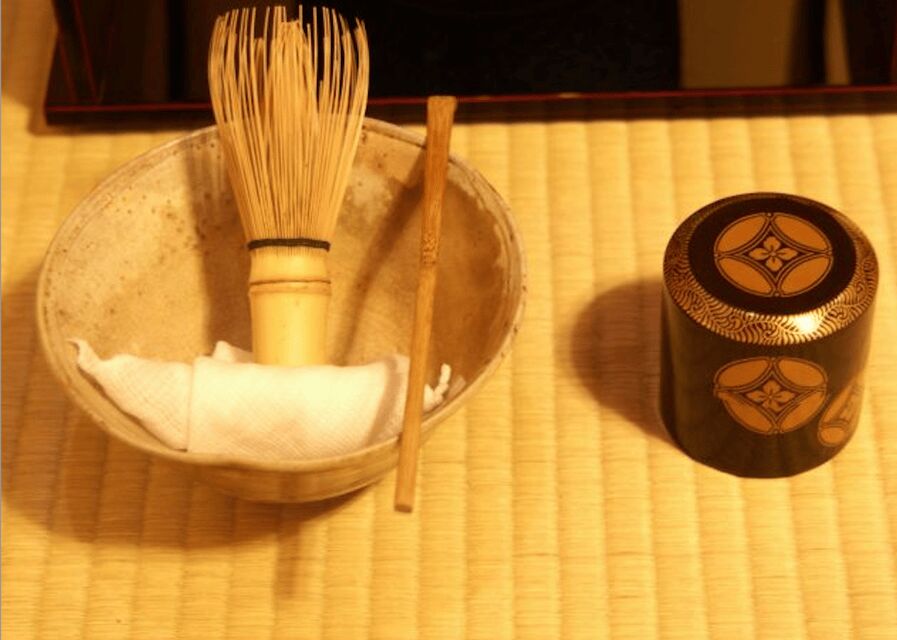
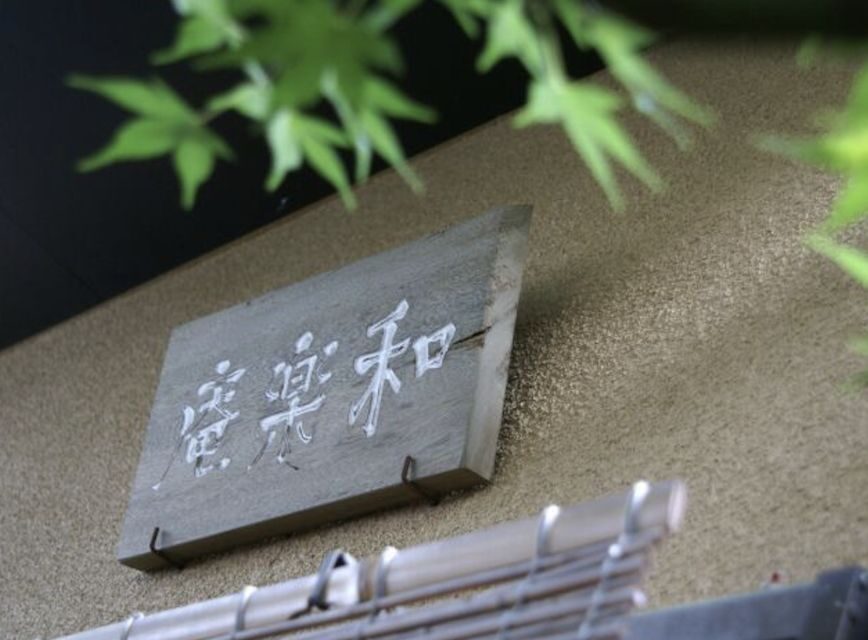
When you arrive, the first thing you’ll do is get an explanation of how the ceremony works. This step is more important than it sounds. Tea ceremonies can feel intimidating if you’re wondering what’s next. Starting with a clear flow helps you relax and focus on the movements.
Then you’ll change into tabi socks right away. Tabi are traditional split-toe socks used in Japanese indoor settings. The experience provides tabi socks, and you’re welcome to bring your own if you prefer.
Next comes the walk to the tea room. You’ll be led through open ground, moving from the arrival area into the space where the ceremony happens. That transition gives you a mini “switch” from street life into ceremony time. It’s also a small reminder that this is taught as a full experience, not just a seated lesson.
Entering the tea room: what you’ll learn first
Before any tea-making begins, the structure sets you up to succeed. You’ll be taught carefully how to make tea, step by step. This is one reason it works even if you’ve never tried a tea ceremony before.
The instructor will guide you through the process using the tools provided. You’ll also learn how the ceremony expects you to handle yourself in the room—how to sit, how to direct your attention, and how to move with the pace the tradition uses.
Two things help here. First, it’s a small group. Second, there’s built-in time for instruction rather than a quick demo. That means you’re more likely to walk away feeling like you actually learned something, not just watched a performance.
Also, the experience is described as beginner friendly. So even if the steps sound technical, you’re not expected to already know the rules.
Tea-making tools: Fukusa scissors and the small props
You’ll use specific items during the lesson, including what’s provided as Fukusa scissors. The name can sound mysterious, but the key point is simple: you’ll be given small paper and folding tools used as part of the ceremony process. You may also receive items like a folding fan and a toothpick as part of what they provide for this stage.
If you already have your own, you can bring it. But the experience provides what you need, which lowers the barrier to entry. This is a good value detail because it means you’re not stuck buying extra gear before you arrive.
What’s worth noticing is how these tools support the feeling of the ceremony. Tea isn’t just taste here. It’s the careful preparation and the handling. The lesson format helps you focus on the sequence, and the provided tools keep you from spending your energy hunting for supplies.






Traditional sweets and the ceremony pace
Every course includes Japanese tea and traditional sweets. That’s an important balance point for many first-timers. A tea ceremony can be calm and slow, and sweets give you something gentle and satisfying while you settle into the timing.
The course choice also shapes the pace socially. In Rich tea, the setup encourages quiet and a more inward mood. In Light tea, the sun-seat setup encourages brighter conversation. Either way, the sweet pairing fits naturally with the lesson atmosphere.
Because the duration is listed as 90 minutes to 2 hours, you’ll have enough time for instruction and practice without it stretching into a half-day commitment. In practical travel terms, it’s a manageable block in a day that’s already packed with Tokyo experiences.
And because the class is small (up to 4 people), the pacing feels more human. You’re not competing for attention, and you’re not forced into performative speed.
Price and value: is $56 worth it?
At $56 per person, you’re paying for a guided, beginner-friendly cultural lesson in a small group inside a specific historical school setting. That price isn’t only for tea. It’s for instruction, the ceremony tools that are provided, and the time the instructor spends teaching you how to make tea.
For value, the key is the class size. Limited to 4 participants means the instructor can focus on how you’re doing. That’s usually where higher-priced experiences earn their keep. A crowded class tends to turn into watching. A small class makes it more likely you’ll actually learn and feel comfortable.
One note: some people felt pricing was high compared with what they expected from the average. So if you’re the type who hunts for the lowest-cost option, you might hesitate. But if you’re looking for a calm, structured, hands-on tea lesson with a unique setting and thoughtful seating choice, the price can feel fair.
The best way to judge value for yourself is to ask one question: do you want a quiet, guided lesson with personal attention, or do you mainly want a quick photo-and-sip stop? This experience leans toward the first.
Practical tips: Japanese instruction and finding Komaba Warakuan
The ceremony is conducted in Japanese, so plan accordingly. If you speak little Japanese, you’ll still be able to follow much of it through observation and the instructor’s demonstration. Still, this is not the kind of activity where you should rely on complex verbal explanations in English.
Another practical issue: finding the place can be a challenge if your directions aren’t very clear. The good news is that you can reduce stress. Give yourself extra time. Double-check the exact meeting spot before you go. If you have access to better photos or more detailed guidance from your booking details, use them.
Also remember the flow begins soon after you arrive. You change into tabi socks right away, then you’ll be led toward the tea room. So don’t show up at the last minute hoping you can figure things out on the fly.
If you’re the kind of traveler who likes to feel prepared, this is a good match. A small time cushion turns a potentially stressful arrival into a calm start.
Who should book this tea ceremony?
I think this experience is best for people who want more than a surface taste of tea culture. It’s beginner friendly, hands-on, and designed for a relaxed learning pace.
It’s also a nice fit for families with older kids. There’s evidence it can work even for teens, since the experience is structured and educational without being overly long.
Choose Rich tea if you want a quiet atmosphere and a more reserved mood. Choose Light tea if you prefer a livelier room and don’t mind more conversation during the ceremony.
Where it may be less ideal is if you need instruction in English or you strongly dislike activities that require attention to etiquette and calm focus. The ceremony expects your participation.
Should you book Komaba Warakuan?
I’d book it if you want a small-group, guided tea lesson with real historical teaching context and a choice that changes the mood of the room. The $56 price can make sense when you consider the instructor time, the hands-on teaching, the provided tools, and the limited group size.
Skip or reconsider if you’re easily thrown by Japanese-only instruction or you hate uncertain locations. But if you’re willing to plan a little and show up ready to learn, this is exactly the kind of Tokyo experience that feels personal, calm, and different from the usual crowd-centered sightseeing.
FAQ
How long is the tea ceremony experience?
The experience lasts 90 minutes to 2 hours. Starting times depend on availability.
How much does the Komaba Warakuan tea ceremony cost?
It costs $56 per person. The price includes tax.
Is the tea ceremony beginner friendly?
Yes. The experience is designed to be beginner friendly.
What language is the instructor using?
The instructor is Japanese, and the experience language is Japanese.
How many people are in the group?
It is a small group limited to 4 participants.
Can I choose between Rich tea and Light tea?
Yes. You can choose between Rich tea and Light tea.
What is included in the experience fee?
The experience fee includes the experience cost and tax. The ceremony also includes Japanese tea and traditional sweets as part of the courses.
Are traditional sweets included?
Yes. All three courses are experiences that include Japanese tea and traditional sweets.
Is there free cancellation?
Yes. You can cancel up to 3 days in advance for a full refund.