REVIEW · NAGASAKI
Traditional Kimono Experience in Nagasaki
Book on Viator →Operated by 出島ホッペン · Bookable on Viator
Dejima looks different in kimono. This kimono experience at Dejima Hoppen puts you on Nagasaki’s Dejima Dutch Trading Post ruins, lets you choose from 100+ kimono options, and gets you professionally dressed in about 20 minutes with simple hair styling. I especially love the high-quality kimono selection and the photo spots inside the historic-style spaces, including tatami rooms and the Chief Factor’s Residence. One catch to plan for: the Dejima Museum admission fee is not included, so you may want extra cash if you’ll visit that part of the site.
The shop handles the coordination for you, and the rental gear is genuinely complete: kimono-set items you need for wearing, plus hair styling, zori sandals, and a bag. If the weather turns, you can still do much of your experience indoors, including rainy-day photo time, and they’ll hold your luggage (just keep valuables with you). You also want to build in a return time since you need to come back to Dejima Hoppen Shop by 5 PM.
This works well for groups because it’s private and only your group participates. It’s also flexible for families since kimono sizes are available for children age 3 and up, and children over 15 can join without an adult.
In This Review
- Key highlights before you go
- Entering Dejima Hoppen on an Edo-Period Island
- Choose from 100+ Kimonos and a Size Range That Fits
- Getting Dressed in About 20 Minutes, With Hair and Footwear Included
- Tatami Rooms, a Garden, and Rain-Ready Photo Time
- Walk Dejima After Dressing: How to Use Your Time Well
- Price and Value: What You Pay for Versus What Costs Extra
- Who Should Book This Kimono Rental (and Who Might Skip It)
- Should You Book Dejima Hoppen Kimono Rental?
- FAQ
- Where is the meeting point for Dejima Hoppen?
- How long does the kimono experience take?
- What’s included in the rental price?
- What is not included?
- Can you choose among many kimono designs?
- Are there kimono options for children?
- What size range do they offer for adults?
- What happens if the weather is bad?
- Can you walk around outside after getting dressed?
- Do they store luggage?
Key highlights before you go
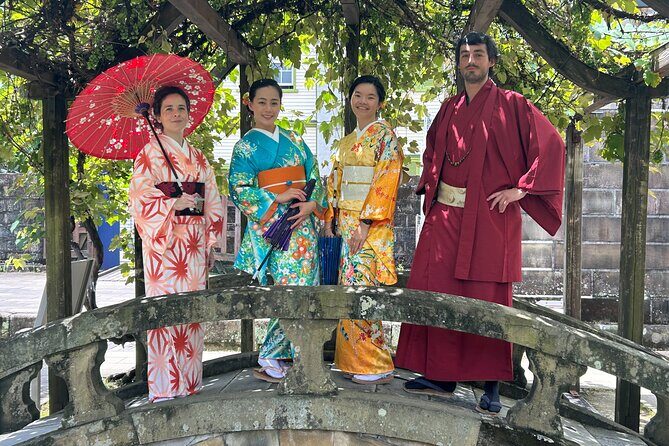
- 100+ kimono choices for men, women, and children (age 3+)
- Real sizing range, with women up to 175 cm (5L) and men up to 190 cm (5L)
- About 20 minutes per person for dressing, plus simple hairstyle
- Indoor photo plan in the Chief Factor’s Residence when it rains or weather is poor
- Included rental essentials: zori sandals, bag, and the kimono-set items
- Luggage storage available, with a clear reminder to keep valuables on you
Entering Dejima Hoppen on an Edo-Period Island
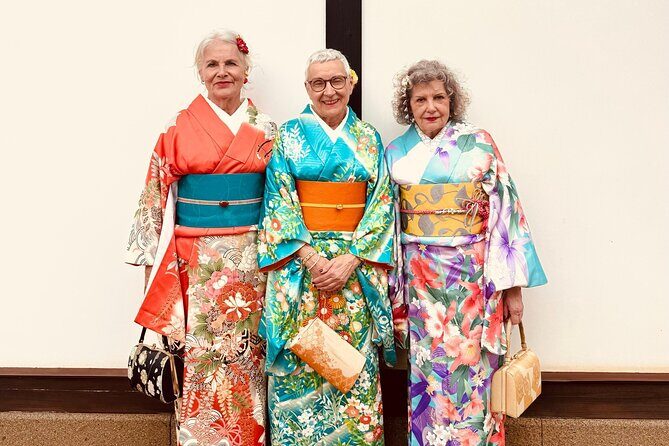
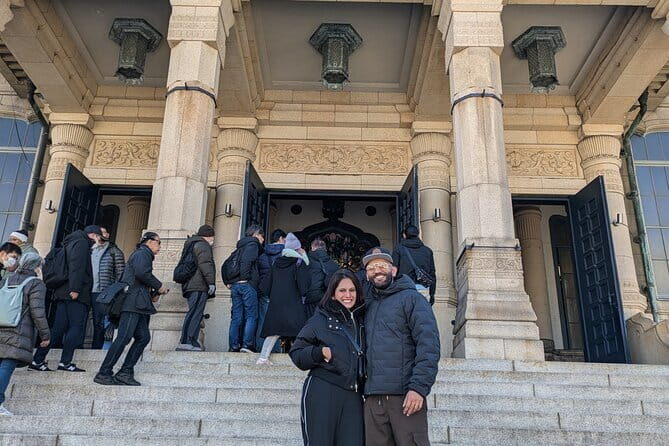
Dejima Hoppen is located inside the Nationally designated historic site Dejima Dutch Trading Post Ruins, on the island of Dejima in Nagasaki. That setting matters because your kimono isn’t just a costume shop moment. It’s a direct start in a place that already feels time-worn and specific to the Edo period.
What I like about this kind of location is the momentum. You step into the shop, choose your kimono, and you’re already walking toward an area where the streets, buildings, and atmosphere line up with the look you’re wearing. Even if you only have a short time, you get a strong “this is why people do kimono” payoff.
You can also read our reviews of more tours and experiences in Nagasaki.
Choose from 100+ Kimonos and a Size Range That Fits
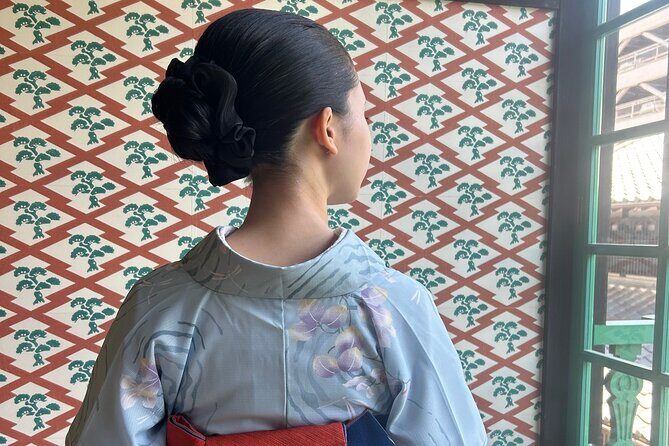
You can pick from more than 100 kimonos, and the shop has styles across men’s, women’s, and children’s options (starting at age 3). That’s a big deal if you’ve ever had a rental place where choices shrink fast once you arrive. Here, the range is explicit, so you can actually spend a moment deciding what pattern fits your day.
Size availability is also spelled out clearly: women up to 175 cm (5L) and men up to 190 cm (5L). That reduces the stress of guessing whether something will work. It also helps you choose with confidence, since the staff will coordinate with you during the process.
Tip: take a little time at the start to choose the kimono pattern you truly want for photos. If you’re aiming to walk outside after dressing, your choice will be part of everything you see for the rest of the two-hour window.
Getting Dressed in About 20 Minutes, With Hair and Footwear Included
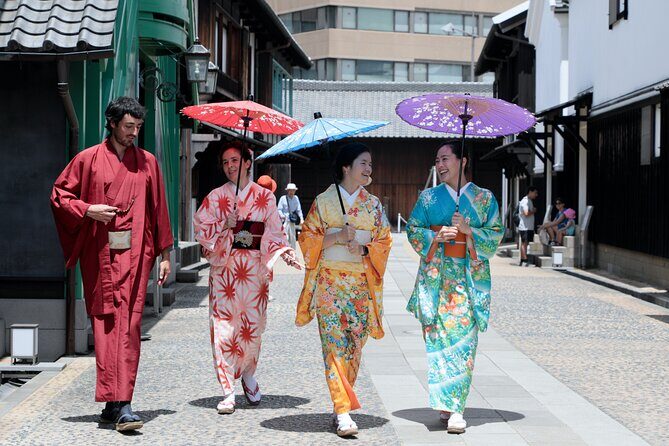
The dressing itself takes about 20 minutes per person, done by a professional dresser. That time matters because it keeps the experience moving. You’re not spending half your day waiting for fabric and pins; you’re getting set up so you can actually use the kimono outside.
Along with dressing, the shop provides simple hairstyle and coordinates the look so you leave ready to walk. The rental also includes zori sandals and a bag, and the kit covers the gears you need to wear the kimono properly. For many visitors, that’s the best kind of convenience: no last-minute shopping for accessories, and fewer items to carry around Nagasaki.
One practical consideration: this is a managed experience, so you’ll be guided through the process rather than left to figure everything out yourself. That’s good for comfort and speed, but it also means you should plan to follow their timing so your photo window doesn’t get squeezed.
Tatami Rooms, a Garden, and Rain-Ready Photo Time
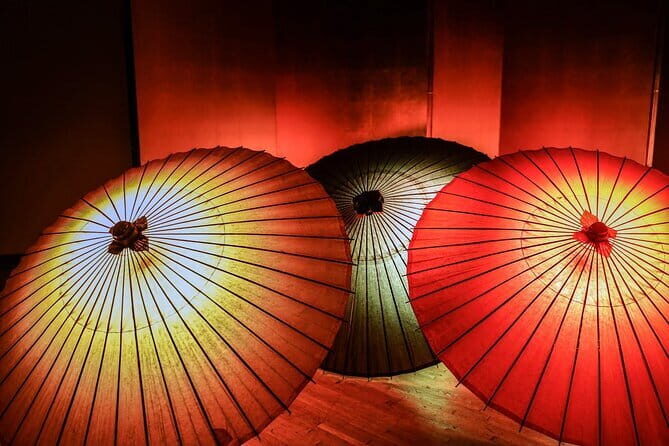
One reason this shop gets consistently strong feedback is the photo setup inside the historic-style spaces. Dejima Hoppen offers Japanese-style tatami mat rooms and a small garden where you can take photos that match the kimono look.
Even better, there’s a Japanese-style room in the adjacent Chief Factor’s Residence designed for photos if it’s raining. The experience notes that this can be done only indoors when weather is not good, so you aren’t left scrambling if the sky doesn’t cooperate.
What to expect when you’re taking photos: the rooms and layout give you multiple angles without needing to hunt across the entire island in bad weather. Also, the included look is “complete,” meaning your hairstyle and accessories are part of the final shot, not something you still need to assemble after the fact.
Luggage note: they’ll hold your luggage while you’re dressed and out. Just remember the warning you’ll be given—keep valuables with you.
Walk Dejima After Dressing: How to Use Your Time Well
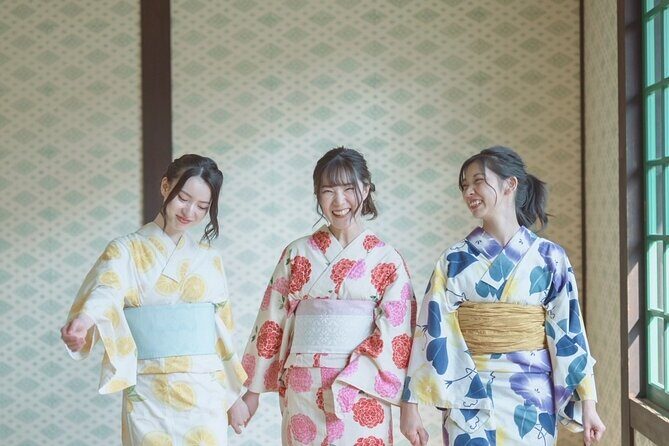
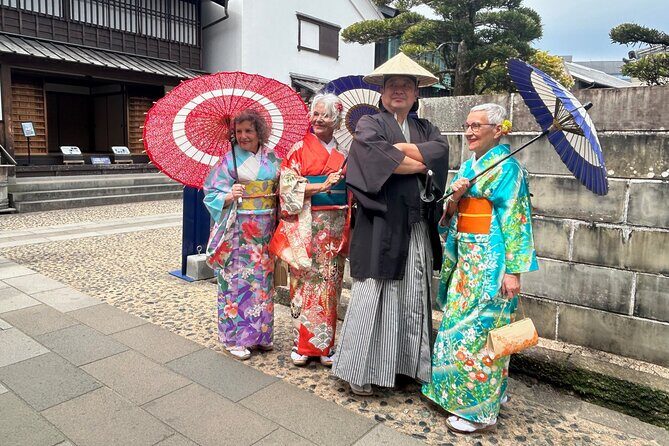
After you’re dressed, you can enjoy walking outside around Dejima. This is where the experience becomes more than a rental—it becomes a short, stylish way to see the island in a period-appropriate outfit.
Timing is important because the duration is about 2 hours (approx.), and you must return to Dejima Hoppen by 5 PM. I’d treat this like a mini outing: pick a few photo spots you care about, then leave enough time to enjoy the streets without rushing.
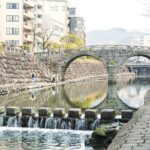
A useful detail from the shop’s own guidance shows up in responses: the owner and staff can recommend nearby spots beyond Dejima. For example, they mention Chinatown, Dejima Wharf, Glover Garden, and Megane Bridge as places worth extending your trip. If you’re wearing kimono, those recommendations can help you build a coherent route instead of bouncing randomly between stops.
If you’re visiting during a major local event, build in extra buffer. One reviewer used the rental during the Nagasaki Minato Festival and noted it was a busy day. That doesn’t mean you shouldn’t go—it just means you should arrive with calm timing so the day stays fun.


Price and Value: What You Pay for Versus What Costs Extra
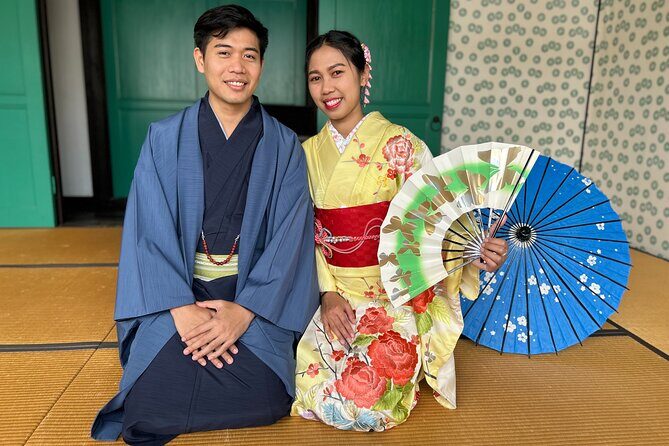
The price is $52.55 per person, and it’s fairly straightforward. What you get included is the kimono-set (the wearing components and footwear essentials) plus simple hair styling.
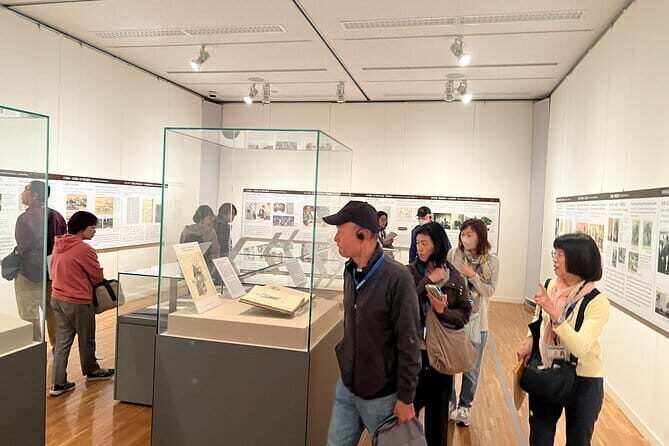
What costs extra is the Dejima Museum admission fee of ¥1,100 per person. The museum fee isn’t bundled, so if you plan to go beyond photos and walking into museum time, factor that into your total budget.
Here’s why the value can still be strong even with that extra fee. You’re paying for three things that are hard to DIY: access to a wide kimono selection, professional dressing in about 20 minutes, and the included styling pieces that make the outfit look finished. If you’re doing this as a couple or as a family, the included accessories reduce the hassle cost, too—you’re not hunting for matching bags or footwear.
Who Should Book This Kimono Rental (and Who Might Skip It)
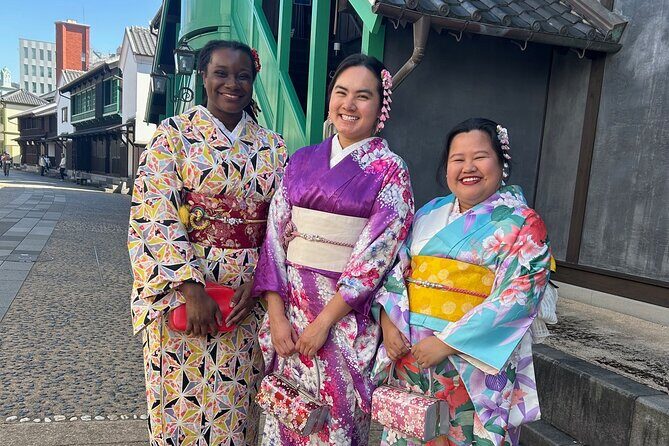
This experience fits best if you want an iconic Nagasaki look without turning it into a logistics project. You’ll like it if your priority is a historic setting plus an easy, guided dressing process and photo time.
It’s also a solid pick for families because sizes are available for kids age 3 and up. And if teenagers are part of your group, the shop notes that children over 15 can join without an adult. For everyone else in the group, you’ll just want to coordinate your timing together so dressing and photo windows don’t fight with each other.
Who might skip it? If you’re not interested in wearing kimono for photos or walking, then you might find better value spending your time and money on a museum ticket or a guided walking route. The rental really shines when you’ll use it outdoors after getting dressed.
Should You Book Dejima Hoppen Kimono Rental?
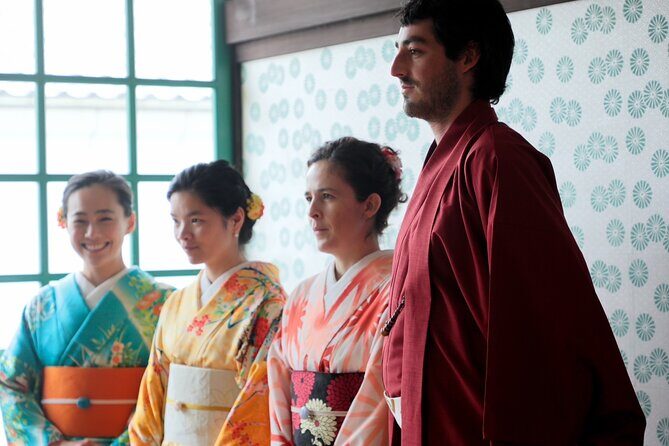
Yes, if you want a low-stress kimono experience tied to an actual place with period atmosphere. The combination of 100+ choices, a professional dresser, and photo-ready spaces (including a rain plan) makes this one easy to recommend. Add the included essentials—zori sandals and a bag—and you’re not stuck running around Nagasaki trying to complete the outfit.
Before you book, do two quick checks. First, decide whether you also want Dejima Museum admission, since that’s separate. Second, plan your day around the 5 PM return so you get to enjoy the walk without feeling time pressure.
If you’re the kind of traveler who likes to look good in your photos but also care about where you’re standing when you take them, this is a smart choice in Nagasaki.
FAQ
Where is the meeting point for Dejima Hoppen?
The meeting point is 出島ホッペン (Dejima Hoppen), 850-0862 Nagasaki, Dejimamachi, 61 ヘトル部屋 2階.
How long does the kimono experience take?
Dressing and the experience run for about 2 hours (approx.).
What’s included in the rental price?
The rental includes the kimono-set (gears you need for wearing kimono and shoes) and simple hair styling. Zori sandals and a bag are also included with the rental.
What is not included?
Dejima Museum admission is not included. The fee listed is ¥1,100 per person.
Can you choose among many kimono designs?
Yes. You can choose from more than 100 kimonos.
Are there kimono options for children?
Yes. Kimono sizes are available for children age 3 and older.
What size range do they offer for adults?
Women’s sizes are available up to 175 cm (5L), and men’s sizes are available up to 190 cm (5L).
What happens if the weather is bad?
If weather is not good, the experience can be done only indoors. There are Japanese-style photo rooms, including space in the Chief Factor’s Residence for rainy conditions.
Can you walk around outside after getting dressed?
Yes. After wearing kimono, you can enjoy walking outside. Be sure to come back to Dejima Hoppen Shop by 5 PM.
Do they store luggage?
Yes, they will hold your luggage. They advise you to take your valuables with you.