REVIEW · YOKOHAMA
Yokohama Private Food Tours with a Local: 100% Personalized
Book on Viator →Operated by City Unscripted · Bookable on Viator
Yokohama food changes when you eat with locals. This private 4-hour walk with City Unscripted lets you answer a short questionnaire, then match with a guide who shapes the route around your tastes. I love the personalized feel and how I’m not stuck with a fixed script. I also love the 6–8 samples from a couple of eateries, plus a drink included in the price, which makes the tour feel like a proper meal plan, not snack roulette. Guides like Hiroko and Marta can put real city context behind each bite.
One possible drawback: the itinerary is intentionally flexible, so if you’re chasing a strict checklist of sights, you might feel a little short on structure.
Key things that make this Yokohama tour worth your time
- Questionnaire-matched private guide who adjusts stops to your food preferences
- 6–8 tastings from 2–3 eateries, plus an alcoholic or soft drink
- Chinatown time with Annin soft cream and food-market browsing
- Shin-Yokohama Raumen Museum for ramen in a dedicated food-court format
- Yokohama-style comfort food like gyunabe and napolitan
- Guides sometimes go off the main route, including the kind of local eating-and-walking found outside the center
In This Review
- Private Food Tour Value: What You’re Really Paying For
- Four Hours on Foot: How the Pace and Sampling Works
- Meeting at Sakuragicho: Easy Start, Simple End
- How the 100% Personalized Matching Actually Feels
- Yokohama Bay Start: A Port-City Mood Check
- Chinatown and Annin Soft Cream: Sweet, Creamy, and Quick
- Shin-Yokohama Raumen Museum: The Ramen-Only Mood
- Gyunabe Hot Pot and Napolitan Pasta: Two Comfort Styles
- When Your Guide Shows Up With a Strong Food-Plan
- What You’ll Like Most (and What to Watch For)
- Who This Yokohama Food Tour Suits Best
- Should You Book It? My Practical Take
- FAQ
- How many food samples do I get on the Yokohama private food tour?
- What drinks are included?
- Is this tour private?
- How long is the tour, and is it mostly walking?
- Where do I meet, and where does the tour end?
- Is a hotel meet-up available?
- Are attraction tickets included?
- Is full cancellation possible?
- Are service animals allowed?
Private Food Tour Value: What You’re Really Paying For
At $203.28 per person for about 4 hours, this isn’t a budget snack tour. It’s priced more like you’re buying time and taste-guidance from a local, with enough food built in that you don’t need to figure out everything yourself.
Here’s what that price covers:
- Private, personalized walking time with your guide
- 6–8 tastings from 2–3 eateries
- A glass of wine, beer, or soft drink
- Optional hotel meet-up for central locations
- The tour runs on a mobile ticket system
What you should expect in real-world terms: you’ll likely leave properly fed. The included tastings are designed to cover multiple flavor styles, not just one theme. If you’re the type who wants a “teach me what to order” experience, this model makes sense.
One more value note: Yokohama is a port city with a lot of overlap—Japanese street food, Chinese-influenced snacks, and regional dishes. A guide helps you navigate that mix without guessing, and that’s where the money starts to feel justified.
Four Hours on Foot: How the Pace and Sampling Works
This is primarily a walking experience, and most of the tour is designed to be manageable on foot. Public transport may get used, but the core idea stays simple: you move city-to-city on streets, then stop often for tastings.
The 4-hour format is a sweet spot. Long enough to get variety. Short enough that you’re not dragging your feet by the end. You’ll also get what many people want from food tours in Japan: a rhythm where you’re not constantly waiting for the next place. That matters because food tastes better when you’re still in motion, still curious, still hungry.
Tastings are typically spread across 2–3 eateries. That balance is smart. You get variety without the “too many doors, too little eating” problem.
If you’re worried about ordering—or you just don’t want to fuss with menus—this structure is your friend. You’ll be guided from one taste to the next, with someone steering you toward dishes that fit your preferences.
You can also read our reviews of more food & drink experiences in Yokohama
Meeting at Sakuragicho: Easy Start, Simple End
The start point is very specific: NewDays Sakuragicho, JR桜木町駅 2F_改札外 (outside the gates), in Yokohama’s Naka Ward.
Why this matters: Sakuragicho is a transport hub, so getting there is usually straightforward. You’re not sent to some obscure side street that needs a map and luck.
The tour ends back at the meeting point. That’s a comfort factor. After four hours of eating and walking, you don’t want a complicated final transfer.
How the 100% Personalized Matching Actually Feels
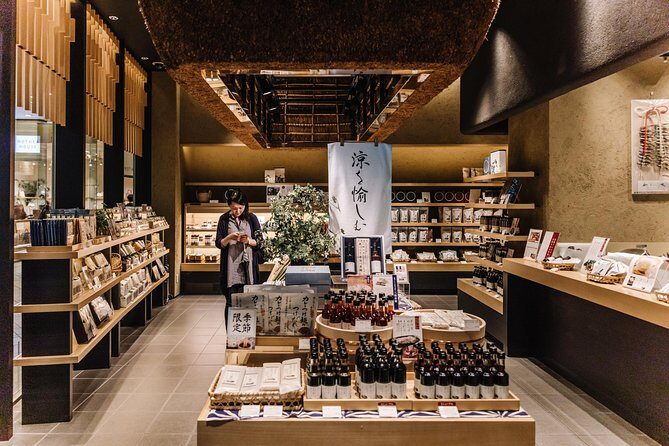
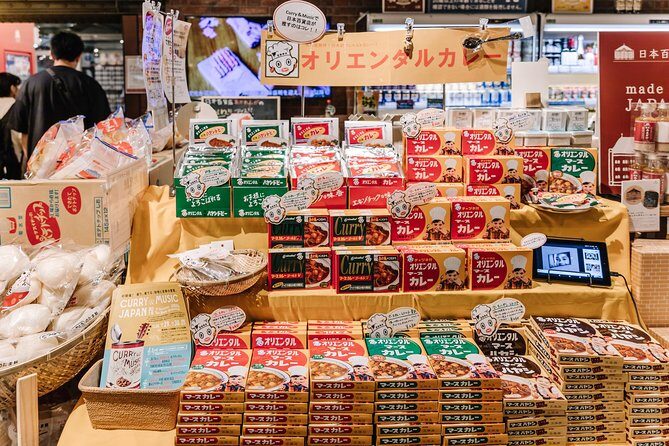
The tour begins with a short questionnaire, and then City Unscripted matches you with a guide who fits your interests. In practice, that shows up in two ways:
1) Food choice alignment
If you’re more into Japanese comfort dishes, you’ll lean that direction. If you want a Japanese-Chinese mix, your route can reflect it.
2) Route flexibility
The listed stops are examples, not a rigid timetable. One guide experience even pointed toward the outskirts for more local-style hiking and eating, showing that the day can move beyond the postcard core when your interests call for it.
This is where personalization becomes more than marketing. It’s about getting a tour that makes sense for your group.
My caution: that same flexibility can make the tour feel less like a checklist. If you want every stop to happen no matter what, plan for the possibility that the guide may shift things based on what works best for your group.
Yokohama Bay Start: A Port-City Mood Check
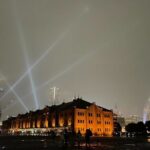
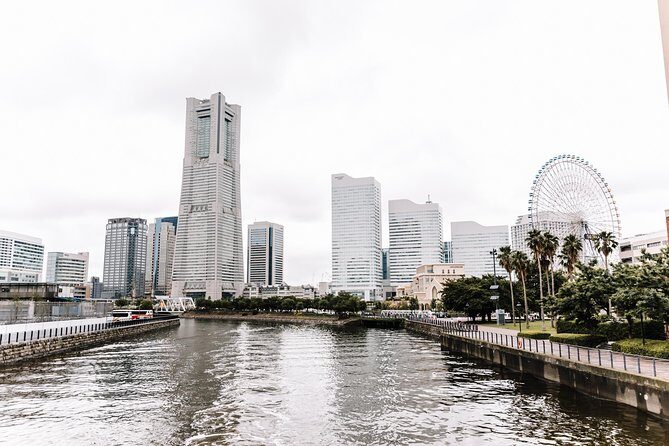
A lot of routes start with a stroll near Yokohama Bay. Even when it’s not the main attraction, it’s a good warm-up. You get your bearings, you see the harbor vibe, and you transition into the parts of the city where the food culture gets more interesting.
If you’re the type who likes context, this first stretch helps. It’s easier to understand why certain foods show up where they do when you’re moving through the port-city atmosphere first.
Downside? If you’re only in Yokohama for a food sprint and don’t care about views, you might treat this part as a quick gear shift rather than the main event. That’s fine, but go in with the right expectations.
Chinatown and Annin Soft Cream: Sweet, Creamy, and Quick
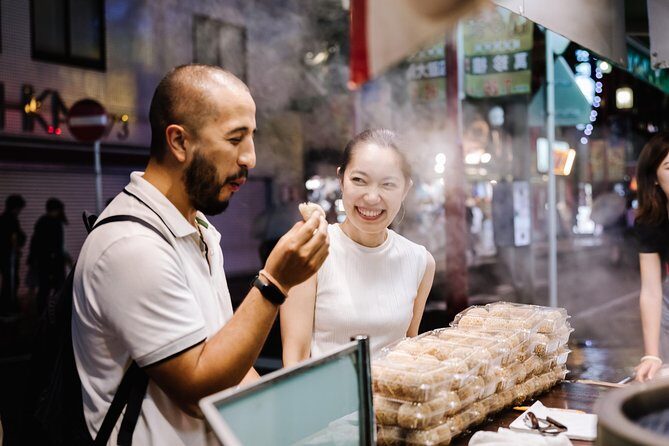
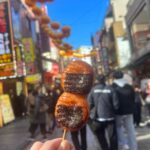
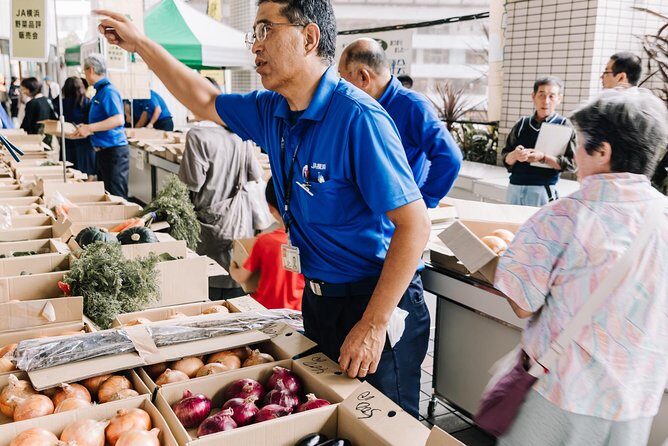
Chinatown is a signature Yokohama stop, and it’s one of the easiest places for a guide to work their magic. You’ll explore Chinatown streets and spend time around food markets.
A highlight is Annin soft cream. Annin is the kind of ingredient you’ll rarely pick by yourself if you don’t know what you’re looking at. Having a guide here cuts the guesswork. You just try it and learn what it’s about.
This stop also tends to be a win for photos and people-watching—but you’ll get something better than sightseeing. You’ll get a clear sense of what locals gravitate toward in a Chinese-influenced pocket of Yokohama.
One more practical tip: go in hungry. Chinatown snacks add up fast, and your guide will be balancing tastings versus full meals.
A few more Yokohama tours and experiences worth a look

Shin-Yokohama Raumen Museum: The Ramen-Only Mood
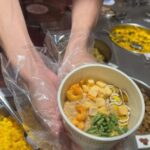
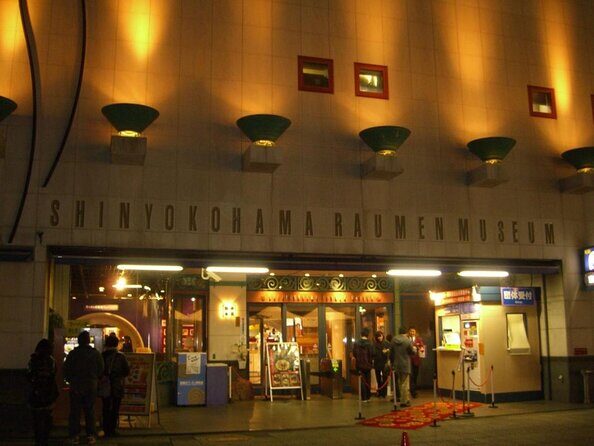
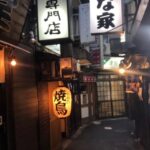
At Shin-Yokohama Raumen Museum, you’re walking into a place built for one thing: ramen noodle soup. The format is like a huge ramen-focused food court, dedicated entirely to slurping.
This stop is valuable because it’s both structured and fun. You’re in a controlled environment where the guide can steer you toward a bowl that fits the group. You also get a dose of ramen culture without spending half your day figuring out what’s open and where.
What to watch for:
- It can be busy, especially at popular times.
- You’ll want to pace yourself so the ramen doesn’t feel like the only thing you ate that day.
If you love noodle meals, this is a big payoff stop. If you’re not a ramen person, you’ll still see why the museum matters in Yokohama’s food story. But it’s smart to tell your guide upfront what you do and don’t want.
Gyunabe Hot Pot and Napolitan Pasta: Two Comfort Styles
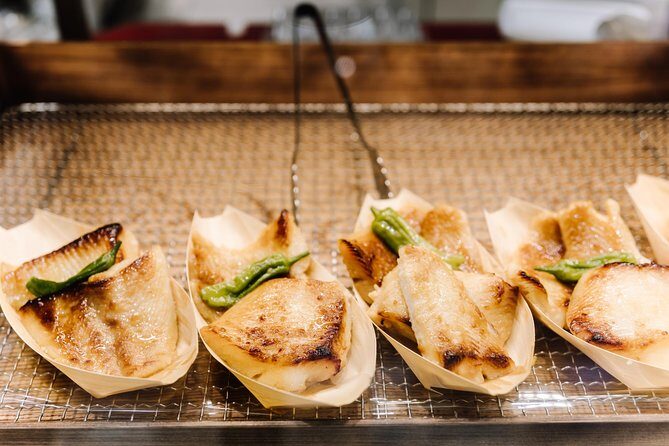
The tour leans into real comfort-food energy with dishes like:
- Gyunabe (a beef hotpot dish)
- Napolitan, a Yokohama-born pasta dish
This combo is a smart contrast. Hot pot brings warmth and depth. Napolitan brings a different kind of satisfaction, more like a familiar street-meets-café noodle rhythm.
There’s also a rumor in the tour approach that Center Grill serves some of the best napolitan in town. Even if you don’t treat that as gospel, it signals the guide’s angle: aim for classic local favorites, not just trend-chasing.
Potential drawback: hot dishes aren’t everyone’s mood every day. If you’re the type who runs hot, tell your guide early so they can adjust the balance of heavier and lighter stops.
When Your Guide Shows Up With a Strong Food-Plan
One of the best parts of private food tours is how much the guide’s personality affects the day. In this experience, you’ll see that in real examples:
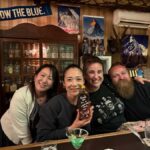
- Hiroko has a reputation for English that makes ordering and learning easy, plus a good mix of Japanese and Chinese food.
- Marta can turn the day into more than eating by adding cultural context and steering you off the routine path.
- Chisato led a group through a traditional sukiyaki lunch at Araiya, including history and context while you eat.
- Hiroshi took a group through a lot of the city center and then landed them at Sushi Ebihara, a sushi restaurant he recommended that the group described as superb.
- Estela showed that the tour can stretch toward the outskirts, including a locals-style hike-and-eat direction.
Those examples matter because they show the same core promise: your guide doesn’t just serve food. They guide meaning. Even if you’re not shopping for “facts,” context changes how you taste.
What You’ll Like Most (and What to Watch For)
Based on how this tour works, here’s where it tends to hit hardest.
You’ll probably love it if:
- you want a private plan that doesn’t require map gymnastics
- you like trying multiple styles rather than eating one “theme” all day
- you care about ordering help and explanation
- you enjoy walking between food stops and learning the logic behind where things are
Watch for these considerations:
- The day can feel less structured than a fixed itinerary. Flexibility is good, but it’s not for checklist people.
- You may walk a fair amount. If you have limited stamina, tell your guide so they can use public transport where appropriate.
- Included tastings are generous, but extra food and drinks aren’t included, so set a little aside in your budget if you know you’ll want more.
Who This Yokohama Food Tour Suits Best
This one fits best for:
- couples, friends, and small groups who want a private plan
- people who want Japanese and Chinese-influenced Yokohama in one day
- anyone who hates wasting time guessing what to order
- food lovers who also like the city context that comes with local guidance
It may not fit as well if:
- you want a strict schedule with guaranteed stops no matter what
- you’re only interested in one specific dish and nothing else
- you prefer minimal walking
Should You Book It? My Practical Take
Yes, I’d book it if you want a guided food day that feels like local thinking, not tourist homework. The included tastings plus a drink get you to the point where you can focus on taste and conversation. And the fact that guides like Hiroko, Marta, Chisato, Hiroshi, and Estela show up in different ways suggests the personalization isn’t random—it’s part of how the experience is built.
But I’d hesitate if you’re the type who needs a rigid, same-stops-every-time itinerary. The flexibility is real. So if you go in with the mindset of learning through food—and you tell your guide what you really want—you’re likely to have a smoother, more satisfying day.
FAQ
How many food samples do I get on the Yokohama private food tour?
You’ll receive 6–8 local food samples, typically from 2–3 eateries.
What drinks are included?
A glass of wine, beer, or soft drink is included with the tastings.
Is this tour private?
Yes. It’s a private and personalized walking tour, and only your group participates.
How long is the tour, and is it mostly walking?
The tour runs for about 4 hours and is primarily a walking experience, though public transport may be used.
Where do I meet, and where does the tour end?
You meet at NewDays Sakuragicho near JR桜木町駅 2F_改札外, and the tour ends back at the same meeting point.
Is a hotel meet-up available?
A hotel meet-up is available on request for central locations.
Are attraction tickets included?
No. Tickets to any attractions are not included.
Is full cancellation possible?
Yes. You can cancel for a full refund if you cancel at least 24 hours in advance of the experience start time.
Are service animals allowed?
Yes. Service animals are allowed, and most travelers can participate.