REVIEW · TOKYO
4 Day Tour – Mount. Fuji, Tokyo, Hakone, Kamakura and Yokohama
Book on Viator →Operated by Sluzeb Tours · Bookable on Viator
Four days, and Tokyo feels like one big story. This private route strings together Tokyo, Mt. Fuji area views, Hakone nature, Kamakura temples, and Yokohama waterfront so you cover a lot without living inside train transfers. You get an English-speaking driver, a calm air-conditioned ride, and a plan that you can nudge based on what you care about.
I especially like the pace this tour gives you on Day 1: you move from Tsukiji’s fish-market energy to Asakusa’s Senso-ji, then out toward Tokyo Skytree and the high-volume chaos of Akihabara, Harajuku, and Shibuya. I also like the way the tour balances big icons with breaks for atmosphere, like Meiji Jingu’s forest walk and the classic Mt. Fuji viewpoints around Lake Kawaguchiko. Guides matter here too, and two names came up in strong feedback: Armad is praised for making picture stops easy, and David is noted for going the extra mile to show memorable sights.
The one drawback to plan around is that this whole region is weather-dependent, especially for Mt. Fuji views. Also, while many sights are free, several major add-ons have tickets not included, so your final day-to-day spend can vary.
In This Review
- Key things I’d plan around
- Why a private car makes the Tokyo region feel manageable
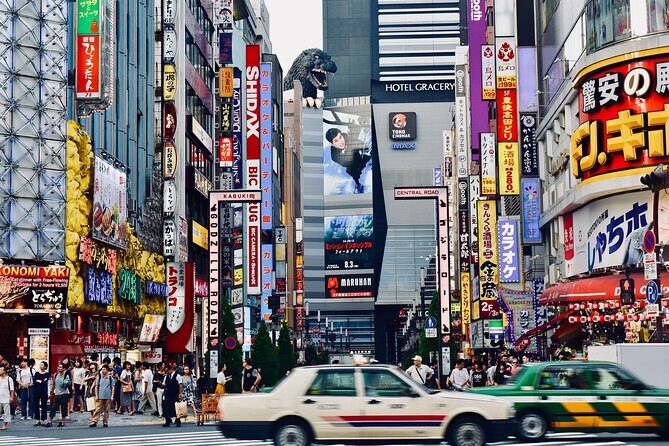
- Day 1 in Tokyo: Tsukiji to Senso-ji, then neon-and-shrines all the way to Shibuya
- Day 2: Kamakura temples, then Yokohama Chinatown and a classic Japanese garden
- Day 3: Oshino Hakkai, Lake Kawaguchiko, and Mt. Fuji viewpoints with ropeways and 5th station time
- Day 4: Hakone’s lake, ropeway, sulfur valley, and open-air art
- Price and logistics: when $3,000 per group makes sense
- Who should book this tour (and who should consider alternatives)
- Small planning notes that help you enjoy everything
- Should you book this 4-day Tokyo region tour?
- FAQ
- How many people are in a group?
- What is the total duration of the tour?
- Is pickup available?
- Does the tour include accommodation?
- Are tickets included for the attractions?
- Is there an English-speaking driver?
- Is this a guided tour?
- What time does the tour start?
- Is the tour dependent on weather?
- What is the cancellation policy?
Key things I’d plan around
- Private air-conditioned car throughout so you’re not timing trains and platforms.
- English-speaking driver who can explain what you’re seeing and keep things moving.
- A route that mixes classic icons and quieter pauses, from shrine woods to volcanic valleys.
- Mt. Fuji views are the weather bet, so keep expectations flexible.
- Some ticketed attractions aren’t included, especially on the Fuji and Hakone sides.
- Up to 5 people per group makes it ideal for small friend groups and families.
Why a private car makes the Tokyo region feel manageable
Tokyo is a mega-city. Getting around by public transit is doable, but doing it for multiple days with Mt. Fuji, Hakone, Kamakura, and Yokohama means constant switching. This tour cuts that friction. You start early (meeting time is 8:00 am) and spend your attention on sights instead of schedules.
The private car also changes how you experience things. When you arrive somewhere, you’re not stuck hunting for the next station exit. You can concentrate on the moment: snap a photo, take a short detour, or slow down inside a temple complex.
And because it’s described as customizable, you’re not locked into a rigid script. The driver can help you choose what to emphasize within the day’s structure—useful when you care more about shopping, temples, or viewpoints.
You can also read our reviews of more tours and experiences in Tokyo.



Day 1 in Tokyo: Tsukiji to Senso-ji, then neon-and-shrines all the way to Shibuya
Day 1 is a big “Tokyo sampler,” but it doesn’t feel random. It moves in a way that builds contrasts: food energy, sacred history, skyline views, then modern pop culture.
Tsukiji Fish Market
Even though Tsukiji’s fish-market chapter has changed over time, it’s still famous for its scale and seafood vibe. The payoff is atmosphere. Go with the mindset of people-watching, photo stops, and tasting what you can. The stop is about 45 minutes, so quick decisions help.
Senso-ji Temple (Asakusa)
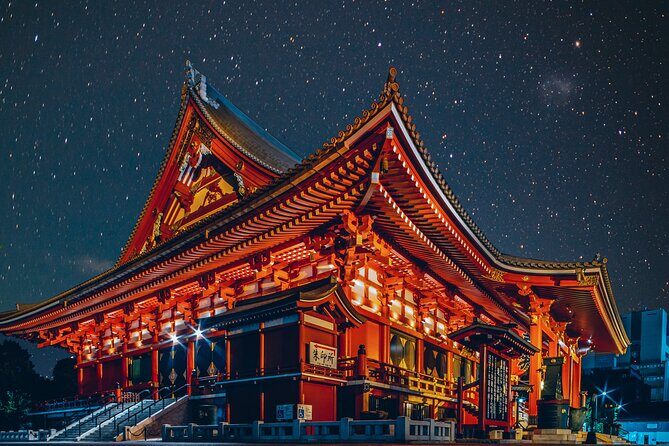
Senso-ji is Tokyo’s oldest religious building and one of its most colorful. You’ll feel the crowd, but that’s part of why it works. Come ready for a stroll, then take time to look up and around—lanterns, gates, incense, and temple details all pull your eyes in different directions. Admission is listed as free, which is a nice bonus.
Tokyo Skytree (ticket not included)
Skytree is a classic “get your bearings fast” stop. Observation decks are on the 45th floors of the towers, and the height is what makes it special. Expect solid views across the city—on a clear day you can pick out long lines of urban sprawl. This stop is about 1 hour, and since admission isn’t included, factor in whatever ticket cost you see at booking.
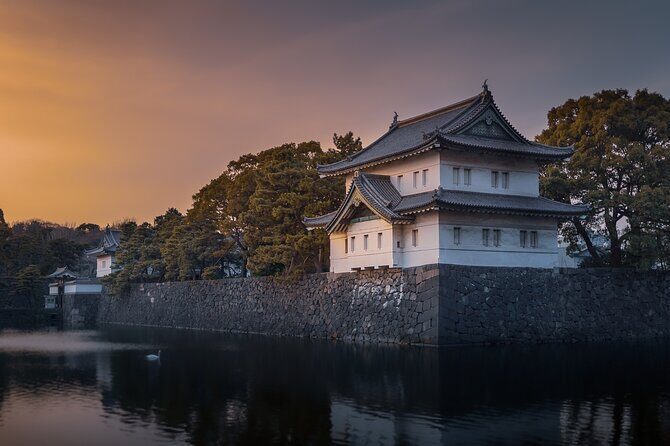
Imperial Palace East Garden (free; prior booking is mentioned)
You’ll visit the East Garden, with Edo Castle’s history behind it. The big practical point: the material you have says prior booking may be required. So if you care about this stop, double-check the plan details during your arrangements rather than assuming it’s guaranteed.
Akihabara
Akihabara is where electronics and otaku culture overlap. Even if you’re not shopping, it’s fun to walk through and notice how many different kinds of stores exist in one tight area. The stop here is short—about 30 minutes—so set a goal: anime browsing, gadget browsing, or souvenirs.
Meiji Jingu Shrine
Then the tour shifts gears into quiet. Meiji Jingu is set amid a green forest in Shibuya and is dedicated to the deified spirits of Emperor Meiji and Empress Shōken. This is the moment where your senses slow down: you get shade, stillness, and a slower walking rhythm than the neon streets.
Takeshita Street (Harajuku)
This is where youthful fashion and sweets collide. You’ll see colorful shops and a strong crepe culture. The time you get is about 1 hour, so expect to graze and snack more than to shop deeply.
Shibuya Crossing
You get the icon. Shibuya Crossing is the famous scramble with thousands of people moving at once. You don’t need a long linger here, but it’s worth stepping into the flow and then stepping back to watch the pattern.
Tokyo Tower
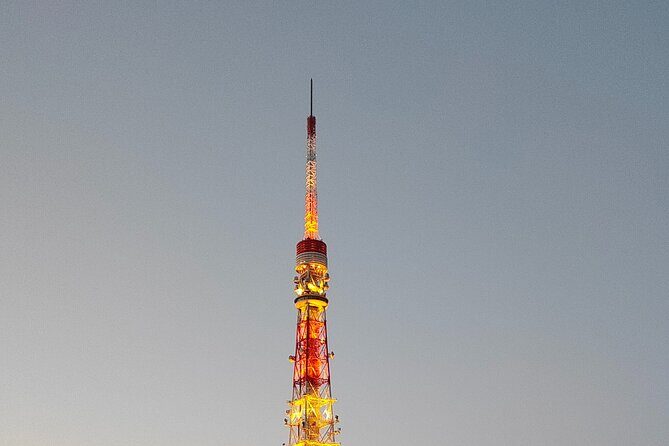
Tokyo Tower is a communications and observation tower, completed in 1958, and it’s designed in the Eiffel Tower style. This is a quick stop (about 10 minutes), which means it’s a good “photo and move on” kind of stop.
teamLab Planets TOKYO and Statue of Liberty replica (if time permits)
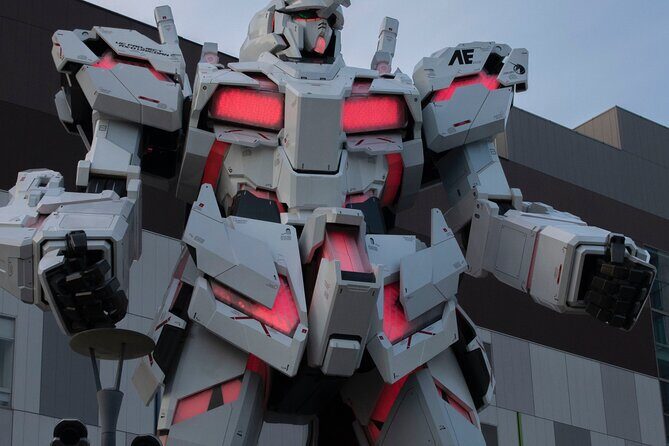
teamLab Planets is possible if time permits, and it’s noted as not included. Statue of Liberty replica at Odaiba is listed as free, also if time permits. The key here is that both are optional, so your driver’s timing (and traffic) affects whether you see them.
Day 2: Kamakura temples, then Yokohama Chinatown and a classic Japanese garden
Day 2 slows down spiritually and visually. Kamakura has old temples and scenic walks, and Yokohama adds a contrast with city energy and waterfront style.
Hōkoku-ji (Bamboo Temple)
Hōkoku-ji is known for its bamboo garden and Zen connections. The time listed is about 1 hour, and since admission is not included, your final budget might be impacted here. The bamboo is the point: it creates a cool, shaded walkway feeling even on warmer days.
Hasedera (Hase-kannon)
Hasedera houses a massive wooden statue of Kannon, and the temple is a major Kamakura draw. The stop is about 45 minutes and admission is listed as not included. It’s one of those places where you’ll understand why temples can feel like living spaces, not just buildings.
Kotoku-in (Great Buddha of Kamakura)
This is a must-see if you like big scale. Kotoku-in is famous for the Great Buddha. The stop is shorter (about 30 minutes), but the subject is so iconic you won’t need long explanations—just time to look up and take a few angles.
Tsurugaoka Hachimangu Shrine
This shrine has cultural center status and museum elements, plus festival history. It’s also tied to the Taira and Minamoto clans through the pond symbolism. Plan on about 1 hour, with admission noted as not included.
Kamakura Komachidori
Komachidori is the pedestrian shopping-and-sweets street. It’s a break from temple viewing and a good place to try snacks before the day turns urban. Admission is free, and you get about 1.5 hours, which is plenty for an easy wander.
Yokohama Chinatown
Chinatown is about 160 years old, and the area has a long identity story. It’s described with a living population of about 3,000 to 4,000, plus many residents connected to Guangzhou. The stop is about 1 hour and admission is free.
Sankeien Gardens (ticket not included)
Sankeien is a traditional Japanese-style garden opened in 1906. It’s designed and built by Tomitaro Hara (Sankei Hara). The main value is pace: you trade city noise for slow footpaths and classic garden composition. Admission is not included, and the stop is about 1 hour.
Minatomirai (if time permits)
Minatomirai is the futuristic waterfront area, with options like the Landmark Tower and Plaza. The stop is about 30 minutes, and it’s listed as free if time permits. If you only have time for one “modern Yokohama view,” make it this.
Day 3: Oshino Hakkai, Lake Kawaguchiko, and Mt. Fuji viewpoints with ropeways and 5th station time
This is your Mt. Fuji day, but it’s organized smartly: you start with Fuji-fed springs, move into the classic photo zones, and end with higher-altitude drama at the 5th station.
Oshino Hakkai
Oshino Hakkai is a set of eight springs where Mount Fuji’s aquifer water surfaces. It’s described as a natural monument. The stop is about 30 minutes and admission is free. The best approach here is short and attentive: look at how the water feeds the pools and soak in the quiet compared with busier viewpoint sites.
Chureito Pagoda
The Chureito Pagoda is famous because it frames a classic Fuji scene. You get about 30 minutes and admission is free. This is a photo stop, so you’ll want to arrive with a clear idea of what you want: wide shot with pagoda + Fuji, or tighter composition.
Lake Kawaguchiko
Lake Kawaguchiko is one of the most accessible parts of the Fuji Five Lakes and is known for hot spring resort energy. The stop is about 30 minutes and admission is free. Even if Fuji is partly hidden, the lake setting still makes the day feel like a real getaway rather than just a drive-by.
Mt. Fuji Panoramic Ropeway (not included)
This is a ticketed add-on. The ropeway ascends 400 meters from Lake Kawaguchiko’s eastern shore to an observation deck near Mount Tenjo. Admission isn’t included, but the point is obvious: you gain a better angle than from ground level. The time listed is about 1 hour.
Oishi Park
Oishi Park is highlighted as one of the best Mt. Fuji view spots, with Fuji in the background, the lake mid-ground, and garden color in front. Admission is free and the stop is about 30 minutes. If the sky is clear, this is the kind of view you’ll remember later.
Saiko Iyashi no Sato Nemba (not included)
This village recreates an old Japanese village style with thatched-roof buildings. The stop is about 30 minutes with admission not included. It’s a good cultural pause that breaks the day of lookout points.
Arakura Fuji Sengen Shrine
This park on the mountainside gives panoramic views of the area. Admission is free, and you get about 30 minutes. It’s also mentioned as a popular cherry blossom spot in spring, which tells you why the viewpoint works well across seasons.
Mt. Fuji 5th station (not included)
The 5th station is where the atmosphere changes. It’s not about a museum stop; it’s about feeling like you’ve gone uphill in a place that actually commands attention. You’re given about 2 hours, and admission is not included. Dress for colder conditions than you expect at lower elevations.
Gotemba Premium Outlets
You finish the day with shopping time in a place at the foot of Fuji. Gotemba is noted for premium green tea cultivation and the area’s horseradish reputation, which gives you a fun twist to the usual outlet concept. Admission is listed as free, and the stop is about 2 hours.
Day 4: Hakone’s lake, ropeway, sulfur valley, and open-air art
Day 4 is the “Hakone nature and scenery” half. Expect volcanic textures, lake views, and plenty of outdoor walking.
Amazake-chaya Tea House
The tea house is described as having been founded 400 years ago and as a relaxing rest stop. Their amazake (sweet rice wine) uses a recipe said to have remained unchanged since opening. This is a calm start before you hit the bigger scenery moments.
Hakone Shrine / Kuzuryu Shrine (not included)
Hakone Shrine is at the foot of Mount Hakone along Lake Ashi. The buildings are hidden in dense forest, which means the approach feels more like entering a green pocket than reaching a standalone structure. Admission is not included, and the time is about 1 hour.
Lake Ashinoko
Lake Ashinoko is a scenic crater lake formed after the volcano’s last eruption about 3,000 years ago. Admission is not included, and the stop is about 1 hour. Even without a long ride, being on the lakeside adds that “you’re really in Hakone” sense.
Hakone Ropeway (not included)
The Hakone Ropeway is described as a funitel line linking Sōunzan and Tōgendai via Ōwakudani, and it became a funitel in 2002. Admission isn’t included. The practical value: it gets you to a volcanic-view zone without negotiating steep routes alone.
Owakudani Valley (free)
This is the “most recommended” stop for a reason. Owakudani is volcanic, known for sulfur springs, and famous for Kuro Tamago (Black Eggs). Admission is free, and the stop is about 1 hour. It’s one of those places where smell and scenery tell the story faster than any description.
Gora Park (not included)
Gora Park is a western-style botanical garden, including a tea house, greenhouses, and a central fountain. Admission isn’t included, and the time is about 30 minutes. This is the gentler, garden-focused reset after volcanic intensity.
Hakone Open-Air Museum (not included)
The Open-Air Museum is an outdoor sculpture gallery across 70,000 square meters with views of the surrounding mountains. Admission isn’t included, and the stop is about 1 hour. If you like art, it’s a nice change from the purely religious and nature-focused stops.





Price and logistics: when $3,000 per group makes sense
This tour is $3,000 per group for up to 5 people. That’s up to $600 per person at full group size, and you’ll pay more per person if your group is smaller.
So where does the value come from?
- You’re buying transportation time across multiple regions. A private car for Tokyo + Fuji + Hakone + Kamakura + Yokohama isn’t just convenience; it’s how you fit a four-day loop without burning your schedule.
- You’re buying stress reduction. Instead of planning each transfer, you use the driver’s routing and timing.
- You’re buying guided interpretation without a full guide cost. It’s not described as a standard guided group tour, but you do get an English-speaking driver who explains the region.
- You control hotel choices. Accommodation isn’t included, which means you can match your budget and location preferences rather than being forced into someone else’s hotel pick.
Where it can feel less “bargain-like” is if you’d only want the free sights and skip the ticketed add-ons. Some of the best-known scenic experiences here are listed as admission ticket not included, like Skytree, teamLab Planets (if you go), Fuji ropeway, and Hakone ropeway.
Who should book this tour (and who should consider alternatives)
This tour fits best if you:
- are short on time and want a strong first-timer sweep of the Tokyo region,
- prefer private, air-conditioned comfort over train marathons,
- like having a plan but still want some flexibility through the day,
- are traveling as a small group (up to 5) and want the value spread out.
It might not be the best match if you:
- love traveling with zero structure and want to design every minute yourself,
- get frustrated by crowded places (Day 1 has major big-visibility stops),
- are very focused on one single attraction type and would rather spend more time at just that.
Small planning notes that help you enjoy everything
First, aim for good weather. Fuji days are about the view, and the tour itself is described as requiring good weather. If conditions are poor, you may need to accept alternate plans or a different date.
Second, think about your footwear and pacing. Markets, temple streets, and outdoor museum grounds all involve walking. The tour duration is listed as about 10 hours including commuting time, so you’ll want comfortable shoes and layers.
Third, ticketed add-ons are part of the rhythm here. You’ll see several stops marked as admission ticket not included across Tokyo skyline, Fuji ropeway/5th station, and Hakone ropeway/museum options. When you budget, treat those as likely expenses rather than surprises.
Finally, remember the difference between a driver and a full guide. This is not presented as a guided tour by default, though a guide can be arranged on request at an additional cost.
Should you book this 4-day Tokyo region tour?
If you want to see Tokyo plus Mt. Fuji plus Hakone plus Kamakura plus Yokohama in four days without turning your trip into train logistics, this is a strong choice. The private car factor is the big win, and the best evidence of quality is the way guides can make the day smoother—Armad being called out for photo help and convenient parking, and David for showing more unusual, memorable sights across the longer middle days.
Book it if your priority is coverage with comfort and you’re okay with some paid add-ons and a weather-dependent Fuji plan. Don’t book it if you only want a few iconic stops and would rather build your own route at your own pace with no reliance on a pre-set loop.
FAQ
How many people are in a group?
The price is for a group of up to 5 people.
What is the total duration of the tour?
It’s approximately 4 days, and each day is about 10 hours including commuting time.
Is pickup available?
Pickup is offered.
Does the tour include accommodation?
No, accommodation is not included.
Are tickets included for the attractions?
Some attractions are listed as free, while others are listed as admission not included. You should expect that at least a few paid tickets may apply.
Is there an English-speaking driver?
Yes. The itinerary is explained by an English-speaking driver.
Is this a guided tour?
It’s described as not a guided tour by default, but a guide can be arranged on request for an additional cost.
What time does the tour start?
The meeting start time is 8:00 am.
Is the tour dependent on weather?
Yes. It requires good weather, and if it’s canceled due to poor weather, you’ll be offered a different date or a full refund.
What is the cancellation policy?
There is free cancellation up to 24 hours in advance for a full refund.