REVIEW · KYOTO
Authentic Knife Making Experience at a Blacksmith in Kyoto
Book on Viator →Operated by Atelier NIN · Bookable on Viator
Making a knife beats buying souvenirs. This Kyoto workshop teaches real forging techniques.
I like that it is hands-on from start to finish, not just watching. I also love that the class is built for beginners, with English support from teachers like Diaki and plenty of help when your hammering gets wobbly. The possible catch: it is physically active, so if you have low stamina, plan for a workout.
You will also leave with a functional takeaway, about 13–15 cm long, handmade so it can vary a bit. Another consideration is logistics: the location can feel tucked away in a residential area, so give yourself extra time and check your directions before you go.
In This Review
- Key Kyoto Knife-Making Highlights
- Kyoto Knife Making at Atelier NIN: why this 3-hour class feels like real craftsmanship
- Where to meet and what happens when you arrive in the workshop
- Dressing in a goldsmith outfit and using the provided tools safely
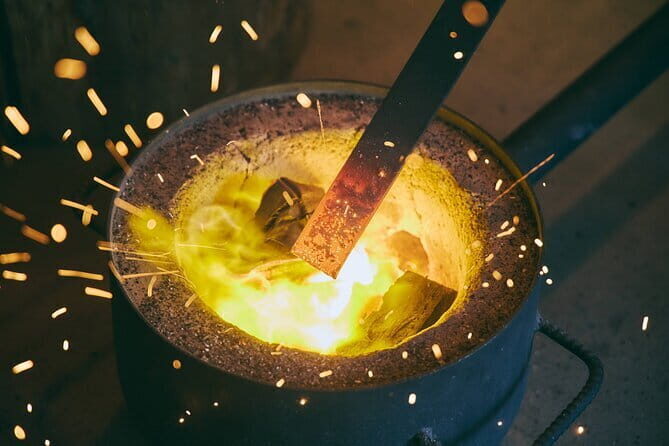
- Forging the blade: the hot-metal step that makes this class memorable
- Sharpening and polishing: where your knife goes from shaped to usable
- Your take-home knife: size, handle style, and travel reality
- Price and group size: does $158.52 make sense for Kyoto?
- Who should book this Kyoto knife workshop—and who might not love it
- Practical tips to get the most out of your forging day
- Should you book Atelier NIN for Kyoto knife making?
- FAQ
- How long is the knife-making experience in Kyoto?
- Where does the workshop start and end?
- What is the maximum group size?
- What’s included in the price?
- What is not included?
- Do I need to bring protective clothing?
- What skills will I learn during the class?
- How big is the knife you make?
- Are wooden handles included?
- Is the meeting point near public transportation?
Key Kyoto Knife-Making Highlights
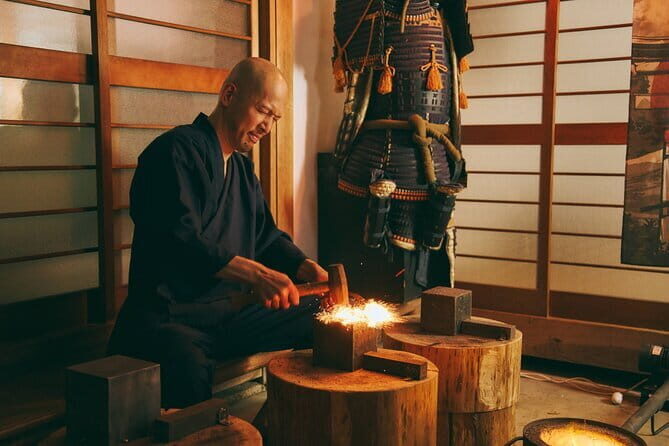
- Forge your own blade using a traditional hot-metal process (the main event)
- Small group size (max 6) so you get hands-on coaching instead of standing in line
- Uniform + tools included, so you can show up without tracking down protective gear
- Real knife finishing steps: sharpening and polishing, not just rough shaping
- English guidance to help you follow safety rules and technique while you work
- Take-home souvenir in a gift bag, plus a small photo keepsake in at least one class experience
Kyoto Knife Making at Atelier NIN: why this 3-hour class feels like real craftsmanship
Kyoto is famous for careful work, and this experience leans into that. You are not just making a trinket you will feel guilty about later. You forge, grind, sharpen, and polish a knife blade the same way people think about Japanese kitchen knives: precise metalwork, done with patience and control.
The best part for most people is the balance between tradition and practicality. You get a condensed version of a craft that normally takes longer and costs much more. Studio NIN even sets up the timing so more people can experience the forging stage without committing to a 5+ hour or $400+ level project.
And because it is a small class (up to 6 people), you are less likely to end up in the corner. You can ask questions mid-step and get corrections while the metal is still warm in your hands.
One thing to keep in mind: this is not a sit-down demo. Hammering and grinding take energy. Even if you are new, you should be ready to work.
You can also read our reviews of more tours and experiences in Kyoto.



Where to meet and what happens when you arrive in the workshop
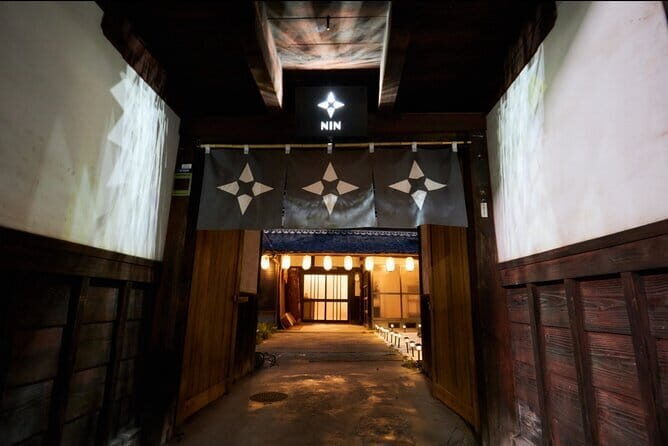
You start at studio NIN, located at 八瀬168-1 Yasenosechō, Sakyo Ward, Sakyo Ward, Kyoto (601-1254). The activity ends back at the meeting point, so you are not left coordinating your own way out.
You are near public transportation, and the ticket is mobile. That means less friction before you start—no hunting for a paper voucher. Still, plan for a bit of walking and local orientation once you reach the area. One person noted the location can be hidden within a residential neighborhood and that phone signal may be spotty from the station. My advice: download offline directions before you leave your hotel.
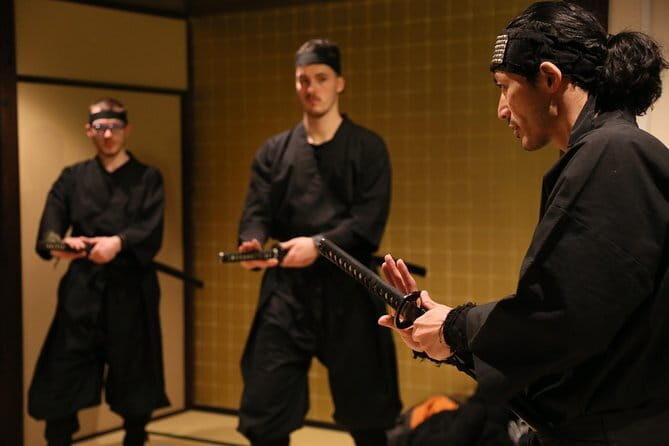
When you get there, you dress the part. You will change into a traditional goldsmith outfit, which sounds like a small detail until you realize it helps you switch into the mindset of a working craftsperson. It is also part of the fun—Kyoto does costume well, and you get to wear it while you actually use the tools.
Dressing in a goldsmith outfit and using the provided tools safely
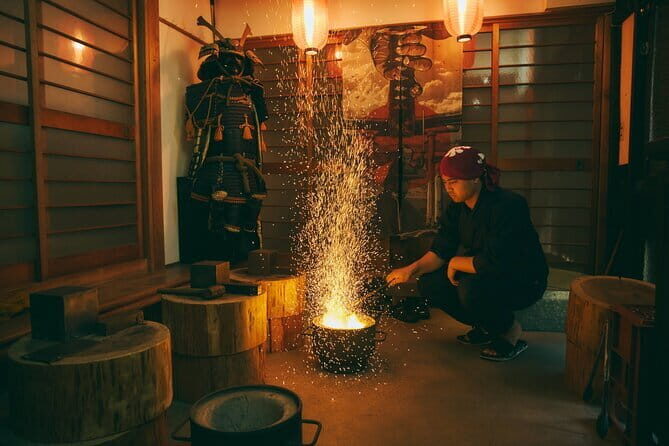
A big value point here is what they do not make you handle. You do not need to source protective clothing; a uniform is provided. You also do not need to bring your own tools. The class includes a set of tools used to make knives, plus an English guide.
That matters because safety and technique are tightly linked. If you are fumbling with unfamiliar gear, your focus goes to survival instead of learning. With the right setup ready for you, you can spend your energy on the work: holding, timing, and shaping.
The workshop also provides guidance on how to use tools safely. Many participants highlighted that instructors correct mistakes during hammering and help you adjust your grip and posture when needed. One teacher mentioned by name in the experiences you shared is Diaki—engaging, patient, and quick to step in when you drift off pattern.
One practical consideration: some people have wanted clearer support around finishing steps and safety footwear. Since your experience details mention uniform and tool safety guidance but not specific footwear rules, it is smart to ask the staff when you arrive what footwear they recommend for grinding and sanding steps. If you are the type who gets bothered by open-toe discomfort or foot fatigue, plan accordingly.
Forging the blade: the hot-metal step that makes this class memorable
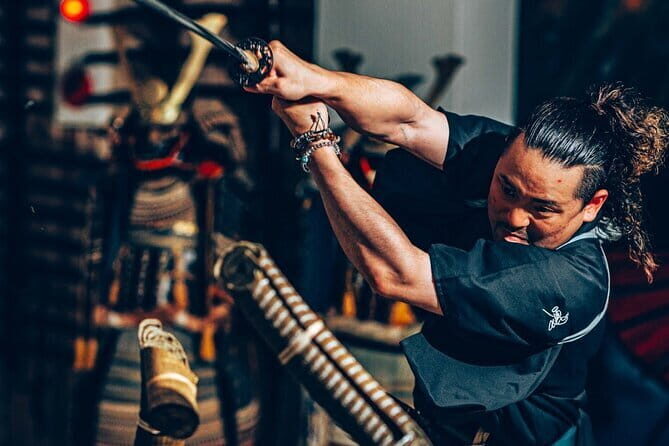
Forging is the key in this experience, and it is not treated like a short photo-op. You learn the process in depth enough that you understand what hammering actually does to metal. You will use tools to forge and shape, and you will get coaching while you work.
The class size and pace are designed for beginners. The metal is being shaped by you, not by a staff member behind the scenes. In other words, you are doing real labor, and the staff guides the process so your efforts result in a finished knife.
Here is the realistic expectation: your blade work will take time and muscle. One person described it as strenuous but fun, especially if you have watched forge-style shows and assumed it would be simple. In practice, you are flattening and shaping a billet into the knife’s rough form and then moving on to the finishing stages.
A helpful detail is that the blade size is roughly 13 to 15 cm. Since it is handmade, it can vary slightly by participant. That is normal in craft work, and it also means you are not paying for a perfectly identical product. You are paying for an experience that ends with something you made.
Also, studio NIN keeps it realistic about scale and value. Bigger knives take more time and cost more. A regular cooking knife typically takes over 5 hours and can cost over $400 at a traditional level. This class compresses that path and focuses on letting you forge and understand the core step without spending all day in the shop.
Sharpening and polishing: where your knife goes from shaped to usable

If forging is the workout, sharpening and polishing are where your effort starts to show. The class includes grinding, sharpening, and polishing steps so the knife becomes genuinely functional.
You will not just shape the blade and call it done. You move through finishing so the surface looks clean and the edge is properly sharpened. Participants describe learning how to grind and sharpen, with staff guidance to fix common beginner errors.
One useful way to think about this stage: forging teaches control over form, but finishing teaches control over angle and surface. That is why it can be the most mentally tricky part. If you mess up earlier shaping, you might still rescue your knife during finishing. But if your grinding angles are off, the staff helps you adjust while you still have options. It is also why a small group helps. You do not wait hours for correction.
The finished result is wrapped and presented in a gift bag. That sounds like a packaging detail, until you realize it affects how you travel with your knife later. You are leaving the workshop with something ready to store and carry.
Also, expect that staff may do the final touches or handle certain parts more precisely than a beginner could. Several experiences emphasize that instructors step in with help when needed, keeping your knife in the right path toward a sharp, usable finish.






Your take-home knife: size, handle style, and travel reality
You will take home a knife blade roughly 13–15 cm long. Because it is handmade, the final dimensions may vary a little. That is worth knowing up front so you can set your expectations about what you are buying: not a factory cookie-cutter size, but a crafted piece.
Handle details matter too. The course description notes that there are no wooden handles in the standard make. The handle is made of iron, using a traditional and simple method. That gives the knife a different feel than a typical Western kitchen tool, and it may affect how you plan to store it.
Some participants mention an option to add a wooden handle for ¥5000. If you take that route, you would attach it yourself after you get home. One person also mentioned that the final product becomes fully functional once the handle is glued into place—so plan for a little DIY at the end of your trip.
Travel check: if you are flying, do not assume carry-on is safe. A shared warning from the experiences you provided is that the blade length may exceed carry-on restrictions. If you have the choice, check a bag. At minimum, ask your airline about sharp-item rules before you head to the airport.
Finally, you might get extra mementos. One class experience included a small photo as a keepsake at no additional cost, and you also receive the finished knife presentation in a gift bag. Those extras help make this feel like a full workshop, not just a product pickup.
Price and group size: does $158.52 make sense for Kyoto?
At $158.52 per person, the price lands in the “worth it if you really want to make something” category. It is not cheap, but it is not just paying for a souvenir. You are paying for real instruction, real tools, and the fact that staff guide you through the hardest parts—especially forging and finishing.
Look at what is included: uniform, an English guide, and a set of tools used to make knives. You also get the time in the shop to physically work, plus small-group attention. With a maximum of 6 people, you are not being processed. That small size is where much of the value hides.
It also helps that this class targets a craft bottleneck. Traditional knife forging can mean long time commitments and high costs. Studio NIN aims to keep the experience around 2.5 hours for forging, then adds the rest of the finishing so the whole experience lands at about 3 hours.
What is not included: snacks, and private transportation. That is normal for this type of hands-on class. Plan to eat before you go, or check if there are quick food options nearby after. (In at least one experience, toilets and water were onsite, which is a nice practical point if you want to hydrate and reset during the workshop.)
Who should book this Kyoto knife workshop—and who might not love it
This is a great match for people who want a hands-on Kyoto day that feels genuinely different from temples and markets. If you enjoy cooking, Japanese culture, or craft work, you will likely like the way the class connects technique to a real kitchen tool.
It also fits couples and individuals because the class is small and structured. Several participants described it as a nice activity for adults, and one noted a 13-year-old could participate with guidance. Still, the activity asks for moderate physical fitness. Hammering and grinding can tire your arms and hands, so if you have mobility or strength limits, you may want to ask the studio what the workload looks like for your situation.
If you are looking for something purely relaxing, this probably will not feel like that. One person described it as a real workout, not a passive class. Think of it as both learning and physical labor.
Practical tips to get the most out of your forging day
A few things will help your day go smoother:
- Wear comfortable clothes and be ready for active work. You will be hammering and doing grinding-style finishing steps.
- Bring a question or two about safety when you arrive. If you have concerns about shoes or sanding belt handling, ask directly so you do not guess.
- Plan extra time to reach the workshop. One shared note was that the area can be tucked into a residential spot, and phone signal may not be reliable from the station.
- Eat beforehand. Snacks are not included.
- Think carry-on limits now, not later. If you are flying, plan for a checked bag because blade size may not meet carry-on rules.
- Be patient with your first attempts. Forging and finishing are not instant skills. The instructors are there to correct, but your first few tries might look messy before they look right.
Should you book Atelier NIN for Kyoto knife making?
If you want a Kyoto souvenir with real meaning, this is an excellent choice. You end up with a functional Japanese-style knife, created through forging, sharpening, and polishing, with an English guide and a small group that keeps instruction personal.
I would especially recommend booking if you fall into one of these buckets: you like food and knives, you enjoy hands-on workshops, or you want a day in Kyoto that is not just sightseeing. The experience is active, and you should plan for that. If you want calm, this may feel like too much work.
If you are okay with moderate physical effort and you want something you can actually use, atelier-level crafting in a small Kyoto class for $158.52 is hard to beat.
FAQ
How long is the knife-making experience in Kyoto?
The experience runs about 3 hours.
Where does the workshop start and end?
It starts at studio NIN 八瀬168-1 Yasenosechō, Sakyo Ward, Kyoto, and ends back at the meeting point.
What is the maximum group size?
The class has a maximum of 6 travelers.
What’s included in the price?
The experience includes a uniform, an English guide, and a set of tools used to make knives.
What is not included?
Snacks and private transportation are not included.
Do I need to bring protective clothing?
No. The uniform is provided, so you do not need to source protective clothes.
What skills will I learn during the class?
You will learn how to use the tools and make a knife through forging, sharpening, and polishing.
How big is the knife you make?
The knife is approximately 13 to 15 centimeters, and it may vary slightly because it is handmade.
Are wooden handles included?
The course information says there are no wooden handles in the standard make, and the handle is made of iron. Some experiences mention an optional wooden handle add-on.
Is the meeting point near public transportation?
Yes, it is listed as near public transportation.