REVIEW · TOKYO
Crowd-Free Tokyo : teamLab, Roppongi Hills Views & NACT
Book on GetYourGuide →Operated by Japan Luxe Tours · Bookable on GetYourGuide
Tokyo changes fast in Roppongi. This 4-hour private walk blends modern architecture with a teamLab digital finale, so the city feels like one long art installation. I love how the route links design, museums, and skyline views into a single story, not a list of random stops. One heads-up: you’ll pay for the taxi to Azabudai Hills.
The guides are a big part of the experience. In the feedback I reviewed, Ryoji stood out for explaining both history and today’s culture clearly, with friendly, kind communication. That matters because Roppongi can look futuristic, but it becomes much easier to understand when someone translates the why behind the buildings and art.
You’ll be on your feet for a good chunk of the afternoon. It’s rain-or-shine walking, with potential cancellation only under warning-level bad weather, so plan like it’s a normal Tokyo day and bring what keeps you comfortable. If you need wheelchair access or mobility support, this one isn’t set up for that.
In This Review
- Key takeaways before you go
- Roppongi: the fastest route to modern Tokyo
- 4 hours, private pacing, and what “walking tour” means in practice
- Tokyo Midtown: design + luxury shopping with real context
- National Art Center, Tokyo: contemporary art in a focused setting
- Roppongi Hills views: the skyline moment that puts it all together
- Azabudai Hills: a glimpse at where Tokyo is heading
- teamLab digital art: why the finale feels like a reset button
- Languages and the guide role: how you get more out of the same sights
- Price and value: is $129 reasonable for this mix?
- Who should book (and who should skip)
- Should you book Crowd-Free Tokyo: teamLab, Roppongi Hills Views & NACT?
- FAQ
- How long is the Crowd-Free Tokyo tour?
- Where does the tour start?
- Is this tour mostly walking?
- Does the tour run in the rain?
- What’s included in the price?
- Do I need to budget for transportation or taxis?
Key takeaways before you go
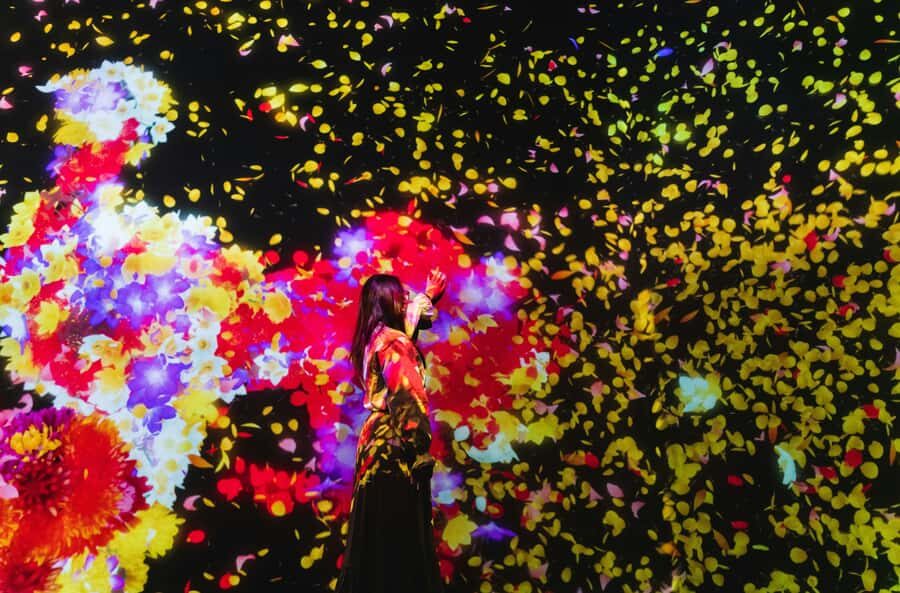
- teamLab ticket included for a multi-sensory digital-art experience
- Roppongi Hills panoramic views for a skyline moment you’ll remember
- NACT stops focused on contemporary art in a serious museum setting
- Azabudai Hills future-city angle (with a taxi leg you pay for)
- Private tour pacing with a local guide who explains what you’re seeing
- Roppongi Station Exit 7 as the simple start point above ground
Roppongi: the fastest route to modern Tokyo
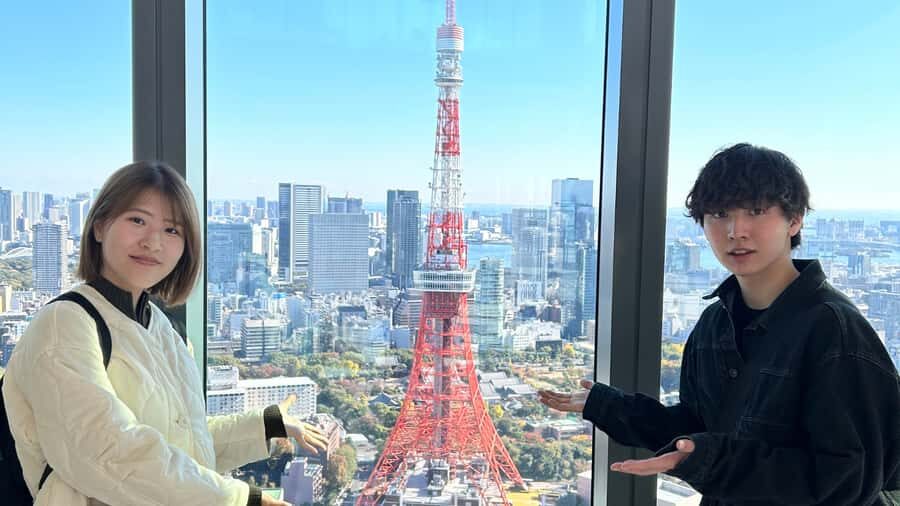
Roppongi is where Tokyo shows off its “right now” energy. You get sleek architecture, high-end shopping, and major cultural spaces all close enough to connect in one outing. That’s what I like about this kind of tour: you’re not hopping across town chasing separate experiences. You’re walking a coherent neighborhood with an urban vibe that fits the art theme.
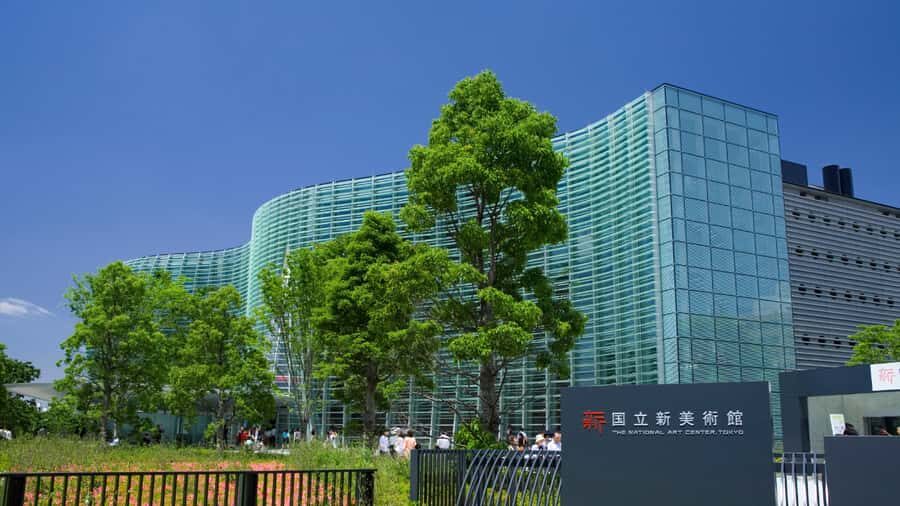
This works especially well if you like modern design more than classic sightseeing. The National Art Center, Tokyo (NACT) isn’t just a building to point at—it’s a place where contemporary art is treated with focus. Then Roppongi Hills adds the contrast: you’re suddenly looking down over the city instead of reading it at street level. Put those together and you start seeing Tokyo as a modern system, not a set of landmarks.
You can also read our reviews of more tours and experiences in Tokyo.



4 hours, private pacing, and what “walking tour” means in practice

This is a walking tour, and that sounds simple until you realize Tokyo walking is its own sport. You’ll want comfortable shoes because you’ll be moving between multiple major locations, not lingering at just one. You’ll also want water, and a camera is worth it because several stops practically beg for photos—especially the view points.
Because it’s private, the pace tends to feel less rushed than a big group tour. In a neighborhood like Roppongi, that makes a difference. You can stop to look longer when something catches your attention—like a façade detail on the way to a museum—or move on without feeling like you’re holding up dozens of people.
Weather is handled in a realistic way: it runs rain or shine, but it may be canceled for warning-level inclement weather. Translation: you should dress for changeable conditions and have a backup mindset.
Tokyo Midtown: design + luxury shopping with real context

The tour starts with Tokyo Midtown, which is a nice first move. It’s a design-forward area, so it acts like a warm-up for everything you’ll see later—modern lines, polished interiors, and the kind of shopping environment that looks planned down to the last detail.
What makes this stop valuable isn’t shopping itself. It’s perspective. Tokyo Midtown helps you notice how Tokyo merges aesthetics with daily life: retail spaces, public areas, and architecture that feel built as one experience. If you’re the kind of person who likes to read a city through its materials—glass, steel, lighting, layout—this is where that habit pays off.
Also, if your day is heavy on indoor art later, Midtown gives you outdoor context first. You’ll walk into the museum portion with your eyes already trained on scale and design rather than just looking for buildings.
National Art Center, Tokyo: contemporary art in a focused setting

At the National Art Center, Tokyo, the emphasis is on contemporary art and today’s creative thinking. The point here is not to skim. It’s to slow down inside a major venue and treat the art like the main event.
This stop can be surprisingly practical. A modern art museum can feel confusing if you don’t know what questions to ask. A good local guide helps you frame what you’re looking at—how the work connects to current culture, and how contemporary pieces reflect the city you’re standing in. In the feedback, the guide Ryoji was praised for explaining both the area’s history and present culture, and that kind of framing is exactly what turns “I saw it” into “I understood it.”
If you’re someone who normally enjoys museums but doesn’t always know where to look first, NACT is a solid choice. You’re not alone with the art; you have a guide translating context as you go.
Roppongi Hills views: the skyline moment that puts it all together

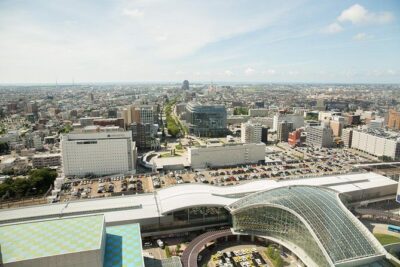
Then you get the payoff: panoramic views of Tokyo from Roppongi Hills. This is the kind of stop where you’ll feel the whole neighborhood snap into place. After seeing architecture up close and art inside, the view gives you scale—how these buildings relate, how dense the city is, and how the modern city keeps expanding upward.
I love this moment because it changes how you walk afterward. Even if you don’t technically “go further” after the view, your understanding updates. The city stops being a set of photos and becomes a structure you can mentally map.
Bring your camera, but also take a few minutes without it. Looking straight at the city for a bit helps you spot patterns—clusters of towers, the contrast between older and newer areas, and the way green space shows up in fragments.






Azabudai Hills: a glimpse at where Tokyo is heading
Next up is Azabudai Hills, the “future of urban living” stop. This is more than a quick exterior photo moment because the tour frames it as a development concept—how Tokyo plans and builds neighborhoods for how people live now.
One practical note: the tour uses a taxi to reach Azabudai Hills, and that taxi cost is at the customer’s expense. So keep a little buffer in your budget for that last-mile hop. It’s also a small reason to avoid packing the rest of your day too tightly; you’ll want time to move comfortably between stops.
Why I think this stop works: it connects the art theme to the real world. You’ve already spent time at contemporary culture sites. Azabudai Hills shows how modern cities build spaces that reflect the same future-minded thinking—just in architecture, not in a gallery.
teamLab digital art: why the finale feels like a reset button
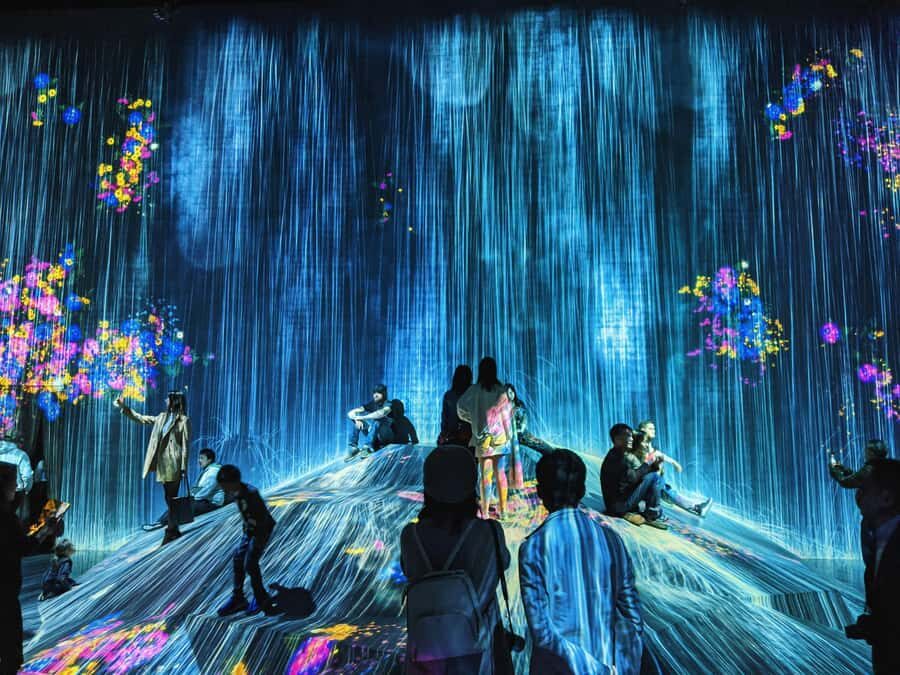
The tour ends with teamLab, the immersive digital-art experience that uses light, projection, and sound to pull you into the work. This is the part that tends to win people over fast because it hits multiple senses at once, not just your eyes.
One installation name that got special mention in the feedback is teamLab Borders, described as breathtaking. Even if you don’t know anything about the exhibit beforehand, I suggest you show up ready to slow down and pay attention. The best way to enjoy teamLab is to stop thinking of it as “something you watch” and treat it like “something you experience.”
Finishing here also makes sense. After galleries, museums, and city views, teamLab feels like a release. Your brain shifts from reading space to feeling it. If you’ve been taking photos all afternoon, consider giving your phone a break for a bit and just watch your surroundings change.
Languages and the guide role: how you get more out of the same sights
This tour supports multiple languages: English, Chinese, Japanese, and Korean. Even if you’re fluent, the biggest value isn’t language alone—it’s what the guide chooses to emphasize.
When a guide connects art and architecture to real daily life, you start seeing details you’d otherwise miss. In the feedback, the guide Ryoji was specifically praised for clear explanations and kindness, and that combination is gold on a tour like this. You’ll get better context, and you’ll feel comfortable asking questions as you move.
If you’re the type who likes to understand what you’re looking at instead of just collecting landmarks, this is a strong match.
Price and value: is $129 reasonable for this mix?
At $129 per person for a 4-hour private tour, you’re paying for three main things: a local guide, admission included for the guide at the listed sights, and—critically—entry included for teamLab tickets. On top of that, you’re getting access to major Roppongi cultural stops that would be more complicated to stitch together efficiently on your own.
What’s not included matters, too. Transportation costs for you and the guide aren’t included, and there’s no private vehicle. And remember the taxi to Azabudai Hills is also on you. If you plan your route using subway and keep the taxi as the only extra, you’ll usually feel like the price is fair for the convenience and the guided context.
I think the value is strongest if you:
- want a curated “modern Tokyo” route without doing research all day
- care about learning what you’re seeing, not just ticking boxes
- want the skyline and the museum content, plus teamLab, in one clean afternoon
Who should book (and who should skip)
This is a great fit for art enthusiasts and urban explorers who like contemporary design and modern city planning themes. It’s also ideal if you want a day built around one neighborhood’s logic, not a scattered itinerary.
You might want to skip if:
- you’re traveling with children under 5
- you need wheelchair access or have mobility impairments (this tour isn’t suitable for wheelchair users)
- you dislike walking or aren’t able to handle a walking-focused schedule
And if you’re someone who only wants one major attraction, you could find this too packed. But if you like the feeling of moving from art spaces to architecture to views to immersive tech, it’s a satisfying flow.
Should you book Crowd-Free Tokyo: teamLab, Roppongi Hills Views & NACT?
I’d book this if you want modern Tokyo in one guided afternoon: museum-grade contemporary art at NACT, skyline views from Roppongi Hills, and an Azabudai Hills look at tomorrow’s city. The included teamLab ticket is a big draw, and finishing there makes the day feel complete rather than abruptly ending after the view.
Do book with two expectations: you’ll be doing real walking, and the Azabudai Hills taxi is an extra cost. If you’re okay with that—and you like being guided through what’s happening in Roppongi—this is a strong value way to see Tokyo’s contemporary side.
FAQ
How long is the Crowd-Free Tokyo tour?
It lasts about 4 hours.
Where does the tour start?
The meeting point is Tokyo Metro Roppongi Station, Exit 7 (above ground).
Is this tour mostly walking?
Yes. It’s described as a walking tour.
Does the tour run in the rain?
It’s held rain or shine, but it may be canceled in the event of warning-level inclement weather.
What’s included in the price?
The tour includes a local guide, and admission for the guide at the listed sights. It also includes teamLab tickets.
Do I need to budget for transportation or taxis?
Transportation costs for both you and the guide are not included, and a taxi is taken to Azabudai Hills at the customer’s expense.