REVIEW · TOKYO
Tokyo After Dark Shinjuku Tour of Tradition and Pop Culture
Book on Viator →Operated by Reelu inc · Bookable on Viator
Tokyo feels different after sunset. This 90-minute Shinjuku tour pairs Omoide Yokocho lantern alleys with the included Purikura photo-sticker booth, so you get both older-nightlife vibes and today’s teen-pop culture in one smooth route. You’ll walk through key areas you’d otherwise have to hunt down on your own, with a guide helping you read what you’re seeing.
One thing to keep in mind: the stops are brief, so you’ll get great snapshots of each place, but not enough time to linger like you would on your own.
In This Review
- Key highlights you’ll actually care about
- Getting oriented fast: Shinjuku Station to Hanazono Shrine
- Omoide Yokocho: lantern alleys and the story behind the look
- Golden Gai: tiny bars, big personalities, quick orientation
- Hanazono Shrine: a quiet reset inside the city’s noise
- Kabukicho and Tokyu Kabukicho Tower: neon streets plus a modern entertainment hub
- Purikura: the included photo sticker booth that becomes your souvenir
- Price and timing: what $31.87 buys you in Shinjuku at night
- How the guide improves the whole experience
- Who should book this Shinjuku after-dark walk
- Should you book this tour?
- FAQ
- How long is the Tokyo After Dark Shinjuku Tour?
- How much does the tour cost?
- What’s included in the tour price?
- Are meals included?
- Where do I meet the tour?
- Where does the tour end?
- Is there a limit on group size?
- What is the cancellation policy?
Key highlights you’ll actually care about
- Omoide Yokocho’s lantern-lit alley look for photos and fast context on postwar nightlife traditions
- Golden Gai’s tiny-bar maze gives you the feel of the neighborhood without needing a reservations plan
- Hanazono Shrine pause to cool your senses between the neon blocks
- Kabukicho + Tokyu Kabukicho Tower mix street spectacle with a modern complex and city-view moments
- Purikura included so you leave with a goofy, very-Japan souvenir
Getting oriented fast: Shinjuku Station to Hanazono Shrine
Meeting at the Shinjuku Station East Exit Police Box makes sense. Shinjuku can be confusing even in daylight, and at night you want your first step to be simple. The tour is built for that: you start in one clear, recognizable spot, then you walk toward the Hanazono Shrine area at the end, where you can keep going to dinner.
The tour runs about 1 hour 30 minutes, and it’s capped at a maximum of 12 people. That small group size matters. With a crowd that size, it’s easier to stay together, ask questions, and get your bearings while the streets are doing their usual night performance.
You also get a mobile ticket, which is handy when you’re juggling transit maps, snacks, and phone battery. Meals aren’t included, so I’d plan to treat this as a guided taste of Shinjuku’s nightlife, then head out afterward for something you actually want to sit with.
You can also read our reviews of more tours and experiences in Tokyo.



Omoide Yokocho: lantern alleys and the story behind the look
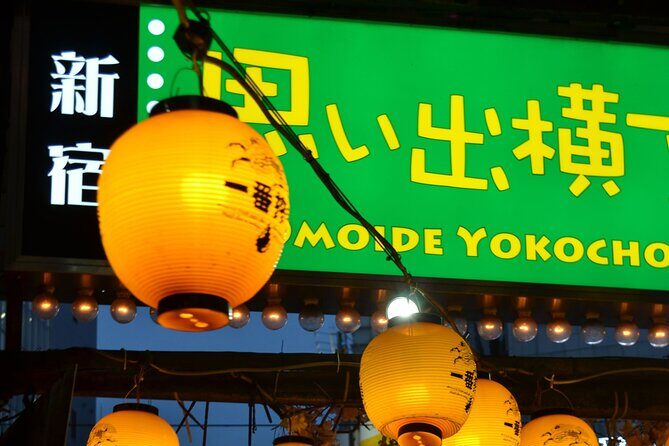
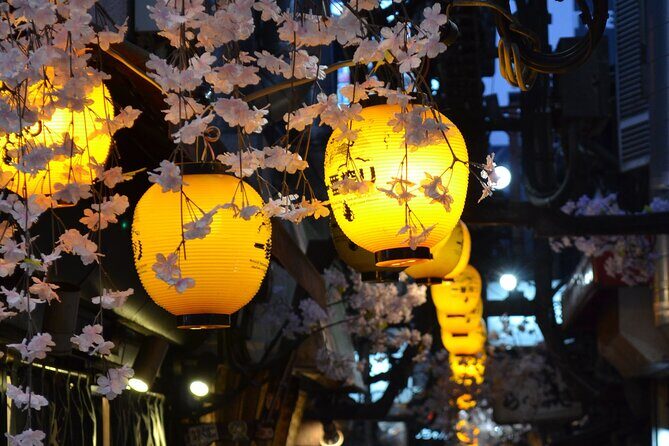
Omoide Yokocho is the kind of place where you instantly understand why people come to Tokyo at night. The lane is lit with old-style lanterns, and the whole street feels like a throwback to the postwar era. You’re not just taking photos—you’re also getting the context that turns the scene from pretty to meaningful.
A big practical win here: you get a short, guided introduction in about 10 minutes. That’s enough time to understand the layout and vibe, without forcing you to commit to a long stay before you’ve seen the rest of the neighborhood.
If you care about photography, this stop is made for it. The narrow alley shapes the light, and the lanterns give you that classic night atmosphere even if your camera settings aren’t perfect. If you want a clean shot, step back into the flow of the alley, let people pass, then frame with the lanterns as your background.
One caution: the area is narrow, so moving for photos is a little like moving in a hallway. You’ll enjoy it more if you keep it easy—pause, shoot, step aside—rather than stopping dead in the middle.
Golden Gai: tiny bars, big personalities, quick orientation
Next you head to Shinjuku Golden Gai, famous for its tight cluster of small bars. The appeal is simple: over 200 tiny bars fit into just a few alleyways, so it feels like a maze where each turn could lead to a different personality.
You’ll spend about 10 minutes here, which is the right amount for a first-time look. You don’t need to know the layout perfectly because the guide does that for you—you’ll learn what to notice as you walk: the themes, the storefront feel, and the sense that Golden Gai is about character rather than size.
The main drawback of Golden Gai is also why it works: because the bars are tiny, you can’t expect a long, sightseeing stroll that turns into a full hang. This stop is about seeing and understanding the neighborhood, not settling in for an hour-long drink. If you end up wanting to come back for a longer experience, you’ll at least know which alleyways feel right after this intro.
If you’re worried about walking in tight streets at night, this is a good place to remember: you’re not wandering alone. Staying with the group is the point, and it keeps you from losing time or taking the wrong turns.
Hanazono Shrine: a quiet reset inside the city’s noise
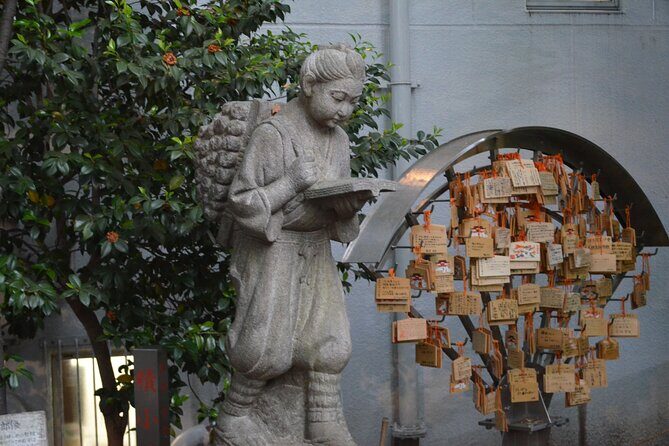
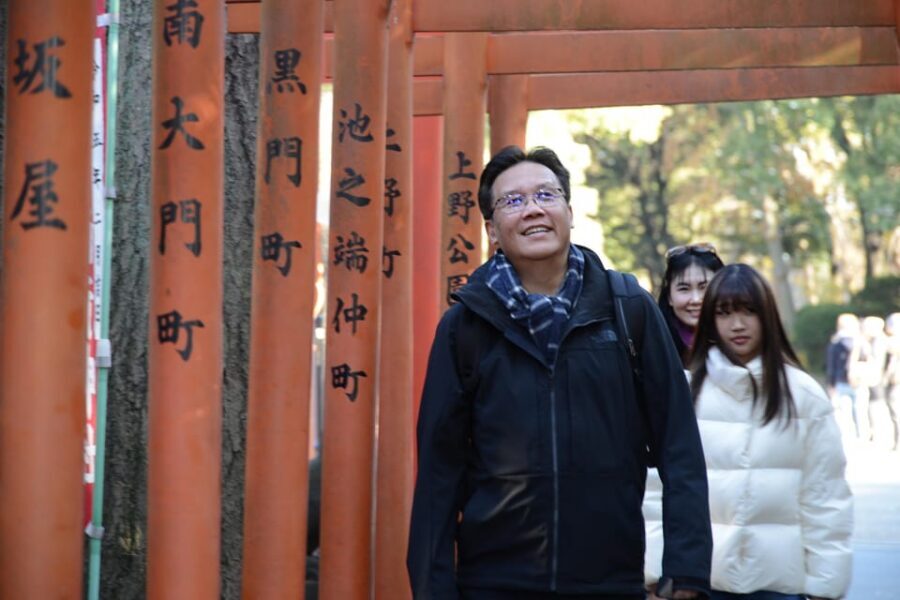
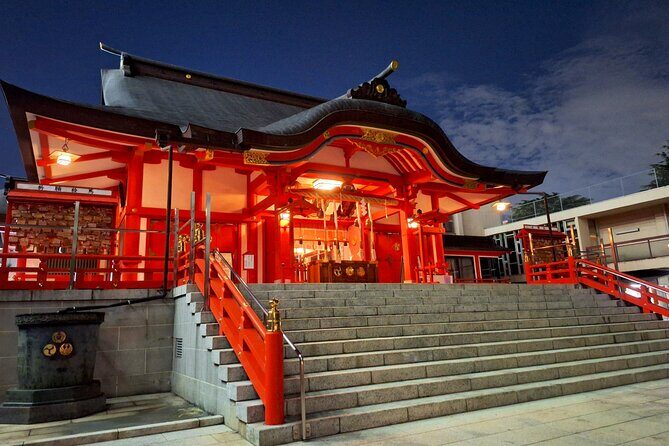
Then comes a different mood: Hanazono Shrine. It’s a Shinto sanctuary tucked close to Shinjuku’s night lights, and stepping in feels like putting your hand over a speaker. Even if you’re not into religious sites, you’ll probably appreciate this stop because it gives your eyes and brain a breather.
You get about 10 minutes here, which is short, but the value comes from contrast. After neon streets and alley views, a calm shrine scene helps you reset. It also makes the rest of the tour more enjoyable because you’re not just stacking photo stops—you’re experiencing a real rhythm to the evening.
What I like about this kind of tour layout is that it doesn’t treat tradition as a postcard-only stop. The shrine isn’t just scenery. It’s a moment of stillness among the city’s nightlife energy.
Practical tip: move respectfully and keep your pace steady. Nighttime crowds can swirl around entrances, so a calm, deliberate posture will help you feel at ease—and it keeps the group flowing.
Kabukicho and Tokyu Kabukicho Tower: neon streets plus a modern entertainment hub
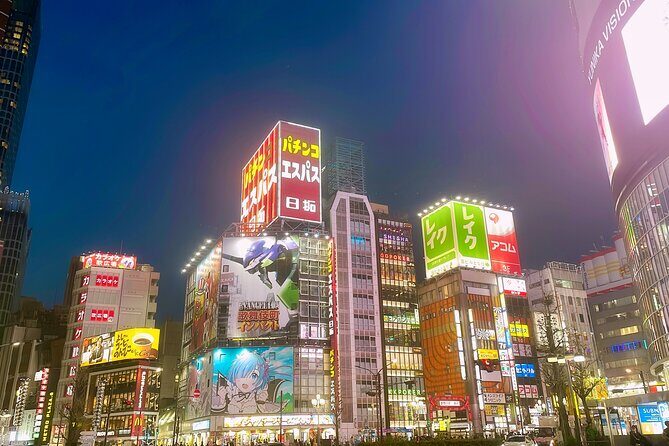
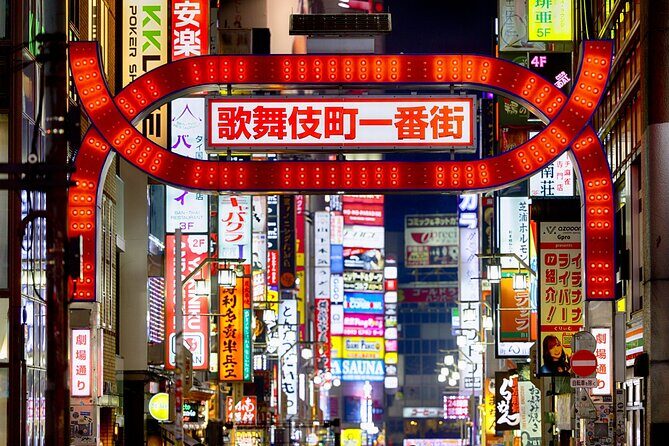
Kabukicho is the part of Shinjuku most people can recognize even from far away. This is Japan’s entertainment district where the signs look like they’re competing to get your attention. On the tour you’ll walk through it with a guided route, so you’re not just drifting through on vibes—you’re learning how the district functions and what kinds of venues dominate the area.
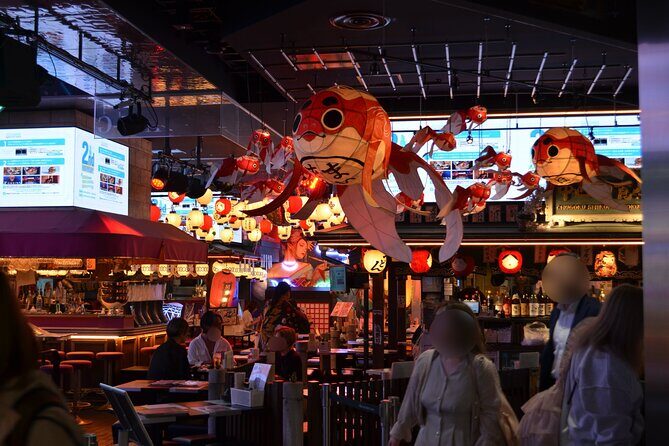
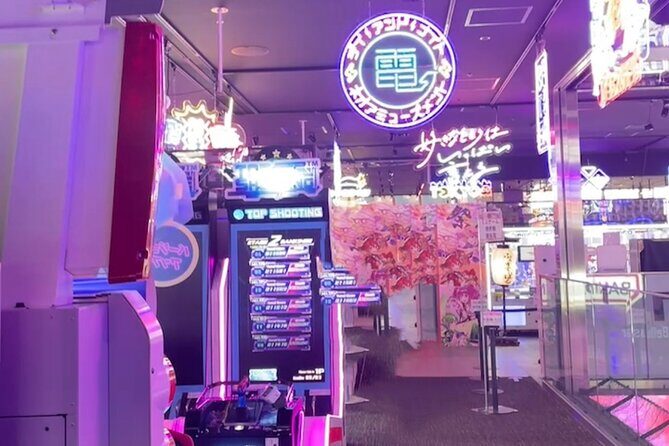
You also spend time at Tokyu Kabukicho Tower, about 20 minutes. This is where the tour gets more layered. You’re not only outside in the street-level chaos—you’re inside a modern complex that still nods to nostalgia in its own way, including a nostalgic-style izakaya food court.
For food lovers, this matters because it gives you a second option for what to do next. You’ve got nightlife energy outside, but if you’d rather sit, eat, and watch people from a bit more comfort, a tower complex is an easy pivot.
Even better, there are city-view moments associated with the tower experience. You don’t need to know anything technical about views to appreciate it. Looking out over Shinjuku after the alley stops helps you understand the scale. It’s like zooming out on the map in real life.
A consideration: Kabukicho can feel intense if you don’t like big crowds or loud street signage. This tour doesn’t force you to stay in the loudest spots longer than planned, but the district is still the district. If you’re sensitive to noise, plan to use Hanazono as your built-in calm break.




Purikura: the included photo sticker booth that becomes your souvenir
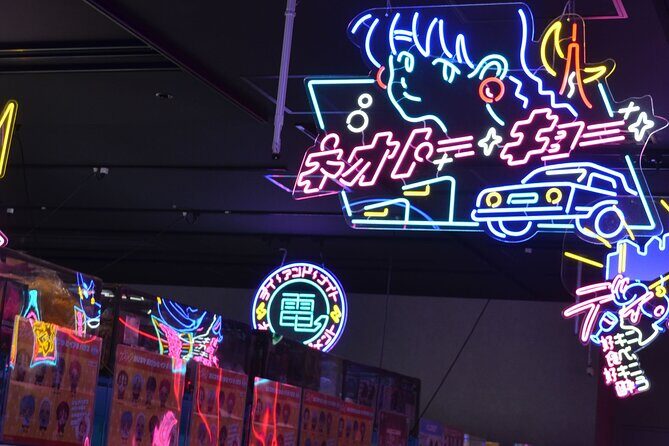
This tour includes Purikura, the Japanese photo sticker booth experience, with the fee already covered. That’s a major value add, because Purikura is one of those things that’s hard to justify spending time and money on when you’re trying to keep your Tokyo budget under control. Here, it’s part of the package.
What to expect: you’ll do the photo-sticker session as part of the tour flow. Even if you’ve never done Purikura before, it’s usually pretty straightforward—pick the style, take the photos, then get sticker-style prints you can take home.
Why I think this belongs on an after-dark tour: it connects the modern neighborhood energy to something you can physically keep. Neon streets are fun, but a photo sticker set is a more personal memory. It’s also a low-effort, high-reward activity. You’re doing something playful while the city is doing something theatrical.
If you want your Purikura results to look better, keep one practical thing in mind: bright, clean-looking outfits photograph well. You don’t need to wear something new—just try to avoid very dark layers if you’re aiming for a more vivid sticker look.
Price and timing: what $31.87 buys you in Shinjuku at night
At $31.87 per person for about 1.5 hours, this tour is priced like a focused introduction, not a full-day deep dive. The value is in the combination: you’re covering several high-interest areas that would take time to string together yourself, plus you’re getting the Purikura activity included.
The free nature of admissions at the main stops also helps your math. You’re not paying extra just to walk and learn around. You’re paying for the guide’s route knowledge, the pacing, and the included Purikura fee.
Timing is another part of the value. The route is compact enough that you can fit it into an evening without sacrificing your whole night to just sightseeing. That matters in Tokyo, where you may want to eat, shop, or just wander after your guided block ends.
One more planning detail: this tour is commonly booked about 83 days in advance on average. That’s a hint to lock in your date if you’re traveling in peak season or if your schedule is tight. With a max group size of 12, popular evenings can fill up.
How the guide improves the whole experience
The strongest praise this tour earns is about being easy and a great intro—plus an excellent guide. That’s exactly what a good Tokyo night tour should do: take a place that can feel overwhelming and help you understand it quickly.
In practice, that means you spend less time questioning where to go next and more time noticing details. It also means you get a smoother experience through the tricky parts of Shinjuku—dense streets, busy entrances, and areas that look similar if you don’t know what you’re looking at.
Another subtle benefit: the tour ends in a spot with plenty of dining options, and the guide can help with directions and recommendations. That’s not just comfort. It’s smart time management. Instead of spending your energy searching for a restaurant with a dead phone battery and a hungry stomach, you’re already set up to eat.
Who should book this Shinjuku after-dark walk
This is a strong match if you:
- Want a first taste of Shinjuku’s nightlife without planning a complicated route
- Like a mix of postwar alley atmosphere and modern pop-culture fun
- Care about photos, especially with Omoide Yokocho and the included Purikura
- Prefer small-group pacing (maximum 12) so the experience feels organized rather than chaotic
You might choose something else if you:
- Want a long, seated food tour with lots of eating time (meals aren’t included, and stops are brief)
- Need very quiet environments for the whole evening (Kabukicho is loud by design, even though the tour offers a shrine reset)
Should you book this tour?
Book it if you want a simple, fun way to experience Shinjuku after dark while actually understanding what you’re seeing. The combination is smart: alley tradition, tiny-bar neighborhood atmosphere, a shrine calm break, neon entertainment district energy, and a modern souvenir that’s included.
Skip it if your goal is a slower night with lots of extra time in one specific place. This tour is built for coverage and orientation in about 90 minutes. It’s best as your first night in Shinjuku—or your second evening when you already know the basics and want to add structure.
If your Tokyo evenings tend to get planned at the last minute, this is also a good fix. It gives you a ready-made plan that doesn’t require you to decode Shinjuku maps while you’re tired.
FAQ
How long is the Tokyo After Dark Shinjuku Tour?
It’s about 1 hour 30 minutes.
How much does the tour cost?
The price is $31.87 per person.
What’s included in the tour price?
You’ll get a local tour guide plus the Purikura photo sticker booth experience fee.
Are meals included?
No, meals are not included.
Where do I meet the tour?
You meet at Shinjuku Station East Exit Police Box, 3-chōme-38-1 Shinjuku, Shinjuku City, Tokyo 160-0022, Japan.
Where does the tour end?
The tour ends at Hanazono Shrine, 5-chōme-17-3 Shinjuku, Shinjuku City, Tokyo 160-0022, Japan, in an area with dining options nearby.
Is there a limit on group size?
Yes. The tour has a maximum of 12 travelers.
What is the cancellation policy?
You can cancel for a full refund up to 24 hours before the experience starts. Changes within 24 hours of the start time aren’t accepted, and refunds aren’t available if you cancel less than 24 hours before.