REVIEW · TOKYO
Discover the Secrets of Pachinko, Japan’s Traditional Game
Book on Viator →Operated by Discover the Secrets of Pachinko, Japan's Most Popular Game with Professional Pachinko Instructor · Bookable on Viator
Pachinko looks like luck until it gets taught. The best part of this experience is how clearly the instructor breaks down the pachinko flow—from loading credits with an IC card to firing balls with the handle—then gives you practical aiming tips for the center pocket. The main thing to keep in mind is that the tour price doesn’t cover the machine play fee; you’ll still need to pay a token/ball rental cost of 4,000 JPY per person once you’re there.
I also love the structure: a short rules and manners briefing (about 5–10 minutes) right in the parlor, then hands-on practice with an expert trainer. It’s a small group too, capped at 10 people, so you’re not just standing there hoping someone notices you’re confused.
If you’re on a tight schedule, plan for about 1 hour 15 minutes total and keep your expectations realistic. Winning can happen, but it’s not guaranteed—what you get for sure is the skill to play without guessing.
In This Review
- Key highlights before you go
- Why Nippori and BB Station make sense for a first pachinko lesson
- Your 5–10 minute rules and manners briefing (why it helps more than you think)
- Learning pachinko the real way: IC card credits to the handle flick
- Aiming for the center pocket: the technique that makes it click
- Price and value: $70.73 is the lesson, not the playing chips
- What 1 hour 15 minutes feels like in a pachinko parlor
- How the small group (max 10) changes your learning curve
- What to expect inside the parlor: noise, lights, and simple manners
- Included, not included, and the small practical details that affect your day
- Should you book this pachinko lesson near Nippori?
- FAQ
- How long is the pachinko experience?
- Where do I meet for the tour?
- What is the price, and is there an extra fee for tokens or balls?
- What does the tour price include?
- How do you load credits for the machines?
- What is the maximum group size?
Key highlights before you go
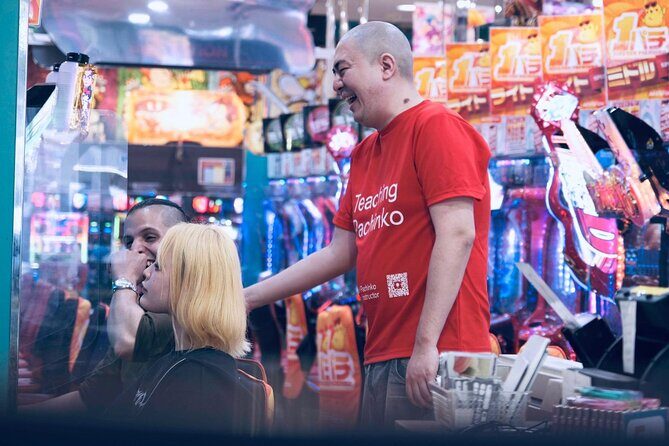
- BB station is your quick-entry pachinko parlor near Nippori, so you’re not hunting around Tokyo for the right building.
- A 5–10 minute pre-play rules and etiquette chat keeps the experience smooth once you’re inside.
- IC card credits to handle flicks: you’ll learn the full game routine, not just the fun part.
- Handle positioning for aiming the center pocket gives you a technique, not just vibes.
- Small group size (max 10) means you can ask questions while you’re playing.
- Budget for the 4,000 JPY token/ball rental fee since it’s not included.
Why Nippori and BB Station make sense for a first pachinko lesson
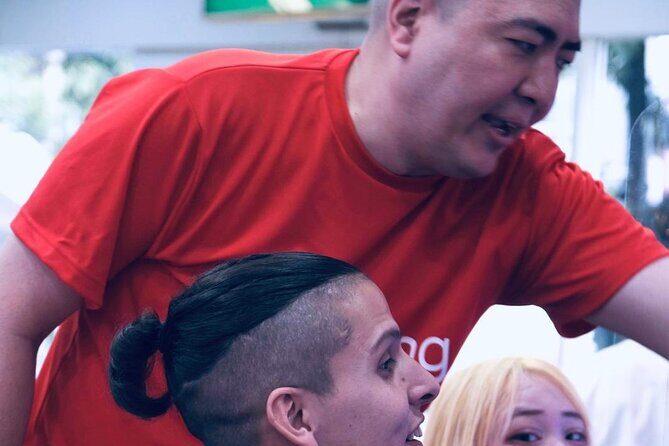
If you’ve never played pachinko, the biggest problem in Tokyo isn’t the game. It’s finding your bearings in a parlor that’s bright, loud, and packed with machines. Starting near Nippori Station helps a lot, because you can arrive focused instead of stressed.
This lesson takes you to a nearby parlor called BB station, which is a practical choice for beginners. You get the benefit of showing up, getting oriented, and then jumping into actual play while the instructions are still fresh in your head. That matters because pachinko is one of those games where little movements and timing matter.
Also, the location is convenient by public transportation, which makes it easier to fit into a normal day of sightseeing. Tokyo is great, but walking from one end of the city to the other just to play one game can drain your energy fast.
You can also read our reviews of more tours and experiences in Tokyo.



Your 5–10 minute rules and manners briefing (why it helps more than you think)
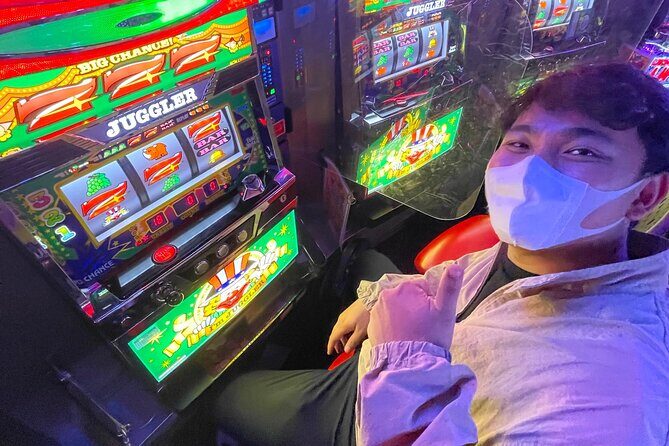
Before you touch a machine, you get a short intro—roughly 5 to 10 minutes—covering the basics of how the parlor works and the main rules and manners inside. This part might sound small, but it pays off immediately.
Here’s what you’re avoiding by learning this up front:
- You won’t be the person standing in front of a machine, pressing things randomly.
- You’ll know what you’re supposed to do during the cycle of credits, firing, and clearing.
- You’ll feel more comfortable staying calm in a loud environment where most people already know the rhythm.
Parlors have their own flow. When you understand how people are moving between machines, what to do after each round, and how to handle your setup, you waste less time figuring it out alone. That’s the difference between enjoying your first hour and spending it learning how to not get in the way.
Learning pachinko the real way: IC card credits to the handle flick
The core of the experience is hands-on coaching through the pachinko routine.
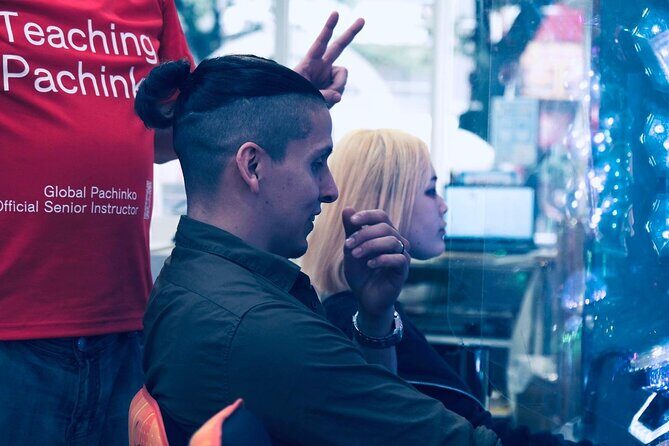
You start with the money side of the game: purchasing credits using an IC card. That’s a big practical win because it’s the modern, convenient way to load value into the system, rather than fumbling with cash. Once credits are loaded, the instructor walks you through the moment that changes everything: launching the balls.
Pachinko is physical. Even if you’ve watched it on video, you won’t really understand until your hand is doing it. The handle flick matters. So does your body position in front of the machine. So does whether you’re thinking one step ahead—because you’re setting up the next ball as the current one finishes its path.
This lesson keeps you from turning pachinko into a guessing game. The instructor isn’t just saying how to play. You’re learning the game flow so you can actually follow what’s happening on the screen and understand what your actions are likely to cause.
Aiming for the center pocket: the technique that makes it click
Here’s the tip that beginners usually crave: how to aim for the center pocket with precision.
The instructor shows you how to adjust the handle’s position, and how small changes can influence where the ball starts its journey. I like this approach because it gives you something actionable. Instead of hoping for luck, you’re learning a method.
Even if you never become a pachinko champion (and honestly, most people don’t in one session), the difference is immediate:
- You start recognizing patterns in how your technique changes outcomes.
- You stop doing only the default move and start experimenting within the rules.
- You feel like you’re participating, not just consuming noise and lights.
That’s also why this lesson tends to work well for people who are nervous. You’re not expected to “get it” instantly. You’re guided into the mechanics until your brain stops treating each round as total randomness.
Price and value: $70.73 is the lesson, not the playing chips
Let’s talk numbers like a budget-minded friend.
The tour price is $70.73 per person for a 1 hour 15 minute experience. The listing also includes gratuities, which is nice because it removes one small decision from your planning. Mobile ticket is offered, so you shouldn’t have to print anything.
But the big value question is the extra cost once you’re at the parlor: 4,000 JPY per person for renting tokens/balls. That is not optional if you want to play, and it’s separate from the tour price.
So is it still worth it?
- Yes, if you’re new and want your time in a parlor to be guided and efficient.
- Yes, if you want the confidence of learning credits loading (IC card) plus the handle technique without trial-and-error stress.
- It might not be worth it if you’re already experienced and mainly want free-form play.
Think of the price as paying for instruction and setup. The playing fee is the cost of participating in pachinko itself.





What 1 hour 15 minutes feels like in a pachinko parlor
One hour 15 minutes sounds short. In practice, it’s a good length for first-timers.
You get:
- A brief rules/manners run-through (about 5–10 minutes),
- Then actual play and coaching for the rest of the time.
The time limit creates a good focus. You don’t get stuck wandering between machines trying to figure out what to try next. You also avoid the fatigue that can happen in a high-noise environment when a session drags on.
One practical note: you’ll probably want to ask questions while you’re playing, not during the briefing. The instructor can adjust advice based on what you’re doing right then, which makes the feedback feel instantly useful.
And in at least one experience, the instructor was even willing to stay a bit longer after the scheduled hour when a machine was hot—so don’t be surprised if you get extra explanation when there’s something worth talking about.
How the small group (max 10) changes your learning curve
With a maximum group size of 10, you’re more likely to get real help instead of generic tips.
In larger groups, pachinko lessons often turn into: watch the instructor, then go do your best. Here, the setup feels closer to coaching. You can get your technique corrected, and you’re not left to decode the machine by yourself.
This matters because your first goal isn’t winning big. It’s learning how to:
- operate the credits system you’re using,
- set your position correctly,
- and coordinate your handle flick so your next attempts build on what just happened.
Smaller groups make those corrections possible while you’re still in the flow of the game.
What to expect inside the parlor: noise, lights, and simple manners
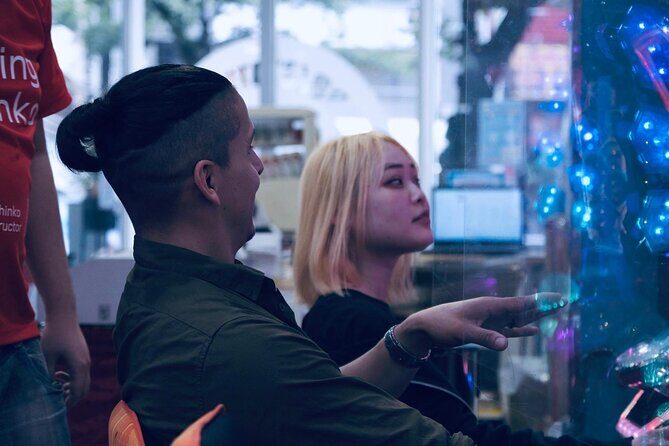
Pachinko parlors are sensory-heavy. Expect bright displays, constant machine action, and lots of sound. That’s normal. Your job is to stay oriented and keep moving in a way that doesn’t block others.
The instructor’s pre-play briefing is specifically there to help you understand what’s expected. So pay attention to manners and basic rules. Not because you’ll do anything wrong by accident—but because knowing what’s considered respectful makes the whole experience feel smoother.
Also, plan to be flexible. If you’re used to quiet museums and walking tours, this is a different vibe. The goal here is fun with technique, not silence and observation.
Included, not included, and the small practical details that affect your day
Included:
- Gratuities are included.
- Mobile ticket is used for the experience.
Not included:
- Bottled water.
- Token/ball rental fee: 4,000 JPY per person.
That water detail sounds minor until you’re 30 minutes into a noisy session and realize you didn’t bring a plan. If you can, buy water before or bring your own. The playing fee is fixed, but comfort is adjustable.
Should you book this pachinko lesson near Nippori?
Book it if:
- You’re trying pachinko for the first time and want a professional instructor guiding the key steps (IC card credits, handle operation, and aiming).
- You want a short Tokyo activity that feels uniquely Japanese without needing prior experience.
- You’re fine paying the separate 4,000 JPY token/ball rental fee because that’s part of how you actually play.
Skip it (or change your expectations) if:
- You’re already very comfortable with pachinko mechanics and mainly want open-ended time.
- Your budget can’t handle extra in-parlor costs beyond the tour price.
My take: this is a smart first-play setup. You trade a little money for a lot of clarity, and you leave knowing what to do next time. Pachinko becomes a skill instead of pure roulette.
FAQ
How long is the pachinko experience?
The experience is about 1 hour 15 minutes.
Where do I meet for the tour?
You start at Nippori Station (2 Chome-19 Nishinippori, Arakawa City, Tokyo 116-0013, Japan), and the tour ends back at the meeting point.
What is the price, and is there an extra fee for tokens or balls?
The tour costs $70.73 per person. You must also pay 4,000 JPY per person to rent tokens/balls.
What does the tour price include?
Gratuities are included. Bottled water is not included.
How do you load credits for the machines?
You’ll learn how to purchase credits using an IC card.
What is the maximum group size?
The group is capped at 10 people.