REVIEW · HAKONE
Easygoing Nature Walk in Hakone Tour
Book on Viator →Operated by Yoshi · Bookable on Viator
Hakone nature feels personal at walking speed. This easygoing tour helps you spot plants and animals in Hakone without steep climbing, and it comes with handy binoculars so you can actually see what the guide sees. I also love that the route stays fairly flat, which makes it simple to enjoy the sights instead of rationing your energy.
One heads-up: it’s an outdoor experience and depends on decent weather, so you’ll want to pack for rain just in case and stay flexible if conditions change.
In This Review
- Key highlights to decide fast
- Why this easy Hakone nature walk works for almost everyone
- Getting to the start: Hakone Botanical Garden of Wetlands to Togendai
- Stop 1: Hakone Botanical Garden of Wetlands and its 1,700 plants
- Stop 2: Sengokuhara susuki grass fields without tough hiking
- Stop 3: Hakone Visitor Center for trails and English help
- The guide factor: how Yoshi-san makes sightings click
- What to bring and what to wear on a flat walk
- Price and value: $39.19 for a small-group nature guide
- Weather, wildlife, and what to expect (and not assume)
- Should you book this easygoing nature walk in Hakone?
- FAQ
- How long is the Easygoing Nature Walk in Hakone tour?
- What does the tour include?
- Are admission tickets required for all the stops?
- What is the maximum group size?
- Where do you meet and where does the tour end?
- Is the walking route difficult?
- What is the cancellation policy and how does weather affect it?
Key highlights to decide fast
- Binoculars included for spotting birds, insects, and far-off geological features
- Wetlands garden with 1,700 wild plants (including 200 marsh plants)
- Sengokuhara susuki fields with a short, easy walk and free admission
- English-friendly context at the Hakone Visitor Center (leaflets and short videos)
- Small group size (max 5) for questions and closer attention
- Ends at Togendai station, a convenient base for boats and onward travel
Why this easy Hakone nature walk works for almost everyone
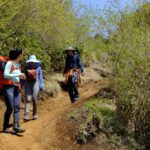
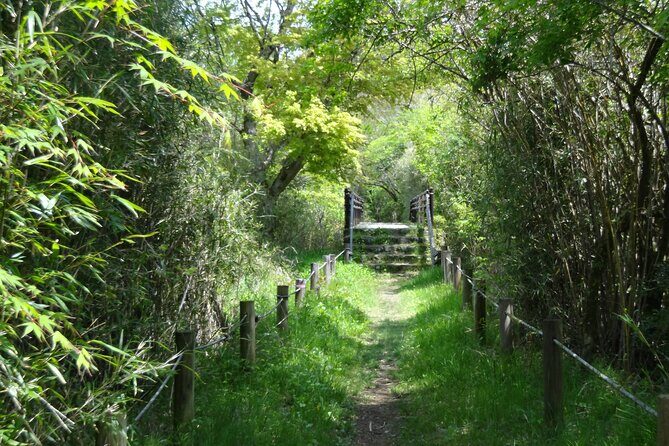
This is Hakone at a human pace. Instead of tackling steep mountain trails, you move through relatively flat areas where you can slow down and really look. That matters because the cool stuff here is often small: a bird perched higher than you’d guess, a plant tucked into wet ground, or wildlife moving just out of sight.
The tour also gives you tools, not just instructions. Each person gets binoculars during the walk, which is a big deal in Hakone because sightings tend to be spread out. You’re not stuck doing blurry guesswork with your phone camera.
And the setting has real variety in a small time window. You bounce between wetlands plants, the seasonal susuki grass fields, and a visitor center that helps connect what you’re seeing to the bigger picture of Hakone’s ecology and trails.
You can also read our reviews of more tours and experiences in Hakone.

Getting to the start: Hakone Botanical Garden of Wetlands to Togendai
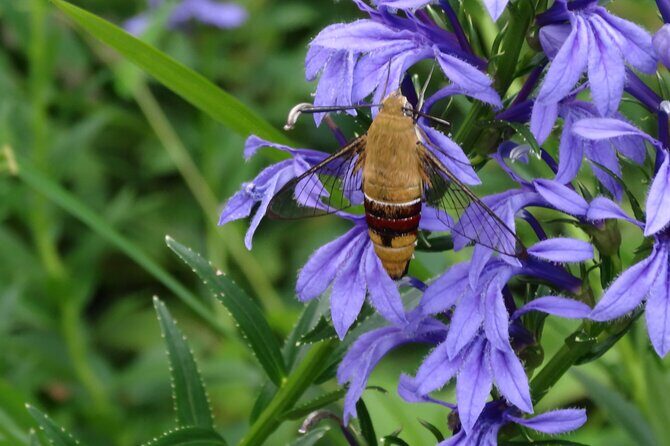
You start at Hakone Botanical Garden of Wetlands (817 Sengokuhara, Hakone). The tour begins at 9:00 am, and the end point is Togendai station (north shore of Lake Ashi). I like this layout because you’re not stuck returning the same way.
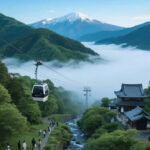
Togendai is a practical finish. From there you can tap into public buses, sightseeing boats (for the Hakonemachi and Motohakone areas), and even the ropeway connection toward Gora/Miyanoshita. If you’re planning a lake cruise next, ending here makes your day easier.
If you’re coming from Tokyo, it’s also helpful that the guide is able to assist with getting to the meeting point. That kind of support saves time when train transfers and station exits start to blur together.
Stop 1: Hakone Botanical Garden of Wetlands and its 1,700 plants
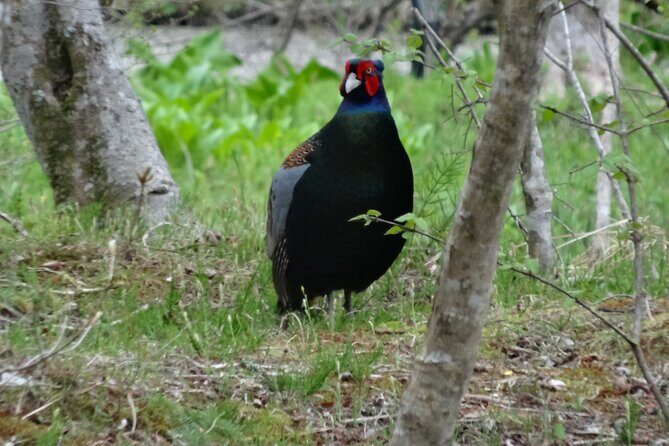
This is the “look closely” part of the tour. You’ll spend about 1 hour 30 minutes at the Hakone Botanical Garden of Wetlands, where the focus is on wild plants. The garden hosts 1,700 wild plants, including 200 marsh plants. That’s a lot of variety packed into a garden setting, and it’s exactly the kind of place where a trained guide changes your experience.
What I’d expect you to enjoy here is the way you’re guided to notice details you’d normally miss. Instead of just walking through, you get pointed toward seasonal plants and you learn which species are endemic to this region and parts of Japan. You’ll also get context for why wetlands matter for wildlife, since this habitat supports creatures that don’t thrive in drier areas.
A common “aha” moment in places like this is realizing that wetland life isn’t only about flowers. If the guide mentions resident and migratory birds, insects, and even local fish, it helps you connect the dots between plant types and the animals that depend on them.
Value check: admission is included here, and the garden is the longest stop. If you only like “active” nature with animals, you’ll still get plant depth—but you’ll likely start seeing how the plants are the foundation for everything else.
Stop 2: Sengokuhara susuki grass fields without tough hiking
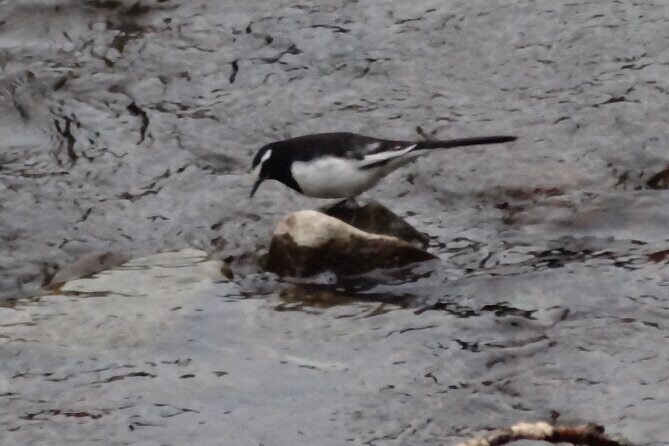
Next comes the Sengokuhara susuki grass fields (about 40 minutes). This part is visually dramatic even when you keep the pace easy. It’s one of the remaining pampas grass fields in Japan, and the field is tied to daily life too—pampas grass was once used for roofing and for feeding livestock.
The practical win is that this stop is short. You get a strong visual payoff without committing to a long hike. Even better, admission is free, so there’s less “pay extra to see the best part” stress.
Bring a little patience for timing. Susuki fields are seasonal, and Hakone weather can switch quickly. If you arrive on the right day, you’ll feel like you stepped into a living illustration—wind moving grass heads, long sight lines, and birds working the edges.
One more thing: this is also where the binoculars can matter. Grasses are tall enough that wildlife can hide in plain sight. Your guide will help you aim and look, which is the difference between seeing shapes and actually recognizing what you’re looking at.
Stop 3: Hakone Visitor Center for trails and English help
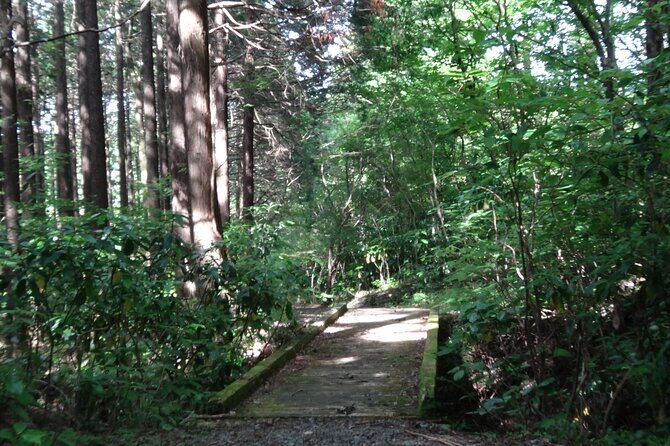
The last stop is the Hakone Visitor Center (about 1 hour 20 minutes), and it works like the tour’s reset button. Admission is free, and the center is designed for people who want quick, clear orientation.
You’ll find English materials: introductory leaflets and short introductory videos. Then you can use what you learn to understand the trail network around the facility. That’s useful because Hakone is full of routes, and it helps to know what connects where before you start wandering on your own later.
I like visitor centers when they do two things: they explain how to interpret what you saw, and they give you next steps. Here, the “next steps” are the surrounding trails, so you’re not just ending the tour with memories—you’re ending with a map in your head.
Even if you think you’ll only be a “walk and look” person, this stop can make your nature sightings click. Plants, bird habits, and habitat types start to feel less random.


The guide factor: how Yoshi-san makes sightings click
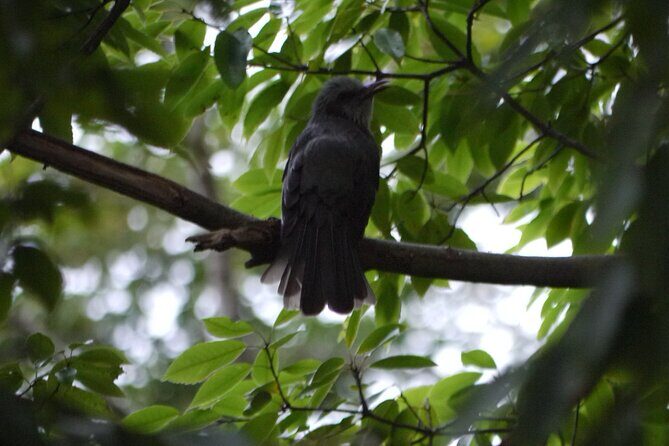
The guide for this tour is Yoshi (often referenced as Yoshi-san). This matters more than you’d think. In Hakone, the nature is not only pretty—it’s specific. The tour description points out unique creatures and geological aspects, and the way the guide connects plants, habitat, and wildlife can turn random observation into real understanding.
From the experience approach, you should expect practical guidance: where to look, when to pause, and how to use binoculars effectively. The tour also emphasizes a certified nature guide, so you’re not just following someone who knows the route—you’re following someone who can explain what you’re seeing.
There’s also real flexibility. If weather makes the route less pleasant, the guide can adjust courses to keep it easier. That kind of decision-making is a quiet quality signal. Rain happens in Hakone, and it’s better when the plan adapts than when you’re forced to trudge through discomfort.
One more thing that’s genuinely useful: support with directions from Tokyo. Not everyone travels in with a clean, simple itinerary, and having help getting to the start can reduce stress before you even begin looking for birds.
What to bring and what to wear on a flat walk
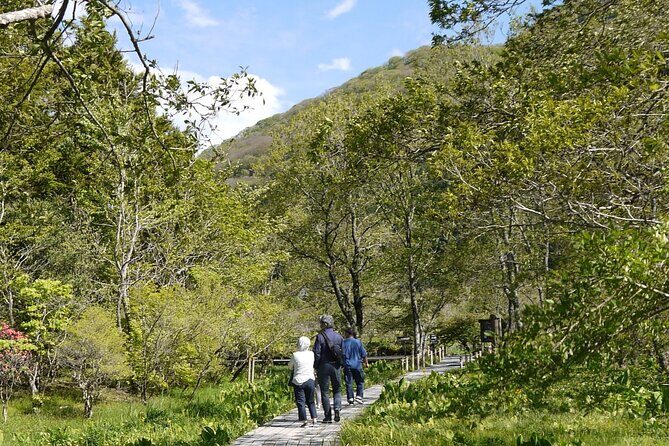
Even though the walk is described as relatively flat, you’ll still want comfortable shoes. The tour doesn’t include hiking shoes or sneakers, and it also doesn’t include a bottle of water or an umbrella.
So I’d pack:
- a light rain layer (umbrella if that’s your thing)
- comfortable walking shoes or supportive sneakers
- water, since you’re out for about 3.5 hours
Also, be ready for binocular use. Since binoculars are provided, you don’t need your own. But you should be prepared to stop for quick viewing pauses. Bring a calm attitude; the best sightings often come when you’re willing to wait a minute.
If you’re traveling with kids, this kind of pace can work well. A gentle nature walk lets younger guests enjoy the experience without feeling like they’re on a survival trek.
Price and value: $39.19 for a small-group nature guide
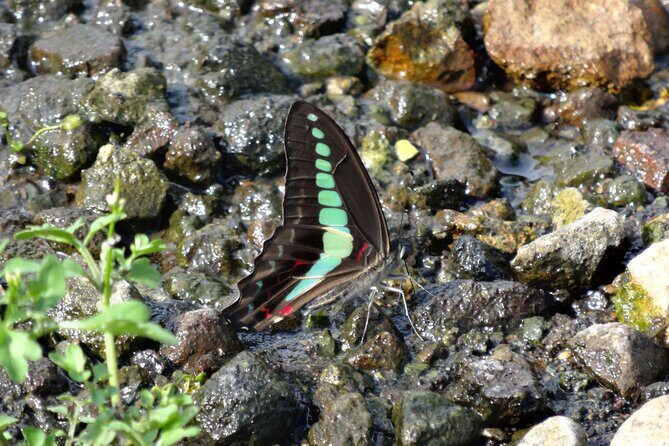
At $39.19 per person, this tour sits in a “reasonable and focused” zone. The main reason it’s good value is what’s included: admission to the Hakone Botanical Garden of Wetlands, plus binoculars and an introductory handout.
Let’s be honest: if you’re paying for a guided experience, you want more than directions. You want someone to interpret what you’re seeing. This tour’s structure—wetlands garden, grass fields, then a visitor center—gives that interpretation in steps, not all at once.
Group size helps too. The maximum is 5 travelers, which usually means fewer people for questions and more chances to get help spotting something specific. If you’ve ever been on a larger tour where you just trail behind, this small size is part of the appeal.
One more practical point: the tour offers a mobile ticket and lists group discounts as a feature. If you’re traveling with family or friends, it’s worth checking how those discounts apply during booking.
Weather, wildlife, and what to expect (and not assume)
This is a nature-and-wildlife tour, but it’s not a wildlife guarantee. The tour suggests you may spot resident and migratory birds, insects, local fish, and if you’re lucky mammals like weasels, deer, foxes, or raccoon dogs.
That’s normal for nature viewing. In real life, animals show up when they feel like it. What you can count on is the guided skill: learning where and how to look. The binoculars are there because you’ll often be scanning rather than chasing.
Weather is a bigger factor than many tours. The experience requires good weather, and if it’s canceled due to poor weather, you should be offered a different date or a full refund. Also, because you’re outdoors most of the time, bring rain-friendly clothing even if the forecast looks friendly.
As for pace, the description emphasizes no steep mountain hiking. You should feel comfortable if you generally handle walking on mixed garden paths, but don’t treat it like a full “sit on a bench” outing. It’s easygoing, not stationary.
Should you book this easygoing nature walk in Hakone?
Book it if you want a calm, guided day that teaches you what you’re looking at. This is ideal for first-time nature walkers in Hakone, families who prefer gentle movement, and anyone who likes wildlife and plants but doesn’t want steep climbs.
Pass or rethink it if you’re mainly chasing big-ticket thrills or long, rugged hikes. This tour is intentionally “slow and look.” If that’s not your style, you’ll probably wish for more hiking time.
FAQ
How long is the Easygoing Nature Walk in Hakone tour?
It runs for approximately 3 hours 30 minutes.
What does the tour include?
The tour includes a ticket to Hakone Botanical Garden of Wetlands, binoculars, and an introductory handout.
Are admission tickets required for all the stops?
Admission is included for Hakone Botanical Garden of Wetlands. Sengokuhara susuki grass fields and the Hakone Visitor Center are listed as admission free.
What is the maximum group size?
The tour has a maximum of 5 travelers.
Where do you meet and where does the tour end?
You start at Hakone Botanical Garden of Wetlands at 9:00 am and end at Togendai station.
Is the walking route difficult?
The tour is designed for guests who want an easy pace, with walking in relatively flat areas rather than steep mountain hiking.
What is the cancellation policy and how does weather affect it?
You can cancel for a full refund up to 24 hours before the experience starts. The tour requires good weather, and if it’s canceled due to poor weather, you’ll be offered a different date or a full refund.