REVIEW · OSAKA
Enjoy artistic TEMPURA Cooking Class
Book on Viator →Operated by Sakura Cook · Bookable on Viator
Tempura tastes better when you make it. This Osaka tempura cooking class is a small-group, hands-on way to learn the batter-and-fry rhythm plus start your meal with dashi soup stock from scratch. You’ll be guided step by step, then sit down to eat the results of what you cooked.
What I like most is that you don’t just watch. You learn to make dashi first, then chop, fry, and finish six types of tempura (including seafood), and you eat everything you prepare. I also like that your instructor provides recipes you can take home, so the class actually sticks after you leave Osaka.
One consideration: two hours is plenty of time to learn the process, but not so long that you’ll turn into an expert on day one. If you’re expecting lots of extra downtime and slow coaching, you might want a longer session instead.
In This Review
- Key things to know before you go
- Tempura and Dashi in Osaka: Why This Class Feels More Like Skill-Building
- What You Actually Make in 2 Hours: 4 Veggies, 2 Seafood, and Dashi Stock
- The Class Rhythm: Apron On, Knives Up, Then Frying With Guidance
- Eating Your Work: Steamed Rice, Chilled Tofu, and the Calm Finish
- Small Group Comfort: Max 8 People Means Less Waiting and More Feedback
- Price and Value: Is $70.79 Worth It?
- Where It Starts: Meeting Point in Nishi Ward and a Smooth Setup
- Lunch or Dinner Choice: Pick the Timing That Matches Your Osaka Day
- Who Should Book This Tempura Class (and Who Might Skip It)
- Should You Book? My Practical Decision Guide
- FAQ
- How long is the tempura cooking class?
- What will I cook during the class?
- Will I eat the food I cook?
- Is the class lunch or dinner?
- How many people are in the group?
- Can I cancel for a full refund?
Key things to know before you go
- You start with dashi broth, learning the savory base that makes Japanese cooking click
- You make 6 tempura types: 4 vegetable and 2 seafood, including one big shrimp
- You eat the full class meal on the spot, with steamed rice and chilled tofu
- Small group size (max 8) helps you get real attention while you chop and fry
- You get recipes to take home, so you can practice after your trip
Tempura and Dashi in Osaka: Why This Class Feels More Like Skill-Building
Osaka is a great place to learn comfort food, and tempura is exactly that—crisp, light, and made to be eaten right away. The smart move here is that you don’t only learn frying. You also learn dashi, the Japanese soup stock that shows up as the backbone for flavor in lots of dishes.
I like how the flow is designed for beginners. You start with broth, then move into chopping and battering, and you end with a full meal that uses what you made. It’s a “learn by doing” setup that makes the techniques feel practical, not theoretical.
You’ll also get the chef-style habit that matters: making decisions while you cook. Tempura is all about timing and texture, and dashi is about building savory depth. This class gives you a chance to work with both instead of treating one piece as an afterthought.
You can also read our reviews of more cooking classes in Osaka
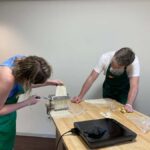
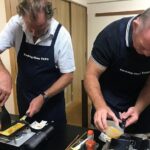
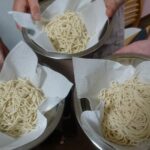
What You Actually Make in 2 Hours: 4 Veggies, 2 Seafood, and Dashi Stock
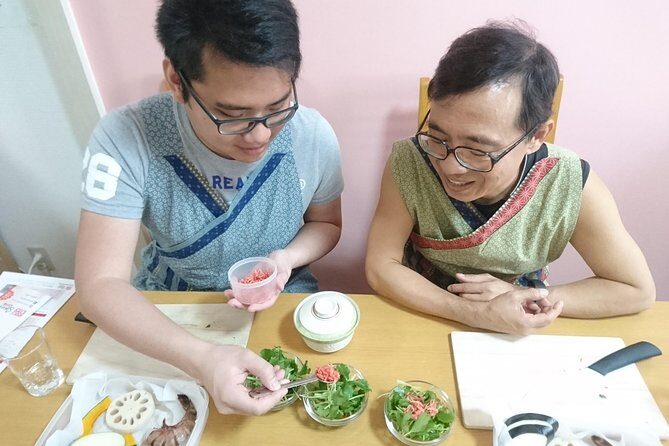
The cooking you’ll do is clear and specific, which is what I look for when I’m paying for a class. In about two hours, you’ll make six types of tempura and a Japanese soup stock (dashi).
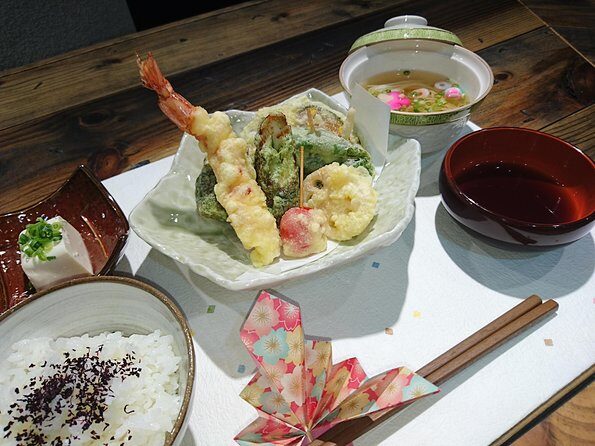
For the tempura, expect four vegetable tempura plus two seafood tempura. One of the seafood items includes a large shrimp, which is the kind of ingredient that helps you understand how batter and frying behave with different textures and sizes.
For the dashi, the class starts right at the beginning. You’ll be guided through making savory dashi broth and get tips for making a nice-looking, well-balanced soup. Even if you’ve never made it before, starting with stock teaches you how Japanese cooking builds flavor without relying on heavy sauces.
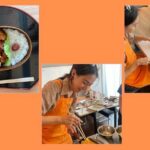
At the end, you won’t be waiting around for someone else’s food. You’ll place the dishes, then eat your meal with chopsticks, plus steamed rice and chilled tofu served alongside the tempura.
The Class Rhythm: Apron On, Knives Up, Then Frying With Guidance
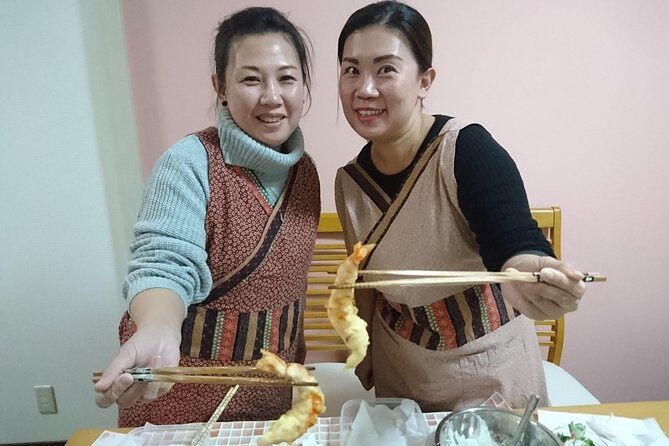
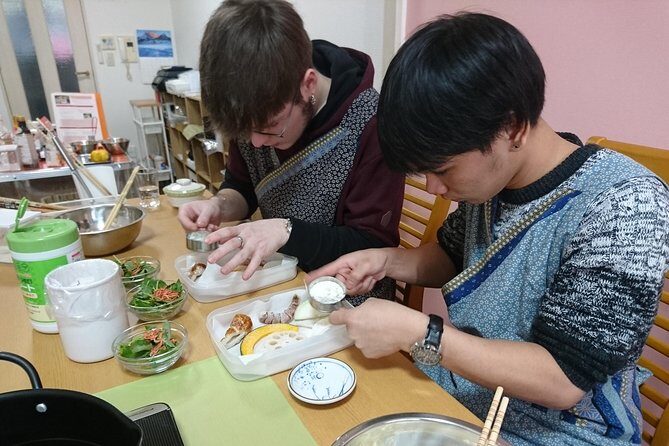
The experience starts by getting you ready. You’ll put on an apron, and the session begins with the traditional dashi step. That matters because it sets your context: you’re not just learning a single recipe—you’re learning how Japanese cooking layers flavor.
Next comes prep. Kitchen knives and chopping boards are provided, so you can focus on learning the cuts and getting the ingredients ready without bringing your own tools. The instructor guides you step by step, so you’re not left guessing about thickness, shape, or pace.
When it’s time to fry, tempura technique is where small details matter. You’ll be working on battering and frying as part of making multiple varieties, so you can notice how different ingredients behave—especially the seafood versus the vegetables. The fact that the class includes both kinds is a big plus if you want to understand the “why,” not only memorize steps.
A nice touch is that you’re not just making food and then leaving it behind. You’ll actually eat what you prepare, which pushes you to pay attention while cooking. It’s hard to zone out when your meal is about to land on your plate.
Eating Your Work: Steamed Rice, Chilled Tofu, and the Calm Finish
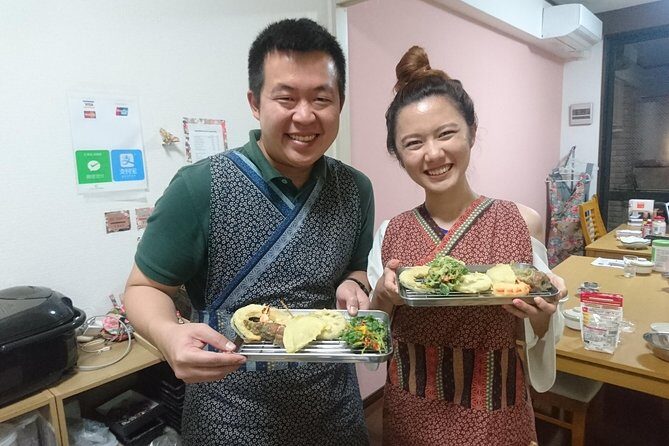
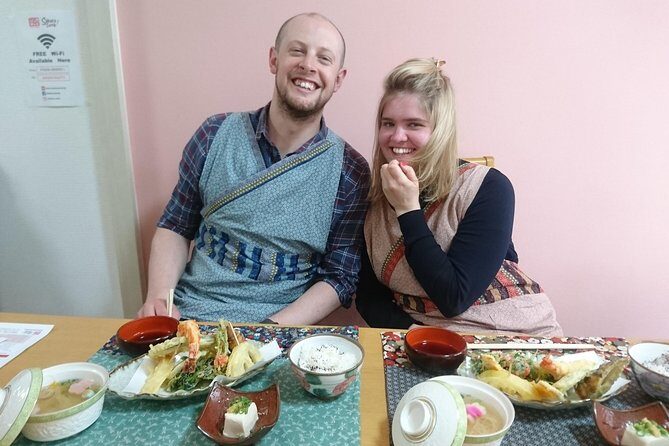
There’s a certain satisfaction in cooking something you can immediately taste at its best. Here, you’ll eat everything you make in class, and the meal is set up to be balanced instead of just fried food.
You’ll enjoy your tempura with steamed rice, plus chilled tofu. That combination helps keep the meal from feeling one-note. In Japanese cooking terms, it’s a practical pairing: crisp, warm tempura next to cool, gentle tofu, with rice to anchor everything.
The class ends with you placing the dishes and enjoying the meal with chopsticks. Even if you’re not fluent in Japanese, the point is simple: this is a full dining moment, not a quick snack while you wait for the rest of the group.
For value, this matters. A lot of classes teach technique and then give you a small bite. Here, your time and effort translate into a real meal you can be proud of.
Small Group Comfort: Max 8 People Means Less Waiting and More Feedback
This class caps at eight people, which is exactly the kind of group size that helps a cooking lesson work. When you’re handling knives and frying, you don’t want a long line of students doing the same step at different speeds. A smaller group makes the kitchen flow feel manageable.
It also makes instruction more usable. You can ask questions while you’re working, and you’re more likely to get feedback before small mistakes turn into bigger ones. That’s especially helpful when you’re learning dashi and then moving into tempura batter and frying.
The takeaway for you: if you’re the type who learns better through hands-on practice, the group size here supports that style. If you’re coming with friends, it’s still intimate enough that the experience won’t feel like a noisy production line.
A few more Osaka tours and experiences worth a look

Price and Value: Is $70.79 Worth It?
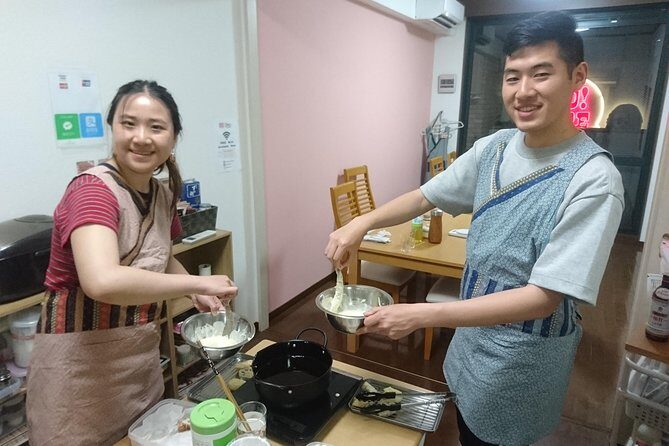
At $70.79 per person, this class isn’t a budget activity—but it’s not just a ticket to watch someone else cook. You’re paying for instruction, ingredients, and equipment provided (knives and chopping boards), plus a real sit-down meal.
Here’s where the value really lands:
- You learn dashi and six tempura types, not just one dish
- You eat everything you cook, including tempura, rice, and chilled tofu
- You get recipes to take home, which extends the value beyond two hours
Two hours can feel short on paper, but for this style of cooking class, that’s part of the smart pacing. You get a concentrated dose of key techniques without spending your whole day in a kitchen.
Also, the class is usually booked about 56 days in advance on average, which is a sign you’ll want to plan. If you wait until the last minute, you might find the schedule is tight.
Where It Starts: Meeting Point in Nishi Ward and a Smooth Setup
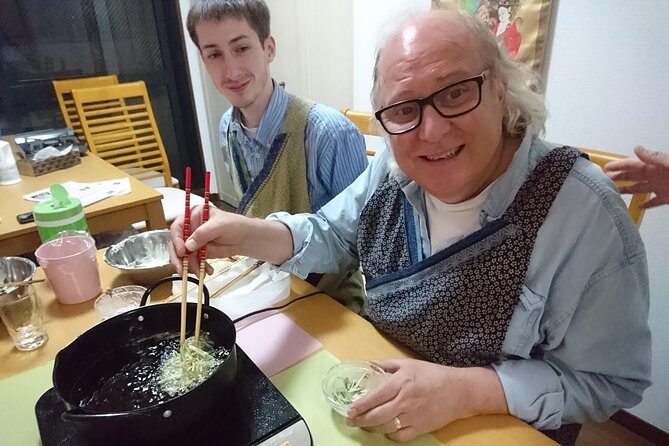
The meeting point is listed as 1-chōme-17-20 Kitahorie, Nishi Ward, Osaka, 550-0014, Japan. It also says it’s near public transportation, which is exactly what you want for a class that runs about two hours.
Bring a normal cooking-class mindset. Wear something comfortable for standing and chopping, and remember you’ll be in an active kitchen environment. You’ll get an apron provided, but your shoes and clothing choice still affect how easy it feels to move and work.
Because the class ends back at the meeting point, it’s also simpler for your day planning. You can slot this into a lunch window or dinner window depending on your timing.
Lunch or Dinner Choice: Pick the Timing That Matches Your Osaka Day
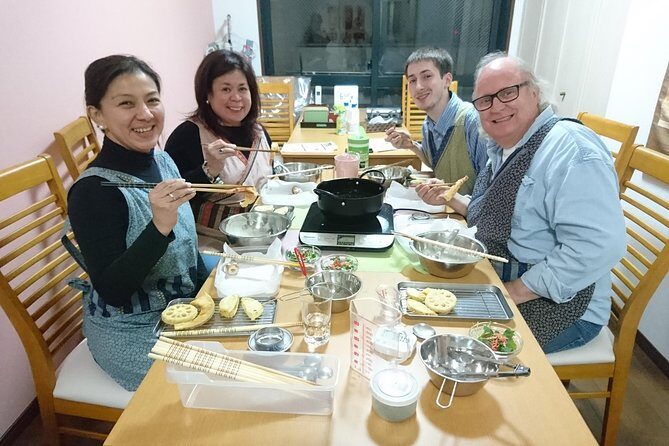
You can choose either a lunch or dinner experience. That flexibility matters because Osaka days tend to be packed, and food-centered activities can either anchor your schedule or feel squeezed.
If you’re taking a lunch option, you’ll likely appreciate having a warm, structured meal that ends with your freshly cooked tempura. If you’re taking dinner, it can act like a highlight meal without needing to find a restaurant at peak hours later.
Either way, you’re getting a full cooking-and-eating experience, which is different from a tour where you snack your way around. This one focuses on making and then enjoying, within a compact two-hour window.
Who Should Book This Tempura Class (and Who Might Skip It)
This is a great fit if you want:
- hands-on cooking instruction in Osaka
- practical skills for dashi plus tempura
- a small group class (max 8)
- a meal that’s actually part of the lesson
It’s especially good for food lovers who like learning technique more than collecting stamps. If you’re curious about how tempura batter and frying work across different ingredients, the mix of vegetables and seafood helps you see the differences.
You might skip it if you’re mostly interested in eating without cooking, or if you want a long multi-hour deep training session. Two hours is focused, and it’s designed to teach the core process efficiently.
Should You Book? My Practical Decision Guide
Book this class if you want a straightforward way to learn real Japanese cooking skills without guessing. The combination of dashi + six tempura types, plus eating what you make, plus take-home recipes makes it feel like more than entertainment.
I’d also book it if you value small-group attention. With a maximum of 8 people, you’re more likely to get the kind of guidance that helps you succeed at the stove.
If you’re price-sensitive, look at it as a skill investment that includes a full meal and materials. If that sounds fair for your trip style, this class is a strong match.
FAQ
How long is the tempura cooking class?
The class duration is approximately 2 hours.
What will I cook during the class?
You’ll make Japanese dashi soup stock and six types of tempura, including 4 vegetable tempura and 2 seafood tempura with one big shrimp.
Will I eat the food I cook?
Yes. You’ll eat everything you prepare in the class, and it’s served with steamed rice and chilled tofu.
Is the class lunch or dinner?
You can choose either a lunch or dinner experience to fit your schedule.
How many people are in the group?
The class has a maximum group size of 8 travelers.
Can I cancel for a full refund?
Yes. You can cancel for a full refund up to 24 hours before the experience’s start time. If you cancel less than 24 hours before, the amount paid is not refunded.