REVIEW · KYOTO
Experience of pairing sake tasting with snacks in Kyoto
Book on Viator →Operated by 日本酒テイスティング講座 · Bookable on Viator
One alley, five sakes, and your taste buds get the memo. I love how this Kyoto workshop turns sake from a mystery into something you can actually talk about. Five pours and five snack pairings make the differences feel real, not theoretical, and the chance to connect with others is part of the fun. One thing to consider: you’ll be tasting in a short 60-minute window, so it helps to come ready to focus.
The best part, in my view, is the pace and structure. You start with the basic building blocks—especially the rice polishing ratio idea—then you taste first, and only after that do the pairings start to click.
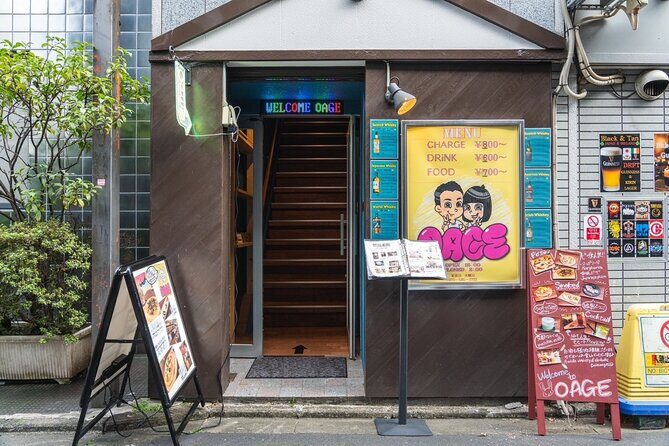
A possible drawback is the location style. BAR OAGE is in a hidden alley setting, so it’s not the kind of place you’d stumble into by accident with big “first-time Kyoto” expectations. Still, that just adds to the charm once you’re there.
In This Review
- Key highlights you’ll notice right away
- Where BAR OAGE fits into Kyoto (and why the alley bar matters)
- The 60-minute flow: how the workshop keeps your tasting clear
- The five sakes: your crash course in styles you can order later
- Pairing with snacks: why the food makes the lesson stick
- The role of the host: friendly, focused, and conversation-friendly
- Value and price: what ¥7,500 buys you (and why it’s not just “tasting”)
- Location, timing, and what to expect on the day
- Who this workshop suits best (and who might want another plan)
- Should you book BAR OAGE for sake and snack pairing in Kyoto?
- FAQ
- What is the duration of the sake tasting and pairing?
- What’s included in the experience?
- Where does the experience take place?
- What are the available time slots?
- How many people are in a group?
- Do I need a mobile ticket?
- Is it near public transportation?
Key highlights you’ll notice right away
- Rice polishing ratio made practical so you can connect craft to flavor
- Tasting sheet guidance that keeps you from forgetting what you liked
- Ginjo-style vs nigori-style explained simply before you pour
- Snack pairings for each of the five sakes instead of random bites
- Small group size up to 20 for easier conversation
- A host-led vibe with real energy, including Kahoko’s passionate approach
Where BAR OAGE fits into Kyoto (and why the alley bar matters)
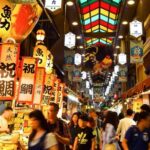
Kawaramachi is one of those central Kyoto zones where you can feel the city’s daily rhythm—shops, foot traffic, and easy access to transit. BAR OAGE sits in that area but keeps the experience tucked away in an alley. That matters because it changes the mood: you’re not doing “sake in general,” you’re doing a focused session in a proper tasting space.
Your start point is at Shine, 371 Kamiyachō, Nakagyo Ward, Kyoto. From there, the group heads to the bar for the workshop, and at the end it returns back to the same meeting point. So you’re not walking around the neighborhood trying to figure things out solo, which is a small but real win when you’re juggling train times and dinner plans.
It’s also scheduled in a way that supports sightseeing days. You can choose one of the reception hours: 10:00, 12:00, 14:00, or 16:00. In practice, that means you can pair this with a morning temple plan, a lunch break, or an afternoon stroll without feeling rushed across town.
You can also read our reviews of more food & drink experiences in Kyoto
The 60-minute flow: how the workshop keeps your tasting clear
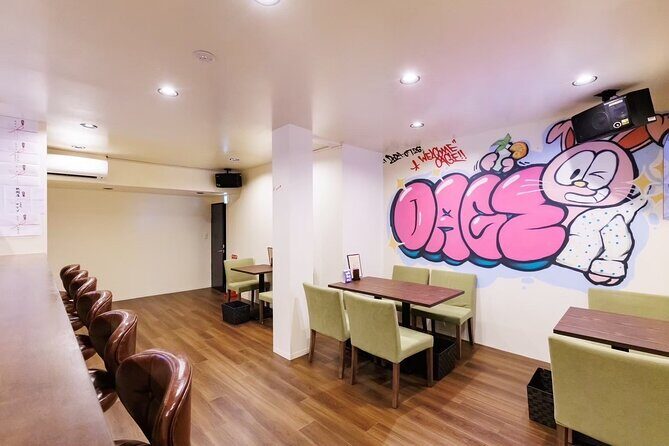
This is a straightforward, tight timeline. Plan on a little over an hour from start to finish, and expect the session to move in phases instead of one long narration.
First phase is the foundations, about 15 minutes. You’ll get an introduction to how sake is made and you’ll learn the concept of the rice polishing ratio. That one topic is surprisingly useful for travelers, because it gives you a “lens” for what you’re tasting. When you understand what changes in the rice, it’s easier to predict whether a sake will taste more refined, more aromatic, or more robust.
Second phase is the main tasting set-up. You’ll get a tasting sheet and other items so you can note aroma and flavor impressions. Then the host explains today’s five sakes, including the big flavor/aroma categories such as ginjoshu and nigorishu. This is the moment where the workshop earns its keep: you’re not just swallowing and guessing. You’re tasting with a framework.
Third phase is the tasting itself. You start with tasting only the sake first. This matters because it teaches you what each sake is like on its own, before the snacks add extra variables.
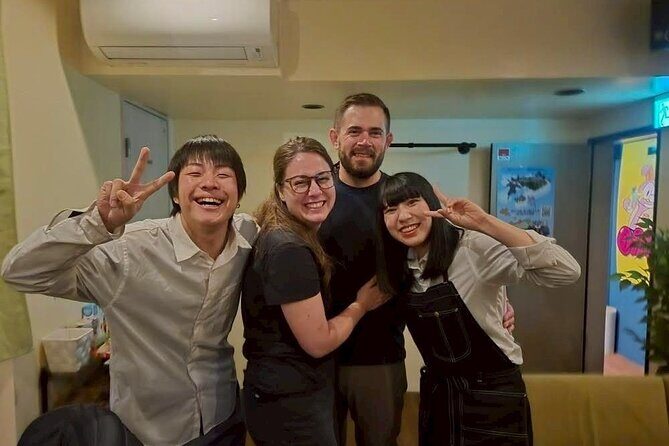
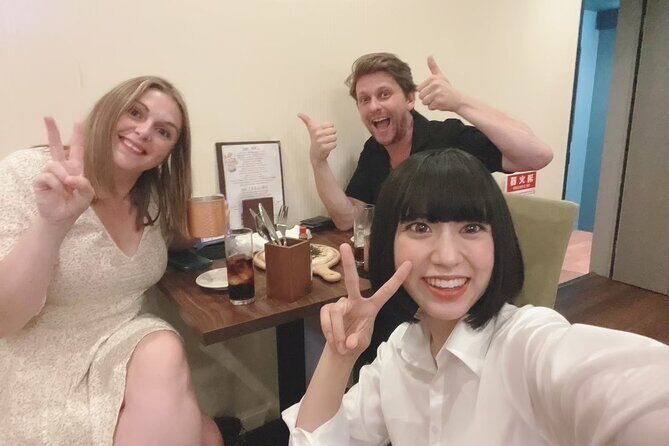
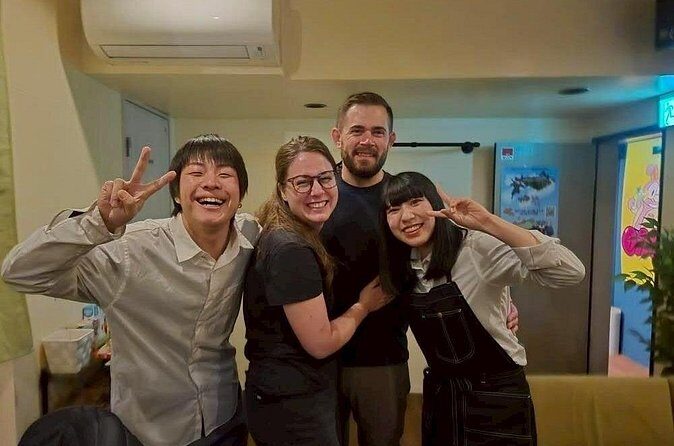
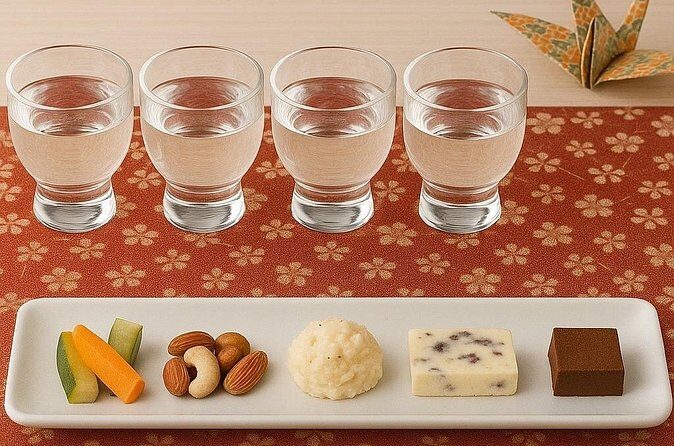
Final phase is where the workshop becomes memorable: appetizers arrive for pairing with each of the five sakes. That’s the “okay, now I understand why it works” part—sweetness, saltiness, and texture start making sense against different sake styles. Then you finish with a group photo and you’re done.
The five sakes: your crash course in styles you can order later
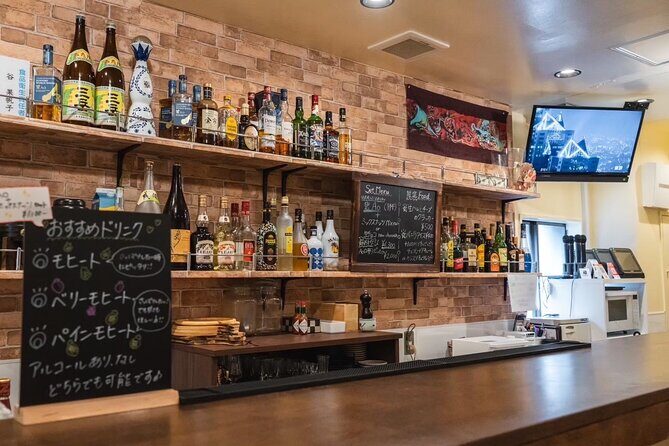
You’ll sample five kinds of sake during the session, including a selection featuring local Kyoto options. The exact lineup can vary, but the structure stays consistent: you’ll hear what each one is, what it tends to taste like, and what to pay attention to.
The workshop specifically calls out different profiles such as ginjoshu and nigorishu. That’s useful because these two styles often feel like different drinks entirely to first-timers.
- Ginjo-style sake is often discussed in terms of aroma and a more refined impression. Even if you don’t remember the technical definition, you’ll start noticing how the nose and finish behave.
- Nigori-style sake usually brings a cloudy, fuller feel and a different texture. The pairing logic becomes obvious fast once you taste it straight.
I like that you’re guided to notice the differences rather than being pushed toward one “best” bottle. If you’re a beginner, the goal isn’t to sound like a sake professor. It’s to give you enough experience to confidently pick what suits your palate.
Pairing with snacks: why the food makes the lesson stick
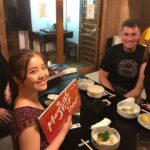
The pairing portion is built as a one-to-one experience: five appetizers are prepared to go with the five sakes. That turns pairing from vague advice into something testable.
You get the chance to compare each sake with a corresponding snack, so you can notice how flavors interact. Do you find the sake tastes smoother after something salty? Does a richer snack make a cleaner sake feel more crisp? That kind of pattern recognition is what helps you later when you’re ordering on your own.
Also, the snacks aren’t just filler. The point is synergy of flavors, with the pairing chosen to highlight the sake’s character instead of competing with it. By the time you reach the final pair, the differences you heard about at the beginning should start lining up with what you’re actually tasting.
If you’ve ever had sake and thought it was fine but forgettable, pairing like this often changes the story. It gives you reasons for the taste, not just the taste itself.
The role of the host: friendly, focused, and conversation-friendly
This isn’t a stiff lecture. It’s led with an attitude that keeps things social and approachable, even when you’re learning something technical like polishing ratios.
The reviews strongly emphasize the host’s warmth and passion. In particular, Kahoko comes up as a standout—friendly right away, with the kind of energy that makes a group feel like they’re in good hands. Even if you don’t know anything about sake, that matters. You’re more likely to ask questions and taste more thoughtfully when the host makes it feel natural.
You’ll also be encouraged to talk and connect through the shared experience, which is a big reason small-group tastings work better than solo “audio guide” style tours. With a maximum of 20 participants, conversation stays possible instead of turning into a silent showroom.
You can also read our reviews of more drinking tours in Kyoto




Value and price: what ¥7,500 buys you (and why it’s not just “tasting”)
The price is ¥7,500 per person (tax included), and advance payment is required. You’re also getting a clear value package: 5 kinds of sake + 5 appetizers, plus structured explanations, a tasting sheet, and a group photo at the end.
Here’s the practical way I think about value. If you went to a casual bar and ordered tastings à la carte, you’d likely pay for the sake samples anyway. The difference here is that you get guided sequencing—taste first, then pair—and an explanation tailored to travelers. That makes each pour more informative, not just more alcohol.
At this price point, the workshop feels aimed at people who want real learning without a long day commitment. It’s also short enough that it doesn’t bulldoze your whole itinerary.
Location, timing, and what to expect on the day
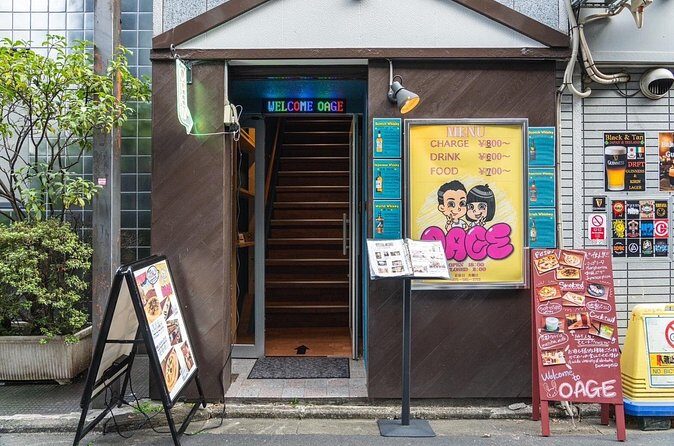
You’ll start at Shine (371 Kamiyachō) in Nakagyo Ward. The venue is in the Kawaramachi area near public transportation, which helps if you’re coordinating with trains, buses, or a day that already includes a few stops.
You can pick from the reception times at 10:00 / 12:00 / 14:00 / 16:00. A quick planning tip: if you choose a later slot, you may find it pairs nicely with a slow dinner plan afterward. Earlier slots can work well when you’re already starting the day with Kyoto neighborhoods and want something inside before the streets get too busy.
The session ends back at the meeting point, which makes it easier to stay in control of your schedule. You won’t get dropped into an unfamiliar corner at the end.
As for group size, you’re capped at 20. That’s big enough for a lively vibe, small enough that you don’t feel like a number.
Who this workshop suits best (and who might want another plan)
This is ideal for two types of people: beginners and sake lovers.
If you’re a beginner, the rice polishing ratio explanation and the tasting order are exactly what you need. You won’t have to fake understanding because the host sets the framework before you sample.
If you’re already into sake, you’ll still get something useful: a guided comparison across five different styles, plus pairing logic you can reuse later. The snacks help show why a sake works with food, not just how it tastes in isolation.
This is also a solid option if you want a social activity without loud entertainment. It’s not a party. It’s a tasting workshop with conversation encouraged.
If you’re the type who hates any structure and prefers to wander and self-direct every experience, you might find the one-hour timeline a bit “planned.” But for most visitors, that structure is what makes it worth your time.
Should you book BAR OAGE for sake and snack pairing in Kyoto?
Yes, if you want a short, guided way to understand sake and how it works with food. The biggest reason I’d recommend it is the lesson design: you taste sake alone first, then you pair it with snacks so the differences actually land. The small-group size and the friendly host energy—especially Kahoko’s passionate, welcoming style—make it easier to enjoy even if you know nothing going in.
Book it if:
- you want practical learning in about an hour
- you like food pairing experiences more than drink-only tastings
- you’re in central Kyoto and want something easy to schedule
Skip it if:
- you’re looking for a long, sightseeing-style outing
- you hate guided tastings and prefer to freestyle everything
FAQ
What is the duration of the sake tasting and pairing?
The workshop is about 60 minutes.
What’s included in the experience?
You get 5 kinds of sake and 5 appetizers.
Where does the experience take place?
It takes place at Bar OAGE in the Kawaramachi area of Kyoto, starting from the meeting point at Shine, 371 Kamiyachō, Nakagyo Ward.
What are the available time slots?
Reception hours are 10:00, 12:00, 14:00, and 16:00.
How many people are in a group?
The maximum group size is 20 travelers.
Do I need a mobile ticket?
Yes, the experience offers a mobile ticket.
Is it near public transportation?
Yes, the venue is described as being near public transportation.
—
If you want, tell me your travel dates and whether you prefer ginjo-style aromas or you’re curious about nigori textures, and I’ll suggest which time slot makes the most sense for your Kyoto day plan.