REVIEW · TOKYO
Experience the Taste of Old Tokyo in Backstreet Yanesen
Book on Viator →Operated by Culinary Backstreets · Bookable on Viator
Yanesen tastes like Tokyo used to. This 6-hour backstreet walk mixes shrines and temple-town alleys with hands-on food stops. You’ll move through Yanaka, Nezu, and Sendagi at a steady local rhythm, then turn corners into century-old shops and specialty tastings, including sake and retro kissaten coffee.
Two things I really like: the small group size (max 6) keeps the pacing relaxed, and the food range goes far beyond one or two bites. You’re looking at handmade onigiri, fresh unagi, nostalgic sweets, and drinks like coffee and sake, with lunch plus additional snacks along the way. One thing to consider: this is still a walking day, and it’s best in good weather—plan for footwear and don’t treat it like a short stroll.
In This Review
- Key highlights you’ll feel immediately
- Taste of old Tokyo: why Yanesen feels different
- The $195 value: what you’re really paying for
- Yanaka District: the old-street start that sets your appetite
- Nezu Shrine: short stop, long timeline
- Nichika Shrine of Enju-ji Temple: a temple-town angle
- Sendagi: the postwar-proof neighborhood vibe
- What you’ll eat and drink: more than one specialty
- The guides shape the whole day (and the pacing)
- Timing, meeting points, and how to plan your day
- Who this tour suits best
- Should you book A Taste of Old Tokyo in Backstreet Yanesen?
- FAQ
- How long is the tour?
- Where does the tour start and end?
- What is included in the price?
- What is not included?
- How big is the group?
- What’s the cancellation policy?
Key highlights you’ll feel immediately
- Yanesen streets with real old-Tokyo texture: narrow alleys, wooden townhouses, temples, and cemeteries where the pace doesn’t feel staged
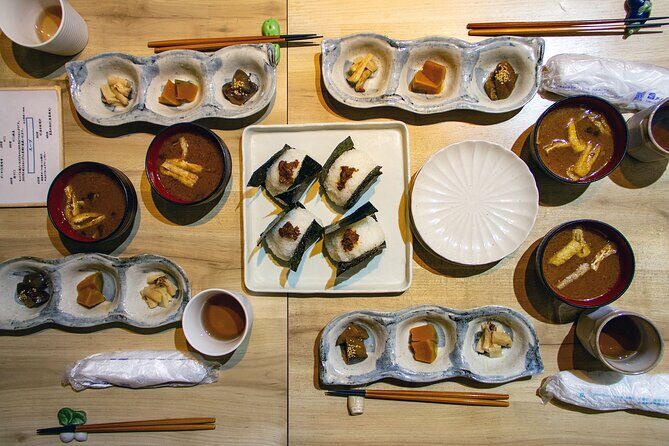
- A full “eat and sip” day: onigiri, unagi, sweets, retro kissaten coffee, and alcohol, plus lunch and breakfast
- Old shrines with serious time depth: Nezu Shrine origins said to date back 1900 years
- Stop density that avoids tourist whiplash: short shrine visits paired with longer food moments (and the guide controls the flow)
- Converted-bathhouse drinking spot: you’ll get the sense that everyday spaces have stories
Taste of old Tokyo: why Yanesen feels different
Yanesen is the part of Tokyo that still feels like a neighborhood, not a theme park. While a lot of the city rebuilt after WWII into shiny modern blocks, this area kept enough of its older street shape—temples, cemeteries, wooden houses, and those tight lanes where you can actually hear daily life.
That matters for your day, because this tour isn’t just checking sights off a list. It’s built so the landmarks and food reinforce each other. When you’re standing near ancient shrines, it’s easier to understand why food traditions linger. When you’re eating at small shops tucked into backstreets, the history feels practical, not academic.
You can also read our reviews of more tours and experiences in Tokyo.



The $195 value: what you’re really paying for
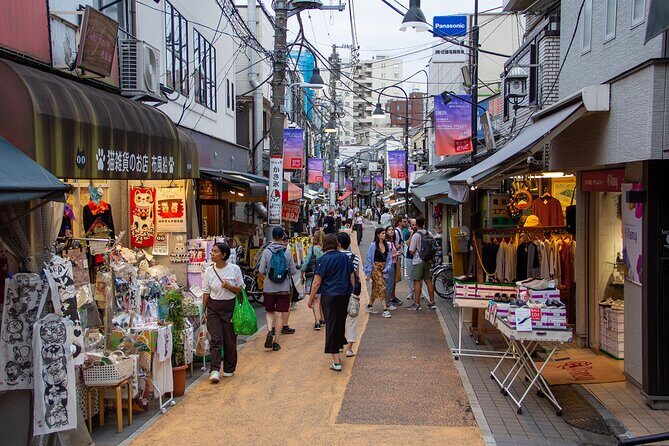
Yes, $195 per person isn’t low-cost. But the value math here is more interesting than it looks on paper.
You’re paying for:
- A guided walk through three connected neighborhoods (Yanaka, Nezu, Sendagi)
- A structured sequence of shrine/temple stops plus food stops
- Included tastings that go beyond snacks—coffee/tea, lunch, breakfast, and additional meals
- Alcoholic beverages as part of the sampling (so you’re not budgeting for drinks separately)
The big “value” question is whether you’ll use what’s included. If you like eating and you’re curious about why certain foods belong to certain places, the included meals and drinks make the day feel more like a curated experience than a simple walking tour.
And the pacing seems designed for real conversation. Small-group tours can drift or feel rushed, but this one focuses on mixing bites with context—so the guide can talk, you can ask questions, and you’re not constantly sprinting between stops.
Yanaka District: the old-street start that sets your appetite
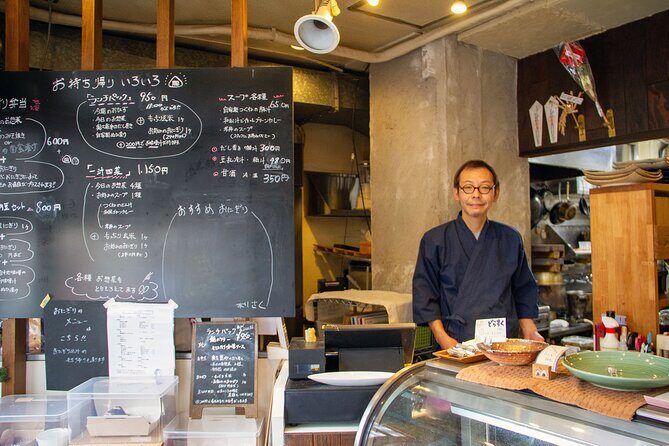
The day begins in Sendagi at Saint Marc Cafe – Sendagi, then you’re headed toward the Yanaka side. Once you reach Yanaka District, you get a block of time (about 3 hours) that’s longer than the temple stops. That’s a clue: the tour’s strongest fuel is meant to build gradually.
Yanaka’s appeal is the feel of an older temple town. This is the kind of area where it’s easy to forget you’re inside a giant city. You’ll see shrine-adjacent streets, older storefronts, and the “why does Tokyo look different here?” effect that makes people stop and take photos without meaning to.
What I like about structuring the day this way: you start with enough time in the neighborhood to let the environment work on you. You’re not just moving past buildings. You’re learning the shape of the area, and that makes the food stops land better.
Practical note: keep your phone handy for maps and for quick “where are we?” moments, but also give your eyes a chance. Yanaka rewards slow glances.
Nezu Shrine: short stop, long timeline
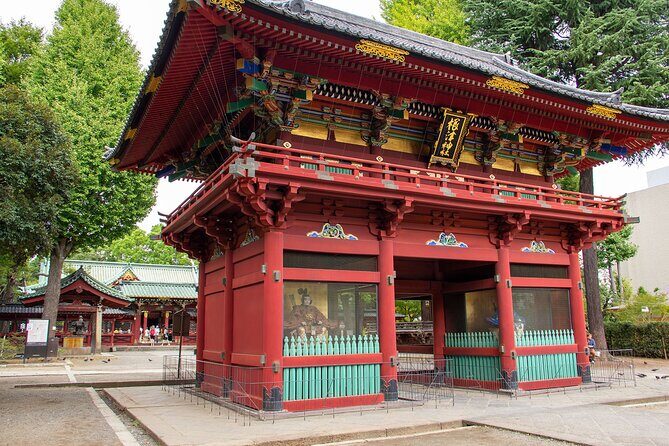
Nezu Shrine is the kind of place that gives you instant perspective. It’s known as one of Japan’s oldest Shinto shrines. The current main structures date to the early 18th century, but the shrine’s origins are said to go back around 1900 years.
Your stop here is about 30 minutes, and that’s the right length. You don’t need a long lecture hall tour. Instead, you’ll get time to look, absorb the atmosphere, and then pivot back into the food-and-stories flow.
Why this stop works in the overall experience: it anchors the day’s theme. Food traditions don’t exist in a vacuum. In Japan, seasonal rituals, local practices, and religious calendar rhythms have historically influenced what people eat and when. Even if you don’t track every detail, you’ll feel the continuity.
If you’re the type who likes a mix of calm and flavor, you’ll appreciate the way this shrine stop is short enough to keep energy for the tastings but meaningful enough to change your mindset.
Nichika Shrine of Enju-ji Temple: a temple-town angle
Next you’ll visit Nichika Shrine of Enju-ji Temple for about 30 minutes. This is another “temple-town” moment—Yanaka was built as a temple town during the Edo period, and the Yanesen area is dense with temples.
The tour’s timing here is smart. You’re not spending your day only in religious spaces, and you’re not skipping them either. You get enough temple context to understand what kind of community this used to be, without losing the food focus that makes this tour worth doing in the first place.
One consideration: if you don’t like stops where you mostly stand and look, you might find this the least “hands-on” part of the day. The tour keeps it from dragging by limiting the time and then moving you back into neighborhood streets.






Sendagi: the postwar-proof neighborhood vibe
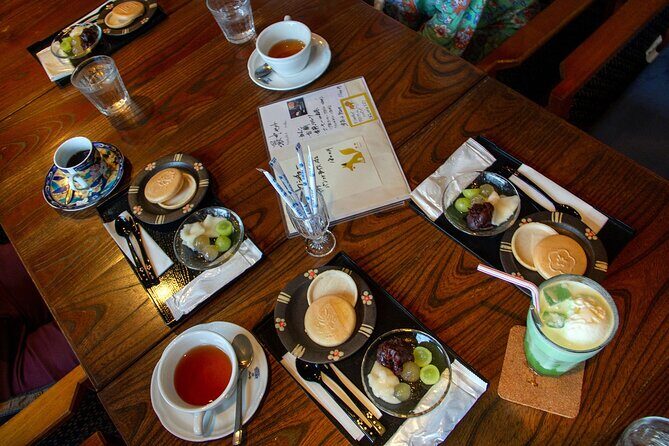
Sendagi gets about 2 hours, and it’s often where the tour’s theme becomes more personal. Most of Tokyo changed a lot after WWII, but Yanesen held onto its atmosphere—narrow alleys, older townhouses, and a pace that doesn’t feel built for visitors.
This stop is where you see how daily life still has space to breathe. Cemeteries, temples, and those quiet streets create an easy “slow down” feeling. Then, because the day is food-centered, your tastings feel like part of the neighborhood rhythm rather than a planned sequence of checkpoints.
I also like that Sendagi is positioned later in the flow. By then, you’ve tasted enough to build curiosity. You’re more ready to notice how shops, drink counters, and sweet spots fit into everyday street life.
What you’ll eat and drink: more than one specialty
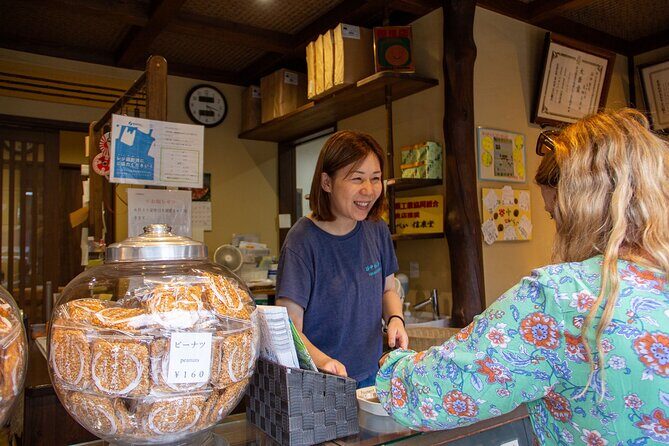
This tour’s big win is variety, and it’s not just variety for variety’s sake.
From the tour description, you can expect tastings that include:
- Handmade onigiri
- Fresh unagi
- Nostalgic sweets
- Retro kissaten-style coffee
- Sake
The tour also includes lunch, plus breakfast and additional snacks. That’s important because food tours can sometimes feel like “tiny samples” that never add up. Here, the inclusion of lunch and breakfast helps you actually get full, so you can enjoy the smaller bites without turning the day into a hunt for dinner afterward.
From guide-led experience stories, the drink and snack variety tends to go even further—there have been mentions of wine, pastry, and red bean, along with umami-rich items. And because alcohol is included, you don’t have to decide in advance which spots to skip or budget for.
If you’re a coffee person, pay attention to the kissaten angle. Kissaten are the classic coffee shops with a laid-back, old-style vibe. You’re not just drinking coffee—you’re doing it in the kind of setting that matches Yanesen’s feel.
If you’re a picky eater, check with the operator ahead of time about what you’ll be offered. The day includes multiple items plus alcohol, so it’s easier to plan when you know your comfort level.
The guides shape the whole day (and the pacing)
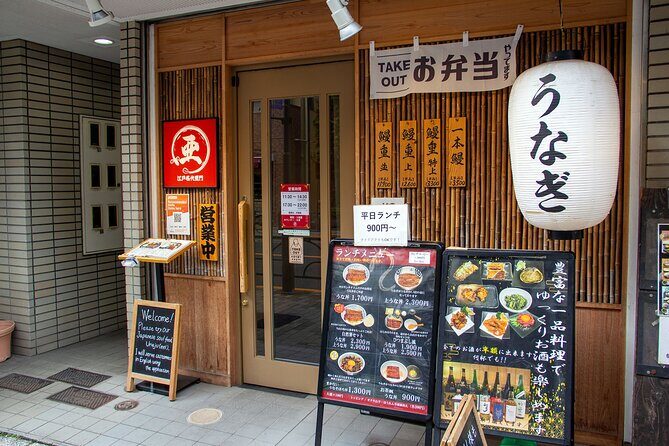
One consistent theme from the experience: the guide makes the tour work. Names that come up include Kan, Michelle, Diana, and Mairi, and the feedback focuses a lot on how they connect the food to place and keep the timing balanced.
What you should look for in a food-history walk is pace control. Too fast and you miss details. Too slow and you lose energy. Here, the day is structured with shorter shrine/temple segments and longer neighborhood moments, and guides handle the transitions so it doesn’t feel like herding.
I’d call out a practical perk: small group size (max 6) means you’re not lost in a crowd. It’s easier to ask questions, and you get more of that “I see why this matters” feeling rather than just eating and moving on.
Timing, meeting points, and how to plan your day
Start time is 10:00 am at Saint Marc Cafe – Sendagi. The day ends at Echigoya Honten in Yanaka.
Because it’s about 6 hours with multiple stops, treat it like a main activity, not an add-on. Wear shoes you can stand in for a while. You’ll be moving through streets and temple areas where sidewalks and crossings can vary.
Also, bring a light layer. Even in comfortable seasons, shrines and shaded alleys can feel cooler than the main streets. And since the tour requires good weather, keep an eye on forecasts—this is one of those experiences that benefits from clear skies.
Who this tour suits best
This works especially well if you:
- Want old-neighborhood Tokyo without relying only on trains and big monuments
- Love food that’s tied to place—onigiri, unagi, sweets, coffee, and sake
- Like history that’s practical and tied to everyday life
- Prefer small-group days over large coach-style tours
It also seems family-friendly in practice. One account mentions it going well with children, which suggests the pace and snack stops are manageable for different ages, as long as kids can handle walking and food sampling.
If you’re only interested in major museums and iconic skyline views, this might feel more neighborhood-based than you expect. But if you want the Tokyo that smells like street shops and tastes like tradition, that’s exactly what you’re here for.
Should you book A Taste of Old Tokyo in Backstreet Yanesen?
Book it if you want a guided day where food and old streets tell the same story. The price feels more reasonable when you factor in breakfast, lunch, snacks, coffee/tea, and alcoholic beverages, plus the structure of shrine stops and neighborhood wandering. The small-group limit also helps the day feel personal rather than rushed.
Skip or think twice if you:
- Don’t enjoy walking-intensive days
- Need a lot of downtime between stops
- Want only high-impact landmarks instead of temple-town atmosphere and shop-to-shop tastings
If you’re planning your first Tokyo trip and you’ve already got a few big-ticket attractions lined up, this is a great counterbalance. It gives you a different lens: Tokyo as lived-in, eaten-in, and quietly preserved.
FAQ
How long is the tour?
The tour runs about 6 hours.
Where does the tour start and end?
It starts at Saint Marc Cafe – Sendagi (Bunkyo City, Sendagi) and ends at Echigoya Honten in Yanaka (Taito City, Yanaka).
What is included in the price?
The tour includes breakfast, coffee and/or tea, lunch, meals, snacks, and alcoholic beverages.
What is not included?
Private transportation is not included.
How big is the group?
The tour has a maximum of 6 travelers.
What’s the cancellation policy?
You can cancel for a full refund up to 24 hours before the experience starts. The tour requires good weather, and if it’s canceled due to poor weather you’ll be offered a different date or a full refund.