REVIEW · HIROSHIMA
From Hiroshima: Miyajima Island Day Trip with Ropeway Ride
Book on GetYourGuide →Operated by Machinovate Japan Ltd. · Bookable on GetYourGuide
Miyajima looks unreal at sea level. This Hiroshima day trip lines up the island’s top sacred sights and nature views, with the floating O-torii as the headline moment. You also get a guided walk that helps you hit the best timing for the shrine’s famous gate.
What I like most is the way the day is structured around meaning, not just checkboxes. You’ll tour Senjokaku Pavilion, Itsukushima Shrine, and Daisho-in Temple with an English guide who explains what you’re seeing and why it matters—shrine history, Shinto basics, and the Buddhist world of the grounds.
The second thing I really value is the Mt. Misen segment, especially the Miyajima Ropeway up to panoramic viewpoints. One thing to plan for: this is a walking-heavy day, and the optional steep summit hike may be a grind in heat or cold, so choose your pace and footwear accordingly.
In This Review
- Key reasons this Miyajima day trip hits the mark
- Meeting at Hiroshima Station: find your guide, then ride the rhythm
- Senjokaku Pavilion: the unfinished shrine you’ll remember
- Itsukushima Shrine and the floating O-torii: the timing is the magic
- Daisho-in Temple: Shingon Buddhism and the statues that keep following you
- Omotesando Shopping Street: the lunch and browsing window that actually matters
- Miyajima Ropeway and Mt. Misen: views with a choice
- Heat, cold, and shoes: the small stuff that decides how good the day feels
- Price and value: what you’re paying for, and what you’re not
- Who this tour suits best (and who should rethink it)
- Should you book this Hiroshima to Miyajima day trip?
- FAQ
- How long is the Miyajima day trip from Hiroshima?
- What main places will we visit on Miyajima?
- Is there time for lunch and shopping?
- Does the tour include the ropeway tickets?
- Are entrance fees included for the shrines and temples?
- How does the tour handle seeing the O-torii gate at low tide?
- Is this tour suitable for wheelchair users?
Key reasons this Miyajima day trip hits the mark
- Floating O-torii timing that’s coordinated with tides
- Senjokaku Pavilion and its unfinished construction story
- Small-group flow (max 15) that helps you move through crowds
- Daisho-in temple statues for a more human, grounded temple visit
- Ropeway-to-Mt. Misen views with an optional summit trek
- Omotesando free time to eat, browse, and reset without rushing
Meeting at Hiroshima Station: find your guide, then ride the rhythm
The day starts at Hiroshima Station under the Tourist Information sign outside the Shinkansen gates. If you’re coming in by Shinkansen, the sign should be directly left as you exit. If you’re arriving by JR lines, follow the signs for the Shinkansen gates—the meeting area is on the same floor as the JR gates.
One practical tip: your guide will be holding a SNOW MONKEY RESORTS tour sign. Arriving early is smart, because Hiroshima Station is currently under heavy construction and can feel like you’re walking through a maze of temporary signage.
From there, the tour keeps things easy. You travel by train and ferry to Miyajima with the guide handling the moving parts. And because it’s limited to a small group (up to 15 people), you’re less likely to get stuck in a slow-moving pack.
A few more Hiroshima tours and experiences worth a look
Senjokaku Pavilion: the unfinished shrine you’ll remember
A lot of Miyajima stops are famous for their beauty. Senjokaku Pavilion is famous for a different reason: the construction was never completed, and that unfinished state still remains today.
That detail changes how you experience the site. Instead of treating it like a finished monument you just photograph and leave, you’ll notice the atmosphere of “stopped in time.” It’s a shrine space that feels more human and historical than polished.
This is also a good early stop because you’re still fresh and able to take in the island’s mix of sacred spaces and everyday visitor energy. The guide’s context helps—especially when they connect it to the broader religious landscape you’ll see later.
Itsukushima Shrine and the floating O-torii: the timing is the magic
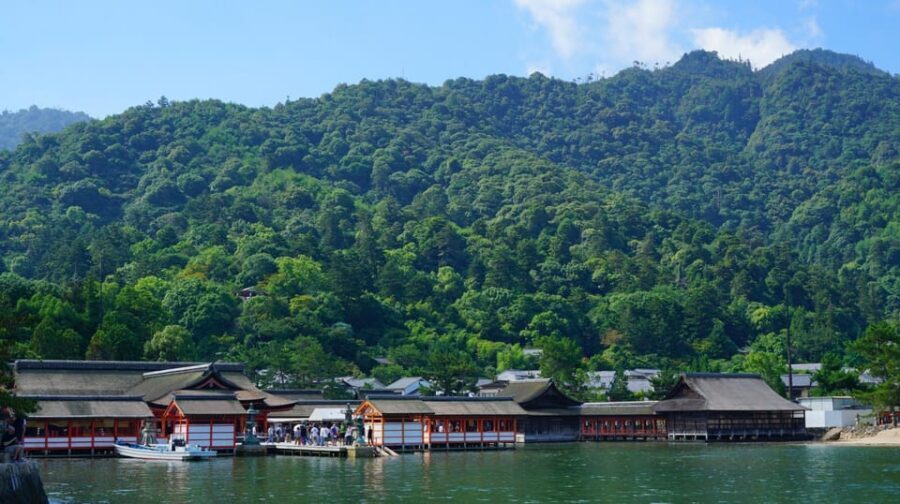
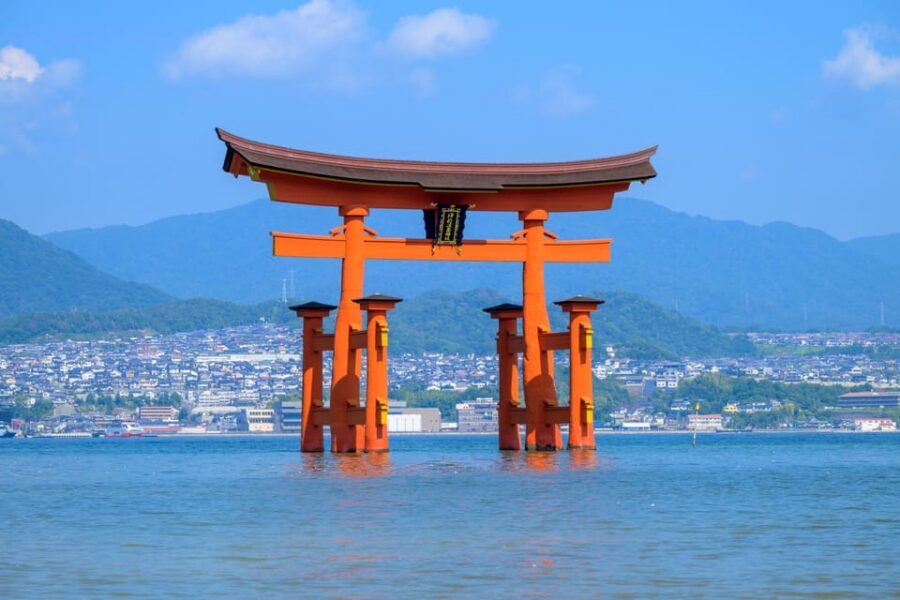
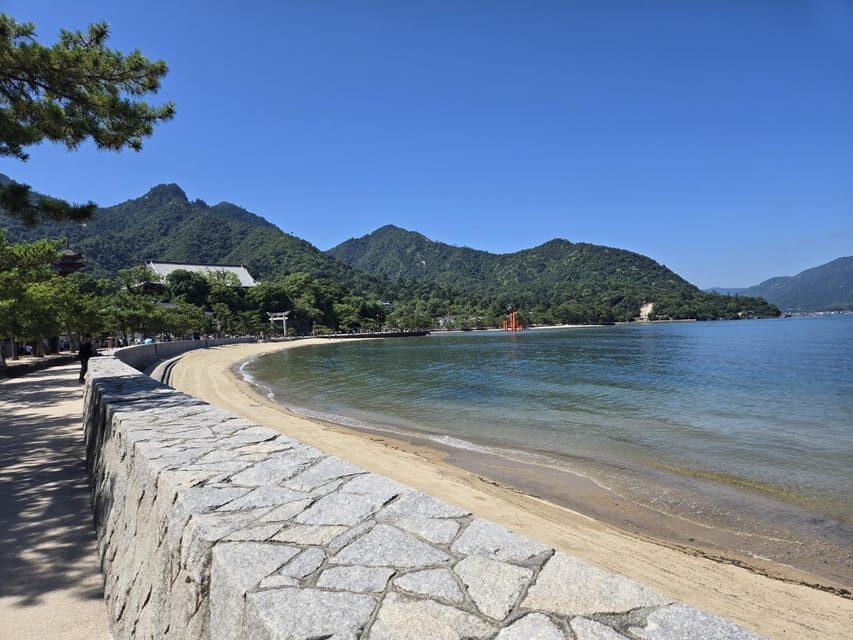
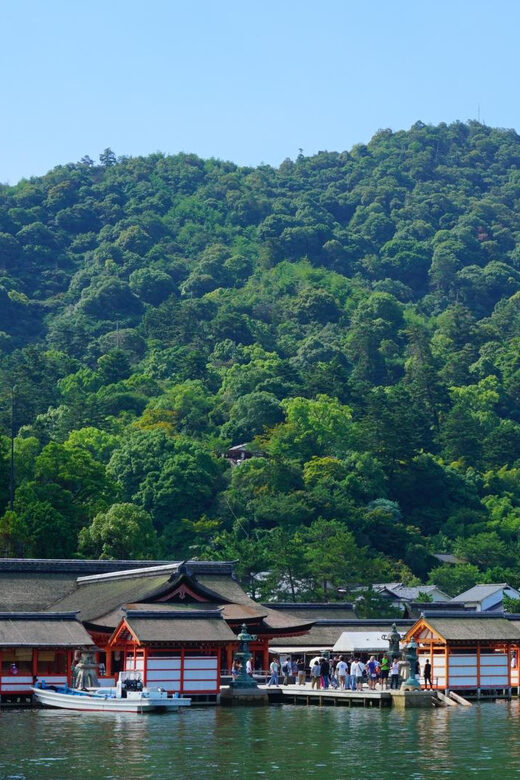
Itsukushima Shrine is the star attraction for good reason. You’ll learn about Shintoism from your guide, and you’ll see the shrine’s distinct architecture often described as the “floating” shrine—structures that feel like they belong to the waterline.
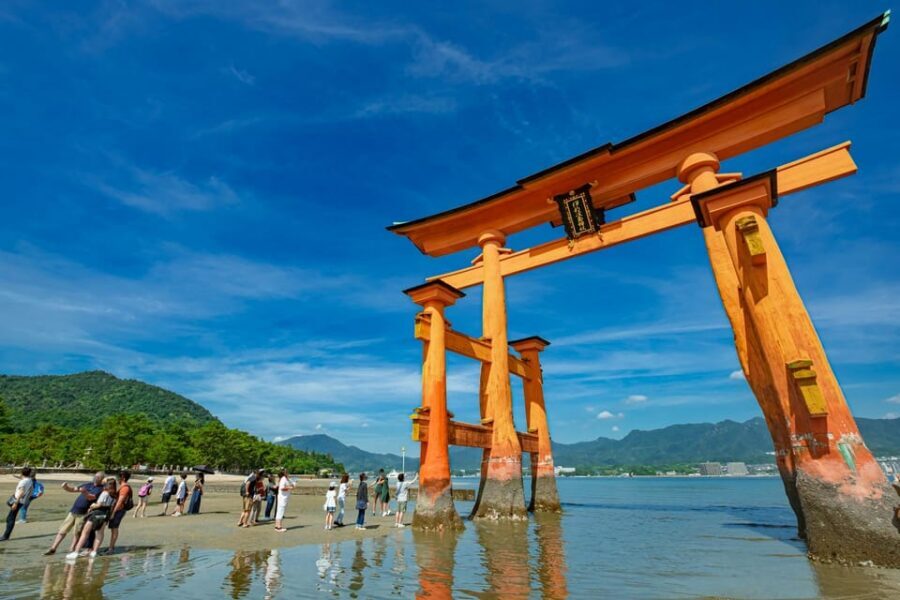
Then comes the moment most people are here for: the O-torii gate in the Seto Inland Sea. The key detail is that tide changes everything. At high tide, the gate looks like it’s hovering over the water. At low tide, you can walk up toward it and see the gate from a more grounded, “you’re there” perspective.
This tour doesn’t treat that like a gamble. Your guide schedules the guided walk toward the gate for the most appropriate time based on tide variation. That’s not just convenience—it’s how you avoid showing up during the wrong water level and missing the experience you came for.
One more subtle win: you’re not just standing around waiting. Your guide helps you understand what you’re looking at while you move through the shrine complex—worship halls, shrine design, and what the space is for—so the time feels purposeful rather than rushed.
Daisho-in Temple: Shingon Buddhism and the statues that keep following you
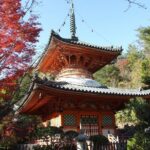
After Itsukushima Shrine, you’ll head to Daisho-in Temple, a prestigious Shingon Buddhist temple not far from the shrine areas.
This is the stop that adds contrast. Miyajima can feel like one long postcard of Shinto aesthetics, but Daisho-in brings a different tone—more crowded with figures, more storytelling, more “religion as art.” As you walk through the temple grounds, you’ll notice many Buddhist statues greeting you in multiple directions.
If you like places where you can wander slowly and still learn something, this part of the day works well. It’s also an easy mental reset: you stop thinking about tides and start focusing on details—faces, poses, and the layout of the grounds.
Omotesando Shopping Street: the lunch and browsing window that actually matters
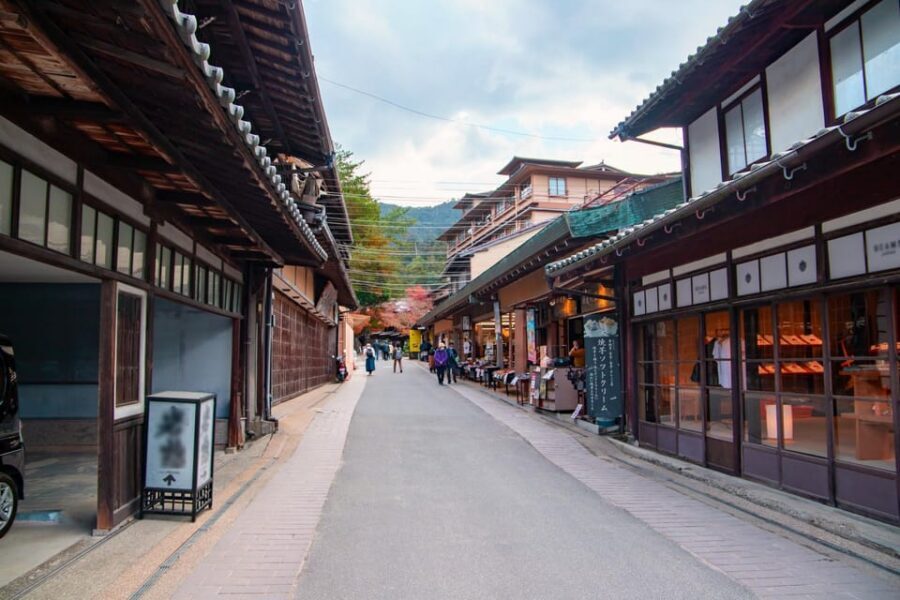
Once you’ve hit the big sacred sites, you get around two hours of free time on Omotesando Shopping Street. This is lined with shops and restaurants, and it’s where Miyajima stops feeling ceremonial and starts feeling like daily life.
Plan to use this time for two things: lunch and souvenirs. Lunch isn’t included, so you’ll need to pick what fits your tastes and budget. If you want something local, you’ll find plenty of Miyajima-themed food options here, and your window is long enough to eat without stress.
Souvenir shopping is easier than it sounds. The guide’s schedule has already handled the timing-sensitive parts (like the tide coordination), so you can browse without constantly checking the clock.


Miyajima Ropeway and Mt. Misen: views with a choice
Now for the climb—without the full ordeal. The tour’s last main destination is Mount Misen, the highest point on Miyajima.
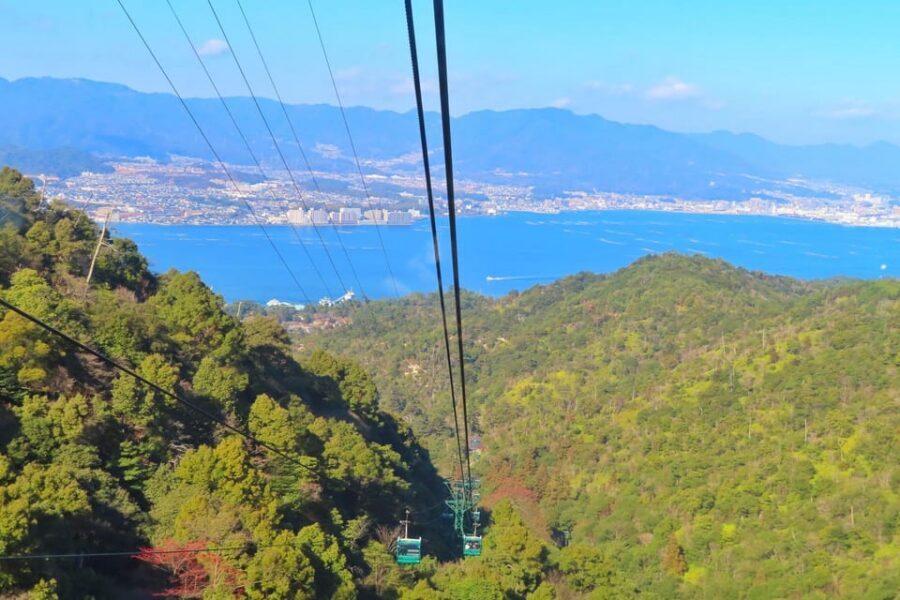
You ride the Miyajima Ropeway up to the top area. Inside the cabin, you get aerial views of the island, which is a nice payoff if you’re trying to understand Miyajima’s geography from more than just the shoreline.
At the top, you have a choice:
- You can stay near the ropeway station at the Shishiiwa Observatory.
- Or you can take the steeper, more strenuous hike to the Mt. Misen Observatory at the summit.
The tour notes that the hike is “steep and arduous,” and it’s worth taking that seriously. If your goal is maximum views without max effort, the Shishiiwa option might be enough. If you’re feeling strong and want the summit payoff with no obstructions, the hike is the move.
On the way down, you take the ropeway back. The final walk after you return to the pier also gives a chance for last-minute souvenirs and photos—so you can finish the day with something tangible, not just memories.
Heat, cold, and shoes: the small stuff that decides how good the day feels
This tour covers a lot of ground, and it’s not built for slow, rolling sightseeing while wearing flip-flops. Wear shoes and clothing that are easy to walk in.
For the Mt. Misen summit hike option, you’ll want close-toed shoes like sneakers and comfortable clothes. The weather note is real: in summer, temperatures can hit around 32°C (90°F) and above with extreme humidity. In winter, averages are roughly 1°C–10°C (34°F–50°F), so you’ll want warm clothing and footwear that works in cooler conditions.
Also keep in mind that you’re outdoors for major stretches—especially around shrine walking paths and the ropeway access areas. So even if you’re not doing the summit, you’ll still appreciate breathable layers (or warmer layers in winter), plus water and sun protection.
Price and value: what you’re paying for, and what you’re not
At about $180 per person for a 9-hour guided day, this isn’t a budget half-day. But it can feel fair when you look at what you’re actually getting.
You’re paying for:
- An English-speaking guide who manages timing across multiple sacred sites
- Entry fees at all tour locations
- Ropeway tickets
- Transportation to and from Miyajima (train and ferry)
You’re not paying for lunch, and personal expenses are also on you. Meeting transportation to the pickup point (getting yourself to the station) isn’t included either.
Here’s the value logic: Miyajima is easy to get to, but difficult to do well in one day without fuss. This tour reduces friction by coordinating transport, bundling tickets, and—most importantly—helping you time the O-torii gate visit with tidal reality. That’s the part most “DIY days” stumble on.
And the small-group limit of 15 matters. Several guide experiences stand out in the feedback: guides like Simarjeet, Shimar, Miki, Samar, and Isabella are praised for planning the flow so you’re not stuck waiting around, plus adapting the pace. That’s how a long day stays enjoyable instead of turning into a queue simulator.
Who this tour suits best (and who should rethink it)
This works best for you if you want a guided Miyajima day that hits the major highlights without spending your brain on logistics. It’s especially good if you care about understanding what you’re seeing—Shinto and Buddhist context, not just photos.
It’s also a good match if you appreciate small-group pacing. Reviews repeatedly mention relaxed movement through crowds and less time standing in lines. That’s a big deal on Miyajima, where crowds can spike.
It may not be the best choice if you:
- Need wheelchair access (the tour isn’t suitable for wheelchair users)
- Have limited tolerance for walking or steep terrain, especially if you want the Mt. Misen summit hike
- Want a totally unstructured day with lots of independent wandering (this is structured around key stops)
Should you book this Hiroshima to Miyajima day trip?
I’d book it if you want one well-managed day on Miyajima that includes the ropeway and the tide-sensitive O-torii experience. The schedule gives you the major religious sites plus Mt. Misen views, with free time on Omotesando so you still get to eat and browse like a normal person.
Skip or rethink it if your priority is a slow, low-effort stroll. This is a long day, and you’ll walk. If you’re okay with that—and you like the idea of learning while you go—this is a strong way to make Miyajima feel complete instead of rushed.
If you’re on the fence, choose your Mt. Misen plan early. Decide whether you’ll do the steep summit hike or keep it to the ropeway-area observatory. That one choice can turn the day from “great trip” into “great day you didn’t regret.”
FAQ
How long is the Miyajima day trip from Hiroshima?
It runs for 9 hours, from meeting at Hiroshima Station to returning to Hiroshima Station at the end of the day.
What main places will we visit on Miyajima?
You’ll visit Senjokaku Pavilion, Itsukushima Shrine, Daisho-in Temple, Omotesando Shopping Street (free time), and Mount Misen (via ropeway).
Is there time for lunch and shopping?
Yes. You’ll have about two hours of free time on Omotesando Shopping Street for lunch and souvenir shopping.
Does the tour include the ropeway tickets?
Yes. Ropeway tickets to ride up Mount Misen are included.
Are entrance fees included for the shrines and temples?
Yes. Entry fees at all tour locations are included.
How does the tour handle seeing the O-torii gate at low tide?
Your guide will do their best to schedule the walk toward the gate at the most appropriate moment during the tour, since tide timing can vary day to day.
Is this tour suitable for wheelchair users?
No. The tour is not suitable for wheelchair users.