REVIEW · OSAKA
Japanese Traditional Sweets “Nerikiri” making
Book on GetYourGuide →Operated by B.B.Advisors Inc. AN OSAKA · Bookable on GetYourGuide
Sticky hands, pretty wagashi. In this Nerikiri workshop near Osaka’s river area, you’re shaping Japanese traditional sweets while using white/red bean paste made by long-established Kyoto shops. It’s hands-on, visual, and surprisingly relaxing once you get past the first sticky minute.
I also love that you make two seasonal sweets (not just one sample), so you leave with a real sense of the craft. One consideration: there’s no elevator, so you’ll be using stairs to reach the rooms—factor that in if stairs are an issue for you.
In This Review
- Key things to know before you go
- Nerikiri making in Osaka: what you actually do in 65 minutes
- Kyoto bean paste on your spoon: why the ingredients matter
- Flower-shaped Nerikiri: the first sweet and the confidence boost
- Kinton Nerikiri: the second sweet you’ll actually remember
- Plate, photos, and the tasting you’ll be glad is included
- Price and value: $11 for two sweets you can taste immediately
- Where to go in Osaka: stations you can actually reach fast
- The small logistics that can trip you up (so you’re ready)
- Who this Nerikiri workshop suits best (and who should skip it)
- Should you book this Nerikiri experience?
- FAQ
- How long is the Nerikiri making experience?
- What will I make during the workshop?
- Can I eat the sweets after making them?
- What ingredients are used for the sweets?
- What is included in the price?
- Is there an extra cost for a take-out box?
- Is there an extra cost for a completion certificate?
- Where is the meeting point?
- What languages are used?
- Is the venue accessible by elevator?
- When are the hours for the experience?
Key things to know before you go
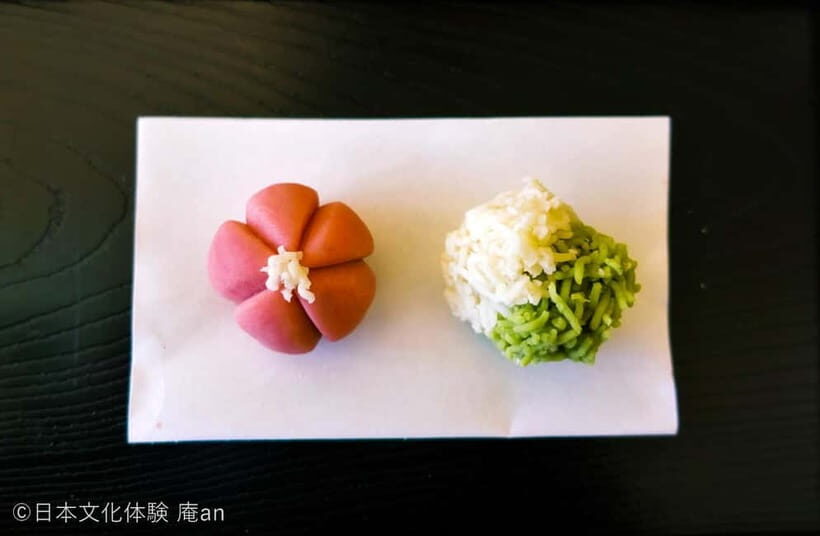
- Kyoto-made bean paste: you work with white and red bean paste from long-established Kyoto shops
- Two sweets in one class: a flower-shaped Nerikiri plus Kinton Nerikiri, both seasonal
- You can eat on the spot: the workshop includes tasting time after making
- Instructor support in English: English translation is provided as much as possible, and the instructor is Japanese
- Fast, focused pacing: it’s designed around a tight 65-minute flow with picture time built in
Nerikiri making in Osaka: what you actually do in 65 minutes
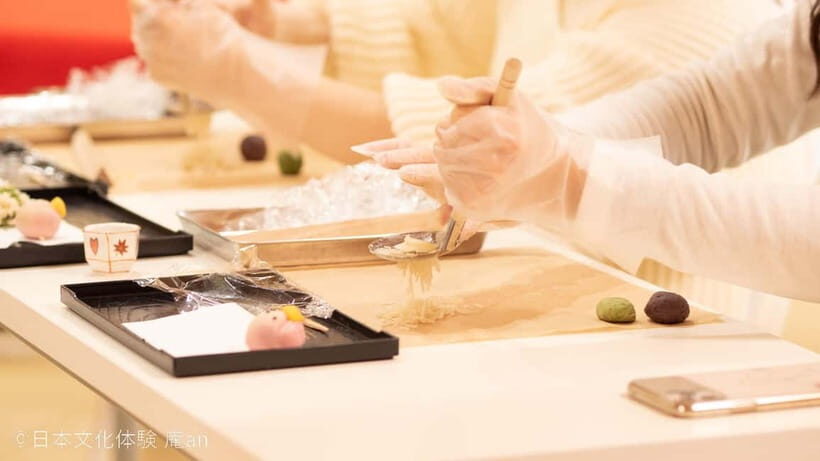
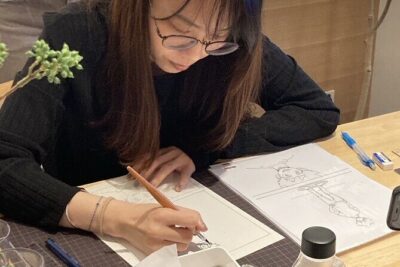
This isn’t a museum-style wagashi talk where you just watch. It’s a short, focused workshop designed to get your hands moving right away. The total duration is 65 minutes, with a clear rhythm: a quick intro, two stages of shaping, some time for photos, then the best part—eating.
The structure is simple, which is exactly why it works if you’re short on time in Osaka. You’ll spend the first chunk understanding what makes traditional sweets special, then you’ll shape a flower-shaped Nerikiri. After that, you switch gears and make Kinton Nerikiri, finishing with picture time and a sit-down tasting.
And yes, your fingers will get coated in sweet bean paste. That’s normal. In fact, it’s part of the charm—this is craft work you do with your body, not just with your eyes.
A few more Osaka tours and experiences worth a look
Kyoto bean paste on your spoon: why the ingredients matter
One of the quiet advantages here is the ingredient choice. You use white and red bean paste produced by Kyoto’s long-established shops. That detail matters because Nerikiri isn’t just about the shape; it’s also about the texture and flavor you’re starting with.
When the base ingredient is high quality, the shaping feels more controllable. You’re not wrestling something bland or inconsistent. Instead, you’re learning how to shape a paste that behaves the way traditional wagashi is expected to behave—pliable, workable, and ready for fine finishing.
If you care about authenticity and not just doing an activity for the photo, this is a strong point. It also makes your tasting more satisfying, since you’re eating something made with a real traditional base.
Flower-shaped Nerikiri: the first sweet and the confidence boost
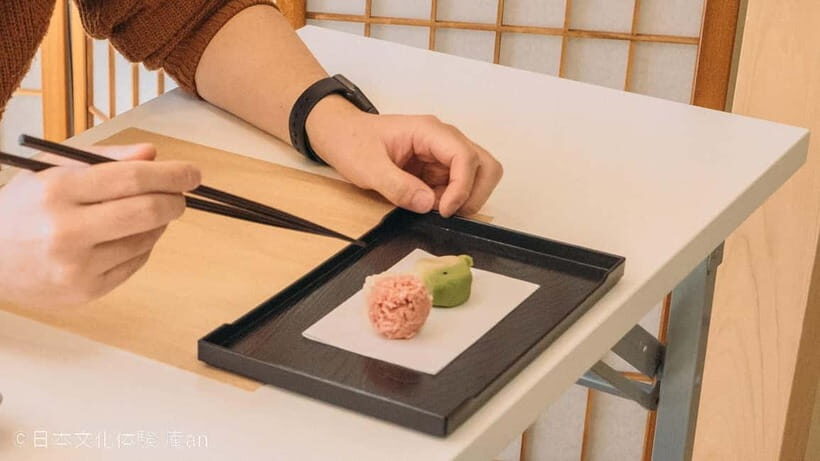
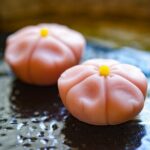
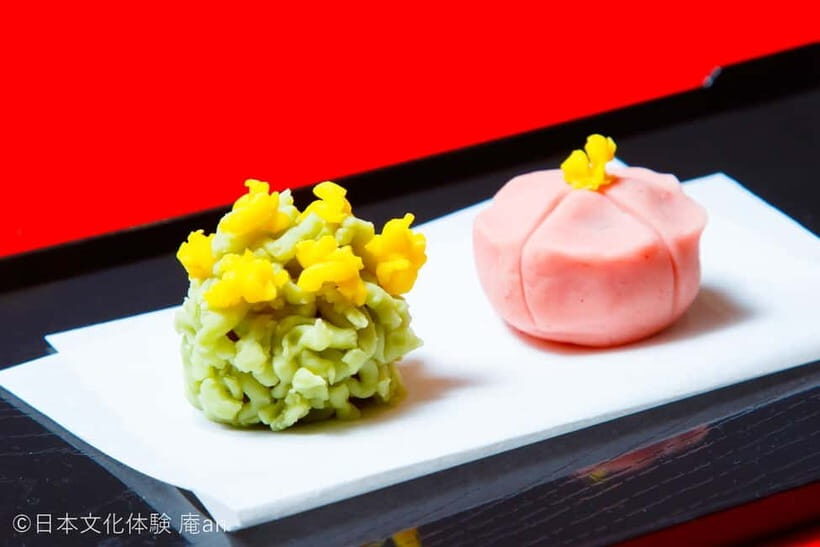
The workshop begins with an explanation of Japanese traditional sweets, then you jump into the first creation: a flower-shaped Nerikiri. This is the part that builds your confidence fast.
Flower shapes are a great first target because they teach basic Nerikiri technique: portioning, smoothing, and shaping into a recognizable form. Even if your first attempt isn’t perfect, you can usually get to a pleasing result within the short timeframe. That matters, because the goal isn’t a perfect wagashi showpiece—it’s learning the feel of the process.
Another smart detail: you make something that’s seasonally appropriate. Nerikiri often reflects the mood of the time of year, and matching the season gives your finished sweet a more meaningful look than a random generic shape. It also helps you understand why wagashi is treated as art, not just dessert.
Kinton Nerikiri: the second sweet you’ll actually remember
After the flower sweet, you’ll make Kinton Nerikiri. This is your second win, and it changes the experience from beginner shaping into something a bit more expressive.
Kinton is a recognizable style in Japanese sweets, so making it gives you a clearer takeaway than simply repeating the same motions twice. You’re learning a second method or at least a second “style target,” which helps you understand how versatile Nerikiri can be.
Practically, this is also where you start to feel comfortable. Your hands learn the rhythm: how to handle the paste, how to keep the surface neat, and how to make your final form hold its shape. It’s the stage where the class stops feeling like an assignment and starts feeling like craft time.
If you’re someone who likes hands-on workshops, this second sweet is what makes the 65 minutes feel complete instead of rushed.
Plate, photos, and the tasting you’ll be glad is included
Once your sweets are formed, you’ll have picture time. That’s built into the schedule (picture time happens around the middle-to-late part of the class). It’s a thoughtful touch because Nerikiri is visually delicate and meant to be seen.
Then comes the part most people actually want: you can eat what you make on the spot. That turns the activity into something more than a souvenir. You get immediate feedback—how the paste tastes, how the sweetness feels, and how the texture matches the look.
You also get the best kind of satisfaction: you made it, you see it, and you eat it while it still feels fresh. If you’ve done art classes where the “real value” disappears once the paint dries or the photo is taken, this workshop avoids that trap.





Price and value: $11 for two sweets you can taste immediately
At about $11 per person, this workshop is priced like a classic short Osaka experience. What makes it good value isn’t just the low price—it’s that you get two seasonal sweets you make yourself, plus eating time right there.
There are a couple of optional add-ons:
- A take-out box costs 100 JPY if you want to bring extras or share later
- A completion certificate costs 300 JPY if you want a little keepsake
Those extras are optional, which is nice. You’re not forced into upsells to feel like you got your money’s worth.
If you compare it to tastings where you just sample and leave, here you’re paying for a skill and a creative output. If you compare it to longer wagashi courses that can run much more expensive, this one stays tight and doable even on a busy day.
So the value equation is strong: ingredient quality + two sweets + on-the-spot tasting, all within a compact 65-minute window.
Where to go in Osaka: stations you can actually reach fast
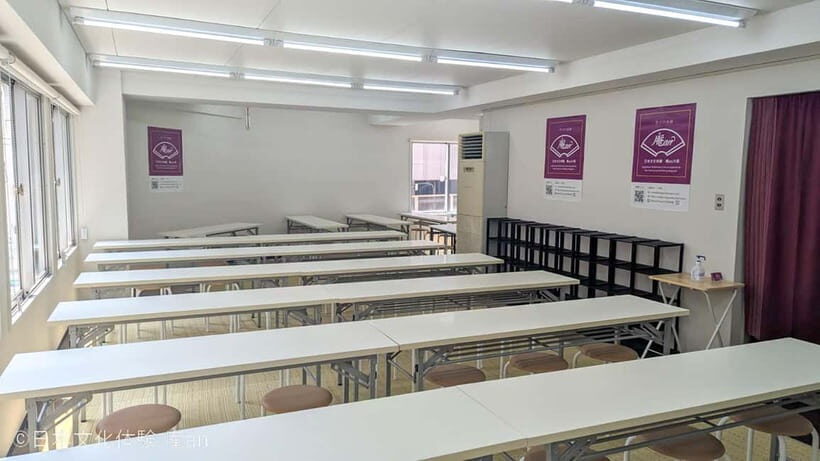
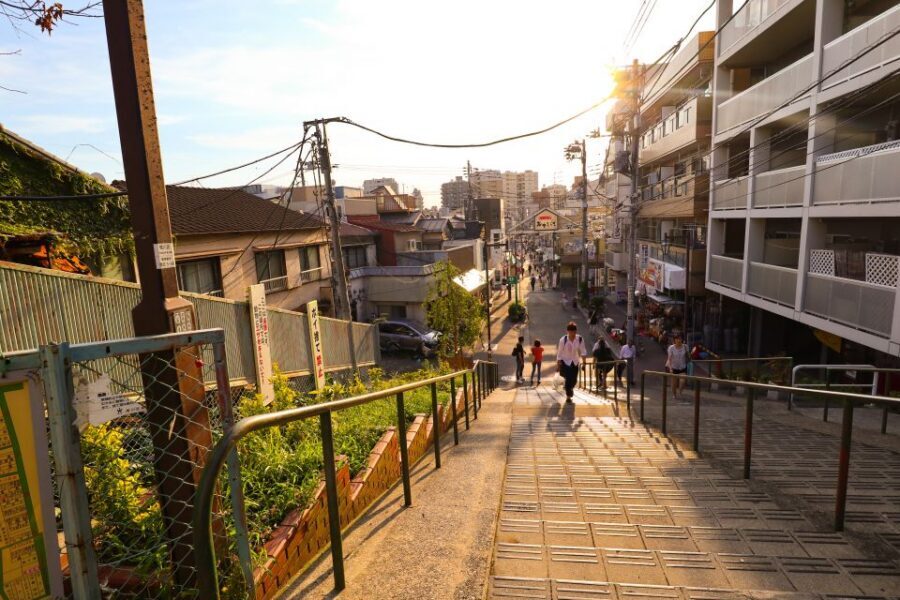
Location matters when you only have an hour and change. This workshop is easy to reach by train, with multiple nearby station options.
You can walk:
- 1 minute from Exit 10 of Osaka Metro Yotsubashi Line Higobashi Station
- 5 minutes from Exit 7 of Keihan Nakanoshima Line Watanabebashi Station
- 7 minutes from Exit 10 of Osaka Metro/Keihan Line Yodoyabashi Station
- 10 minutes from Exit 11-5 of JR Tozai Line Kitashinchi Station
- 15 minutes from the South Central Gate of Osaka Station
So even if you’re already near different lines, you can usually adjust without stress.
Tip: because there’s no “wait and see” built into the experience flow, plan to arrive a bit early. The info notes that they can’t hold the event to accommodate delays, so arriving calmly matters more than squeezing in that last snack.
The small logistics that can trip you up (so you’re ready)
This class is simple, but a few practical notes are worth reading before you go.
Operation hours are 10:00 to 17:00. If your reservation is received after 17:00, it’s processed the next day. The duration is 65 minutes, so you’ll want to choose a slot that fits your day without rushing.
Language: the instructor is Japanese, and English translation is provided as much as possible. In practice, that means you’ll get enough guidance to follow along, especially since the class is hands-on.
Accessibility: there’s no elevator, and you’ll need to take stairs to reach each venue. If you travel with mobility limitations, this is the one detail that could make the experience harder.
One more “real life” point: if you’re planning with other people, make sure everyone understands that those who do not participate can’t enter. It’s a workshop setup, not a drop-in viewing experience.
Who this Nerikiri workshop suits best (and who should skip it)
This is a great fit for you if:
- you want authentic Japanese craft time without a half-day commitment
- you like seasonal food art and want something more personal than a standard dessert
- you’re in Osaka for a busy schedule and still want a hands-on experience
- you enjoy learning in a small, guided way rather than reading alone
It’s also a good choice for solo travelers because you’re making your own sweets, and the instructor support helps keep the experience from feeling awkward or confusing.
If you should skip it:
- If stairs are a problem for you (no elevator)
- If you strongly dislike hands-on food activities, since your hands will get messy
- If you’re looking for a long, in-depth cultural lecture (this is short and practical, focused on making)
And based on the vibe reflected in the feedback, the class feels friendly. One standout detail in the reviews is that the instructor had enough English to communicate well, and conversation can even drift into fun topics like football. That’s exactly the kind of environment that makes a short workshop feel easier than it sounds on paper.
Should you book this Nerikiri experience?
You should book it if you want a high-value, low-stress Osaka activity that ends with something you helped create and then eat. For the price, the big win is that you get two seasonal Nerikiri and tasting time, not just a demo.
Book it especially if you’re the type who likes doing one craft skill you can actually describe later—flower-shaped Nerikiri, then Kinton Nerikiri—and you’ll walk away with clear memories, plus optional take-out if you want a second taste later.
If you hate stairs or you need a very accessible setup, then don’t force it. But if stairs are fine and you’re ready for sticky hands and beautiful results, this is an easy yes.
FAQ
How long is the Nerikiri making experience?
The experience lasts 65 minutes.
What will I make during the workshop?
You will make two seasonal Nerikiri sweets. The class includes a flower-shaped Nerikiri and Kinton Nerikiri.
Can I eat the sweets after making them?
Yes. You can eat the sweets on the spot.
What ingredients are used for the sweets?
The workshop uses white and red bean paste produced by long-established shops in Kyoto.
What is included in the price?
A set experience of Nerikiri making is included.
Is there an extra cost for a take-out box?
Yes. A sweets take-out box costs 100 JPY.
Is there an extra cost for a completion certificate?
Yes. The experience completion certificate costs 300 JPY.
Where is the meeting point?
It’s near Higobashi Station (Exit 10), plus other nearby station options like Watanabebashi, Yodoyabashi, Kitashinchi, and Osaka Station.
What languages are used?
The language is Japanese, and English translation is provided as much as possible.
Is the venue accessible by elevator?
No. There is no elevator, and you will need to use stairs.
When are the hours for the experience?
The operation hours are 10:00 to 17:00.