REVIEW · TOKYO
From Osaka: Kyoto & Nara Highlights Day Tour (7 attractions)
Book on GetYourGuide →Operated by JTOURSTORY · Bookable on GetYourGuide
A long temple day can still feel fun. This tour strings together Kyoto and Nara highlights with a real guide and smart pacing. It’s the kind of day where stops like Kiyomizu-dera’s views and Fushimi Inari’s torii tunnels make you stop and stare. I also like that guides such as Jeon, Min, Jo, and Tae Hyun are described as friendly, helpful, and great at explaining what you’re seeing.
Two things I’d happily prioritize: you get a guided flow from Nara Park to major shrines and temples, and you also get time to wander on your own at each stop. One thing to consider is that it can feel rushed if crowds are heavy, so bring comfortable shoes and expect a busy day.
In This Review
- Key points worth knowing before you go
- Why This Kyoto and Nara Highlights Tour Works
- Start Smart: The 8:00 AM Tsurutontan Meet-Up
- Nara Park First: Deer Encounters, Then Todaiji’s Great Buddha
- Kasugataisha Shrine: Lantern-Lit Calm You Can Actually Feel
- Byodoin Temple and Uji Omotesando: The 10-Yen Moment Plus Matcha Time
- Fushimi Inari Torii Tunnels: Walking the Vermillion Path
- Kiyomizu-dera at the End: Wooden Stage Views Over Kyoto
- Crowds, Timing, and Why the Day Can Feel Long
- Guides Make It Better: Explanations, Care, and Photo Help
- Price and Value: What $53 Gets You (and What It Doesn’t)
- Who This Tour Fits Best
- Should You Book This Kyoto and Nara Highlights Tour?
- FAQ
- What time does the tour start?
- Where is the meeting point?
- What languages are the guides?
- What’s included in the price?
- Are meals included?
- Are admission fees included?
- Is the tour stroller-friendly or wheelchair-accessible?
Key points worth knowing before you go
- 7 major sights in one day: Nara Park, Todaiji, Kasugataisha, Byodoin, Fushimi Inari, and Kiyomizu-dera, plus Uji.
- English and Korean speaking guides: the guide experience is a big part of the value here.
- Good photo opportunities, guided to the right spots: photo help plus photo sharing is part of the service vibe.
- Lunch is on you: you’ll have a chance to eat in Uji, but meals are not included.
- Crowds are real at the big names: you may see less of the inside details when it’s busy.
Why This Kyoto and Nara Highlights Tour Works
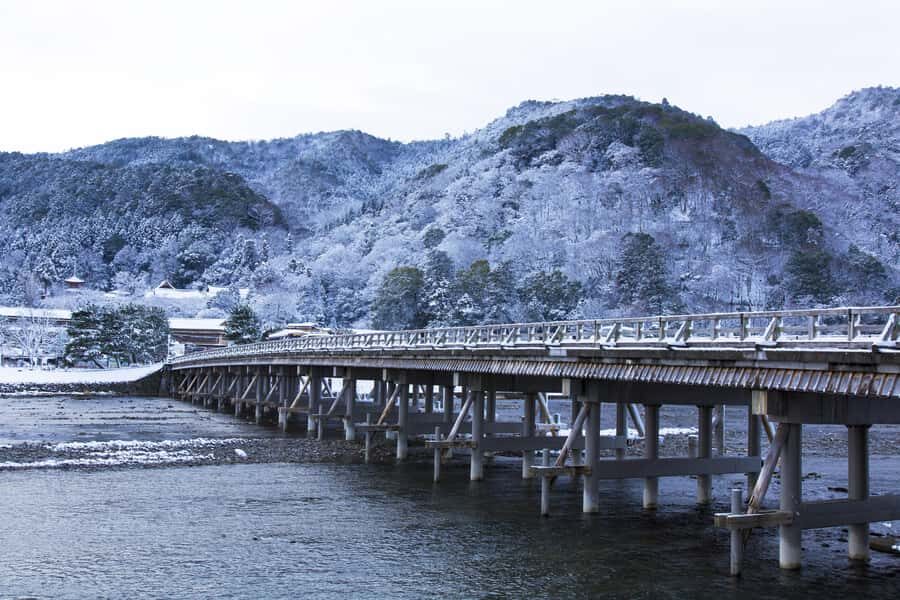
If you’ve only got one day outside Osaka, this is a strong way to cover a lot of ground without feeling lost. You’ll hit the big spiritual sites in Nara and Kyoto, plus a classic walk through the torii gates at Fushimi Inari.
What I like most is the structure. You’re not just dropped at busier spots and left to figure it out. Instead, you get a guided path that helps you understand why these places matter, and where to look once you’re there.
At $53 per person, it’s also priced like a practical “high-returns” day. You’re paying for transportation plus a guide, which is exactly what you want for a long day with lots of walking and frequent stops.
You can also read our reviews of more tours and experiences in Tokyo.



Start Smart: The 8:00 AM Tsurutontan Meet-Up

Your day starts early, which is good. The tour begins at 8:00 AM, and you’ll want to be in front of Tsurutontan Soemoncho by 7:50 AM. This early departure helps you get to the first temples before the heaviest waves.
You’ll travel by vehicle for the transfer between Osaka area and the Kyoto/Nara route. In practice, this style of tour is set up for groups to move efficiently, so you spend more time at the sights and less time negotiating transit.
The operator also notes an important reality check: vehicles can’t operate more than 10 hours, and the guide may adjust the itinerary based on traffic and weather. That flexibility matters in Japan, where a “fixed” plan can get messy fast.
Nara Park First: Deer Encounters, Then Todaiji’s Great Buddha
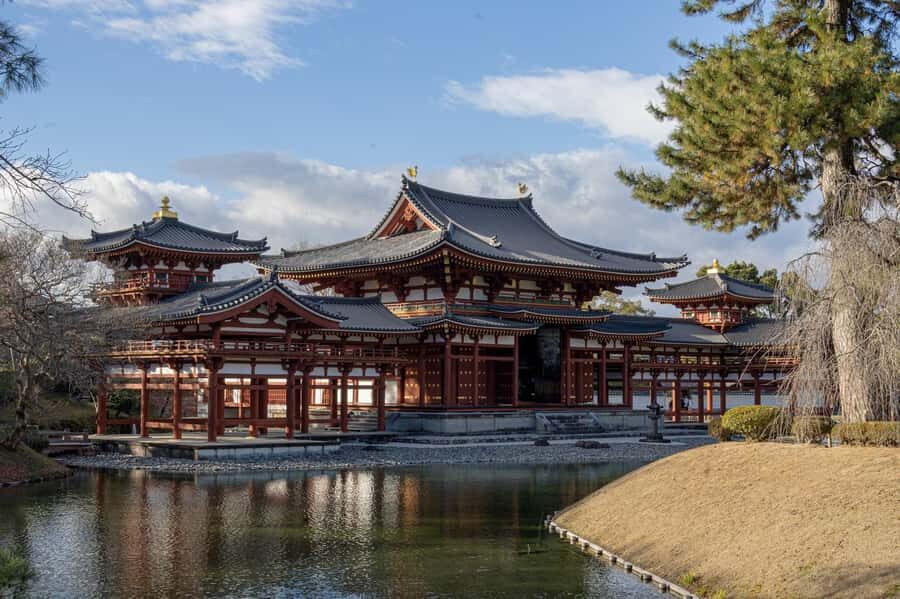
Most days start with Nara, and that choice makes sense. Nara Park is your first big moment because it’s easy to enjoy immediately. You’ll see hundreds of deer roaming around freely, and you’ll get to interact with them in a calm, open setting.
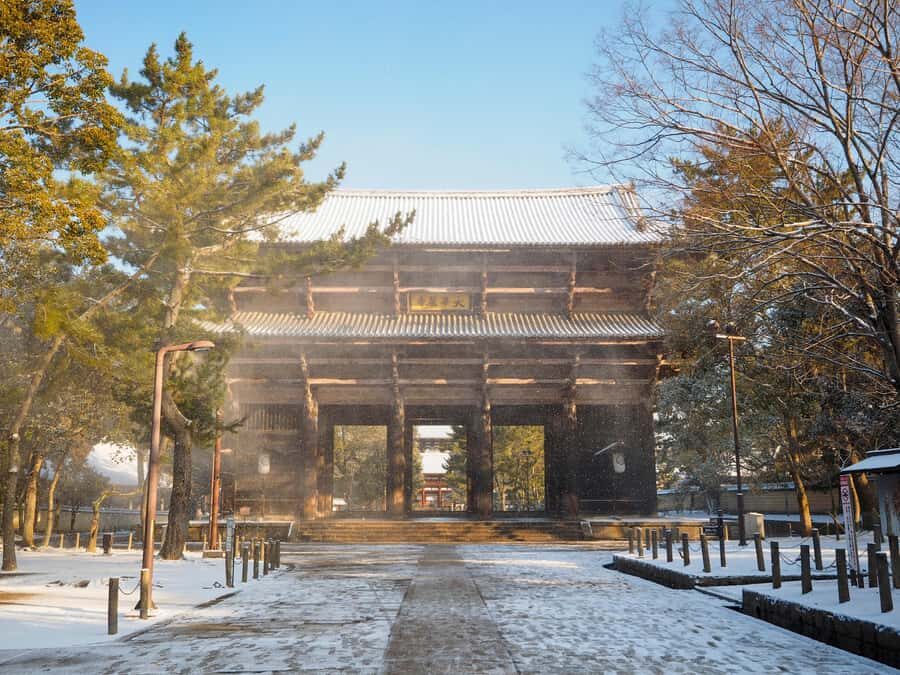
From there, the tour heads to Todaiji Temple, where the main attraction is the Great Buddha inside a massive hall. This is one of those stops where the scale hits you before you even start reading explanations. Even if you’re not a temple expert, you can feel what people meant when this was built.
Practical note: Nara can get crowded too, especially around feeding times and popular photo angles. If you want smoother experiences, keep your expectations flexible and let the guide manage the flow.
Kasugataisha Shrine: Lantern-Lit Calm You Can Actually Feel
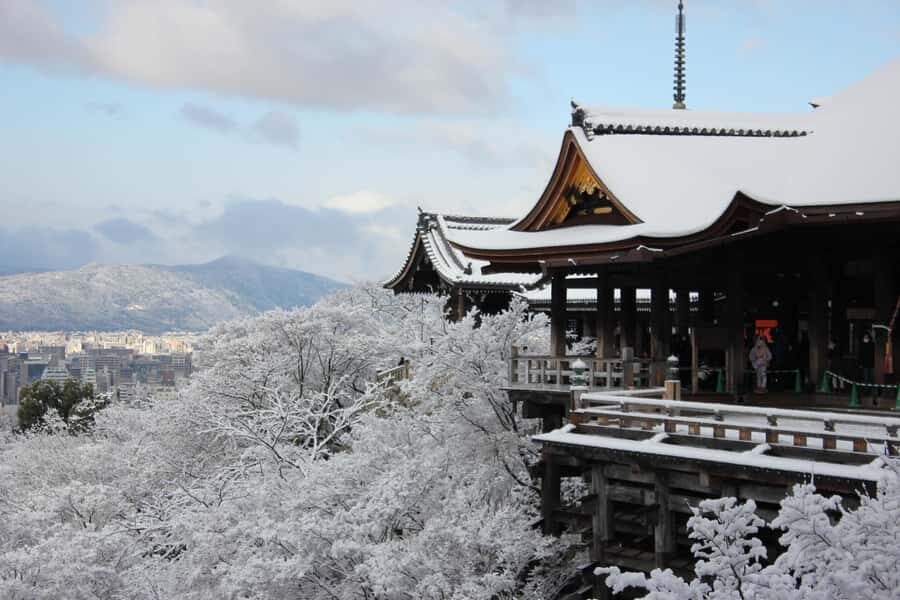
Next comes Kasugataisha Shrine, a Shinto site known for its hundreds of stone and bronze lanterns. This is a different mood than the roar of bigger temple complexes. You’ll spend time walking serene paths and taking in the atmosphere.
I like this stop because it slows the day down just a bit. It also gives you variety: after Nara’s deer-and-buddha energy, Kasugataisha feels more intimate and reflective.
If you’re sensitive to crowds, this is one of the places where you can still find quiet pockets, as long as you pay attention to how the group moves. Follow your guide, but also take a few minutes to step aside if you want to absorb the lanterns without shoulder-to-shoulder pressure.
Byodoin Temple and Uji Omotesando: The 10-Yen Moment Plus Matcha Time
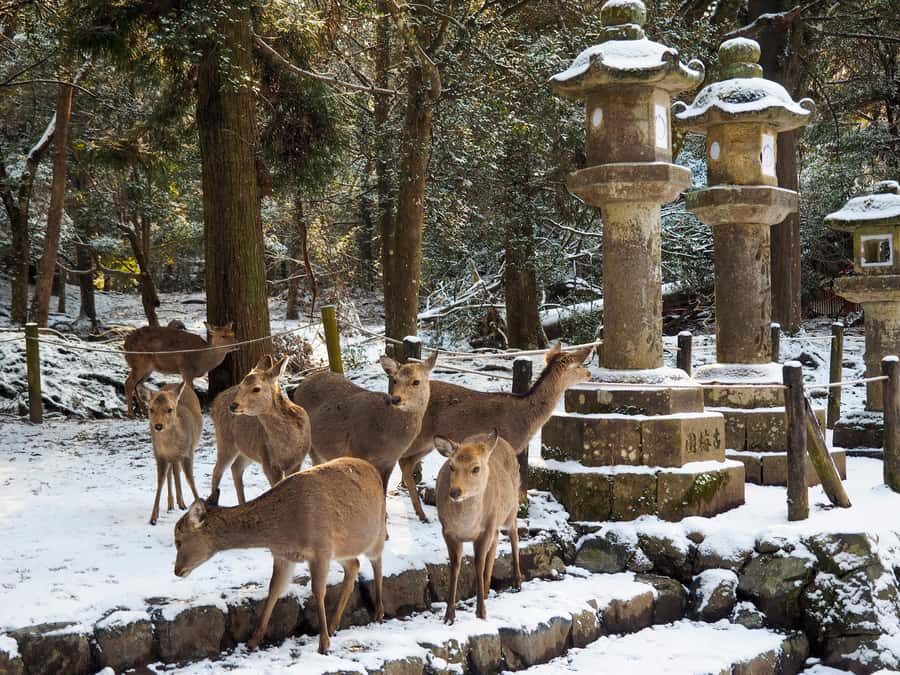
By midday, you’ll arrive at Byodoin Temple, a Buddhist landmark tied to the Japanese 10-yen coin. The standout here is the Phoenix Hall, and you’ll have time to admire its look over the pond.
This stop works well in a day like this because it’s visually distinct. You’re not just chasing more buildings—you’re seeing architecture designed to be viewed in a specific way, with water shaping the scene.
Then you’ll move on to Uji Omotesando, a classic street lined with traditional tea houses. Lunch is at your own expense, but the upside is you can choose what fits your tastes. Uji is known for matcha, and this is your chance to sample sweets or drinks in a place where tea culture is the point.
If you’re hoping to avoid long waits, eat sooner rather than later. When tour groups converge, it’s easy to lose 20–30 minutes to lines and menu-decisions.






Fushimi Inari Torii Tunnels: Walking the Vermillion Path
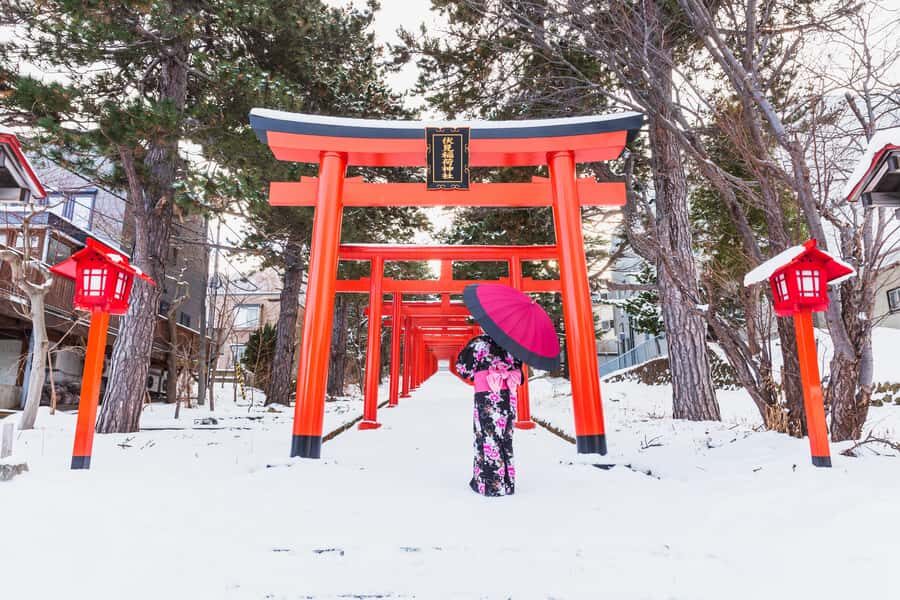
After Uji, the itinerary takes you to Fushimi Inari Taisha Shrine, famous for its thousands of vermillion torii gates winding up Mount Inari. This is the stop where photos are easy to take but still hard to get bored of.
The real experience here is the walk itself. Each turn and each arch changes the way light hits the path, and it feels different as you move upward through the tunnel effect. It’s also one of the most “Kyoto” moments in the whole day.
Crowds are part of the deal at Fushimi Inari, so don’t fight the flow. Go at a steady pace, and if you want calmer moments, shift your attention away from the most obvious photo angles and look for side views between gates.
Kiyomizu-dera at the End: Wooden Stage Views Over Kyoto
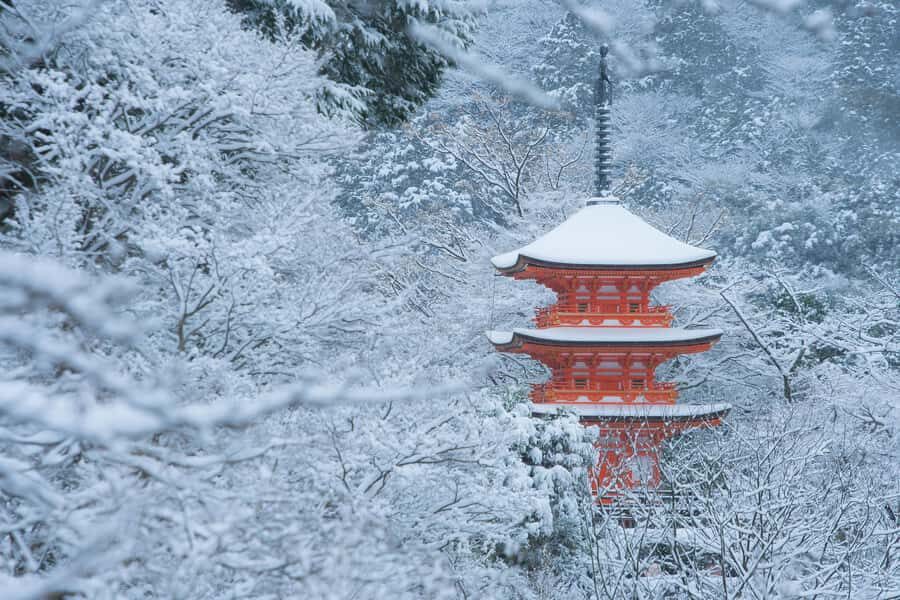
Your day finishes at Kiyomizu-dera, a UNESCO World Heritage site. The headline feature here is the grand wooden stage and the big overlook you get from the temple grounds.
This is a smart closer because Kiyomizu-dera delivers views that feel bigger than a single landmark. Depending on the season, you may notice seasonal beauty around the grounds—spring cherry blossoms or autumn maple leaves are both called out for this temple.
One practical tip: at the end of a full day, energy levels dip. Plan your Kiyomizu-dera “must-do” as a short checklist: find the main viewpoint, take in the stage area, then wander for 20–30 minutes. That keeps the day satisfying even if crowds slow you down.
Crowds, Timing, and Why the Day Can Feel Long
This tour is built for a lot of famous stops, and famous stops usually mean crowds. That’s not a flaw—it’s just the trade-off for packing in 7 attractions.
The itinerary also depends on real conditions. Traffic, weather, and seasonal demand can affect how much time you spend at each place. The guide may adjust the plan to keep things workable within vehicle time limits.
So yes, you should expect a “full day” pace. If your dream trip is slow travel with deep reading inside every hall, you might find the schedule tight. If your dream trip is seeing the key sites with less planning effort, this tour does exactly that.
Guides Make It Better: Explanations, Care, and Photo Help
The guide experience seems to be the biggest reason people feel happy after the day. Guides like Jeon, Min, and Jo are described as friendly and good at explaining what you’re looking at. Tae Hyun is also mentioned for safe, comfortable driving—useful when you’re bouncing between cities and hills.
What helps most is the mix of guided context plus time for your own exploration. You’re not just hearing facts the whole time; you’re getting prompts on what to notice at each stop and then doing the looking yourself.
I also appreciate that guides are willing to help with practical travel details. In addition to the temple-and-shrine talk, some guides share suggestions for where to eat back in Osaka and help with photo moments during the day.
Price and Value: What $53 Gets You (and What It Doesn’t)
The price is listed at $53 per person, and here’s how that usually translates in real life: you’re paying for transportation plus a guide (English and Korean). That’s the core value for a day this long, because you’re saving time and avoiding transit juggling between Osaka, Nara, and Kyoto.
What’s not included:
- Meals (you’ll have lunch options in Uji on your own)
- Admission fees and activity charges (you should budget for entry where applicable)
- Travel insurance and personal expenses
So the “real total” depends on what you eat and what you pay for entries. Still, for most people, having the guide and the route coverage is the difference between a smooth day and a stressful one.
If you want a simple rule: treat the tour price as the logistics cost, then add your food and entries on top.
Who This Tour Fits Best
This tour is best for you if:
- you want a one-day highlights plan from Osaka with minimal planning
- you like having clear guidance at major sites like Fushimi Inari and Kiyomizu-dera
- you’re comfortable walking and handling crowds at iconic locations
It might be less ideal if:
- you want slow, quiet temple time with long stays inside buildings
- you rely on wheelchair access, since it’s stated to be not wheelchair-accessible
- you’re expecting meals to be fully included
Good news for families: it’s stroller-friendly, as long as you inform the operator if you’re bringing one.
Should You Book This Kyoto and Nara Highlights Tour?
If you’re deciding between “DIY transit” and “one organized day,” this tour is a solid pick. It covers the big spiritual hits in Nara and Kyoto plus a Uji tea stop, and you get a guide to help you understand what you’re seeing.
I’d book it if your goal is to maximize sights with a helpful guide and you can handle a busy schedule. I wouldn’t book it if your top priority is slow, uncrowded temple wandering with lots of spare time at each location.
FAQ
What time does the tour start?
The tour starts at 8:00 AM. You should be in front of Tsurutontan Soemoncho before 7:50 AM.
Where is the meeting point?
Meet the tour staff in front of Tsurutontan Soemoncho.
What languages are the guides?
The guide speaks English and Korean.
What’s included in the price?
Transportation and an English/Korean speaking guide are included.
Are meals included?
No, meals are not included. Lunch is available at your own expense during the Uji stop.
Are admission fees included?
No, admission fees and activity charges are not included.
Is the tour stroller-friendly or wheelchair-accessible?
The tour is stroller-friendly. It is not wheelchair-accessible.
If you tell me your travel month and whether you prefer early mornings or slower stops, I can also suggest a smart game plan for the most crowded sites on the day.