REVIEW · TOKYO
From Tokyo: Fuji Mountain Area – FujiQ – Lake Kawaguchiko – Chureito Pagoda
Book on GetYourGuide →Operated by Tokyo Turismo Ltda · Bookable on GetYourGuide
Mount Fuji day trips are never this organized. This private 7-hour route links Mount Fuji viewpoints with the flower-framed fame of Oishi Park, then adds Lake Kawaguchiko and Oshino Hakkai. For value-minded planning, the door-to-door pickup and carefully timed stops make a big difference.
What I really like is how the day builds toward its best photo moment: Chureito Pagoda with wide Fuji views, often timed for sunset light. I also like that Oshino Hakkai is not just a quick stop, but a calmer walk with a guided touch and spring-fed ponds that sit beneath Fuji’s silhouette.
The main drawback to consider is the pace versus add-ons: with so many highlights packed in, entrance fees and optional extras (like FujiQ or lake activities) can raise your total if you want everything.
In This Review
- Key highlights that make this tour worth a look
- Door-to-door comfort in Tokyo’s best kind of transport
- Oishi Park: where Mount Fuji meets the flowers
- The Fuji viewpoint time: more than one “Mt. Fuji photo stop”
- Lake Kawaguchiko: reflections plus real choices
- Oshino Hakkai: crystal-clear springs with a slower rhythm
- Arakawa Sengen Park and Chureito Pagoda: the sunset payoff
- Price and value: what $292 covers (and what might cost extra)
- Optional add-ons: FujiQ and tailoring the day
- Who this tour fits best
- Should you book this Mt. Fuji day trip from Tokyo?
- FAQ
- How long is the tour?
- What is the price per person?
- Where does the tour pick you up in Tokyo?
- Will I be dropped off at my hotel afterward?
- Is this a private group?
- What languages are available for the live guide?
- Is Wi‑Fi and food included during the drive?
- Are attraction tickets included?
Key highlights that make this tour worth a look
- Black Toyota Alphard pickup with Wi‑Fi, water, cookies, and Japanese sweets to keep the day easy.
- Oishi Park for the classic, flower-framed Mount Fuji photo angle.
- Lake Kawaguchiko with options for a ropeway ride or a lake boat trip if you want more views.
- Oshino Hakkai crystal springs with a short guided component and time to stroll.
- Arakawa Sengen Park + Chureito Pagoda for a panoramic Fuji finish with sunset included in the timing.
- Private group flexibility, including adapting your plan within the tour schedule.
Door-to-door comfort in Tokyo’s best kind of transport
This is a private day trip, which matters in the Fuji area. You’re not squeezed into a large group bus, and you’re not spending time figuring out transfers once you leave Tokyo. Pickup is from your hotel or Airbnb, and drop-off is back at your place within Tokyo’s 23 wards.
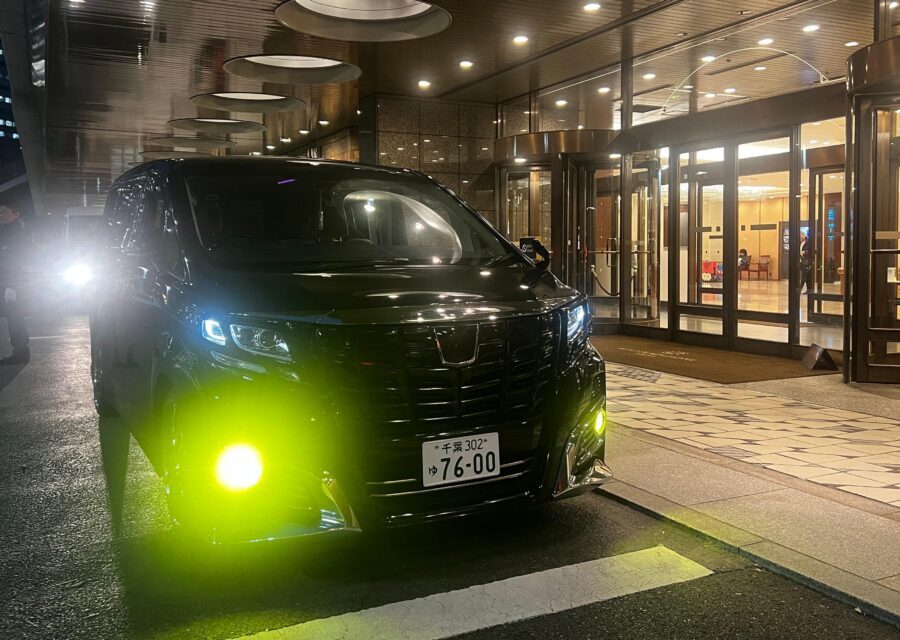
The vehicle is a black Toyota Alphard, a roomy choice that feels more like a day with a driver than a mass tour. Inside, you get free Wi‑Fi, water, cookies, and Japanese sweets, so you’re not hunting for snacks when timing gets tight. And because it’s fully insured and includes gas and tolls, you don’t need to worry about the small cost creep that often shows up on self-guided days.
Language support is multilingual: English, Portuguese, Spanish, and Japanese. Reviews also highlight drivers and guides by name, including Marcelo, Cami, Anderson, and Hiroshi, and the common thread is calm pacing and helpful guidance. If you’re not fluent in Japanese, that can be a big deal for staying relaxed and getting better photos without stress.
You can also read our reviews of more tours and experiences in Tokyo.



Oishi Park: where Mount Fuji meets the flowers
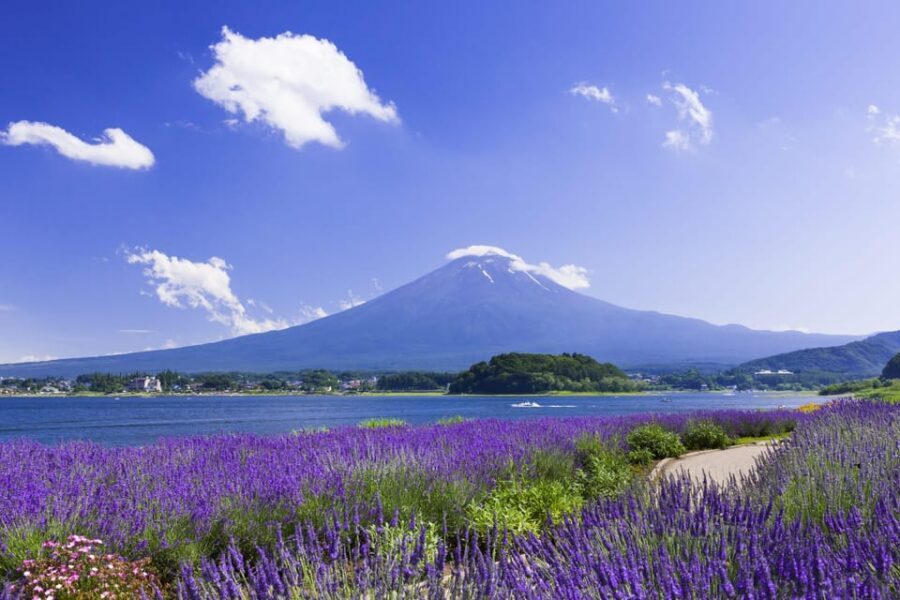
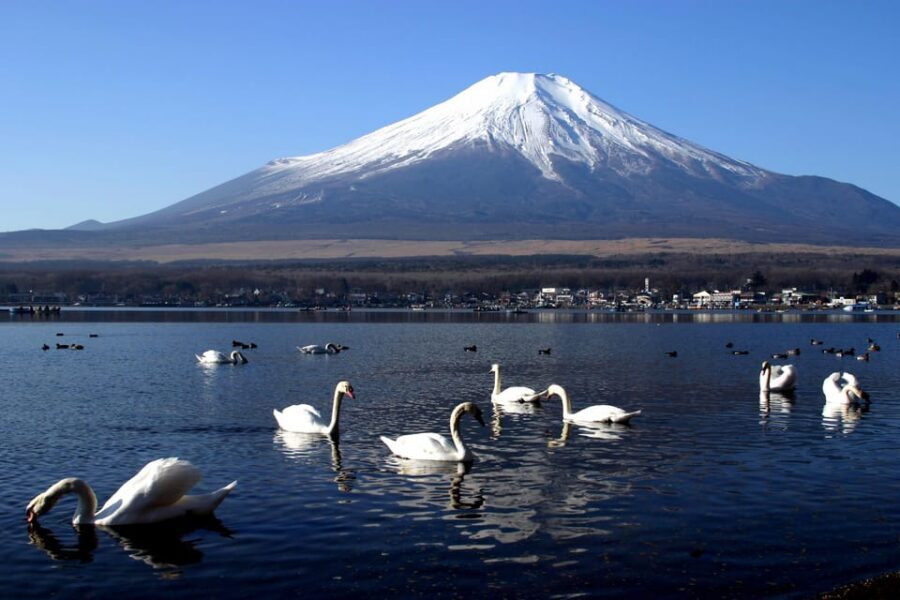
Oishi Park is the kind of stop that turns a trip into a postcard. It’s famous for the iconic view of Mount Fuji with snow at the top, framed by seasonal flowers. Even if you’ve seen the image online, being there in person is different: the mountain feels close, and the whole scene has that “Japan at its most scenic” clarity.
You’ll have about an hour here for photos and a walk. That means you can get your main shots without feeling rushed, and you can also slow down if you want quieter moments in the flower areas. The best strategy is simple: take a few quick overview shots first, then return to your favorite angle for cleaner pictures.
One consideration: flower seasons change how colorful the park looks, and Mount Fuji’s appearance can vary day to day. But the plan is still strong because the framing and viewpoint are the core attraction, not a single weather-dependent moment.
The Fuji viewpoint time: more than one “Mt. Fuji photo stop”
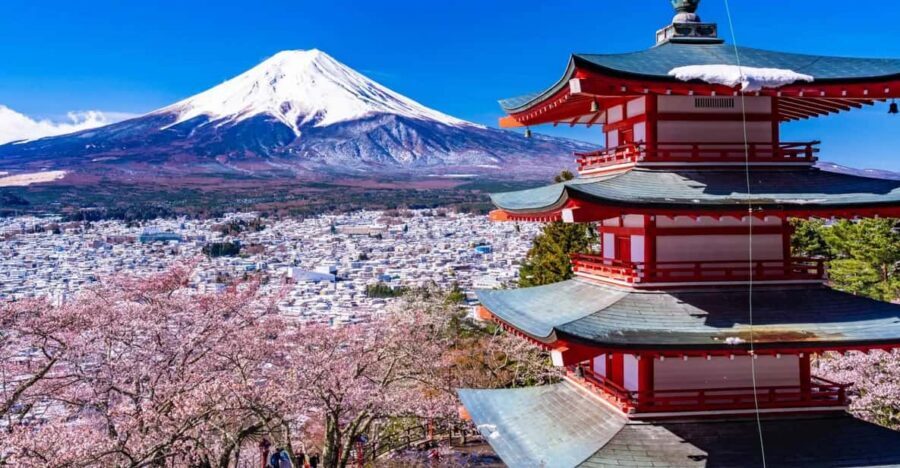
The day isn’t only Oishi Park. There’s also a dedicated Mount Fuji visit window, with a full two hours set aside. In practice, that gives you room to find the best sightline and not feel like you’re racing a clock just to say you saw Fuji.
You’ll also get a photo-stop in Fujiyoshida later, along with sightseeing and scenic views on the way. These are the kinds of stops that work well for travelers who want variety: the mountain angle changes as you move around, and even when you’re doing the same “big view,” the framing feels different from spot to spot.
If you’re the type who cares about photographs, this structure helps. You’re not relying on one single view; you’re building a mini collection of angles throughout the day. If you’d rather just enjoy the scenery, the extra time also reduces the “stand here, run there” feel that can drain you.
Lake Kawaguchiko: reflections plus real choices
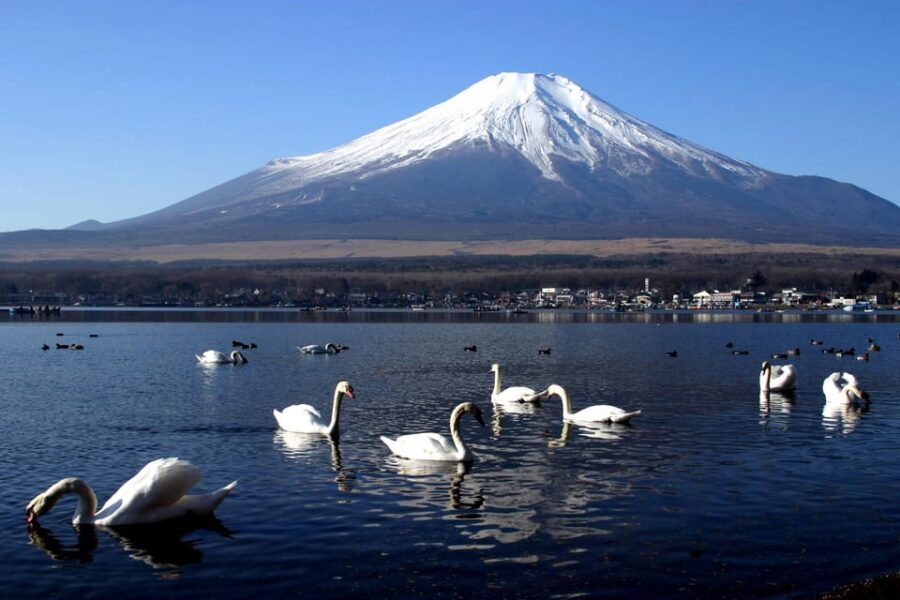
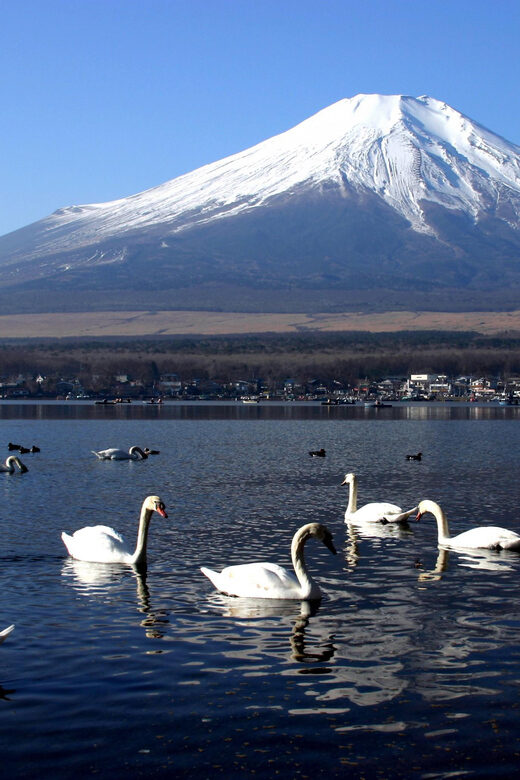
Lake Kawaguchiko is one of the Fuji Five Lakes areas people talk about for a reason. The lake’s calm water is ideal for reflecting Mount Fuji, and the air tends to feel fresher once you reach the lakeside.
You’ll have about an hour to explore, walk, and take in the views. That time is enough to do the basics well: get your reflection shots, enjoy the shoreline scenery, and not feel like you’re stuck indoors or in a queue.
There’s also an important perk: you can choose how you experience the lake.
- A telephone ride option can give you a better viewing angle over the water and mountain.
- Or you can opt for an APPARE boat trip around the lake for a slower, water-level perspective.
I like this flexibility because it lets you match your energy. If you want a quick altitude boost, go for the ride. If you want time to relax and drift along the shoreline, the boat makes sense. Either way, the tour gives you the opportunity to customize without breaking the overall schedule.
Oshino Hakkai: crystal-clear springs with a slower rhythm
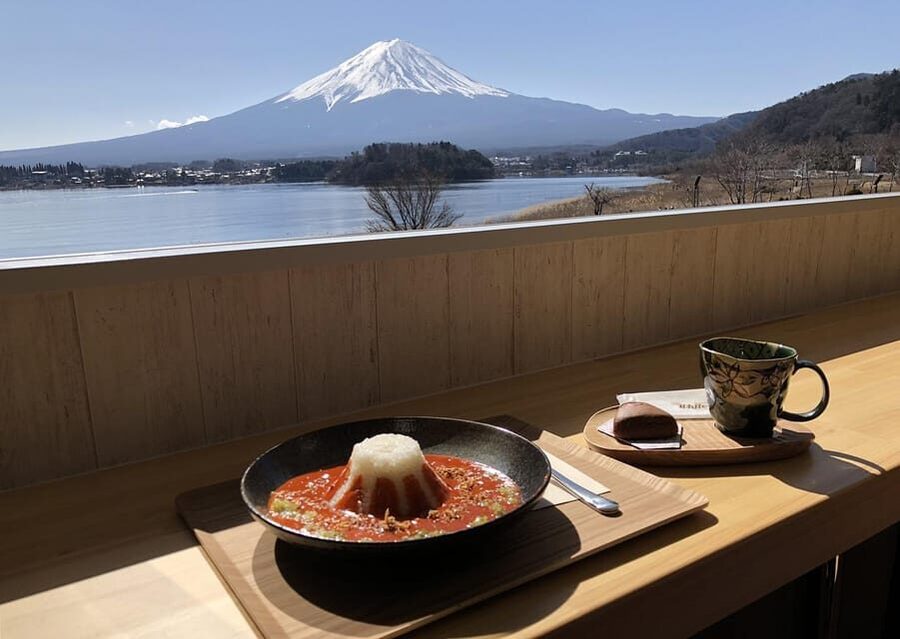
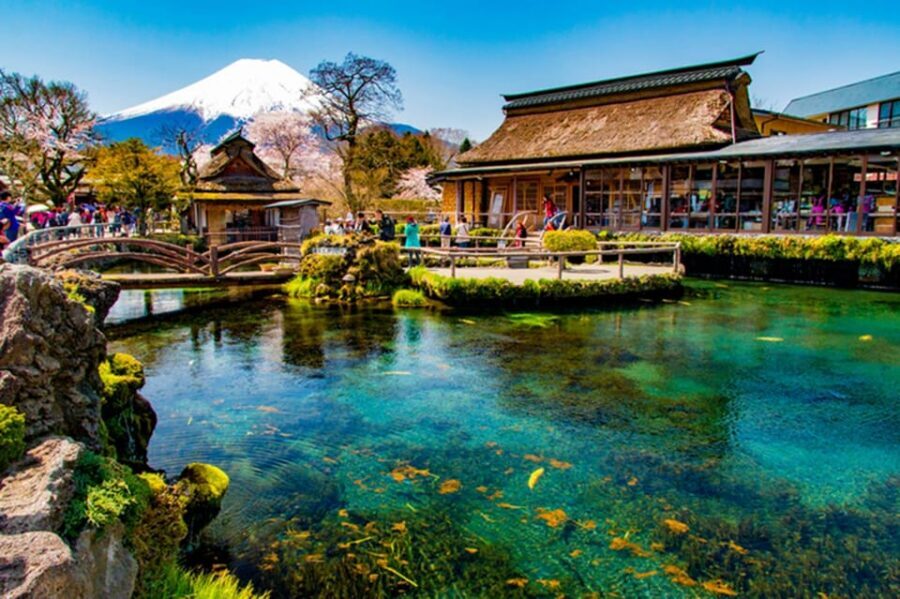
Oshino Hakkai is where the trip shifts from scenic big views to a more grounded, everyday beauty. The springs here are fed by melting water from Mount Fuji, and the result is a set of crystal-clear ponds you can stroll around and photograph.
You’ll get around 1.5 hours, including a photo stop, a guided tour, shopping time, and sightseeing on foot. This is a smart mix. The guidance helps you understand what you’re seeing, and the time to walk gives you space to enjoy the mood rather than just pass through.
The ponds and bridges create a natural loop for photos, and the area feels especially good for slower travel days. If you’re traveling with someone who prefers gentle sightseeing over theme-park energy, this is a nice anchor stop.
One note to plan around: this part of the day is still outdoors. Bring comfortable shoes, and expect walking. It’s not hard hiking, but you will be on your feet.





Arakawa Sengen Park and Chureito Pagoda: the sunset payoff
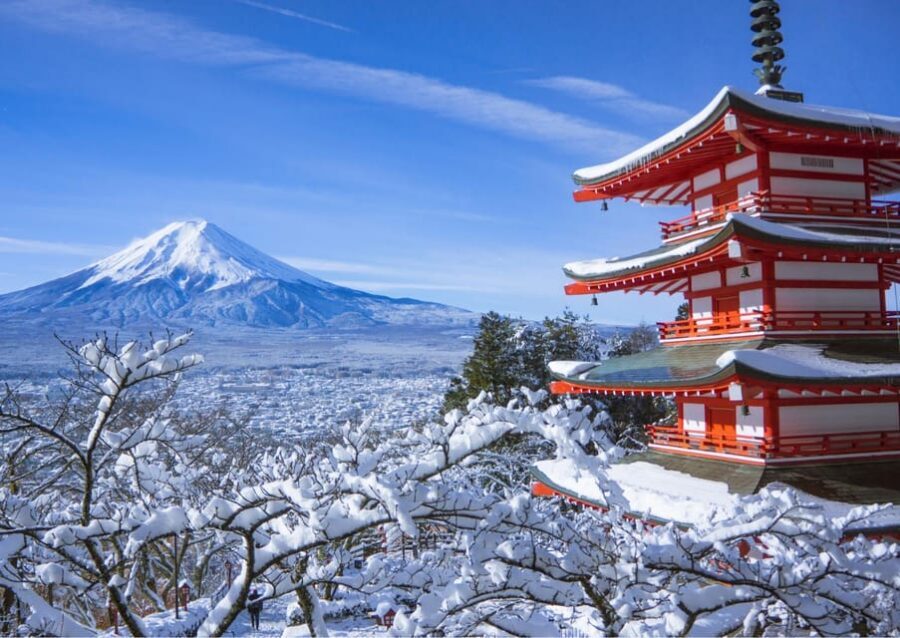
By the time you reach Arakawa Sengen Park and the Chureito Pagoda, the tour is doing what it should: saving one of the strongest visuals for last. The Chureito Pagoda is iconic, and the viewpoint is built for panoramic Fuji viewing.
You’ll spend about 1.5 hours here, including a photo stop, sightseeing, and a self-guided window that’s timed with sunset. That self-guided structure is useful. You’re not trapped with a single route or guided script, so you can adapt to crowd flow and your own photo style.
This is also the spot where your earlier choices pay off. If you already collected angles of Fuji around Oishi Park and the lake, the pagoda view becomes the dramatic “final chapter.” The scenery feels more layered—pagoda lines in the foreground, Fuji on the horizon, and the sky turning as time passes.
If you care about photos, I recommend arriving ready to walk a bit and try multiple angles. Sunset light can change quickly, and being able to move without waiting for a group shuffle makes a difference.
Price and value: what $292 covers (and what might cost extra)
At $292 per person for a 7-hour day, you’re paying for convenience plus structure. The big value is the private transport from Tokyo with a comfortable vehicle, door-to-door pickup, and fuel/tolls included. You’re also getting Wi‑Fi and snack treats, which sounds small until you’re on the road and planning on-the-fly.
This price also buys time. The itinerary includes multiple substantial stops rather than a “drive-by” schedule. That matters because Fuji-area views are not always quick to capture, especially if you’re taking photos seriously or want time to walk.
What’s not included is also important. Tickets and entrance fees for attractions are not listed as included, so if you choose optional experiences on top of the main itinerary, budget for those. Personal expenses are also on you.
One more value point: the tour is private, but it’s not rigid. If you want to tweak your plan within the tour schedule, the operator says they’re open to adapting your route. That can make the price feel more justified because you’re not locked into a one-size-fits-all day.
Optional add-ons: FujiQ and tailoring the day
If your group includes teens or anyone who likes adrenaline, FujiQ Highland is offered as an option. The idea is simple: you can add the theme park energy while the main group still keeps the trip moving, and then everyone returns together to the hotel in the same safe, comfortable ride.
This matters because theme-park plans often break group logic—people want different things at the same time. Having the option inside the same day trip structure can reduce the stress of coordinating separate schedules.
You can also customize within the tour’s framework. If there’s a specific Fuji-area spot you care about, you’ll want to ask early so the driver can balance timing and driving time.
Who this tour fits best
This tour is a good match if you want a high-impact Fuji day without the planning headache. It’s also ideal for groups who value comfort: a private Alphard with Wi‑Fi, water, snacks, and a multilingual driver helps keep the day smooth.
It’s especially good for couples, families, and small groups who want the big highlights—Oishi Park, Lake Kawaguchiko, Oshino Hakkai, and Chureito Pagoda—without juggling trains or buses. If you like photos, the itinerary gives you several distinct angles of Mount Fuji, not just one.
It may be less ideal if you want a slow, one-lake-only day. This is a packed 7-hour circuit with walking and photo stops. You’ll get variety, but you won’t get long, relaxed stretches at every location.
Should you book this Mt. Fuji day trip from Tokyo?
If you want the classic Fuji circuit done with minimal friction, I think this is an easy yes. The combination of private transport, comfortable pickup/drop-off in Tokyo, and a finish at Chureito Pagoda around sunset gives you a strong “big day” payoff.
I’d book it if:
- You want door-to-door convenience in Tokyo and a calm day pace.
- You care about multiple Mount Fuji viewpoints, especially Oishi Park and Chureito Pagoda.
- You’d rather pay for structure than spend your limited time figuring out the logistics.
I’d hesitate if:
- You’re trying to keep your total budget super tight after entrance fees and optional add-ons.
- You prefer fewer stops and a longer hangout at one location.
If you’re choosing this tour, the best move is to plan your photo priorities before you start. Once you know what you want most—flowers at Oishi Park, reflections at Kawaguchiko, or pagoda sunset—this day reads like a well-paced route built for exactly that.
FAQ
How long is the tour?
The duration is 7 hours (450 minutes).
What is the price per person?
The price is listed as $292 per person.
Where does the tour pick you up in Tokyo?
Pickup is included from your hotel or Airbnb in Tokyo.
Will I be dropped off at my hotel afterward?
Yes. The tour includes a safe return and drop-off to your place of stay within Tokyo’s 23 wards.
Is this a private group?
Yes, it’s a private group.
What languages are available for the live guide?
The live tour guide is available in English, Portuguese, Spanish, and Japanese.
Is Wi‑Fi and food included during the drive?
Yes. The vehicle is equipped with free Wi‑Fi, and it includes water, cookies, and Japanese sweets.
Are attraction tickets included?
No. Tickets and entrance fees to attractions are not included, and personal expenses or extra stops outside the main itinerary are also not included.