REVIEW · TOKYO
1- Day Private Tour to Nikko Tochigi With English Speaking Driver
Book on Viator →Operated by Green apple travel · Bookable on Viator
Nikko is one of Japan’s most famous shrine-and-nature days. This private 10-hour trip is built for an easy pace, with an English-speaking driver and a comfortable, air-conditioned ride that gets you from Tokyo to the key sights without the hassle. I also like that it’s genuinely flexible for your timing—so you can spend your energy on photos, views, and quiet moments instead of transit stress.
Two standout things I’d plan around are the focus on the major hits (Toshogu Shrine, Shinkyo Bridge, and the waterfalls) and the small, real-world logistics built in, like hotel pickup and bottled water. The only real consideration is that several of the most popular sites have admission fees that aren’t included, so you should budget a few small charges on top of the tour price.
In This Review
- Key Highlights at a Glance
- A Private Nikko Day Built for Low-Stress Travel
- How the Timing Works for Toshogu, Bridges, Lakes, and Waterfalls
- Nikko: Tokugawa Ieyasu and the Sacred Core
- Shinkyo Bridge: The First Structure You See (and What to Expect)
- Lake Chuzenji Skyline: Fresh Air and the Story of a Resort Era
- Nikko Tosho-gu: Where the Carvings Take Over
- Kegon Falls: 97 Meters of Water Power
- Rinnoji Temple: A Calmer Side of Nikko
- Kirifuri Waterfall: Two Tiers, 75 Meters Up Close
- Price and Value: When $539 Makes Sense for Your Group
- Comfort and Practical Tips for a 10-Hour Day
- Should You Book This Nikko Private Tour?
- FAQ
- FAQ
- How long is the Nikko Tochigi private tour?
- Is this a private tour or shared group?
- Is pickup available from Tokyo hotels?
- Does the tour include an English-speaking driver?
- What’s included in the tour price?
- What admission fees are not included?
- Are any stops free of admission?
- Can I add stops for lunch?
- What is the cancellation policy?
Key Highlights at a Glance
- Private door-to-door pickup in Tokyo so you’re not piecing together trains all day
- English-speaking driver who can help you get where you need to be fast
- Classic Nikko order: Shinkyo Bridge, Lake Chuzenji areas, Toshogu, then waterfalls
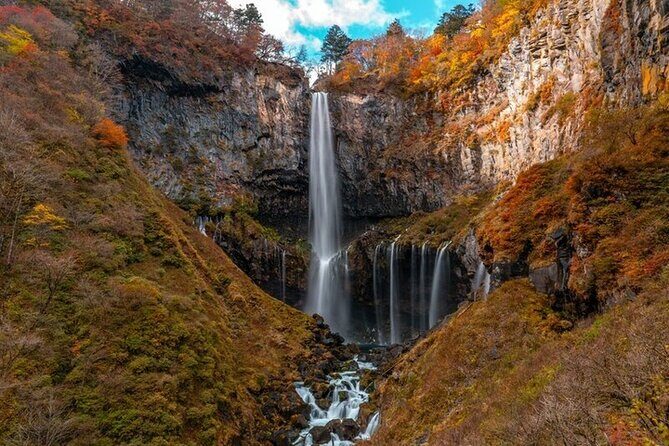
- Waterfall time with context, including Kegon Falls dropping 97 meters straight down
- Fewer friction points: air-conditioning, highway included, and bottled water
A Private Nikko Day Built for Low-Stress Travel
If your idea of a perfect day trip includes fewer transfers and more time actually looking, this format fits well. You’re in a private, air-conditioned vehicle with an English-speaking driver-chauffeur, and you get round-trip hotel pickup and drop-off from Tokyo. That matters, because Nikko is far enough from the city that small delays can snowball when you’re riding public transit.
I like that the day is structured around Nikko’s biggest “why people come” landmarks: the ornate Toshogu Shrine complex, the iconic Shinkyo Bridge, and the water scenery around Lake Chuzenji and Kegon Falls. And there’s enough space in the schedule to add a stop for lunch if you want a local place rather than eating whatever is nearby.
The tour is priced per group (up to two people), which is a smart way to think about value: if you’re two, your cost spreads out. If you’re one person, you might feel the price more—still, a private driver can be a lifesaver when you’re trying to do a lot in a single day.
You can also read our reviews of more private tours in Tokyo


How the Timing Works for Toshogu, Bridges, Lakes, and Waterfalls
This is a long day by default—about 10 hours total—so the key to enjoying it is pace. Nikko rewards time spent slowly, but it also punishes “rushing for checkboxes.” This tour’s flow is designed to keep you moving while still giving each place real time on the ground.
Here’s the general rhythm you can expect:
- Start with a major Nikko gateway experience (Shinkyo Bridge is often an early anchor).
- Move to the Lake Chuzenji viewpoints/area for a change of scenery.
- Spend focused time at the Tosho-gu area (the shrine grounds are the centerpiece).
- Finish with waterfalls and a couple of calmer temple stops.
In the booking examples, the tour guide Vicky is specifically mentioned for starting the day around Shinkyo Bridge and then hitting Kegon Falls, Lake Chuzenji, and Kirifuri Waterfall in a way that feels smooth rather than frantic. That kind of ordering is useful because it reduces backtracking and gives you a natural transition from streets to sacred grounds to nature.
Nikko: Tokugawa Ieyasu and the Sacred Core
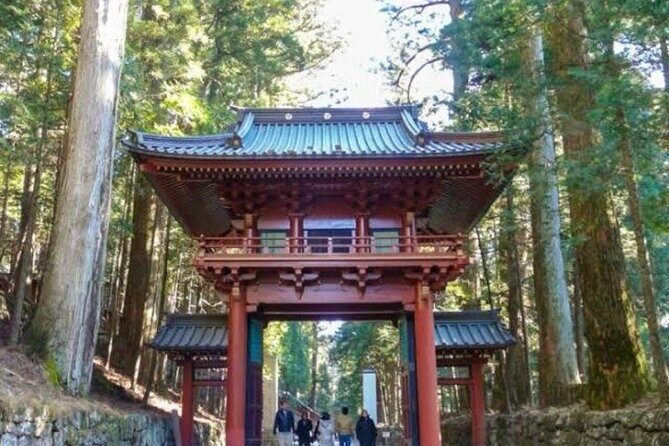
Nikko’s big draw is not only pretty scenery—it’s the meaning layered into the place. At the Nikko stop, you’ll spend about two hours around the final resting place of Tokugawa Ieyasu, the founder of the Tokugawa shogunate, plus nearby shrines and temples.
I like this opening block because it frames the day. When you understand who Ieyasu was and why Nikko mattered to the Tokugawa world, Toshogu Shrine doesn’t feel like random ornate architecture. It feels like a political-religious statement, preserved in woodwork and ritual space.
Practical note: this part is admission-free on the tour plan, which helps you avoid early costs if you’re working with a tight budget. It’s also a good moment to get your bearings—walk a little, take in the atmosphere, then gear up for the more ticketed highlights later.
Shinkyo Bridge: The First Structure You See (and What to Expect)
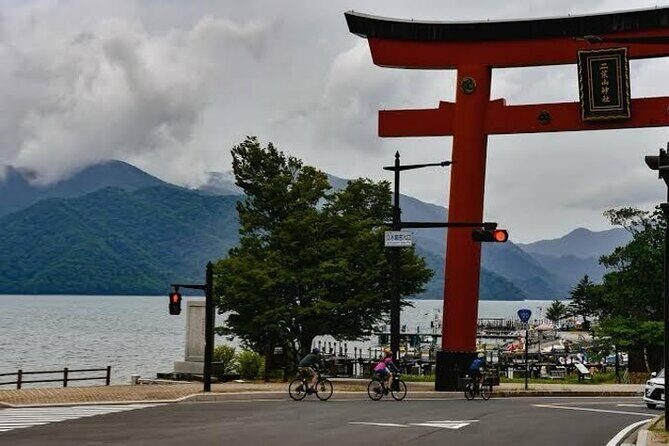
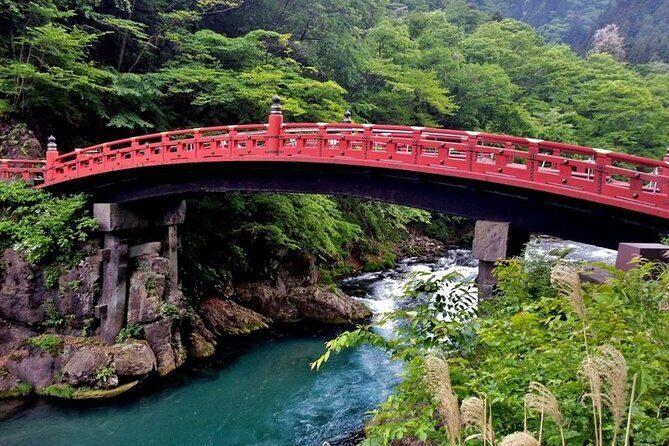
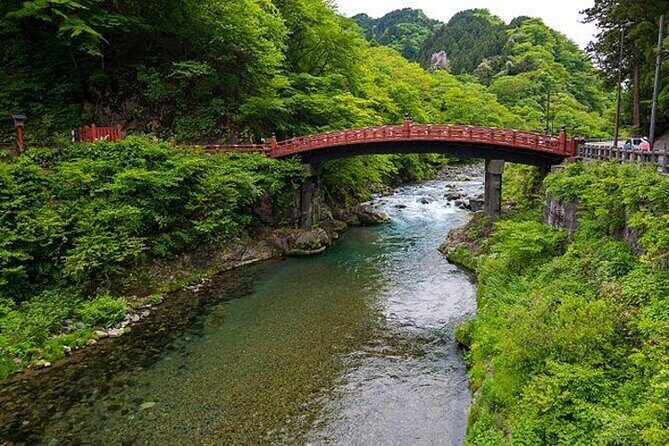
Shinkyo Bridge is famous for a reason: it’s often the first structure visitors encounter before they enter Nikko’s shrine area. You’ll have about an hour here, which is enough time to get your bearings and take photos without feeling like you’re standing in a rush.
The tour plan flags the Shinkyo Bridge admission fee as not included, so you’ll want a small cash/card buffer for it. It’s also worth thinking about timing: bridges and shrine approaches are the kind of spots where crowding can change your experience quickly. An earlier visit helps, and private transport gives you more control than a rigid group bus.
When you’re here, don’t just focus on the bridge itself. Look at the water and surrounding setting—it’s part of why the bridge works as a “threshold” moment. It’s a transition from everyday movement into the sacred grounds world.
Lake Chuzenji Skyline: Fresh Air and the Story of a Resort Era
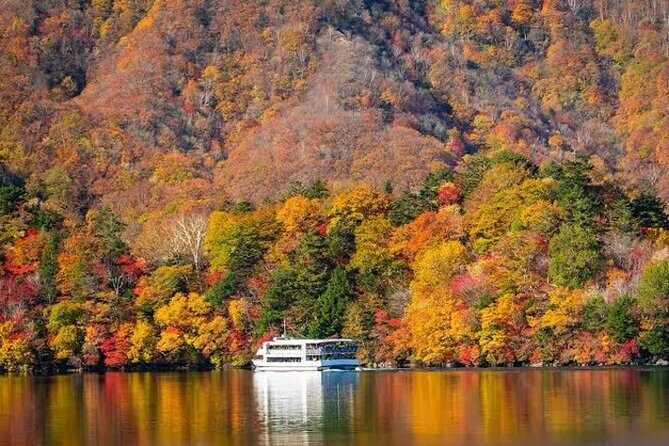
Lake Chuzenji is the largest lake in Tochigi, and the area is known for about 25 kilometers of nature around the water. On this day trip, you’ll spend around an hour at the Lake Chuzenji Skyline area.
What I like about stopping at the lake is the pacing. After shrine spaces, you need a visual break, and the lake gives you that. It’s also a chance to reset your legs before you go back into more walking at Toshogu and the waterfall stops.
There’s also a historical layer here: the area became a popular summer resort for foreigners in the late 19th to early 20th centuries, and the tour description points to villa influences from that era (including French connections mentioned in the tour details). You might not find a single “museum moment,” but you’ll feel how the area shifted from wilderness to getaway.
This stop is admission-free on the plan, so it’s an easy win—especially if you want one more scenic block without adding tickets.
A few more Tokyo tours and experiences worth a look

Nikko Tosho-gu: Where the Carvings Take Over
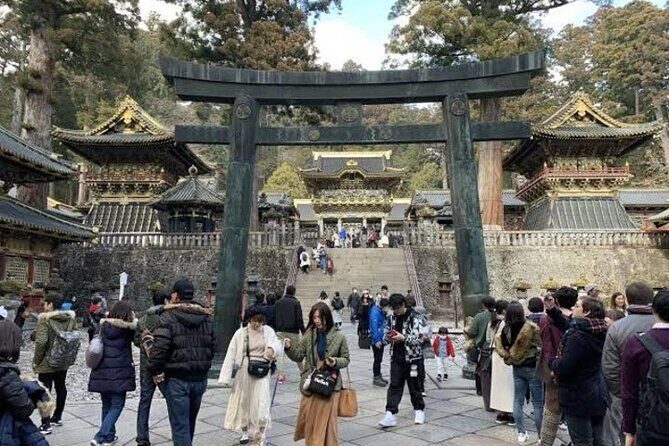
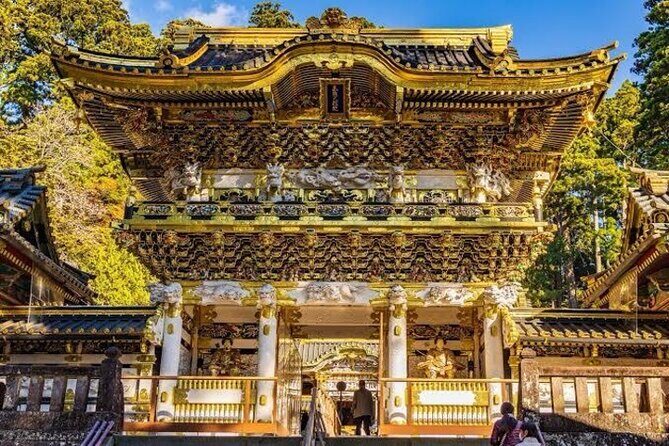
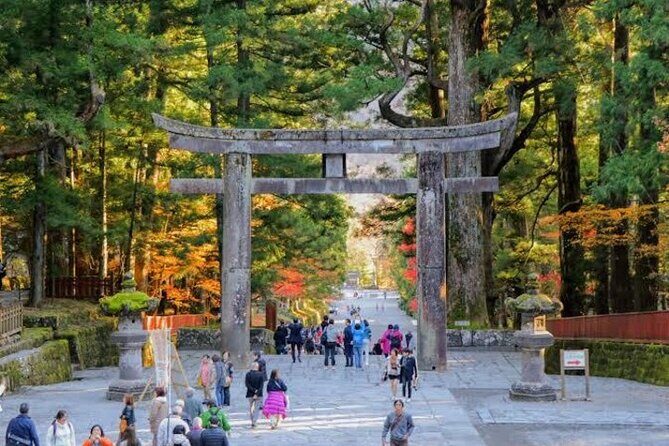
Toshogu Shrine (listed as Nikko Tosho-gu on the plan) is the emotional core of many Nikko days, and you get about two hours here. This is where you’ll be struck by the ornate carvings and the sense that the whole shrine area is designed to impress—on purpose.
I’d treat this stop as both sightseeing and reading. The goal isn’t only to look at decorations; it’s to notice patterns, craftsmanship, and the way different buildings relate to the sacred route. When you’ve seen enough, you’ll understand why people talk about Toshogu like a must-see.
The tour description also highlights nearby sacred spaces such as Futarasan Shrine, and that’s another reason two hours helps. It gives you time to move beyond one building and understand the grounds as a connected experience, not a single photo spot.
One important planning point: the Toshogu admission fee is not included, and the tour data estimates it at less than $5. It’s small, but it’s still something you should expect to pay at the gate.
If you’re the type who likes structured highlights but still wants room to slow down, this is the stop that will reward you most.
Kegon Falls: 97 Meters of Water Power
Then comes the waterfall moment. Kegon Falls is Nikko’s most famous of its 48 waterfalls, and you’ll spend about two hours around it. The key stat to keep in mind is the drop: water from Lake Chuzenji falls about 97 meters straight down.
This stop is also ticketed on the plan, with an admission fee listed as not included (around $3). That’s a small extra cost for a big payoff, because Kegon Falls is one of those sights that changes how you feel about the whole day. It’s dramatic, and it’s not just pretty—it’s loud, heavy, and real.
The tour details also mention that there’s a special lift to help visitors reach viewing areas. You don’t need to plan a whole strategy around it, but it’s a hint that the viewing experience isn’t only “walk up to the edge.” It’s designed to get you to perspectives where you can actually take in the height.
If you’re sensitive to mist or sudden weather changes, bring something small for coverage. Even when the day seems calm, waterfall areas can feel damp.
Rinnoji Temple: A Calmer Side of Nikko
After the big waterfall energy, Rinnoji Temple gives you a different tone. You’ll have about one hour here, and it’s admission-free on the plan.
Rinnoji is described as Nikko’s most important temple, founded by Shodo Shonin, the Buddhist monk who introduced Buddhism to Nikko in the 8th century. The main building is noted as the Sanbutsudo, which is a helpful anchor if you want to recognize what you’re looking at.
I like keeping this temple stop late-ish in the day. It helps you end with something reflective rather than just more photos of scenery. Also, after crowds at the core shrine areas, a temple stop can feel more spacious even if it’s still popular.
Kirifuri Waterfall: Two Tiers, 75 Meters Up Close
Kirifuri Waterfall is the “one more nature stop” that rounds out the day nicely. You’ll spend about an hour here, and it’s admission-free on the plan.
The description gives you solid basics: Kirifuri is an impressive 75-meter high, two-tiered waterfall located below the Kirifuri Highlands. It’s a few kilometers northeast of the temples and shrines of Nikko.
I like this stop because it gives you variety. Kegon is about the big famous drop; Kirifuri is about a different waterfall shape. Two-tier waterfalls can be especially satisfying because your eye gets a natural pause at each level.
If you’re taking photos, wear shoes that handle wet patches, even if it’s not raining. Waterfall areas can be slick, and you don’t want to think about footing when you’re trying to enjoy the view.
Price and Value: When $539 Makes Sense for Your Group
At $539 per group (up to 2), this tour sits in the private-day-trip price range. The value isn’t only in the sightseeing list—it’s in what you don’t have to do.
You’re paying for:
- round-trip hotel pickup and drop-off
- a private, air-conditioned vehicle
- bottled water
- highway included
- an English-speaking driver-chauffeur
- a mobile ticket
Now add the reality check: admission fees for Kegon Falls, Shinkyo Bridge, and Toshogu Shrine aren’t included. Kegon and Shinkyo are listed at about $3 each, and Toshogu is less than $5.
So the question becomes: are you buying time and reduced stress, or are you trying to save money by doing it yourself? If you’re traveling with someone else, splitting the group cost can make this feel very reasonable. If you’re solo, it may still be worth it if you’d otherwise spend time coordinating trains and walking routes across a long day.
The best-fit traveler for this kind of tour is someone who wants the main Nikko highlights with minimal friction, and someone who values an English-speaking driver for navigation and smooth timing.
Comfort and Practical Tips for a 10-Hour Day
A smooth day trip is mostly small choices. Here’s what I’d plan around based on how this day is set up.
Wear layers. Nikko’s elevation and the waterfall areas can feel different from Tokyo. Even if the forecast looks fine, bring a light layer you can stash easily.
Bring a small way to pay fees. The tour lists admission costs not included for Kegon Falls, Shinkyo Bridge, and Toshogu Shrine. Having a card or some cash ready keeps you from slowing down at ticket points.
Use the private format to reduce walking where it matters. You’ll still do sightseeing walking, but you won’t be dealing with train stairs, line changes, or long taxi waits. That’s the real advantage: you spend energy on the sights rather than on logistics.
Plan your lunch preference before you go. The tour allows adding lunch stops like local spots. If you have a food style you want—udon, ramen, set meals—you’ll enjoy the flexibility more.
Should You Book This Nikko Private Tour?
Book this tour if you want a full Nikko day with the major highlights—Toshogu Shrine, Shinkyo Bridge, Lake Chuzenji, Kegon Falls, plus Rinnoji and Kirifuri Waterfall—handled with private transport and an English-speaking driver. The structure is especially good for first-timers who don’t want to puzzle out timing and connections.
Think twice if you’re mainly price-driven and you’re comfortable planning transport and tickets yourself. This tour’s per-group pricing plus a few add-on admissions means it’s not the lowest-cost way to reach Nikko—but it can be one of the easiest ways to experience Nikko without burning your day on logistics.
FAQ
FAQ
How long is the Nikko Tochigi private tour?
It runs for about 10 hours.
Is this a private tour or shared group?
It’s a private tour, and only your group participates.
Is pickup available from Tokyo hotels?
Yes, pickup and drop-off are offered from Tokyo.
Does the tour include an English-speaking driver?
Yes, you get an English-speaking driver-chauffeur.
What’s included in the tour price?
Included are an air-conditioned vehicle, private transportation, bottled water, and highway fees. A mobile ticket is also included.
What admission fees are not included?
Kegon Falls, Shinkyo Bridge, and Toshogu Shrine admission fees are not included.
Are any stops free of admission?
Yes. The tour notes admission free for Nikko, Lake Chuzenji Skyline, and Rinnoji, and also lists Kirifuri Waterfall as admission free.
Can I add stops for lunch?
Yes. You can customize your day and add stops such as local lunch spots.
What is the cancellation policy?
You can cancel for a full refund up to 24 hours before the experience start time.