REVIEW · TOKYO
From Tokyo: Mt. Fuji 5th station and Oshino Hakkai Day Trip
Book on GetYourGuide →Operated by LION TRAVEL JAPAN Co. Ltd. · Bookable on GetYourGuide
A day with Fuji is the best kind of homework. This tour strings together Lake Kawaguchi, Oishi Park, Fuji 5th Station, and Oshino Hakkai so you see the icon from multiple angles, not just one quick stop. I especially liked how the schedule gives you real time to look and breathe, not only photo stops.
I also love that lunch is handled for you with Yamanashi local food prepared without an extra fee. The one thing to keep in mind is that you’ll be in a crowdier, time-tight rhythm at the 5th Station and in peak seasons, so if you hate waiting in lines, consider going when crowds are calmer or keeping expectations flexible.
In This Review
- Key Points Worth Knowing Before You Go
- From Shinjuku With a Real Start Time, Not a Maybe
- Lake Kawaguchi: The Classic Fuji View, With a Ropeway Bonus
- Oishi Park’s Flowers: Why Season Matters More Than People Think
- Yamanashi Lunch: Included Local Food That Stops the Day From Turning Bland
- Fuji 5th Station at 2,300 Meters: Close, But Still a Manageable Time
- Oshino Hakkai: Eight Ponds and a More Quiet Kind of Beautiful
- Guide Names You’ll Actually Remember: Helen (Ms. Wei) and Jenny
- Price and Value: Is $103 Reasonable for a Full Fuji Day?
- Who This Tour Fits, and Who Should Skip It
- Should You Book This Mt. Fuji and Oshino Hakkai Day Trip?
- FAQ
- FAQ
- Where do I meet for the tour?
- What time does the tour depart?
- How long is the full tour?
- What are the main stops during the day?
- Is lunch included?
- What languages are the guides?
- Is it allowed to eat in the vehicle?
- Is this tour suitable for wheelchair users or mobility impairments?
Key Points Worth Knowing Before You Go
- Shinjuku logistics are simple: meet at the LOVE Robert Indiana statue, then depart promptly at 8:00 AM.
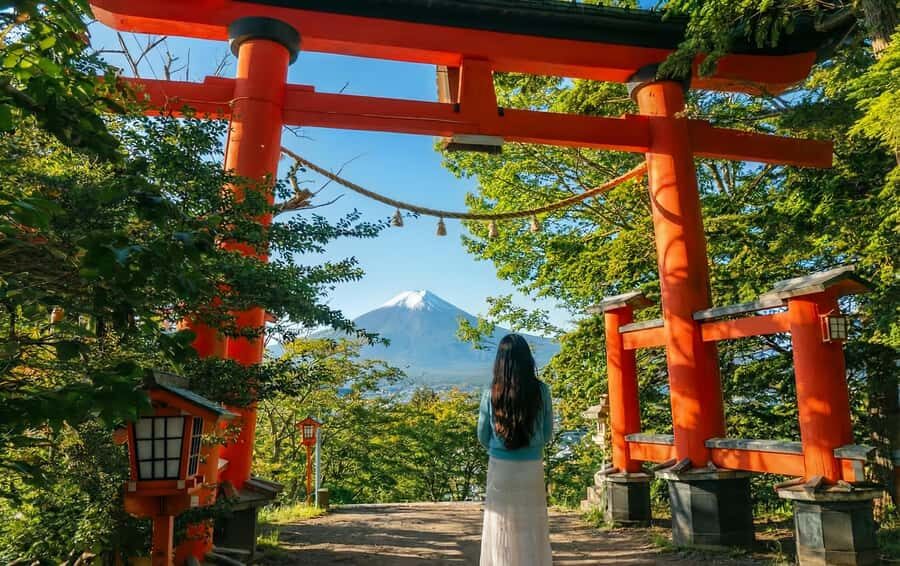
- You get two major Fuji viewpoints: Lake Kawaguchi for classic reflections, plus Fuji 5th Station at about 2,300 meters.
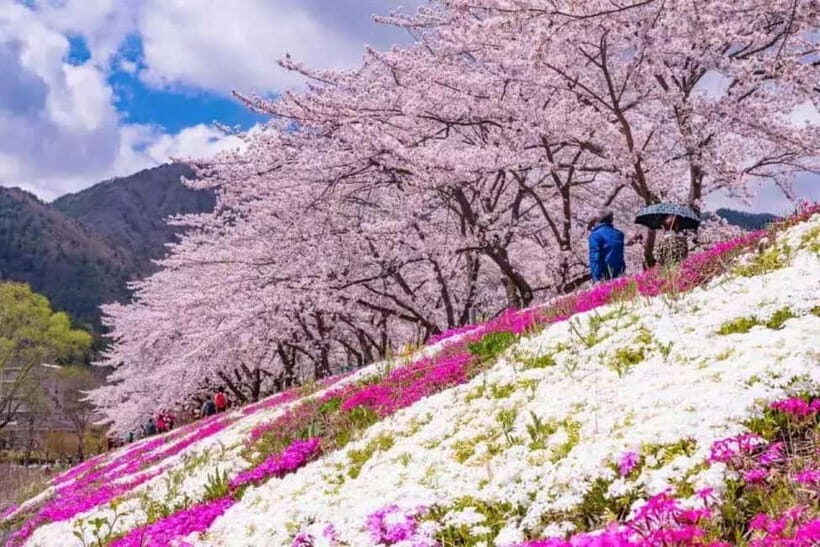
- Seasonal flowers change the whole vibe at Oishi Park, from cherry blossoms to kochia to snow.
- Oshino Hakkai is a volcanic calm break with eight spring ponds and traditional surroundings.
- Guide quality matters on this route: in past groups, Helen (Ms. Wei) and Jenny stood out for careful explanations and helpful photo-taking.
- Lunch is included (Yamanashi cuisine), which makes the $103 price feel more reasonable for a full-day drive.
From Shinjuku With a Real Start Time, Not a Maybe
Your day kicks off at Shinjuku Station’s west exit, outside the Shinjuku Island Tower, in front of the LOVE Robert Indiana statue. You meet at 7:45 AM and the tour departs at 8:00 AM, on time. That early start matters on Mt. Fuji days. It’s the difference between “looks nice” and “you actually get time to enjoy what you came for.”
You travel by car in a luxury vehicle, which is a big deal on a 10-hour day. The route involves a lot of sitting and reading the scenery through windows, so comfort reduces fatigue. Also, the tour doesn’t let you snack in the vehicle and it avoids alcohol onboard, so plan for a proper meal stop (you do get one later).
One more practical note: if your group is smaller, the driver may also serve as the guide. That can be great, because it often means less handoff and more continuous storytelling as you go.
A few more Tokyo tours and experiences worth a look



Lake Kawaguchi: The Classic Fuji View, With a Ropeway Bonus
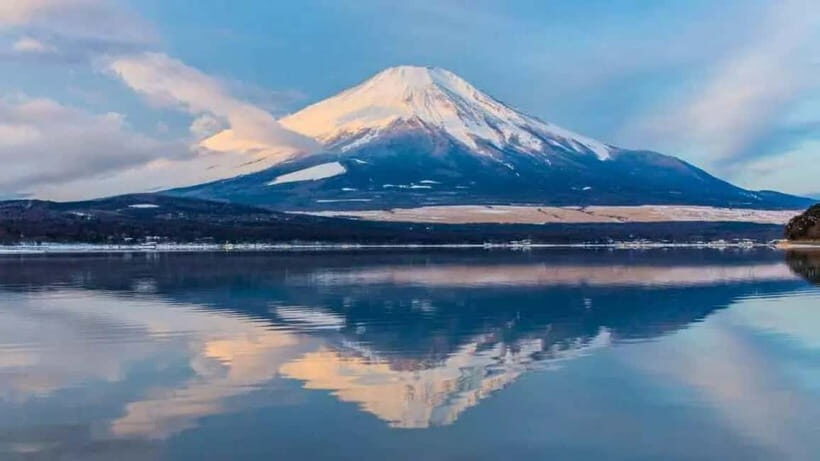
Lake Kawaguchi is usually why people sign up in the first place. The schedule gives you time there (including free time) and you’ll get that postcard-style combination of still water and Mt. Fuji when the weather cooperates.
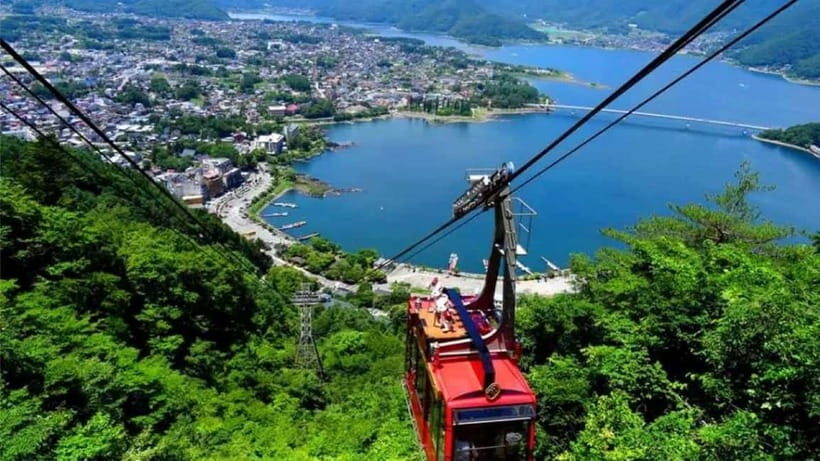
You’ll also head up via a panoramic ropeway. That extra ride is worth it because it changes your perspective. From ground level, you see a more “framed” view. From above, you tend to understand the lake shape and how the mountain sits into the wider area. Even if Fuji is partly hidden at times, the broader view can still feel memorable.
The tour description also mentions the possibility of seeing a sea-of-clouds look around the region on clear days. You can’t count on that every time, but the point is this: the timing and route are designed for those big-sky moments, not just a quick drive-by.
How to get the most out of your Lake Kawaguchi time
- Wear comfortable shoes even if you think it’s mostly viewing. You’ll likely move around for best angles.
- Bring your camera ready, but don’t rush—calm lakes reward slow looking.
Oishi Park’s Flowers: Why Season Matters More Than People Think
After Lake Kawaguchi, you stop at Oishi Park. This is a short, easy win on the itinerary: a photo stop plus a visit with free time and a walk. You’ll have about 30 minutes total, so the goal is to see the “main show” rather than cover every corner.
The best part is that Oishi Park changes its personality by season:
- In spring (late March to early April), you may catch cherry blossoms.
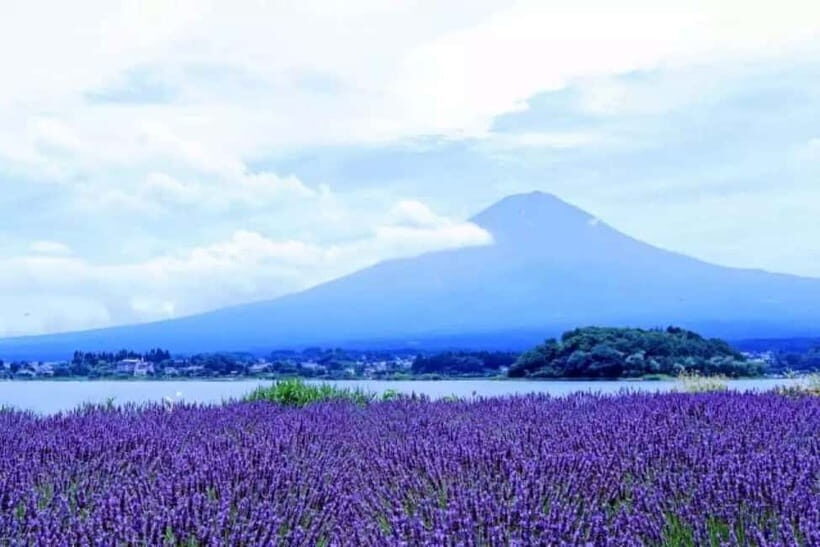
- In summer (late June to late July), you’ll find fields of violet and lavender-like scenery.
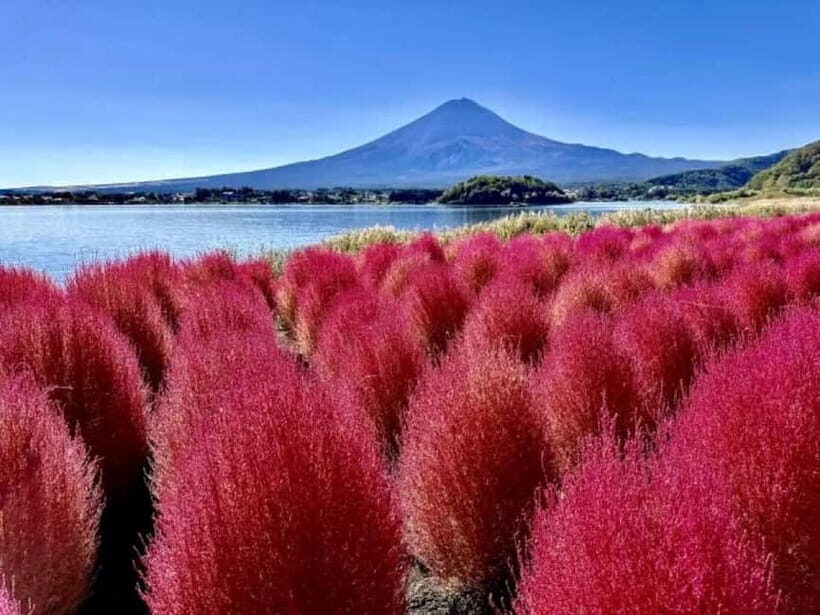
- In autumn (mid to late October), kochia goes bright red across the park.
- In winter, you may see a snowy scene.
That seasonal swap is more than decoration. It affects your photos, your mood, and even how busy the area feels. If you’re flexible with dates, Oishi Park can be the stop that makes your day feel less repetitive—even though it’s only one location.
The possible drawback: 30 minutes goes fast if you get stuck watching where everyone else is shooting. If you like slow wandering, you’ll need to choose your spots carefully and commit early to the best viewpoints.
Yamanashi Lunch: Included Local Food That Stops the Day From Turning Bland
Lunch is one of the smartest values on this tour. You get Yamanashi local cuisine included in the price, prepared without extra fee. That matters because Mt. Fuji day trips can turn into a string of paid add-ons: snacks, convenience store meals, and overpriced drinks at tourist stops.
Here, the lunch break is built in and timed after Oishi Park, with about 50 minutes for food and rest. That hour helps you reset before the altitude-heavy climb toward Fuji 5th Station.
Keep expectations realistic: it’s not a long restaurant sit-down with multiple courses. It’s a solid, practical meal break that keeps the day moving and keeps the budget under control.
Fuji 5th Station at 2,300 Meters: Close, But Still a Manageable Time
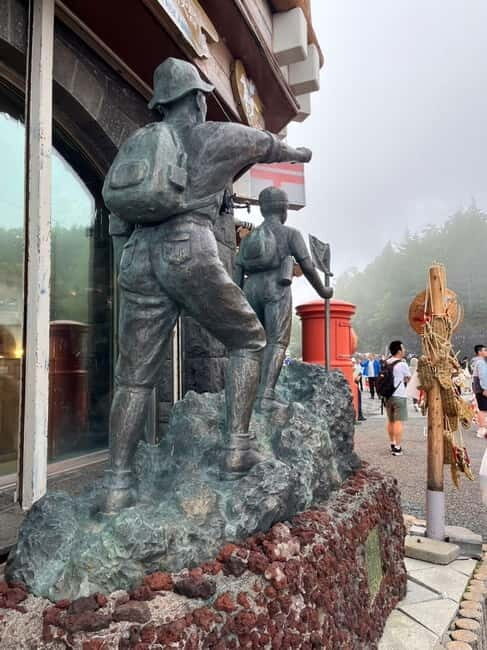
Now we climb into the main event: Mt. Fuji 5th Station, at roughly 2,300 meters above sea level. This is one of the closest accessible points to feel the scale of Mt. Fuji, and the tour gives you a photo stop plus about 40 minutes of time on site.
At the 5th Station, you’ll get dramatic views up toward the peak area. It’s also one of the few places on this day trip where you can feel the altitude change in your body. Warm clothing helps, even if Tokyo felt mild earlier.
You can also grab coffee or freshly baked melon bread there while taking in the view. These are not described as included items, but the key point is that you’ll have options on-site so you can stay comfortable during your time at altitude.
Practical expectation: this stop can involve lines and crowds, depending on the day. If you’re aiming for a “quiet spiritual moment,” you might find the experience a bit busier. If you’re okay working with that and focusing on the big views, it’s a strong payoff.






Oshino Hakkai: Eight Ponds and a More Quiet Kind of Beautiful
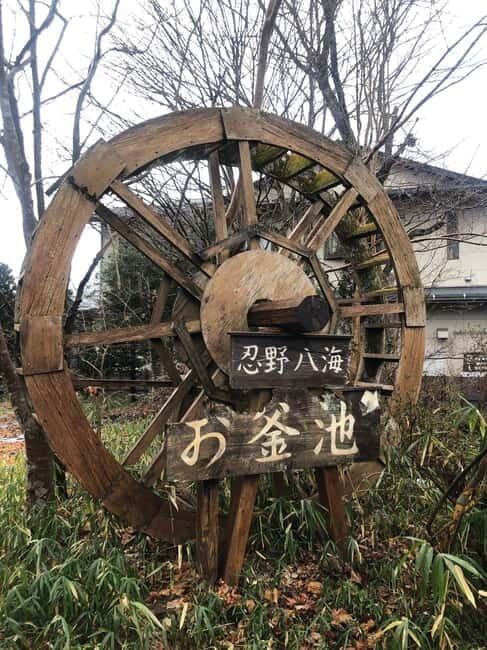
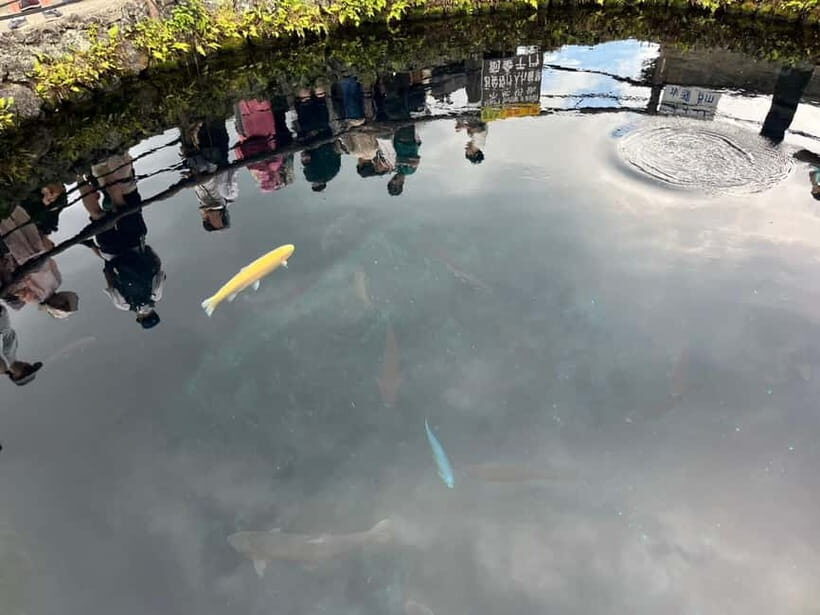
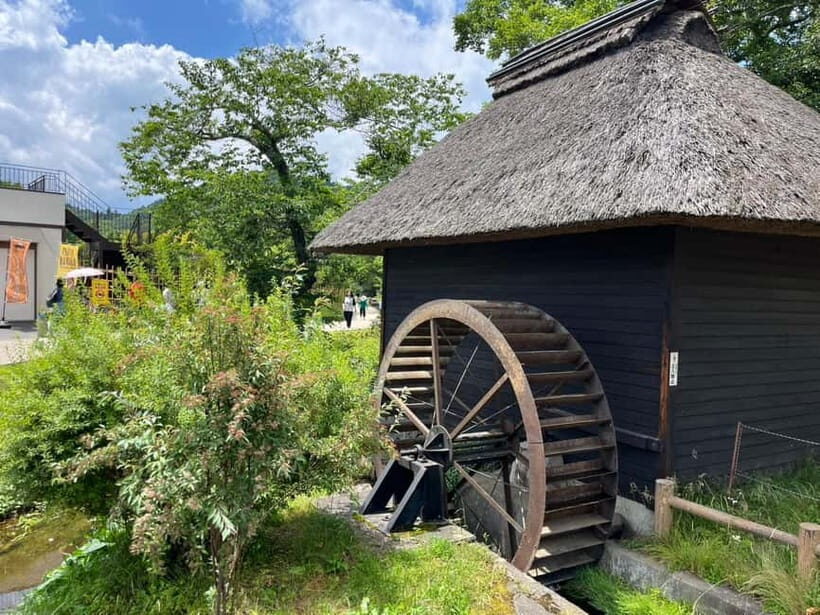
In the afternoon, you head to Oshino Hakkai, a traditional village built around eight spring ponds. These ponds are formed by volcanic eruptions, and the area is known for clear, mineral-rich water feeding the landscape.
The stop is about 50 minutes, with a photo stop plus visit and free time. That timing works well here because Oshino Hakkai rewards walking slowly. Traditional houses and water-side views don’t need marathon time like a museum does. You want enough minutes to wander, look at the ponds from different angles, and take a few photos without feeling rushed.
The drawback to know: if you come during busy hours, you may feel a bit compressed in certain narrow walkways. Comfortable shoes help again—this isn’t the place for thin-soled city sneakers.
Guide Names You’ll Actually Remember: Helen (Ms. Wei) and Jenny
The vibe of a Fuji day trip depends heavily on the guide. This tour has multilingual guides, and in previous groups, two names stood out: Helen, also referred to as Ms. Wei, and Jenny.
Helen’s style (Ms. Wei) was described as kind and attentive. She offered to take pictures for people, which is a small thing that saves you from awkward selfie attempts when the Fuji view shows up for five minutes and then plays hide-and-seek. She also handled a situation where one participant was slightly late for departure, which tells me this tour’s staff tends to stay calm and caring under real-world timing stress.
Jenny was praised for clear explanations even when she was guiding only a couple of English-speaking customers. She took her time, guided people to the right locations, and gave personalized insight based on preferences. That matters on a day like this, because the route includes several spots that can look similar from a distance. A good guide helps you know what you’re actually looking at.
One more fairness note: the tour can feel fast if you’re in a larger group or if lines are long. One piece of advice from the review-style feedback I saw: if you’re a no-rush kind of person, smaller groups can make the day feel less like a checklist.
Price and Value: Is $103 Reasonable for a Full Fuji Day?
At $103 per person for about 10 hours, you’re paying for three things:
- Transportation by car through the Fuji area.
- A multilingual guide (Chinese, Japanese, English).
- Lunch included with Yamanashi local cuisine.
That combination is what makes the price feel workable. If you tried to recreate this day on your own, you’d likely spend significant time figuring out routes and connections, and you might still end up buying lunch and snacks on the go. Here, at least the meal and core guiding are covered.
What you should compare in your head is not just cost, but time value. The schedule is designed to hit major Fuji sights in one long day. If you want convenience and you don’t want to plan transit, $103 is in the “fair” category rather than “cheap” or “overpriced.”
If you’re very budget-first and don’t mind researching public transport, you might spend less on paper. But you also risk spending time, which is the one thing you can’t get back on a time-limited day trip.
Who This Tour Fits, and Who Should Skip It
This is a full-day outing with active walking and time at an altitude viewpoint. The tour is marked as not suitable for:
- Pregnant women
- People with mobility impairments
- People with heart problems
- Wheelchair users
If any of those apply, you should look for a different type of experience with fewer physical demands and less exposure to altitude.
For the rest of you, it’s a good match if:
- You want a guided day so you can focus on seeing Mt. Fuji rather than figuring out logistics.
- You want a mix of viewpoints (Lake Kawaguchi and 5th Station) plus a culture-water stop (Oshino Hakkai).
- You like seasonal variety at Oishi Park, even if you only get a short window there.
Should You Book This Mt. Fuji and Oshino Hakkai Day Trip?
Book it if you want an efficient day with multiple Fuji viewpoints, a real included lunch, and a guide who helps you find good angles and keep things moving. It’s especially appealing for first-timers who don’t want to plan transport and timing across the Fuji region.
Consider skipping or switching plans if you hate crowds, dislike lines, or need more mobility flexibility. Also think carefully if you’re sensitive to altitude—Fuji 5th Station sits at about 2,300 meters, and the day involves more walking than it looks on a map.
FAQ
FAQ
Where do I meet for the tour?
You meet at Shinjuku Station west exit, in front of the Shinjuku Island Tower LOVE Robert Indiana statue.
What time does the tour depart?
You meet at 7:45 AM, and the departure is at 8:00 AM.
How long is the full tour?
The tour is listed as 10 hours.
What are the main stops during the day?
You’ll visit Lake Kawaguchi, Oishi Park, Mt. Fuji 5th Station, and Oshino Hakkai.
Is lunch included?
Yes. Local Yamanashi cuisine lunch is included in the price.
What languages are the guides?
The guide is multilingual, with Chinese, Japanese, and English available.
Is it allowed to eat in the vehicle?
No. Food is not allowed in the vehicle.
Is this tour suitable for wheelchair users or mobility impairments?
No. It is not suitable for wheelchair users or people with mobility impairments. It’s also not recommended for pregnant women and people with heart problems.