REVIEW · TOKYO
Tokyo: Mount Fuji Day Trip with Scenic & Local Stops
Book on GetYourGuide →Operated by Clover Travel Co., Ltd. · Bookable on GetYourGuide
A single clear-sky view of Mount Fuji is worth planning around, and this tour is built for that exact payoff. I like the six-stop photo route because it targets the classic angles instead of wasting time, and I also appreciate the bilingual English-Chinese guidance that focuses on what to shoot and how to frame it.
The day moves at a lively pace (it’s basically a full 10-ish hour loop from Tokyo), and weather can still steal the perfect summit view even with good planning.
In This Review
- Key Takeaways Before You Go
- Entering The Fuji Route From Tokyo: What Makes It Work
- Niikurayama Asama Park: The Panoramic Start You’ll Feel in Your Camera Roll
- Hikawa Clock Shop: The Retro Fuji Shot With a Real Purpose
- Oshino Hakkai Springs: Where the Pace Briefly Cools Down
- Lake Kawaguchi: Fuji’s Five Lakes Stop for Mirror-Style Photos
- Fuji Lawson Store: A Small Photo Break With Snack Payoff
- Lake Yamanaka: Swan Feeding for a Peaceful Fuji Moment
- Timing, Transport, and Why the Day Feels Full
- Value and the Real Cost: Why $44 Can Make Sense
- Guide Quality: The Difference Between Seeing Fuji and Photographing Fuji
- Gear and Prep That Actually Helps (Not Just Nice-to-Haves)
- Who This Tour Suits Best
- Should You Book This Tokyo to Mount Fuji Day Trip?
- FAQ
- How many photo stops are included on this Mount Fuji day trip?
- Is food included in the tour price?
- Does the tour include a bilingual guide?
- Do I need a telephoto lens?
- Is swan feeding included, and is it family-friendly?
- What are the main activities at Oshino Hakkai?
- Are there restrictions on food or smoking during the ride?
- Is this tour suitable for people with mobility impairments or wheelchair users?
- How long is the day trip from Tokyo?
- What should I bring for the day?
Key Takeaways Before You Go
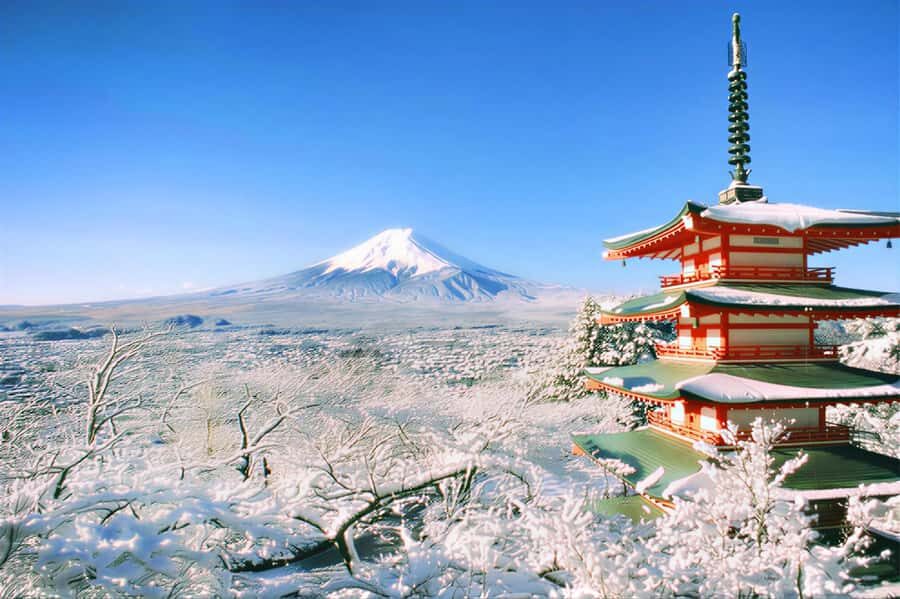
- Six planned Fuji photo stops: from Asama Park to Lake Yamanaka, you keep moving toward better viewpoints.
- Photography help with a bilingual guide: the guidance is practical, including composition tips for iconic shots.
- Seasonal photo backgrounds: expect cherry blossoms or autumn color depending on timing.
- UNESCO-listed Oshino Hakkai: springs and ponds make a quieter break from the Fuji-photo sprint.
- Retro Hikawa Clock Shop framing: a highly specific place to nail the clock-tower + Fuji shot.
- Swan feeding at Lake Yamanaka: an easy, family-friendly nature moment with Fuji in the background.
Entering The Fuji Route From Tokyo: What Makes It Work
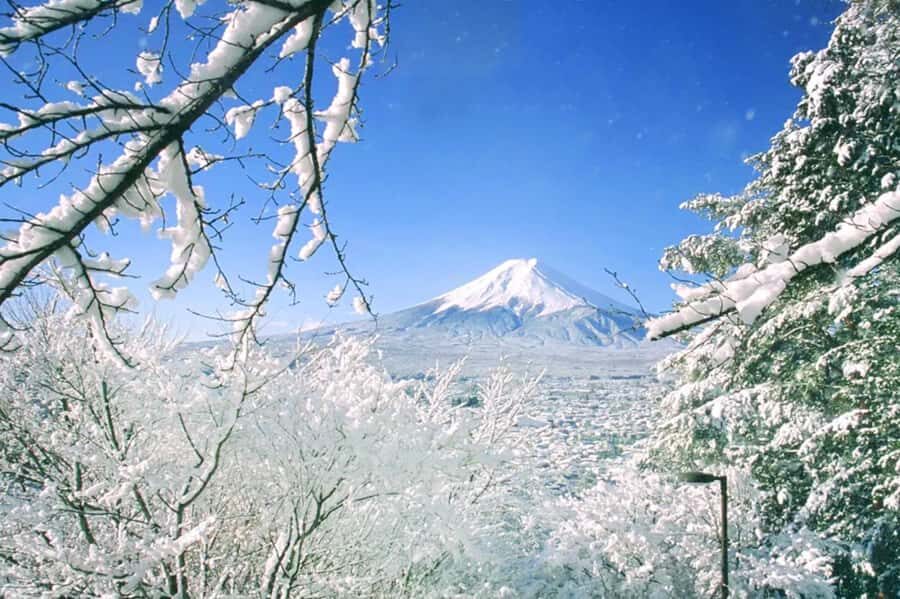
Mount Fuji day trips often fail for one simple reason: you spend too long in transit or too much time waiting. This one is structured like a photo plan, so you’re not just hoping to see Fuji—you’re hitting multiple chances across the day.
I like that the tour is openly built around recognizable stops: Niikurayama Asama Park, Hikawa Clock Shop, Oshino Hakkai, Lake Kawaguchi, Fuji Lawson, and Lake Yamanaka. That’s a smart way to get variety without turning your day into a logistics project.
One more thing: you’re not left guessing what to do when you arrive. A bilingual guide gives cultural context and hands-on photography tips, and in the experience, specific guides like Yulina, Agnes, Yuan, WillYU, Will, and Tim are described as attentive and good with both service and upbeat energy.
A few more Tokyo tours and experiences worth a look



Niikurayama Asama Park: The Panoramic Start You’ll Feel in Your Camera Roll
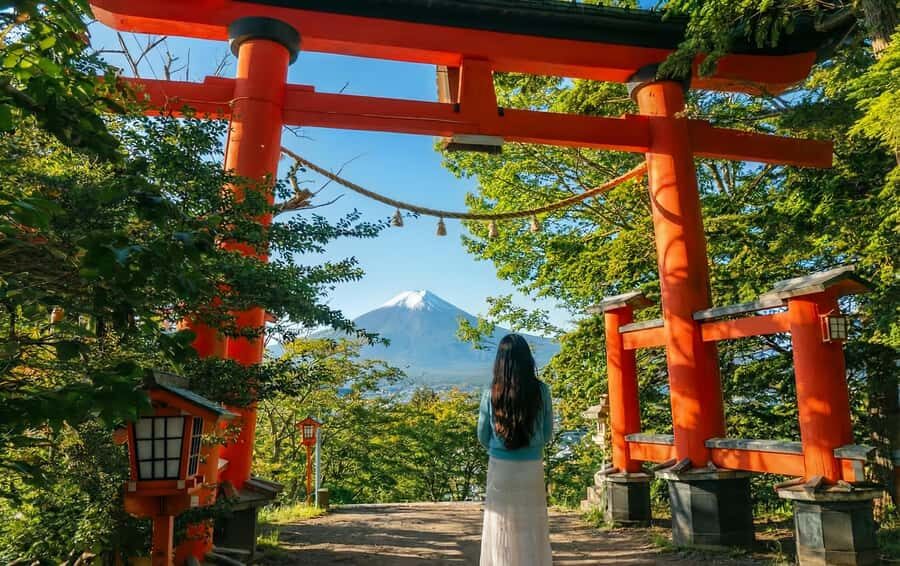
This is where the tour starts stacking the views. At Niikurayama Asama Park, you get a hilltop observatory-style outlook designed for postcard framing. If the sky cooperates, this is the moment where the snow-capped shape can look crisp and dramatic.
The tour’s gear advice tells you what matters here: bring a telephoto lens if you have one. From a distance, Fuji can look small in wide shots, but telephoto helps you compress the scene and make the summit the star.
The best part is that it’s not one-note. The park’s scenery changes with the season, so you might find spring cherry blossoms or autumn foliage giving Fuji a different visual “frame.” Your guide will also give composition tricks, which matters because Fuji photography is mostly about angles and layering, not fancy equipment alone.
Practical note: mountain paths can be slippery, so non-slip shoes make the visit calmer and safer.
Hikawa Clock Shop: The Retro Fuji Shot With a Real Purpose
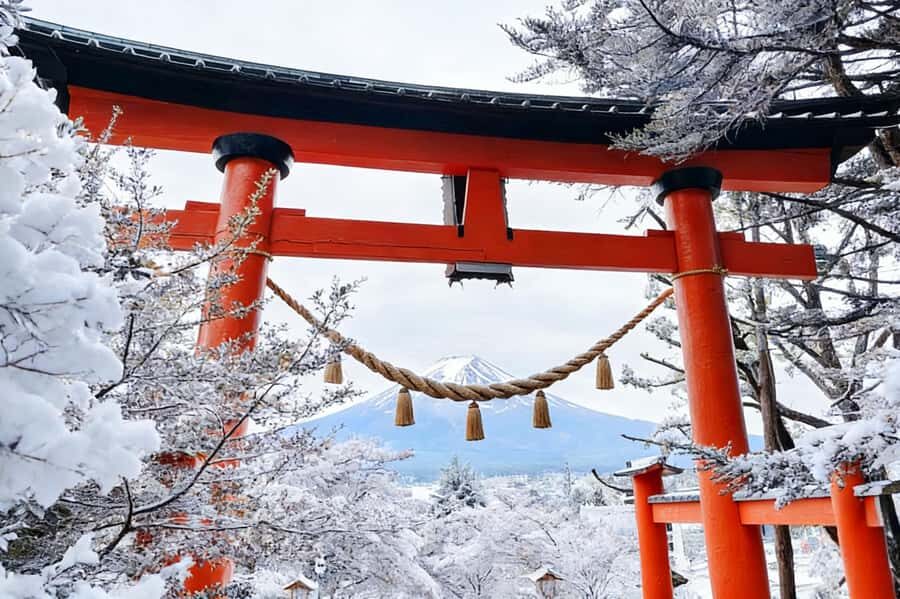
After the panoramic start, you move to an iconic street-style photo stop: Hikawa Clock Shop. This is the kind of place people post online because it’s designed for a specific composition—clock tower + Fuji.
Here’s what I like about how this stop is handled: it’s not just time for photos. The guide provides a hands-on tutorial for how to set up the classic shot. That small coaching is useful because Fuji tends to wander in the frame if you’re shooting casually.
The timing can feel a bit photo-urgent, since this is also an Instagram hotspot. If you care about getting the shot clean, arrive ready to move quickly—then slow down after you capture the main angle.
Wear comfy shoes too. Even though it’s not a long walk, the retro streetscape can involve short steps and photo stops.
Oshino Hakkai Springs: Where the Pace Briefly Cools Down
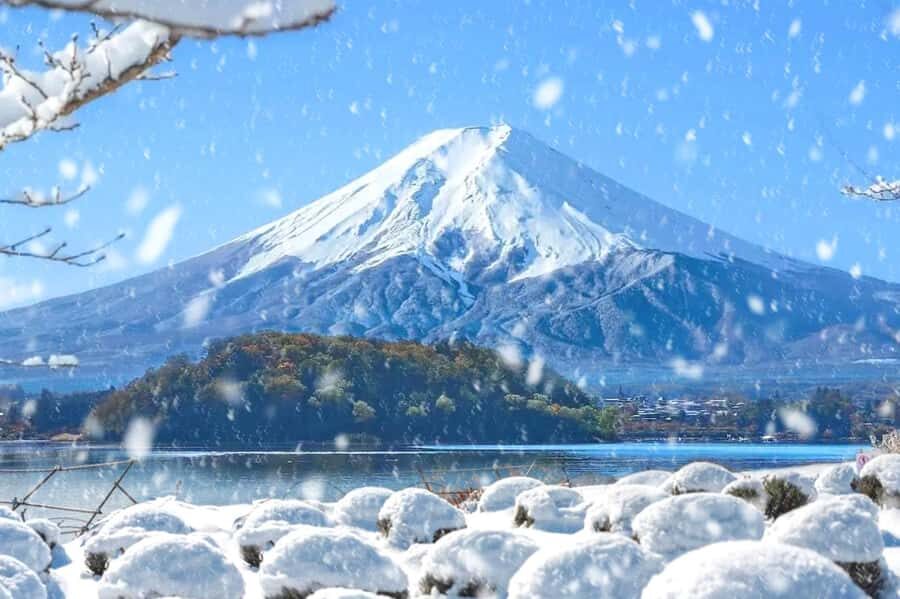
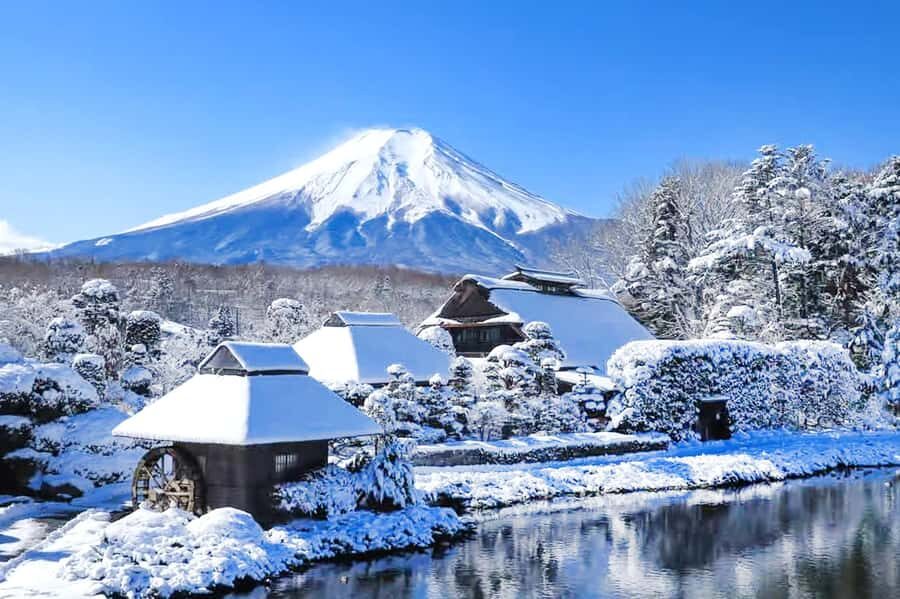
Next comes a change of mood: Oshino Hakkai, known for its crystal-clear natural springs and listed as a UNESCO site. Instead of summit-focused views, this is about water, ponds, and the traditional village vibe.
You’ll stroll through a classic roadside setting with koi-filled ponds, and the clear water gives you that satisfying “clean texture” that photos can struggle to capture when things look hazy outdoors. It’s a good breather after the more concentrated Fuji viewpoints.
This stop is also a nice reminder that Fuji-area beauty isn’t only about the mountain. The springs give you a different kind of realism—something you can photograph even on days when the mountain is less cooperative than you hoped.
If you’re traveling with family, this part of the day is often easier because it’s less about hitting exact viewing spots and more about wandering at a comfortable rhythm.
Lake Kawaguchi: Fuji’s Five Lakes Stop for Mirror-Style Photos
If you want the “Fuji reflection” goal, Lake Kawaguchi is usually the main target. The tour frames it as the most photogenic of the Fuji Five Lakes, and on clear days, you can get that mirror-like effect that makes Fuji feel almost unreal.
What I like here is that the schedule builds in options. You’ll have time to admire the reflections, and there’s also an optional seasonal add-on for dynamic Fuji shots depending on conditions.
The trade-off is that reflections can be fickle. Wind, light, and cloud cover matter, so you’ll want to be mentally ready for plan A and plan B. Even when reflections aren’t perfect, Lake Kawaguchi still offers composition opportunities—Fuji with shoreline perspective, boats or natural framing elements if conditions allow.
Keep your camera handy, but also don’t forget to look up with no lens for a minute. This is the kind of view that makes you understand why people plan their entire Japan trips around weather windows.






Fuji Lawson Store: A Small Photo Break With Snack Payoff
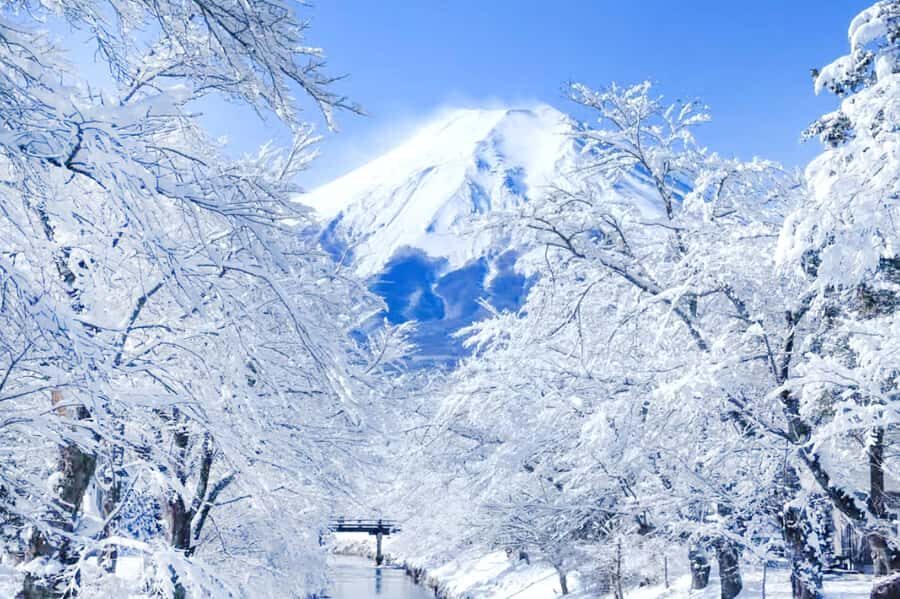
This stop is brief and specific: Fuji Lawson Store. It’s a photo target because of the familiar blue-white logo and a Fuji backdrop that turns a roadside convenience stop into a memorable shot.
It’s not just about the photo, though. The guide also shares a Fuji-limited snacks list. That’s a nice way to try regional flavor without guessing. Since meals aren’t included, you’ll appreciate having a clear idea of what to buy and what not to waste time chasing.
One practical reminder: the tour information says no food in the vehicle. Plan to eat only at stops, not while you’re in transit.
Lake Yamanaka: Swan Feeding for a Peaceful Fuji Moment
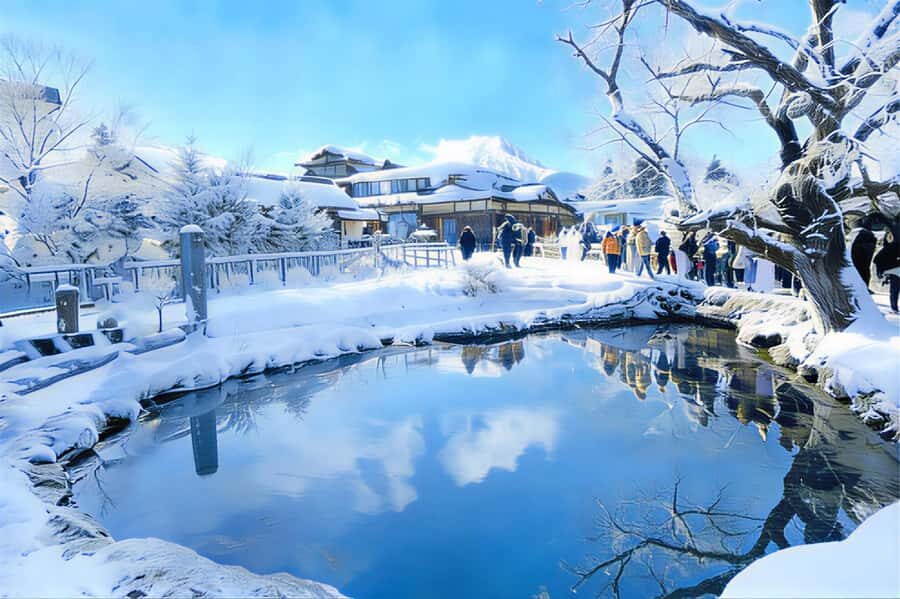
Near the end, the tour shifts gears to something calmer: Lake Yamanaka. Here you feed swans and enjoy a more relaxed interaction with nature while looking toward Fuji in the background.
I like this part because it’s not purely visual. It’s interactive in an easy way, and it works for a wide age range. The tour notes specifically say swan feeding is suitable for all ages, so it’s a rare Fuji stop that feels playful rather than just scenic.
If your day feels packed, this is your reset. You get a moment where your photos aren’t about chasing the perfect angle and instead come from watching small movements—swan behavior around you, reflections on water, and the slow rhythm of the lake.
Timing, Transport, and Why the Day Feels Full
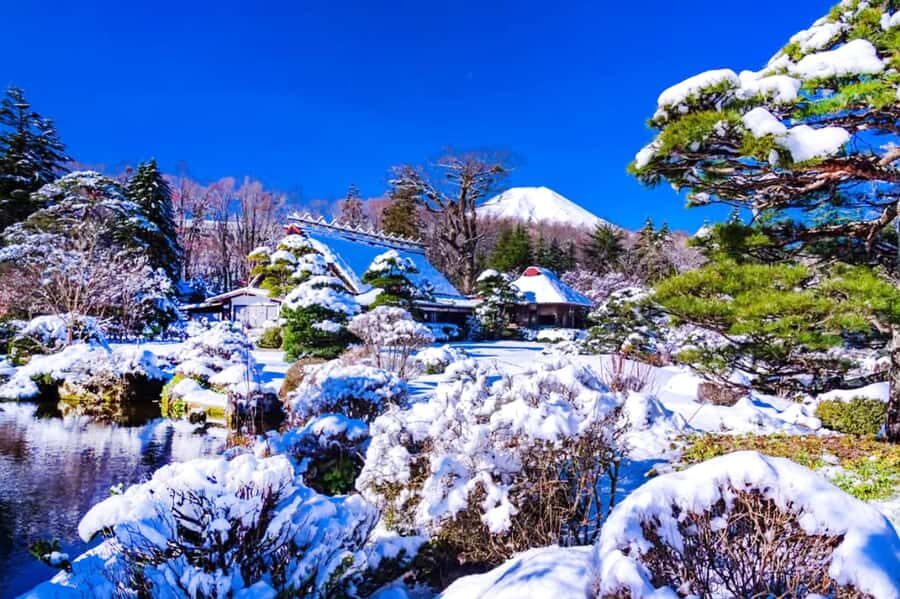
This is a round-trip day trip from Tokyo on bus. In practice, it’s about 10 hours total, which means you’ll be going through multiple towns and viewing areas without long gaps.
That full-day structure is why the tour feels efficient. It’s also why it can feel fast-paced. The tour guidance explains that traffic and attraction changes happen, especially on weekends and holidays, and stays can shorten if congestion hits.
Weather is the other big factor. If facilities close due to weather, your schedule can shift to other spots. That’s common in the region, and it’s worth accepting up front: this tour is optimized for good conditions, but no one can control fog or cloud cover.
Group logistics also matter. The tour notes mention small daily groups, where the driver may also act as guide with limited English commentary while driving. That can be fine if your main goal is on-the-ground explanation during stops. Multilingual communication is available for international guests, but you shouldn’t expect constant detailed narration through the whole bus ride.
If you pack smart—camera ready, shoes on, cash available—you’ll feel less rushed and more focused at each stop.
Value and the Real Cost: Why $44 Can Make Sense
At $44 per person, you’re paying for a bundle: round-trip transport from Tokyo, a bilingual guide, and multiple pre-planned photo locations. You’re also getting a Fuji spring mochi snack included.
What makes this feel like value is the way the day is structured. You’re not just paying for seats to a single viewpoint. You’re paying for a full routing plan that hits several high-impact stops in one day.
One review also highlights a big quality-of-life point: the day doesn’t rely on mandatory shopping stops or pushing extra optional add-ons. That matters because every “extra” stop steals time from actual photographing and sightseeing.
The catch is also clear: meals aren’t included. So while the tour price is tight, you’ll want to budget for snacks and at least one meal out during the day—especially since food isn’t allowed in the vehicle.
Guide Quality: The Difference Between Seeing Fuji and Photographing Fuji
This tour isn’t only about places. It’s about how you use the places.
In the feedback, guides like Yulina, Agnes, WillYU, Yuan, Will, and Tim get repeated praise for being friendly, knowledgeable, and attentive. People also mention humor and a sense of responsibility, which is more than personality—it affects how smoothly the day runs and how quickly you get unstuck if you have questions.
The guide coaching theme shows up again and again: composition tips at Asama Park, setup for the clock-tower frame at Hikawa Clock Shop, and general cultural context as you move through the Fuji region. Even if you’re not an expert photographer, that kind of on-site guidance shortens the learning curve.
Gear and Prep That Actually Helps (Not Just Nice-to-Haves)
You’ll get the best results if you treat this like a real photo day.
Bring:
- Camera
- A telephoto lens if you have one, especially for Asama Park
- Comfortable, non-slip shoes for mountain paths
- Cash for snacks and small purchases at stops
- A basic plan for weather changes (since schedules can shift)
Also remember:
- No smoking in the vehicle
- No food in the vehicle
- If you have luggage, the tour notes say you should inform in advance since extra fees may apply
This is one of those day trips where preparation pays off fast. You’re moving through several areas, so you want to avoid mid-day scramble.
Who This Tour Suits Best
This tour is a strong match if you want a Fuji highlights day without a car. It’s especially good for:
- People who want specific photo stops rather than random sightseeing
- Travelers who appreciate bilingual guidance and practical photography tips
- Families who want an easy nature interaction at Lake Yamanaka swan feeding
It’s not a good match for everyone. The tour notes say it’s not suitable for pregnant women, not suitable for people with mobility impairments, not suitable for wheelchair users, and not recommended for people over 70. It also may not feel ideal if you need long, fully seated breaks between stops.
One more practical point: the tour does not include personal travel or accident insurance, so it’s smart to arrange your own coverage before you go.
Should You Book This Tokyo to Mount Fuji Day Trip?
Book it if your priority is a well-paced Fuji photo route with multiple iconic stops, a bilingual guide who helps you get better shots, and a day that stays focused without turning into a shopping marathon.
Skip it (or switch to a different style of outing) if you need a slow schedule, have mobility needs that conflict with mountain paths, or you’re expecting perfect summit visibility no matter the weather. Fuji days have moods, and even the best plan can’t force clear skies.
If you’re flexible, bring the right shoes, and show up ready to shoot, this tour gives you a solid chance to come home with real Fuji keepsakes—not just one lucky photo.
FAQ
How many photo stops are included on this Mount Fuji day trip?
The tour includes visits to six iconic photo stops, covering Niikurayama Asama Park, Hikawa Clock Shop, Oshino Hakkai, Lake Kawaguchi, Fuji Lawson Store, and Lake Yamanaka.
Is food included in the tour price?
Meals are not included. A Fuji spring mochi snack is included, and you can buy additional snacks or food during stops.
Does the tour include a bilingual guide?
Yes. The tour includes a bilingual English-Chinese guide.
Do I need a telephoto lens?
A telephoto lens is recommended, especially for Mount Fuji views from Niikurayama Asama Park.
Is swan feeding included, and is it family-friendly?
Yes, Lake Yamanaka includes swan feeding, and it is described as suitable for all ages.
What are the main activities at Oshino Hakkai?
At Oshino Hakkai, you visit a UNESCO-listed area known for its natural springs, and you can stroll through the traditional village alongside koi-filled ponds.
Are there restrictions on food or smoking during the ride?
Yes. Smoking is not allowed in the vehicle, and food is not allowed in the vehicle.
Is this tour suitable for people with mobility impairments or wheelchair users?
No. The tour notes say it is not suitable for people with mobility impairments and not suitable for wheelchair users.
How long is the day trip from Tokyo?
One review describes it as about 10 hours total.
What should I bring for the day?
Bring comfortable shoes, a camera, and cash. The tour also advises non-slip shoes for mountain paths.