REVIEW · TOKYO
Giant Sushi Cooking Class: Make a 1.5m Sushi Roll in Tokyo
Book on Viator →Operated by Japanese Cooking Home ~Wagaya~ · Bookable on Viator
Making sushi at 1.5 meters changes the game. You’ll tackle a giant 1.5m sushi roll from scratch in Meguro, and finish by serving it on hand-painted Japanese dishware made by local artists. One thing to keep in mind: the experience is listed at about 12 hours, so it’s more of a full-day plan than a quick evening activity.
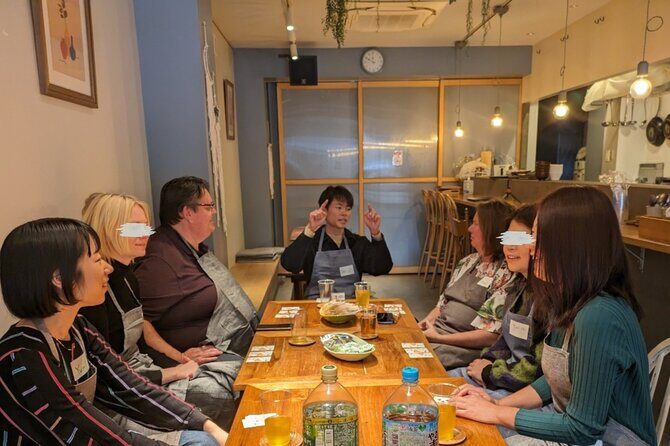
I like that this class is hands-on the whole way, not a watch-then-eat situation. It runs with a small max group size (up to 12), and it’s set up in a cafe area that’s easy to reach by public transit—one review even noted the cafe is around a 10-minute walk from the station. You’ll also get a little downtime social vibe with Japanese snacks and games before you start rolling.
In This Review
- Key things that make this class memorable
- Giant 1.5m sushi maki: what you’re really making
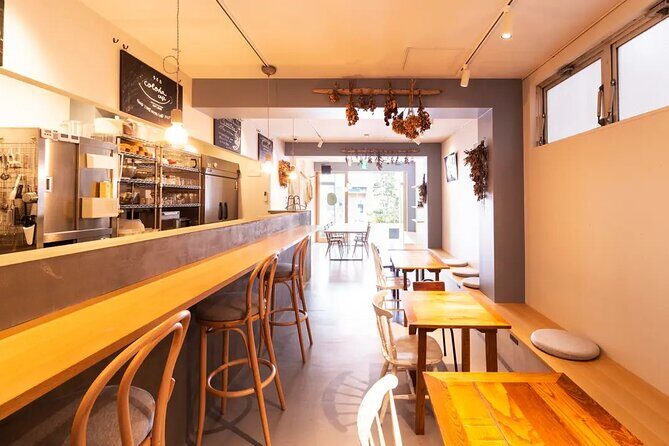
- Meguro meeting point and cafe vibe near the station
- From nori sheets to sesame seeds: how the class flows
- Rolling technique: pressure, shape, and cutting the log
- Hand-painted plates and the onsite shop option
- Price and value: why $50 can make sense here
- Timing and day length: plan for about 12 hours
- Who should book this giant sushi class in Meguro
- Should you book this sushi workshop?
- FAQ
- Where is the meeting point for the giant sushi class?
- How much does the Giant Sushi Cooking Class cost?
- How long does the experience last?
- What will I make during the class?
- Is there a group size limit?
- Is the location convenient for public transport?
- How does ticketing and confirmation work?
- What’s the cancellation policy?
Key things that make this class memorable
- You build a 1.5m sushi maki log: full-size rolling, then cutting and serving
- Nori, rice, fish, avocado, and sesame: you touch the key ingredients, not just the final step
- A practical focus on technique: rice handling, filling placement, and the right rolling pressure
- Hand-painted dishware: each plate is unique, and you can buy it at the onsite shop
- Small-group energy (up to 12): easier coaching and more time at your station
Giant 1.5m sushi maki: what you’re really making
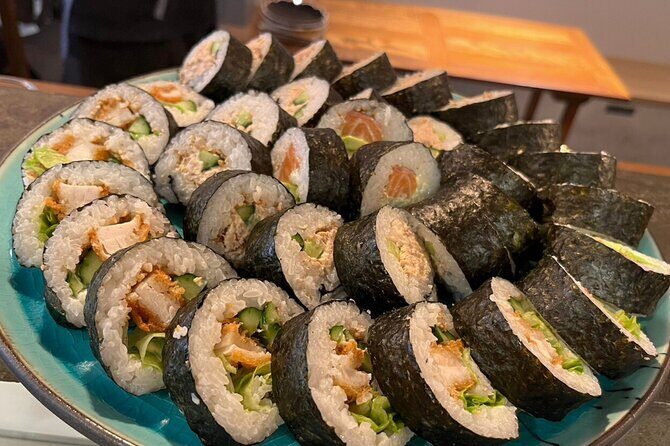
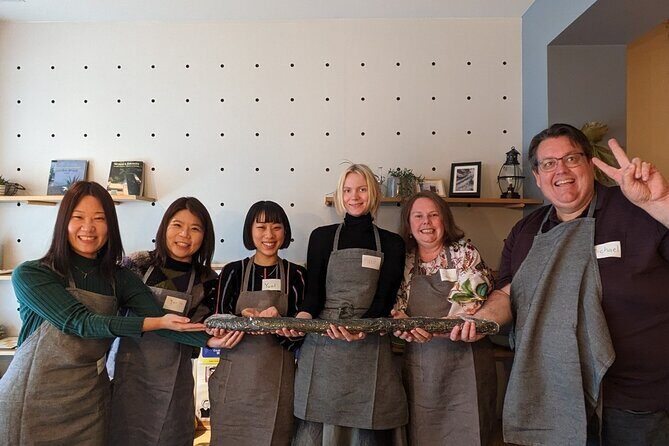
This isn’t a typical sushi lesson where you shape one or two rolls and call it a day. The centerpiece here is a 1.5-meter sushi roll—a full-length maki that you assemble, roll into an iconic log shape, and then cut and serve.
That length matters more than it sounds. When you work with something small, you can get away with uneven rice or sloppy filling placement. On a roll this long, small mistakes add up fast. You’ll learn how to spread sushi rice across nori evenly, where to place fillings so they stay inside, and how to keep your pressure consistent as the roll forms.
You’ll also get to see how sushi rice behaves compared with regular cooked rice. The hosts explain what makes sushi rice unique, and that’s the kind of detail that helps you if you want to reproduce the results later at home. It’s not just trivia—rice texture affects everything from sticking to folding.
And yes, the payoff is visual. A giant sushi log looks like something from a food festival, but the process is still rooted in real technique: nori sheets, rice, fillings, a finish with sesame seeds, then the roll.
You can also read our reviews of more cooking classes in Tokyo

Meguro meeting point and cafe vibe near the station
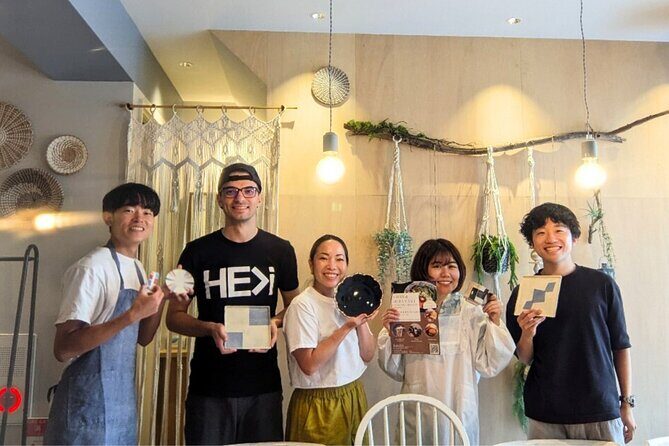
You start at 2 Chome-3 Senzoku, Meguro City, Tokyo 152-0012, Japan, and the activity ends back at the meeting point. Meguro is a fun neighborhood for food wandering, and the class is positioned in a cafe area that’s close enough to make transit simple.
One practical detail you’ll appreciate: the cafe setup seems designed for hanging out comfortably before and between steps. Reviews mention Japanese snacks and light social games, which is a nice buffer if you’re traveling solo or you’re visiting with people who want something more than a silent kitchen workshop.
Also, because the group size is capped at 12, the room doesn’t feel cramped. You get more of that workshop energy where you can ask questions and actually hear the guidance at your station.
Finally, you’re dealing with a mobile ticket system, and you’ll receive confirmation at booking. That matters because you don’t want to waste time hunting for details when you’re in Tokyo.
From nori sheets to sesame seeds: how the class flows
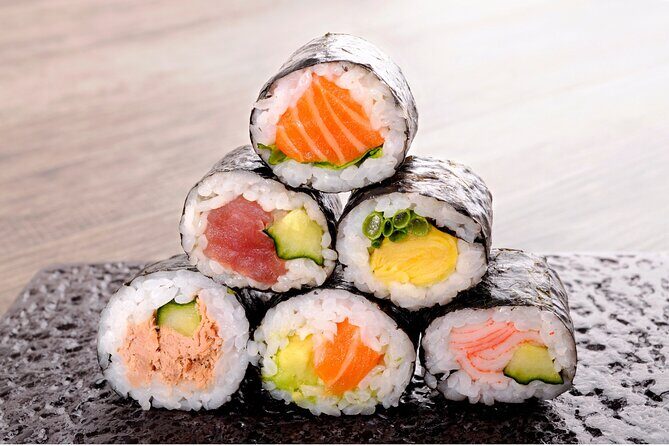
The class is built around doing each stage yourself, in order, so nothing feels random. Here’s the rhythm you can expect:
First, you learn about the building blocks. You’ll prep the fish and avocado fillings and also handle nori (seaweed). The hosts walk you through what you need and what you’re aiming for with each ingredient, especially nori and rice.
Next comes rice—how to think about it, not just how to scoop it. Hosts explain what makes sushi rice unique, and then you put that into practice: you lay out your nori sheet(s), spread sushi rice, and place your fillings carefully.
Then you add the finishing touches: sesame seeds. That sounds small, but it’s a key “closure” step in sushi rolling. It’s also one of those moments where you can tell whether you’re doing things smoothly—sesame placement looks great when you keep your distribution steady.
By the time you reach the rolling stage, you’re not just following a pattern. You understand why each step exists and what it affects in the final roll: rice distribution affects roll shape, filling placement affects whether it stays inside when you cut, and nori handling affects how neatly you can fold and roll.
Rolling technique: pressure, shape, and cutting the log
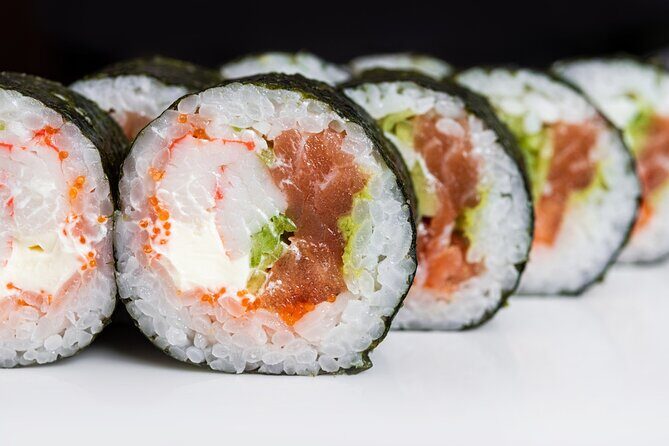
This is the part people remember: the moment you actually form the log.
Your hosts teach you how to roll the 1.5m maki with just the right amount of pressure. Too light, and the roll won’t tighten properly. Too hard, and you risk compressing the inside or shifting the rice and fillings. You’ll likely feel this immediately once you try your first pass—giant sushi makes technique physical.
As you work, your goal is the iconic log shape. That’s not only about looks. A consistent shape helps when you cut. If the roll is uneven, the cuts can come out messy, and you can end up with sections where the fillings don’t hold the way you want.
When the roll is ready, you’ll cut it and serve it. Serving is a big part of the experience here, not just a final “eat your creation” moment. The class gives you a proper setup for eating what you made right after cooking, so you can appreciate texture and aroma while it’s still at its best.
Practical tip for this section: work slowly on the first attempt. With something this long, speed usually leads to uneven pressure. If you can keep your pace steady, you’ll get a more even log and cleaner cuts.
Hand-painted plates and the onsite shop option
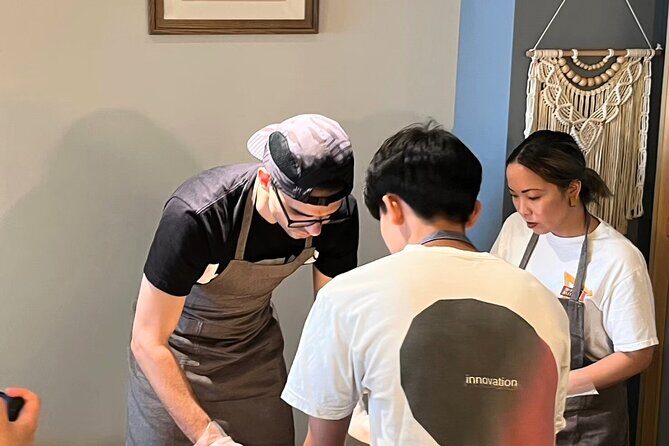
After rolling and cutting, you serve your sushi on beautiful Japanese dishware. Here’s what makes it more than decoration: the plates are crafted and painted all by hand, and each one is a unique piece designed by local artists.
That’s a fun twist for a cooking class, because it turns the meal into an art moment. You’re not only tasting your own giant maki—you’re also getting to connect the food to the look of the presentation.
You can also buy the dishware at the onsite shop at the end of the class. Even if you don’t purchase, it’s worth paying attention to the style. Tokyo has no shortage of ceramics and tableware, but this approach feels personal because the class is literally centered around putting your creation on someone’s artwork.
A few more Tokyo tours and experiences worth a look



Price and value: why $50 can make sense here
At $50, this could easily feel either like a bargain or like a lot, depending on what’s included. Here, the value comes from several things you can’t fake:
- You’re making something unusually big (a 1.5m sushi roll) that requires coaching and time.
- It’s a fully hands-on cooking format, so your fee supports instruction and kitchen setup, not just a guided walk and a quick tasting.
- You also get the structured process for prepping key fillings, handling nori, working with sushi rice, rolling, cutting, and serving.
Add in the fact that servings happen on hand-painted dishware, and it becomes less like a generic workshop and more like a complete food experience with tangible take-home options (the dishware can be purchased onsite).
Is it a “budget” class? At $50, yes, it lands in reach for many visitors. But treat it as a planned experience, not an impulse add-on—because the day is listed at about 12 hours.
Timing and day length: plan for about 12 hours
The duration is listed at approximately 12 hours. That’s long enough that you should approach it like a major block on your itinerary.
If you’re juggling other Tokyo plans, build in buffer time for travel to the meeting point and for breaks. Since the class includes prepping, rolling, serving, and a cafe-style component with snacks and games, it’s not a fast, single-lesson session.
My advice: treat this as the anchor activity for that day. Choose one neighborhood to explore around it, and keep your schedule light afterward. You’ll likely be hungry when you start, and you’ll want time to enjoy what you make rather than rushing out immediately.
Who should book this giant sushi class in Meguro
This class fits best when you want a hands-on food challenge and a fun story to bring home.
I’d especially recommend it for:
- Families who want a shared activity that’s interactive from start to finish
- Couples looking for something different from restaurant hopping
- Solo travelers who like small-group coaching and a social cafe vibe before the main work
- Anyone who enjoys cooking technique more than just eating
It’s also a good match if you want to learn how sushi rice and rolling pressure actually affect outcomes. The goal isn’t just to copy a roll shape—it’s to understand enough technique to try again later.
If you’re the type who needs quick experiences with zero waiting and no long blocks, the listed 12-hour duration might feel like a stretch. But if you enjoy learning at a real pace, it’s a solid fit.
Should you book this sushi workshop?
Book it if you want:
- A rare, Instagram-worthy challenge that still teaches real sushi fundamentals
- A small-group cooking class in Tokyo with a friendly cafe warm-up (snacks and games)
- The bonus of hand-painted dishware and the option to buy it
Skip it if:
- You can’t spare the time for a day that’s listed at about 12 hours
- You want a super short class that ends quickly and doesn’t take over your schedule
For the right traveler, $50 feels fair for the amount of hands-on work, the unique 1.5m maki concept, and the presentation experience with artfully made plates.
FAQ
Where is the meeting point for the giant sushi class?
The class meets at 2 Chome-3 Senzoku, Meguro City, Tokyo 152-0012, Japan. The activity ends back at the meeting point.
How much does the Giant Sushi Cooking Class cost?
The price is listed at $50.
How long does the experience last?
It’s listed as approximately 12 hours.
What will I make during the class?
You’ll roll a giant 1.5m sushi maki, then cut and serve it.
Is there a group size limit?
Yes. The maximum group size is 12 travelers.
Is the location convenient for public transport?
Yes. It’s described as near public transportation.
How does ticketing and confirmation work?
You’ll receive confirmation at the time of booking, and the tour uses a mobile ticket.
What’s the cancellation policy?
Free cancellation is available. You can cancel up to 24 hours in advance for a full refund, based on local time. Canceling less than 24 hours before the start time isn’t refundable.