REVIEW · TOKYO
Full Day Tokyo Tour, From/To Tokyo,Yokohama, Narita, 2- 12 guests
Book on Viator →Operated by GLOBAL GUIDE&TRANSPORT SERVICE Co.,LTD · Bookable on Viator
Tokyo highlights, planned for you in a day. This private full-day tour of Tokyo strings together the big-name sights with your own driver-guide, with pickup and drop-off options that can work around Yokohama, Tokyo, or Narita. You also get the freedom of no fixed start time, so the day feels more like yours than a timetable.
I especially like two things here. First, you get a lot of contrast in one day—temples and shrines, then modern Tokyo at Shibuya, then the Imperial Palace area. Second, the route is flexible enough that your driver-guide can nudge the plan based on what you care about most, as shown by real examples like guides helping with practical timing for the Imperial Palace and steering people toward specific food cravings.
The main trade-off is simple: it’s an 8-hour highlights sprint. You’ll see a lot, but each stop is time-boxed, so if you love slow wandering or deep museum time, you’ll want to pair this with a second day on your own.
In This Review
- Key points to know before you go
- How this private Tokyo highlights day really feels
- Senso-ji Temple: Asakusa’s classic welcome to Tokyo
- Meiji Jingu Shrine: a serene reset by Harajuku
- Shibuya Crossing in 30 minutes: see the scramble, then get out
- Imperial Palace: time your visit around openings
- Takeshita Street: pop-culture fashion for 30 minutes
- Tsukiji area and seafood-market energy in 45 minutes
- Ginza lunch time: plan meals without losing the rhythm
- Personal touches: how the guide can tailor your day
- Price and logistics: when this private tour is a great value
- Who should book this Tokyo-Yokohama day tour
- Should you book it?
- FAQ
- FAQ
- How long is the Full Day Tokyo Tour?
- Is this tour private, and how many people are in a group?
- Where can you be picked up and dropped off?
- Do you have a fixed start time?
- Are entrance fees included for the main stops?
- Is lunch included?
- What’s included in the price?
- What is the cancellation policy?
- Does the tour run in any weather?
Key points to know before you go
- Private driver-guide, small group (up to 12): less waiting, more control of your pace
- Flexible start time and pickup/drop-off: easier from Yokohama or after cruise disembarkation
- Big Tokyo targets built in: Senso-ji, Meiji Jingu, Shibuya Crossing, Imperial Palace, Takeshita Street, Tsukiji area, Ginza
- Free admissions for the listed highlights: most stops don’t require paid entry fees
- Lunch is planned as time in Ginza, but meals cost extra: ask your guide where to eat
- Customization happens in real life: whether it’s hunting a specific shopping street (like guitars) or getting the right dining suggestion
How this private Tokyo highlights day really feels
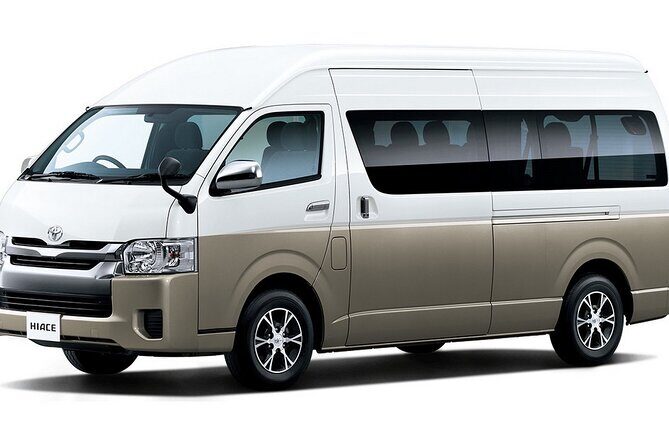
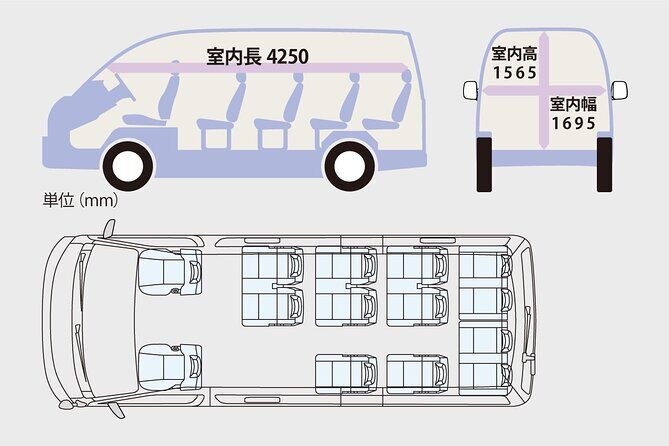
This tour is built for people who want Tokyo’s greatest hits without planning like a project manager. You’re paying for a private driver-guide and transport, so you can spend your energy looking out the window and walking, not studying train connections all morning.
The tour runs about 8 hours, and it’s priced per group up to 12 people. That pricing can be a steal or a splurge depending on your group size. If you fill most of the seats, the cost per person drops fast. If it’s just a couple of you, it’s still convenient, but you’re mostly paying for private logistics.
You also get pickup offered and flexible meeting points around Tokyo, Yokohama, and Narita. The day has no fixed start time, which matters a lot in Tokyo where timing can make or break your experience. A driver-guide can also help you avoid awkward gaps between stops by shifting the order slightly or adjusting when you arrive at landmarks.
What’s included is straightforward: transport and the guide service. Most of the listed sights are free to enter, and the tour is built around that. Meals are not included, and if any stop turns out to have a paid entry fee beyond what’s listed, that would be on you.
A few more Tokyo tours and experiences worth a look
Senso-ji Temple: Asakusa’s classic welcome to Tokyo
Your day starts at Senso-ji Temple in Asakusa, with about 1 hour 30 minutes set aside. This is one of Tokyo’s most colorful and popular temples, and the time block is long enough to do more than a quick photo-and-go.
What I like about this start: it gives you an immediate sense of Tokyo beyond the skyscrapers. Temples like this also help break the day into a calmer rhythm before the city speeds up. Since admission is free here, you can use your budget for snacks, drinks, or a small souvenir without feeling like you’re paying entry for every step.
The main consideration is that Asakusa and Senso-ji are central and well-known. Plan to stay flexible with walking pace and expect that the area can feel crowded at peak times. If you hate lines, ask your guide about the best moment to reach your viewing areas within that 90-minute window.
Meiji Jingu Shrine: a serene reset by Harajuku
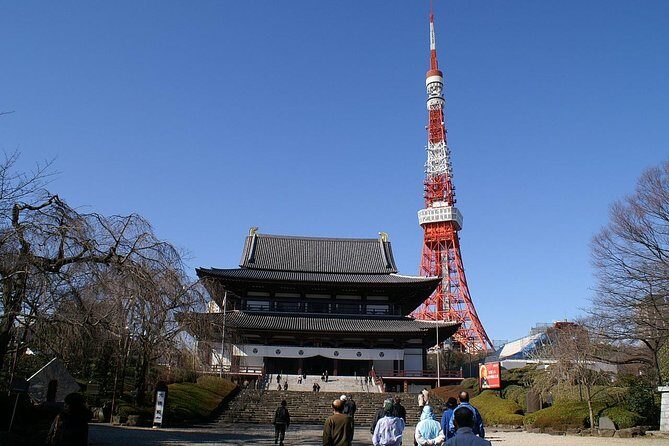
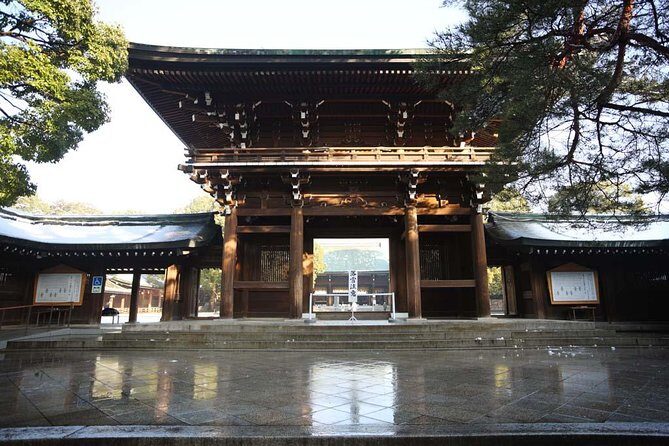
Next up is Meiji Jingu Shrine, around 1 hour and also listed as free. The location is convenient because it sits just beside the JR Yamanote Line near Harajuku Station, which makes it easy for the guide to slot in without wasting time transferring.
What I like here is the contrast. After the temple atmosphere of Asakusa, Meiji Jingu tends to feel like a reset button: a shrine visit in a calmer setting close to one of Tokyo’s trend neighborhoods. It’s also a great way to learn Tokyo’s spiritual side without turning your day into a slow, multi-day temple marathon.
The drawback: it’s only one hour. That’s enough to see the main shrine approach and spend a little time absorbing the atmosphere, but it’s not enough for people who want to do a long, detailed walk through every corner. If that’s you, you’ll want to come back later on your own for extra time.
Shibuya Crossing in 30 minutes: see the scramble, then get out

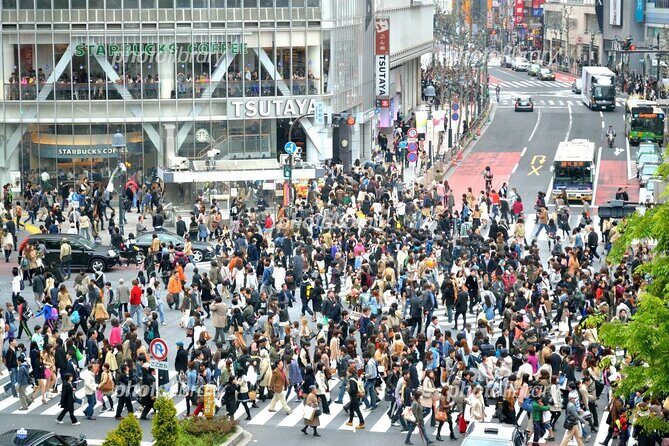
Then you hit Shibuya Crossing for about 30 minutes. This is modern Tokyo at its most famous, centered around the area around Shibuya Station. The short stop is intentional: it’s for the iconic experience, not for hours of browsing.
Here’s the practical value. If it’s your first time in Tokyo, Shibuya is one of the places you want to tick off early, while you still feel fresh and eager. The guide can also help you position yourself for the best views and keep you moving so the whole day doesn’t bog down.
The consideration is also clear: 30 minutes disappears quickly if you stop for photos every few seconds or if you get swept into foot traffic. If you’re very photo-focused, tell your guide early so they can time your crossing approach to match your pace.
Imperial Palace: time your visit around openings
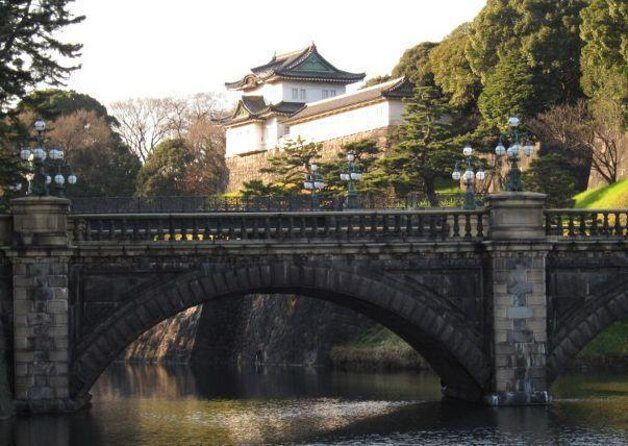
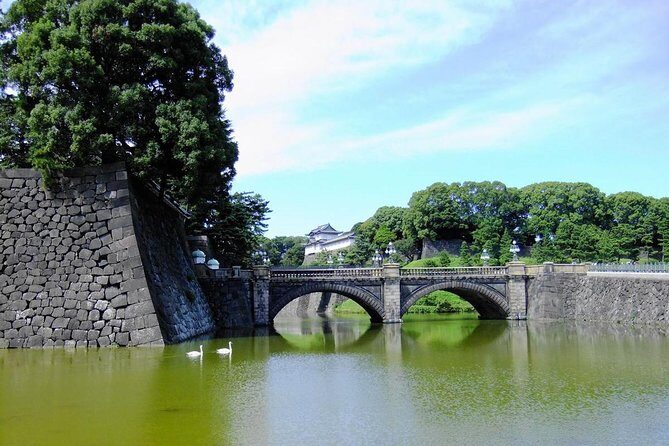
The tour continues with the Imperial Palace area for about 1 hour 45 minutes, and it’s listed as free. The site is on the former grounds of Edo Castle, with moats and massive stone walls in the central Tokyo area near Tokyo Station.
This stop is about more than a landmark. It’s a shift from commercial Tokyo into a vast, formal space with layers of meaning. I also like that the time block is long enough to slow down a bit, take photos without feeling rushed, and walk the grounds comfortably.
One big, practical tip: this area’s access can depend on current conditions and opening status. In real use, guides have been helpful in timing the visit properly so the visit works out. So if the Imperial Palace is a must-do for you, treat it as a highlight and rely on your guide for the best chance to see it during that specific day.





Takeshita Street: pop-culture fashion for 30 minutes
After the Imperial Palace, you’ll have time at Takeshita Street for about 30 minutes. This is a 350-meter stretch geared toward fashion and trends, right across from JR Harajuku Station. The vibe is youth-driven and shopping-heavy, so it’s a fun counterweight to temples and palace grounds.
If you like street fashion, souvenirs, and quick browse-and-buy moments, this is a solid hit. And because it’s only 30 minutes, it won’t swallow your whole day the way a bigger shopping district can.
The main drawback is that Takeshita can be hectic and highly focused on impulse shopping. If you need calm, slow browsing, you may feel rushed. The best move is to set a quick goal—one or two stores, one souvenir, then move on—so you don’t waste the time block wandering without purpose.
Tsukiji area and seafood-market energy in 45 minutes
Next comes Tsukiji Jogai Market for about 45 minutes. This is the wholesale market area that has been famous historically, and it relates to the old inner-market reputation centered on tuna auctions. The information you’ll see around Tsukiji notes that the auctions moved after 2018 and the market operations relocated to Toyosu, with the area still functioning as a market district.
In practice, what you get in 45 minutes is the feel of a food-focused neighborhood: lots of stalls, lots of sensory input, and a chance to pick up small edible items if your timing works. Since admission is listed as free, this is another stop where you can spend your money on what you actually want instead of paying for entry.
Potential consideration: a market stop can be busy and narrow, and you’ll be on the clock. If you’re the type who loves sampling everything, you may need to choose either snacks or shopping rather than trying to do both. Ask your guide what they recommend most for a quick visit.
Ginza lunch time: plan meals without losing the rhythm
Finally, you’ll have lunch time in Ginza for about 1 hour. Ginza is one of Tokyo’s most recognizable shopping and dining areas, and this is your chance to refuel before the last part of the day wraps up.
Meals aren’t included, so you’ll want a plan for what you’ll pay for and what you’ll order. What I like about having lunch framed as a time block is that you can treat it like a working session: eat well, use the guide’s local judgment, and avoid turning lunch into a two-hour delay.
In real-world customization, guides have helped people find specific food hits—like an authentic ramen spot when the group asked for it. So if you’re craving something specific, use that hour to tell your guide your preference and let them steer you toward something that fits the time.
Personal touches: how the guide can tailor your day
This is a private tour, so the guide can adapt the route within reason and respond to what you care about. One example from a guide interaction: if you’re into guitars, the group asked for guitar street hunting and the guide found a place where you could see major brands like Martin, Gibson, and Genders. That’s the kind of detail you can’t get from a rigid group bus tour.
Another example: people have needed help with practical timing for the Imperial Palace opening status, and the guide was able to make it work during that week. That’s not a small thing—Tokyo has rules and schedules that change, and a driver-guide who pays attention can save you from disappointment.
Names you may hear in this service include Keka-san, Take-san, and Takeshi Shishiba (listed as a driver and guide). You won’t control who you get, but you can expect the same general idea: real guidance, not just driving.
Price and logistics: when this private tour is a great value
Let’s talk value in a way that helps you decide. The price is $703.65 per group up to 12 people, for about 8 hours with transport and guide service included. That means cost efficiency depends on how many seats you fill.
For families or small friend groups, it can be a strong value because you’re basically buying a day of private transportation plus a knowledgeable local driver-guide. For solo travelers or couples, it becomes more of a convenience purchase: you’re paying for a private plan and flexible timing more than you’re paying for attractions.
Also, it’s worth noting that this is a tour where pickup and drop-off points can be flexible. That’s a big deal if you’re starting in Yokohama or you’re on a cruise schedule and need a smooth connection. A mobile ticket is included, which helps reduce hassle when it’s time to meet up.
The main “logistics” consideration is weather. The tour information notes it requires good weather. If conditions are poor, the tour may be canceled and offered a different date or a full refund, which is good news because it reduces the risk of losing your money to miserable conditions.
Who should book this Tokyo-Yokohama day tour
Book this if you want:
- A private day plan with flexible timing from Yokohama, Tokyo, or Narita
- A fast, efficient route through Tokyo’s most recognizable highlights
- A guide who can help you shift priorities, like food cravings or specific shopping interests
Skip it (or plan extra days) if you:
- Want deep time at one neighborhood or one museum
- Hate being time-boxed at multiple stops
- Travel with a very tight daily budget and only need train access rather than private transport
This tour fits best for first-timers who want the emotional “wow” of Tokyo’s icons, plus anyone who wants a guided framework to reduce decision fatigue.
Should you book it?
Yes—if you want Tokyo highlights in one day and you value the convenience of private transport plus a guide who can answer practical questions and adapt your pace. The itinerary hits major sights like Senso-ji, Meiji Jingu, Shibuya Crossing, and the Imperial Palace area, then adds shopping and market time at Takeshita Street and Tsukiji Jogai Market, with a Ginza lunch window.
Before booking, think about your group size and your style. If you’re 5 to 12 people, the pricing usually looks much better per person. If it’s just you or two, book it because you want the flexibility and guided navigation, not because it’s the cheapest way to see Tokyo.
FAQ
FAQ
How long is the Full Day Tokyo Tour?
The tour lasts about 8 hours.
Is this tour private, and how many people are in a group?
It’s a private tour, and it runs with 2 to 12 guests.
Where can you be picked up and dropped off?
Pickup is offered, with options that work around Tokyo, Yokohama, and Narita. Drop-off is also flexible based on your pickup points.
Do you have a fixed start time?
No. There is no fixed start time, and you begin at a time that suits your schedule.
Are entrance fees included for the main stops?
The tour states entrance fee or admission fee is not included if it costs. Most listed stops are shown as free, but the tour’s general rule is that paid admissions are not guaranteed.
Is lunch included?
Lunch time in Ginza is included as part of the schedule, but meals and drinks are personal charges, so they are not included.
What’s included in the price?
The price includes transportation-related expenses and guide service expenses.
What is the cancellation policy?
You can cancel for a full refund up to 24 hours in advance. Free cancellation is available up to that point.
Does the tour run in any weather?
The tour requires good weather. If it’s canceled due to poor weather, you’ll be offered a different date or a full refund.