REVIEW · TOKYO
From Tokyo: Snow Monkeys and Zenkoji Temple Day Trip
Book on GetYourGuide →Operated by Tourist Attractions · Bookable on GetYourGuide
Snow monkeys in hot springs are the day’s star. Snow Monkey Park delivers real wildlife watching, and Zenkoji Temple brings major Buddhist history without feeling like a museum. The main catch is simple: it’s a long day with a big winter-drive, and you’ll want warm layers and comfy shoes.
This trip works because it combines two kinds of payoff. You get the Jigokudani Valley walk to see Japanese macaques doing their everyday hot-spring routine, then you shift gears into quiet temple spaces like Zenkoji and Ojoji. If you’re traveling from Tokyo, being in a private vehicle (with WiFi and coffee/tea/water) makes that shift from city to mountains feel manageable.
One more note: there is no separate tour guide included. You’ll ride with an English-speaking driver, plus you can join guided meditation or spiritual sessions at Ojoji Temple. So think of it as a comfortable, well-paced day with strong driver support, not a full commentary-heavy guided tour.
In This Review
- Key takeaways before you go
- Nagano From Tokyo: What a Private Full-Day Run Feels Like
- Jigokudani Valley and Snow Monkey Park Hot-Spring Watching That’s Actually Wild
- Zenkoji Temple: The 7th-Century Stop With the Hidden Amida Buddha
- Takai Shrine’s Red Torii Gates and Peaceful Forest Setting
- Ojoji Temple Gardens: Where Guided Meditation Turns the Day Quiet
- Price and Logistics: Is $515 per Group Worth It?
- Guides, Language, and Real Comfort During a Cold Winter Day
- Who Should Book This Snow Monkey and Zenkoji Day Trip?
- Should You Book This Tour? My Straight Answer
- FAQ
- How long is the tour?
- Is Snow Monkey Park walk included, and how long is it?
- What’s included in the price?
- Are entry fees and meals included?
- Do I need a tour guide?
- What should I bring for the day?
- Is pickup available from the airport or sea port?
Key takeaways before you go
- Wild macaques at Jigokudani Valley: you’ll head into the winter setting where monkeys gather in natural hot springs
- A temple sequence with meaning: Zenkoji’s Amida Buddha and its dark Omotesando passage add spiritual context
- A slower, quieter finish: Ojoji Temple’s gardens give you a break from crowds
- Private, door-to-door convenience: pickup and drop-off from your Tokyo accommodation saves time and stress
- Weather-sensitive timing: winter roads and site access can affect schedules, so dress for cold and be flexible
Nagano From Tokyo: What a Private Full-Day Run Feels Like
This is a full-day private trip, typically around 12 hours, depending on traffic and how long you spend at each stop. The big reason to do it privately is not luxury for luxury’s sake. It’s control. You’re not juggling train transfers while you’re trying to keep warm, track time, and still arrive before the best monkey viewing windows.
The drive is part of the point. Even though Snow Monkey Park in Nagano is about a 4-hour drive from Tokyo, you’re going beyond the city for a proper change of pace. The vehicle includes WiFi and highway tax is handled, plus you’ll have coffee/tea/water during the day. For a winter day trip, that comfort matters because you’ll likely spend time waiting outside or walking in cold conditions.
Also, this is an important detail for expectations: you’ll be with an English-speaking driver, not a separate tour guide. The driver still helps with the flow of the day and the sites, and the itinerary includes visits to each attraction. If you like learning from your driver and prefer a calmer style of touring, you’ll feel at home here.
Finally, you’ll need to plan around pickup timing. You wait in the hotel lobby about 10 minutes before pickup, and the driver will wait no longer than 60 minutes after your scheduled pickup time. It’s one of those practical rules that keeps the day from getting thrown off.
A few more Tokyo tours and experiences worth a look
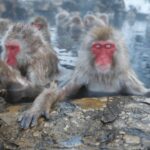
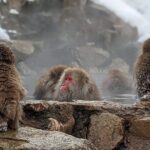
Jigokudani Valley and Snow Monkey Park Hot-Spring Watching That’s Actually Wild
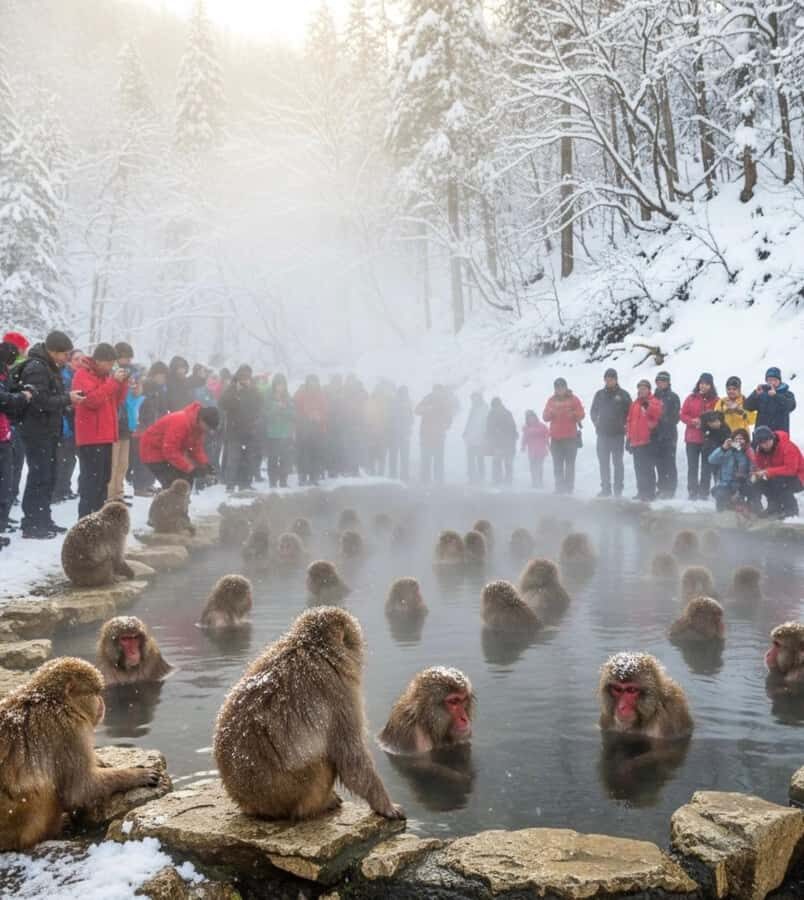
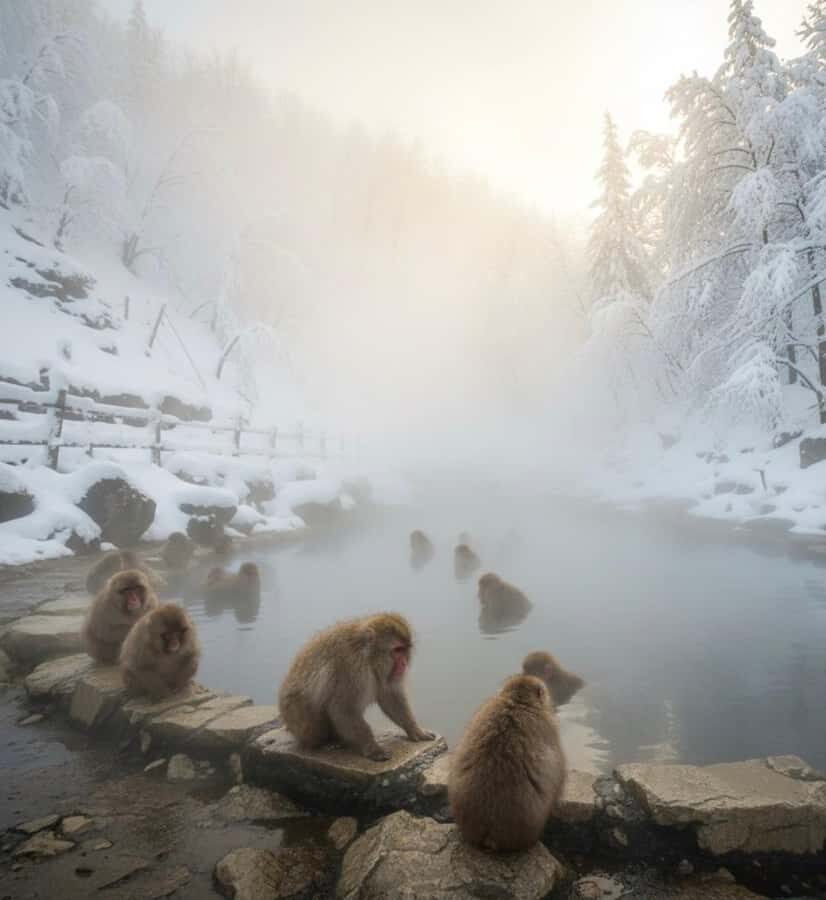
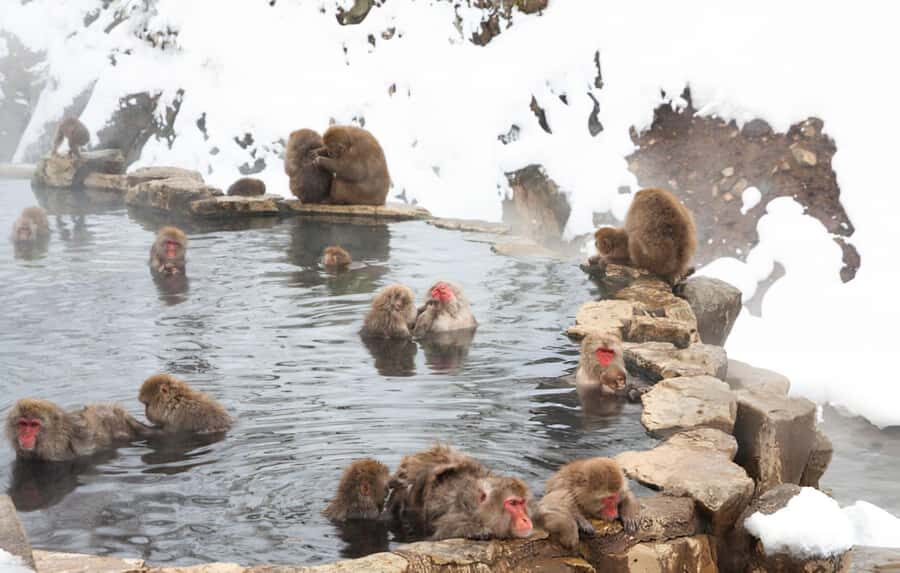
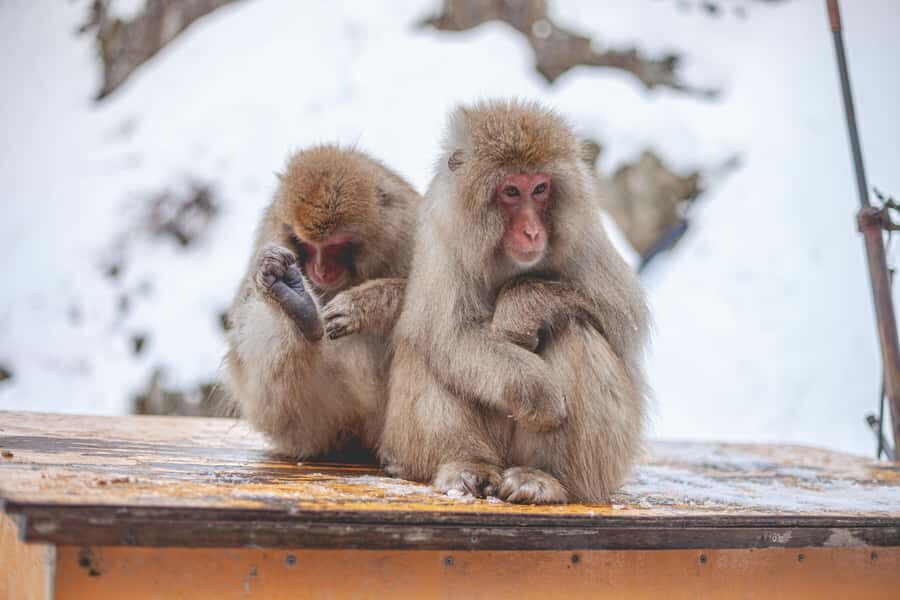
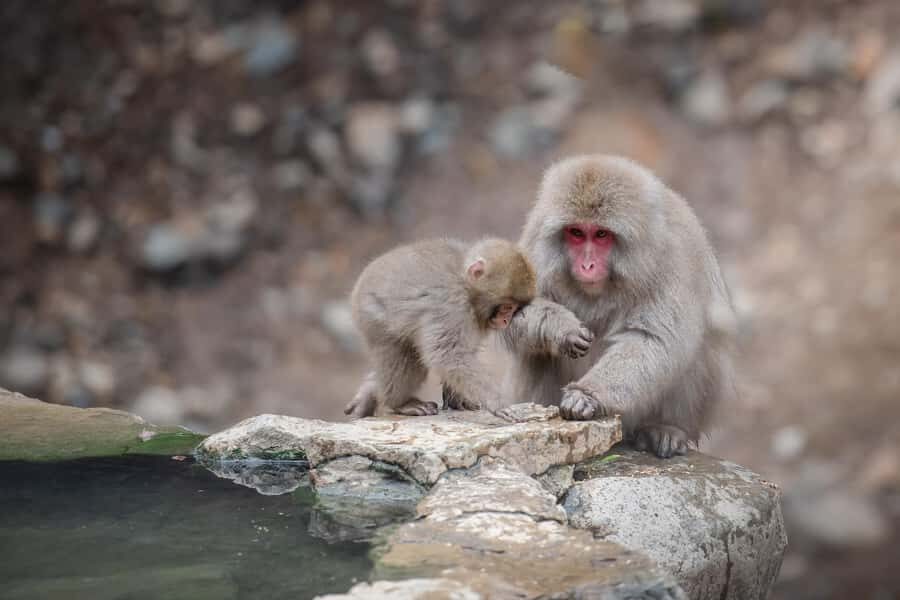
The Snow Monkey Park experience is built around the Jigokudani Valley, where Japanese macaques live in their natural setting and—especially in winter—relax in natural hot springs. It’s famous for a reason: the monkeys aren’t performing on cue. They’re doing monkey stuff, which is exactly what makes it satisfying to watch.
Before you reach the viewing area, you’ll walk for about 30 minutes through a snow-covered path. That walk is short, but it’s the kind of short that can feel long if your footwear isn’t right or if you’re underdressed. The tour includes scenic walks and photo opportunities, so plan on spending a bit of time adjusting your photos, watching the steam and movement, and finding your spot.
What makes this stop stand out is social behavior. The tour is set up so you have a chance to observe monkeys’ interactions up close—how they approach the water, cluster, and shift positions. Even if you’ve seen snow monkeys on screens, seeing real movement and real timing makes a difference.
Photo tip, keeping it real: you’ll likely be shooting through cold air and steam. Wear layers you can move in, and keep your camera accessible without constantly removing gloves. If you’re sensitive to cold, bring a hat and something to cover your ears; the “wait a few minutes” moments can turn into longer ones once you find a good monkey moment.
And yes, winter is the key. This is the season when monkeys gather in the steaming waters to escape the cold. If you’re visiting outside the winter months, you might still see macaques, but the hot-spring focus is strongest in winter conditions.
Zenkoji Temple: The 7th-Century Stop With the Hidden Amida Buddha
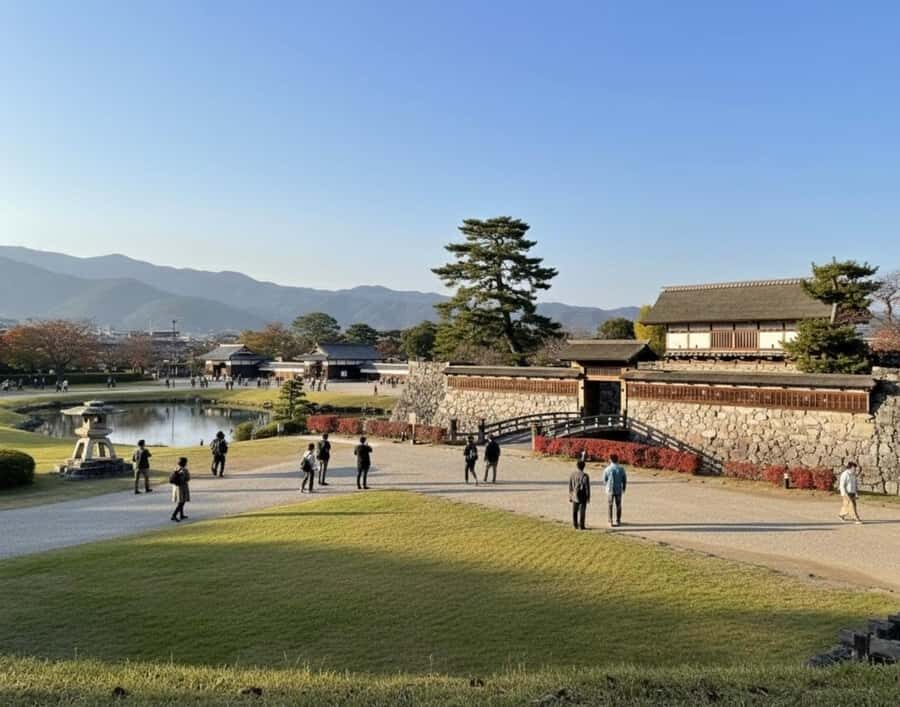
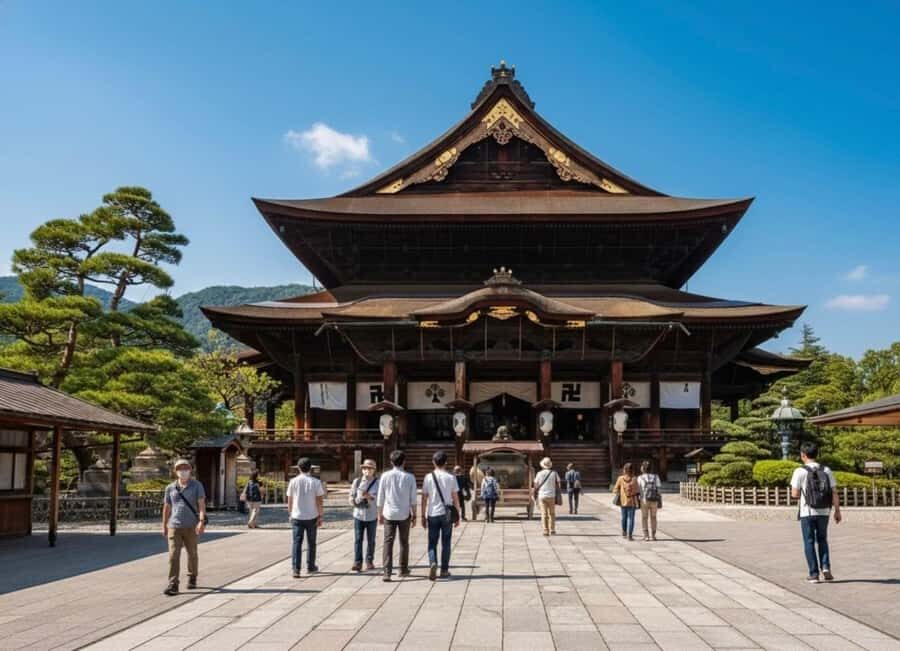
After Jigokudani Valley, the day flips into culture mode at Zenkoji Temple. Zenkoji is one of Japan’s most important Buddhist temples, and it dates back to the 7th century. That timeframe matters because the site doesn’t feel like a modern “photo stop.” Even the approach has energy—there’s a long arrival route with shops selling traditional crafts and local snacks (snacks and souvenirs aren’t included, so bring cash if you want to buy something).
Zenkoji is also known for a hidden statue of Amida Buddha, believed to bring good fortune to visitors. The tour doesn’t frame it as a gimmick; it’s presented as part of the temple’s spiritual draw.
Then there’s the distinctive Omotesando experience: you can walk through a dark passageway as part of the journey toward enlightenment. It’s one of those moments where you stop thinking about schedules and just follow the flow. If you like sensory experiences—shadows, quiet, and the feeling of stepping into another world—you’ll likely enjoy this.
Practical note: temple spaces can involve stairs or uneven walking. The tour provides time to see what’s important, but still, wear shoes that don’t make you regret your decision halfway through.
Takai Shrine’s Red Torii Gates and Peaceful Forest Setting
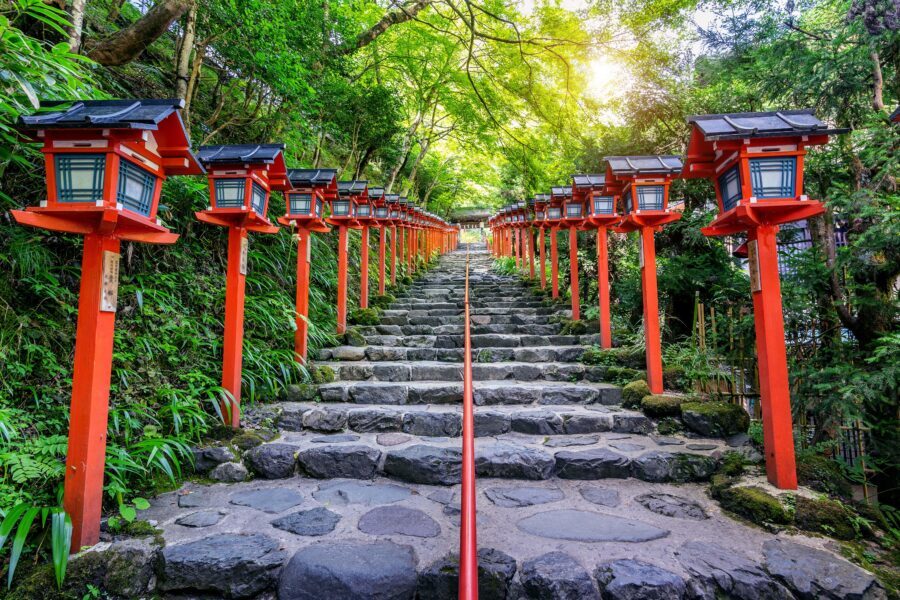
Next comes Takai Shrine, dedicated to the deity of agriculture and prosperity. The attraction here is both symbolic and scenic: vibrant red torii gates and a tranquil forest setting.
This stop works as a breather between big-name temples. After Zenkoji’s crowds and sensory intensity, Takai Shrine offers a calmer pause. You’re not just looking at architecture. You’re also stepping into a space shaped by nature—seasonal changes can shift what you see around the shrine, and festivals happen there too.
If you’re thinking like a photographer, this is the kind of location where color and structure do most of the work. Red torii gates against greenery or seasonal tones can give you strong shots without trying too hard.
And if you’re traveling in winter: expect colder air and slower walking. Take it easy, since you’ll already have a snowy valley walk behind you and another quiet garden stop ahead.
Ojoji Temple Gardens: Where Guided Meditation Turns the Day Quiet
The final major spiritual moment is Ojoji Temple, a lesser-known retreat known for peaceful surroundings and beautiful gardens. The tour includes time here plus guided meditation or spiritual sessions, which is a nice counterbalance to the busy day.
The architecture and garden setting are part of why this temple feels like a reset button. It’s not trying to compete with flash or scale. Instead, it gives you space to lower your volume—mentally and physically.
The gardens are especially lovely during cherry blossom season, when blooming trees frame the grounds. Even if you’re not there in spring, the garden design and quiet setting still offer that “slow down” experience that you usually only get when you step away from the most famous sites.
If you’re wondering what you’ll actually do during the guided meditation: the tour includes guided meditation or spiritual sessions at Ojoji Temple, but details like exact timing and format aren’t spelled out here. So think of it as a structured moment of calm, not a long lecture.
This stop is also a good place to observe how the day’s emotions change. You start with wildlife excitement, you move into temple awe, and then you end with quiet. That rhythm is exactly why this itinerary feels satisfying.
A few more Tokyo tours and experiences worth a look




Price and Logistics: Is $515 per Group Worth It?
The price is $515 per group, up to 6 people. That sounds like a lot until you compare what a long, out-of-town winter day from Tokyo really costs once you factor in a private vehicle, long-distance driving, and the time a driver spends making the schedule work.
Here’s the value math in plain terms:
- If you fill the group (6 people), that’s about $85 per person for a full-day private transfer and multi-stop sightseeing.
- If you book with fewer people, the per-person cost rises, so this one really shines when you share it.
Also remember what’s included. You get pickup and drop-off from your Tokyo accommodation, luxury transport, WiFi, highway tax, and coffee/tea/water. The itinerary includes visits to Snow Monkey Park, Zenkoji Temple, Takai Shrine, and Ojoji Temple, plus the possibility of guided meditation at Ojoji.
What’s not included matters for budgeting:
- Paid entry ticket (not included)
- Meals
- Personal expenses and souvenirs/snacks
So if you want the smoothest day, plan a small cash budget for temple-related entry fees and snacks. And bring a bit of extra money because winter weather can make you want a hot drink or a bite while waiting.
Timing and road conditions are the other “logistics reality.” The day runs long enough that weather can affect drive times and schedules. One of the nice things about private routing is that drivers can make adjustments to keep you on track.
Guides, Language, and Real Comfort During a Cold Winter Day
You’re working with an experience built around comfort. The tour includes an English-speaking driver, and the language options are English, Japanese, and Hindi. That makes it easier to ask quick questions and get practical help during the day.
In past experiences with drivers, the common theme has been friendliness and professionalism—people who handle the drive carefully and keep the schedule moving even when weather or road conditions change. You’ll also want a driver who’s comfortable with timing and flexible stops, since this itinerary includes both wildlife time and multi-temple pacing.
And because it’s a private group up to 6, the experience tends to stay conversational rather than chaotic. If your group has different interests, the schedule can be adjusted based on preferences and interests.
For a winter day trip, that flexibility is worth more than people expect.
Who Should Book This Snow Monkey and Zenkoji Day Trip?
This works best if you:
- Want a winter Nagano day that includes wild macaque watching in hot springs
- Like culture with substance, not just quick temple photos
- Prefer private transport for a long trip instead of managing trains and transfers
- Appreciate calm moments like guided meditation at Ojoji Temple
It might not be the best match if you:
- Don’t like cold-weather walking (the park path is about 30 minutes in snow)
- Need an itinerary with a highly scripted, high-commentary guide (this is driver-led, no separate tour guide included)
- Are pregnant (the tour is not suitable for pregnant women)
- Are very elderly; the tour is not suitable for people over 95 years
If you fall into the comfortable-walking range and can handle a long day, you’ll likely love the rhythm of this plan: monkeys, then major temple meaning, then shrines and gardens that slow everything down.
Should You Book This Tour? My Straight Answer
Book it if you want one day that gives you both sides of Japan in a very concentrated way: wild nature in the Jigokudani Valley and spiritual depth at Zenkoji and Ojoji. The $515 group price can be a smart value when you share it, and the included private transport and refreshments make the long drive feel less punishing.
Skip or rethink if you hate winter travel logistics, can’t do cold walks, or you’re hoping for a traditional tour guide with deep spoken commentary at every stop.
If you’re aiming for an unforgettable, photo-rich day that still leaves room for quiet and reflection, this is a strong choice.
FAQ

How long is the tour?
This is a full-day private tour, typically lasting about 12 hours, depending on traffic and time spent at each site.
Is Snow Monkey Park walk included, and how long is it?
Yes. You’ll walk about 30 minutes through a snow-covered landscape to reach Snow Monkey Park.
What’s included in the price?
Pickup and drop-off from your accommodation in Tokyo, luxury transport, WiFi, highway tax, coffee/tea/water, visits to the listed attractions, and guided meditation or spiritual sessions at Ojoji Temple.
Are entry fees and meals included?
No. Paid entry tickets and meals are not included in the tour package.
Do I need a tour guide?
A separate tour guide is not included. You’ll have an English-speaking driver, plus the tour includes guided meditation or spiritual sessions at Ojoji Temple.
What should I bring for the day?
Bring comfortable shoes, warm clothing, a camera, comfortable clothes, and cash.
Is pickup available from the airport or sea port?
Pickup is not available from the airport or sea port. You’ll need to arrange pickup from your Tokyo accommodation.