REVIEW · TOKYO
Private Tsukiji Market Visit and Cooking Class in Junko’s Home
Book on Viator →Operated by Traveling Spoon · Bookable on Viator
Fish-market magic, then dinner at home. This private experience pairs a guided walk through Tsukiji outer market with a cooking class in Junko’s home, so you learn not just what to eat, but why Japanese food is so seasonal and present-minded. I love the way Junko translates what you see at the market—fish, produce, tools, even the shrine stop—into real cooking decisions you can use right away. I also love that the lunch is not a throwaway add-on; it’s the meal you help prepare, in the simple comfort of her apartment.
One catch: the whole plan moves at a lively tempo, and the Tsukiji market portion is not suitable for children under 10, so it’s best for adults or older kids who can handle crowds and standing. You’ll also meet at the start point (or Tsukishima Station if you skip the market), so plan on taking transit yourself rather than expecting hotel pickup.
In This Review
- Key highlights at a glance
- Tsukiji Outer Market With Junko: More Than a Photo Stop
- Why the Outer Market Choice Makes This Cooking Class Better
- The Ride to Junko’s Home: Simple Apartment, Serious Skills
- Cooking Class Flow: Live Demos, Then You Cook
- What You’ll Learn From Dishes Like Miso Soup and Tamagoyaki
- Miso soup with homemade miso
- Tamagoyaki
- Teriyaki chicken and dengaku miso
- How This Tour Fits Into Tokyo Sightseeing (Without Losing the Plot)
- Lunch Included: The Real Point of the Class
- Price and Value: Is $104 Worth It?
- Who Should Book This Junko Tsukiji Cooking Day
- Should You Book This Tsukiji and Junko Cooking Class?
- FAQ
- What kind of Tsukiji market do you visit?
- How long is the experience?
- What does the cooking class include?
- Can I choose to skip the market and only do the cooking class?
- Where does the tour start?
- Is lunch included?
- Are there any age restrictions?
- Can I bring service animals?
- Is the tour private?
- Do I need to tell them about allergies or dietary restrictions?
Key highlights at a glance
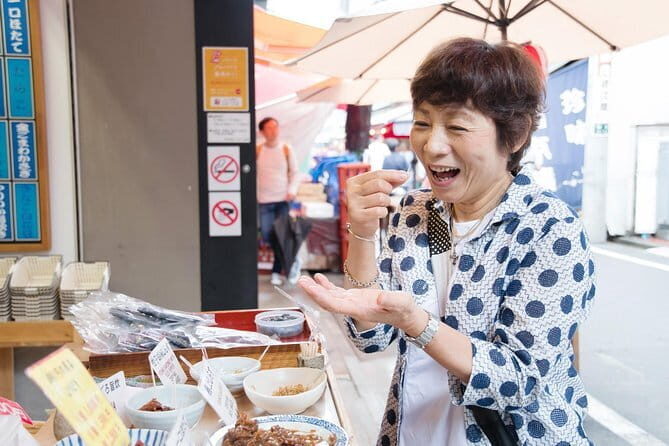
- Junko’s hands-on teaching in her home kitchen, with live demo and personal help
- Tsukiji outer market basics: shopping for ingredients, plus a shrine visit at Namiyoke Shrine
- 3 to 4 recipes from scratch, using seasonal ingredients (menu shifts by time of year)
- Lunch is included and you sit down with Junko after cooking
- Real Tokyo route thinking, with stops that can include teamLab Planets TOKYO, Hama Rikyu Gardens, and Ginza
Tsukiji Outer Market With Junko: More Than a Photo Stop
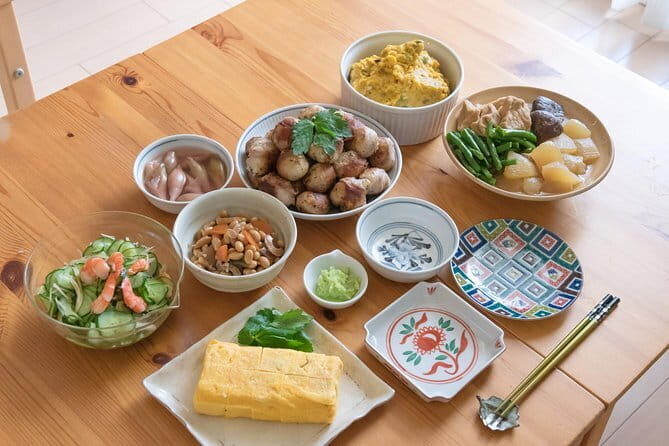
The Tsukiji name still pulls people in, and for good reason. But the inner fish market is closed and moved to Toyosu, so this experience focuses on the outer market, which is very much alive with vendors, stalls, and specialty goods. Junko’s goal is to help you understand the spirit behind Japanese cuisine—enjoying what’s in front of you, right now, and cooking with the season rather than trying to force a menu from your home country.
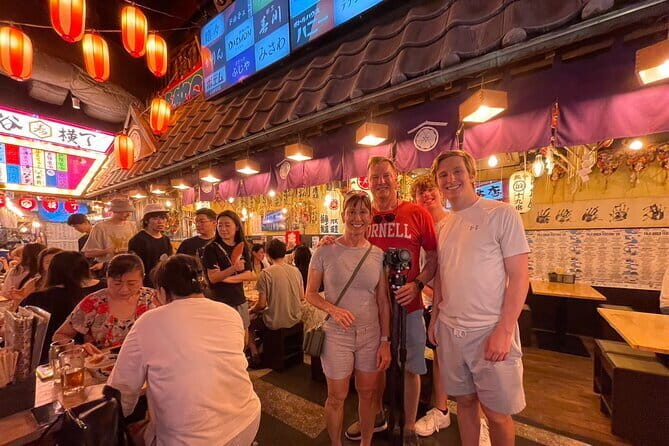
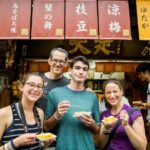
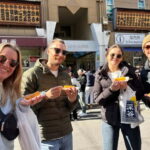
Your start is at a central Tsukiji area meeting point, then you head out into the outer market where you’ll see more than seafood. Junko’s tour route can include produce, fruits, knives, and even ceramics—useful because it shows how Japanese food culture is built on tools and ingredient quality, not just recipes.
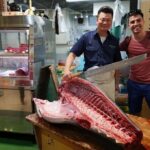
A great detail here is that you don’t just walk past displays. Junko explains the trade side of the market too: the flow of seafood and what makes certain items show up the way they do. That matters because when you cook later, you’ll have a practical reason for choosing a fish cut, seasoning approach, or ingredient swap.
You also stop at Namiyoke Shrine, the guardian deity of Tsukiji Market. It’s a small spiritual pause, but it gives context: this place isn’t only commerce, it’s part tradition and part daily ritual. Even if you’re not into shrine visits, it helps ground the whole experience in something local, not staged.
One more point to note: the experience includes a facility that imitates the Tsukiji Market with a seafood section. That helps you get orientation and perspective even if the full original inner market isn’t part of your day.
You can also read our reviews of more private tours in Tokyo



Why the Outer Market Choice Makes This Cooking Class Better
I like experiences that teach you how to think, not just what to do. By using the outer market (instead of the inner market that no longer operates the same way), this tour gives you a version of Tsukiji that’s easier to experience in real time with a guide.
Here’s what that means for you:
You get to watch how ingredients are selected and discussed, which translates directly to cooking. You’re not just buying groceries; you’re building ingredient intuition. Junko also helps you connect the sights—like seafood variety on display—with how Japanese dishes are shaped by texture, season, and balance.
The outer market also tends to be more about browsing and learning than about strict, high-intensity auctions. That doesn’t mean it’s quiet (expect crowds), but it’s generally more approachable for a private group tour that has to keep moving toward the next phase: cooking.
If you’re the type of traveler who wants a Tokyo food day you can repeat at home—shopping with purpose, seasoning with intent—this market-first structure is a strong fit.
The Ride to Junko’s Home: Simple Apartment, Serious Skills
After the market, Junko heads you toward her home by subway or bus. This transition is part of the charm. You’re moving from the market’s public energy into a small, everyday space where cooking happens the way it does for many Tokyo families—practical, focused, and centered on the food you’re making together.
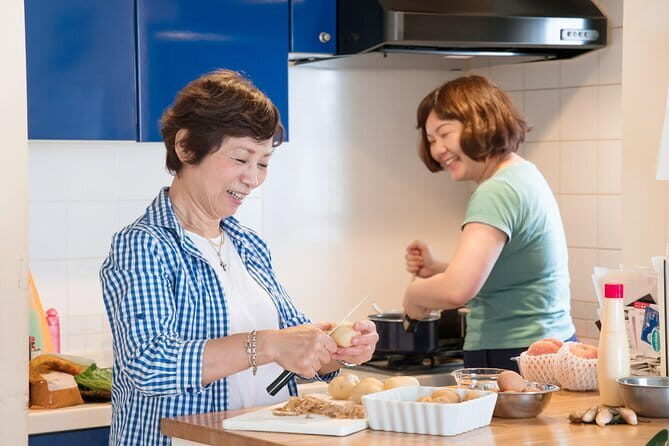
Junko’s apartment is described as small and simple. That’s important because it changes the feel of the class. You’re not in a glossy studio. You’re in a home kitchen, which means you’ll likely learn with real stove rhythms and realistic prep flow.
This is also where Junko’s personality shows up. The reviews emphasize her patience and her skill at walking people through steps without making you feel rushed. That matters when you’re not a confident home cook. A good cooking class doesn’t just teach technique; it manages your stress level while you’re doing something new.
Cooking Class Flow: Live Demos, Then You Cook
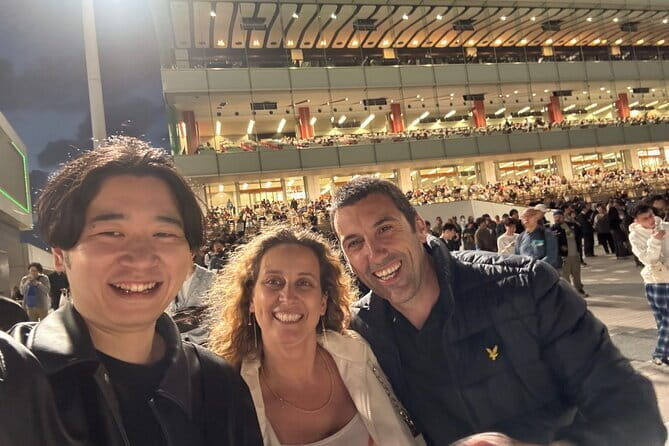
The cooking portion takes about 1.5 hours, and it’s private. That time block is tight enough to stay fun, but not so short that you barely touch the food.
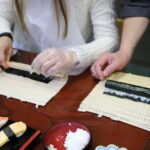
You can expect live demonstrations and then hands-on cooking as you work through 3 to 4 recipes. Junko’s approach is aimed at helping you cook from scratch using seasonal ingredients. The point isn’t to manufacture an identical dish to a restaurant. It’s to learn how Japanese home cooking builds flavor.
Some of the dishes you might learn include:
- Teriyaki chicken
- Eggplant with dengaku miso
- Tamagoyaki (Japanese rolled omelet)
- Miso soup made with homemade miso
Menu items can also include mocha in the broader class menu, so you might end with something sweet and comforting rather than only savory courses. The tour also notes that the menu may vary depending on the season, so keep expectations flexible. A seasonal swap is part of the lesson.
If you’re wondering how this becomes lunch, the simple answer is: you cook, then you sit down together and eat the meal you prepared with Junko. That’s the part many food tours miss. Here, the tasting is built into the schedule, so the cooking actually leads somewhere.
What You’ll Learn From Dishes Like Miso Soup and Tamagoyaki
Recipes are easy to copy. Understanding them is harder. This class does a good job of teaching practical choices you can reuse.
You can also read our reviews of more shopping tours in Tokyo
Miso soup with homemade miso
Making or using homemade miso (as the class mentions) shifts how you think about depth. Miso isn’t a one-note paste. It brings fermented aroma, salt balance, and a rounded flavor that works whether the soup is simple or more layered. Learning it in a home setting helps you see miso as a living ingredient, not a bottled shortcut.
Tamagoyaki
Tamagoyaki looks fancy, but the fundamentals are learnable: heat control, rolling, and patience. Even if your roll isn’t perfect, you’ll come away with the feel for how the omelet sets and how to keep it from drying out.
Teriyaki chicken and dengaku miso
Teriyaki and dengaku-style miso both teach a key Japanese cooking idea: sauce and topping aren’t afterthoughts. They’re built to cling, balance, and complement the main ingredient. Eggplant is a great example because it can take on sauce flavors fast, but it also needs proper timing so it stays tender, not mushy.
How This Tour Fits Into Tokyo Sightseeing (Without Losing the Plot)
The experience lists a route that can include teamLab Planets TOKYO, Hama Rikyu Gardens, and Ginza. That means your day isn’t only market and kitchen. It’s also a way to see a few major Tokyo landmarks through a local’s pacing.
Here’s how to think about it as a practical traveler: when a cooking class is involved, you want the sightseeing to be efficient. So expect you’ll spend time in places that are easy to reach, good for photos, and manageable within the overall 3 hours 30 minutes duration. Even if the exact moments at each stop vary by timing, the value is that Junko can connect the dots between food culture and the city around it.
- teamLab Planets TOKYO gives you a modern contrast to traditional food culture, and it’s a great option if you want one big immersive highlight that doesn’t require pre-study.
- Hama Rikyu Gardens offers a quieter, scenic break, which helps digesting heavy flavors later feel more rewarding.
- Ginza is close to many major sights, and it rounds out the day with a classic Tokyo shopping-and-stroll feel.
The key is balance: keep your expectations realistic. This is still a private cooking-focused day, so you’re not trying to do everything at full depth. You’re getting guided variety and a strong food payoff.
Lunch Included: The Real Point of the Class
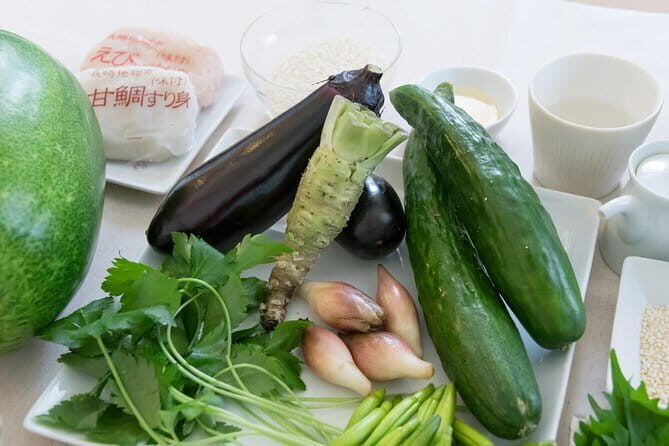
Lunch is included, and you share it with Junko after you cook. This is where the experience earns its value.
Many tours say they include lunch but then dump you into a generic restaurant and call it part of the class. Here, the food is the class. You’re not just watching; you’re eating your own work (with help), which makes the flavors stick in your memory. It’s also a nice chance to ask questions about ingredients, substitutions, and what’s typical at different seasons.
In the reviews tied to this experience, the meal stands out as genuinely delicious, and several people highlight Junko’s guidance while cooking, not just the final plate. That lines up with the idea that teaching is the product here.
Price and Value: Is $104 Worth It?
At $104 per person, you’re paying for a true private setup: a guide, a market visit (optional), and a cooking class with lunch in Junko’s home. In Tokyo, that price can sound high at first—especially if you compare it to group classes or casual street food.
But value comes from three things this experience does well:
- Private attention. You’re not competing with a big crowd for time or help.
- Cooking plus meal. You don’t just learn techniques; you eat the result.
- Ingredient context. Junko’s Tsukiji outer market route gives you a reason behind choices, from fish and produce to tools.
If you love food and you also enjoy learning how to shop and cook, this price starts to make sense fast. If your main goal is sightseeing, you might feel the cooking time is the anchor and the sightseeing stops are lighter. Still, even then, the class part is the “why” of the experience, and it’s designed to be the payoff.
Who Should Book This Junko Tsukiji Cooking Day
This is a great fit if you:
- want a Tokyo home cooking experience instead of a restaurant meal
- like the idea of learning multiple recipes (up to 4) rather than one demo-only dish
- enjoy markets and want to understand how ingredient selection shapes the final food
- prefer private, friendly instruction and a guided lunch
It may not be ideal if you:
- are traveling with children under 10 (the Tsukiji market portion isn’t suitable)
- dislike crowds or standing for parts of a market visit
- want hotel pickup and a fully packaged, low-effort itinerary (you’re meeting Junko at the listed start points)
Also, if you have allergies or dietary restrictions, the tour asks you to advise at booking. That’s smart; cooking classes need time to plan substitutions.
Should You Book This Tsukiji and Junko Cooking Class?
I think you should book if you want a real food day with local guidance—one that teaches you how to shop, cook, and eat in a way that feels like Tokyo life, not a staged show. Junko’s style matters here: people point to her patience and her ability to help you cook step-by-step, and that’s exactly what makes a private class worth it.
Skip it if you’re only chasing sightseeing checkmarks. This is cooking-first, and the sightseeing stops (like teamLab Planets TOKYO, Hama Rikyu Gardens, and Ginza) are there to complement the day, not replace the main event.
If your ideal Tokyo moment includes markets, miso, and sitting down after making lunch, this is a strong match.
FAQ
What kind of Tsukiji market do you visit?
The tour visits the Tsukiji outer market, not the closed inner fish market. Your host also visits a facility that imitates the Tsukiji Market and includes a seafood section, plus Namiyoke Shrine.
How long is the experience?
The duration is about 3 hours 30 minutes.
What does the cooking class include?
You’ll have a private cooking class in Junko’s home where you can learn 3 to 4 recipes (the menu and dishes may vary by season). You also lunch together afterward.
Can I choose to skip the market and only do the cooking class?
Yes. If you choose the cooking class option (no market tour), you meet Junko outside the ticket gate of Tsukishima Station on the Toei Oedo line.
Where does the tour start?
The market option starts at 4-chōme-8-4 Tsukiji, Chuo City, Tokyo 104-0045, Japan.
Is lunch included?
Yes. Lunch is included as part of the experience.
Are there any age restrictions?
The Tsukiji market experience is not suitable for children under 10 years of age.
Can I bring service animals?
Yes. Service animals are allowed.
Is the tour private?
Yes. This is a private tour/activity, and only your group participates.
Do I need to tell them about allergies or dietary restrictions?
Yes. If anyone in your party has allergies, dietary restrictions, or cooking preferences, you should advise at booking.