REVIEW · TOKYO
Full Tokyo: Meiji Shrine, Imperial Palace, Asakusa & Skytree
Book on GetYourGuide →Operated by AMIGO TOURS JAPAN GK · Bookable on GetYourGuide
Shibuya lights fade fast, and history stays close. This 7-hour loop strings together Shibuya Crossing, quiet shrine time, classic palace views, and skyline payoff from Tokyo Skytree. You move by short tram/train hops with a bilingual guide in English and Spanish, starting by the famous Hachiko Statue.
Two things I really like are the quality of the guiding and the pacing of the contrasts. Guides like Oliver, George, and Burt were praised for being organized and genuinely good at explaining Japan as you go, not just naming places, and the day often feels smooth even when you’re crossing busy neighborhoods. The other big win is the balance: you get a peaceful Meiji Shrine walk in a forest setting, then end with big-city views from Skytree’s observation deck if you choose that option.
The main drawback to plan for is time pressure. The schedule packs a lot in, and some people felt certain stops like Senso-ji or the Imperial Palace exterior photo time didn’t last as long as they wanted—so you should be the type who’s okay with seeing a lot in one day, not lingering forever.
In This Review
- Key points worth knowing before you go
- First stop: Hachiko Square to Shibuya Crossing photos
- Meiji Shrine walk: Shinto calm in the middle of the city
- Imperial Palace exterior: majestic photos and garden-side atmosphere
- Akihabara scenic drive: tech and pop culture energy
- Asakusa and Senso-ji: temple time plus optional lunch
- Tokyo Skytree finale: panoramic city views from the observation deck
- Price and value: when $69 makes sense for a first Tokyo day
- Pacing, timing, and comfort: how to get through the day without stress
- Should you book this Tokyo highlights tour?
- FAQ
- Where do I meet the guide?
- What languages is the tour guide available in?
- How long is the tour?
- What does the price include?
- Is lunch included?
- Do I need Skytree tickets in advance?
- What time do you have in Asakusa?
- Is the tour wheelchair accessible?
- What should I bring for the day?
Key points worth knowing before you go
- A strong guide makes the day feel worth the money: names you may get include Oliver, George, Burt, Erik, and Jörg, and the common thread is clear explanations and good group handling.
- Shibuya Crossing is for photos, not a long hang: you’re there for the classic sights and then you’re off.
- Meiji Shrine is the reset button: a calm, walk-through experience focused on Shinto atmosphere.
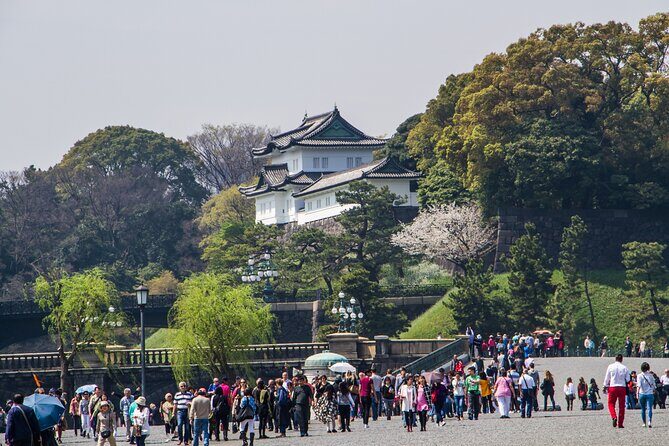
- Imperial Palace time is mostly exterior + surroundings: expect photos and garden-area views rather than a long inside visit.
- Asakusa blends guided temple time with real free time: you’ll have about 2 hours in the area, plus an optional lunch.
- Skytree is the finale view—if your tickets are ready: you can only enter the observation deck with previously purchased tickets.
First stop: Hachiko Square to Shibuya Crossing photos
Your day begins at the Hachiko Statue in Hachiko Square. It’s an easy landmark meeting point, and it also sets the tone: Tokyo starts with a recognizable human story, then quickly shifts into pure city energy.
Next comes Shibuya Crossing. This is where the tour earns its keep for first-timers. You get the famous pedestrian scene—one of the busiest intersections in the world—plus the chance to snap photos while the moment is still on your camera roll. Since you’re also moving by tram/train during the day, the “scenic drive” piece matters: it’s a time-efficient way to see Shibuya without turning the morning into a navigation project.
One practical note: this is photo-forward time. If you’re hoping for a long sit-down break in the middle of Shibuya, adjust your expectations. The value here is in seeing the crossing, then using the rest of the day to cover other neighborhoods you’d otherwise bundle across multiple trips.
You can also read our reviews of more tours and experiences in Tokyo.



Meiji Shrine walk: Shinto calm in the middle of the city
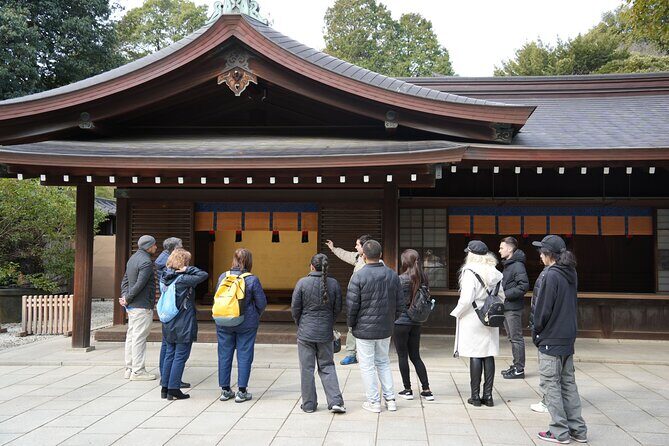
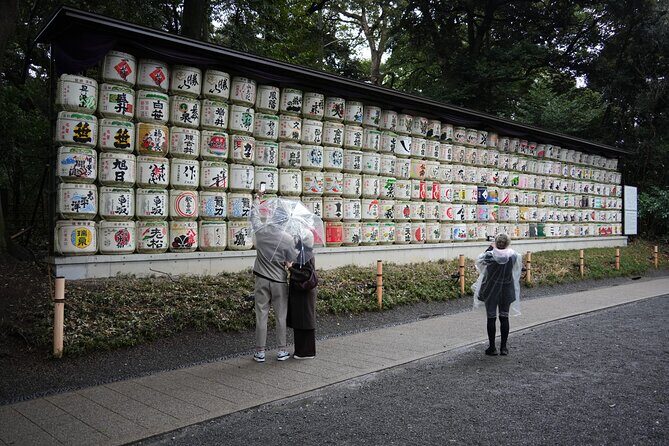
Then you get the reset: Meiji Shrine. The site is described as a spiritual retreat tucked into a lush urban setting, and that matches how it feels—less like a museum stop, more like a slower walk through a calmer world.
You’ll have a guided visit of about 70 minutes, which is enough time to actually take in the atmosphere instead of racing past everything. The shrine is tied to Shinto traditions, so if you want your Tokyo day to include more than skylines and shopping streets, this stop does that job.
Guides received strong praise for making the culture make sense. On New Year’s Eve, one guide experience even included seeing how locals celebrate at shrines and temples—so on certain dates, Meiji can feel extra alive. Even if you’re not there during a holiday, you’ll still benefit from a guide framing what you’re looking at and what to notice as you walk.
Comfort tip: this is a walking stop. Bring comfortable shoes, and plan to look up as well as ahead; shrine paths and gates can make great photos, and the canopy effect under trees is part of the charm.
Imperial Palace exterior: majestic photos and garden-side atmosphere
After Meiji, you’ll head through the Imperial Palace area by tram/train. What you get here is a classic Tokyo contrast: grand and formal, but still very much about the spaces around the palace.
The guided portion is about 30 minutes, and the emphasis is on the exterior and the surrounding areas. So while you’ll be able to snap impressive photos, don’t plan on a long deep-dive inside rooms or extended time exploring every corner. This is a “see the sight and get context” stop.
If you want practical value, think of the Imperial Palace as your anchor for architecture and symbolism. A good guide helps you shift from just taking pictures to understanding why the palace is arranged and viewed the way it is.
Also, expect it to be a photogenic moment more than a sit-and-read moment. If your goal is to come away with a few strong, clear images of Tokyo’s historic center, this stop hits that target.
Akihabara scenic drive: tech and pop culture energy
Next up is Akihabara, known for tech and pop culture. In this experience, you’ll have a scenic drive, not a long guided walk through the district.
That’s not a flaw if you’re here for a “highlights” day. Akihabara can swallow whole afternoons—arcades, electronics shops, and themed streets. A drive-by gives you enough to recognize the vibe and decide whether you want to return later for a longer, focused visit.
If you love gadgets and character culture, this section can act like a preview trailer. If you’d rather spend more time in history or traditional neighborhoods, the drive format keeps the day balanced so you don’t get stuck in one theme all day.
Asakusa and Senso-ji: temple time plus optional lunch
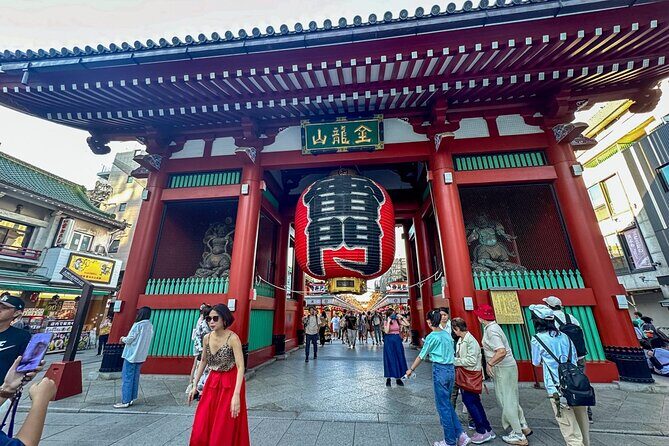
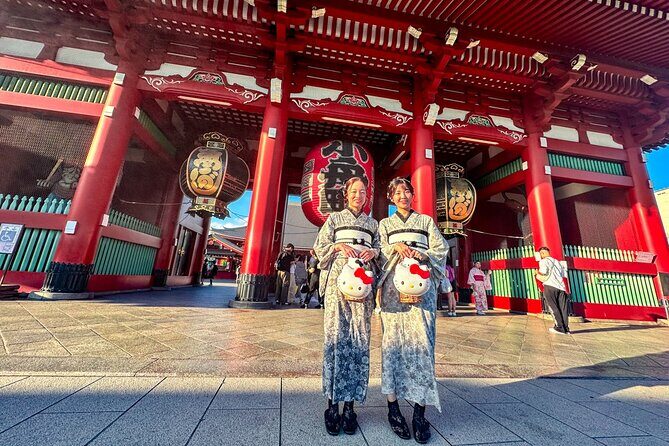
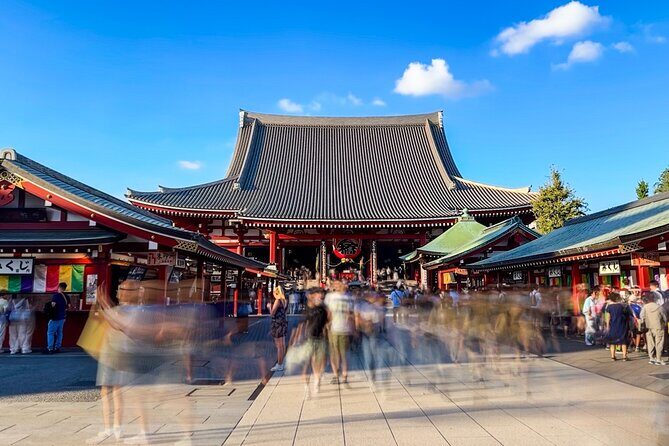
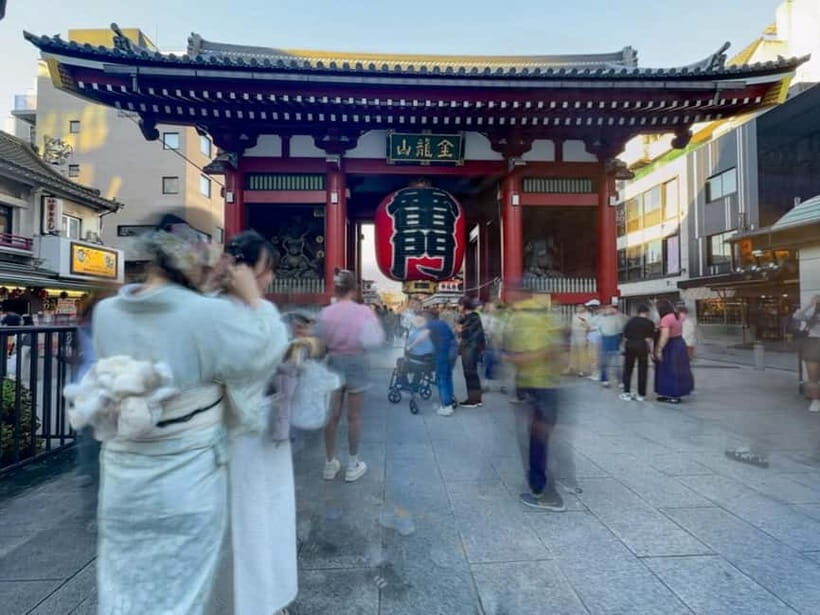
Asakusa is where Tokyo turns historic in a very walkable way. You’ll visit Senso-ji, described as Tokyo’s oldest and most famous Buddhist temple. This is one of the most iconic places to get a feel for traditional Tokyo rhythms.
In Asakusa, the day also includes lunch (if you chose the option) and free time for about 2 hours. That matters because it gives you room to wander beyond the group focus. One reviewer who chose lunch said the meal was delicious and well served, which is a reassuring sign if you don’t want to hunt for food right after temple time.
That said, timing can be tight. Some people wanted more direction at Senso-ji and felt the group didn’t spend enough time there. If you’re the type who loves slow exploration—turning corners, reading plaques, and photographing every gate—consider arriving in Asakusa with a mindset of “I’ll get a feel today,” then plan a second visit later if you want more depth.
Practical tip: this is where your camera will earn its keep. Also, don’t forget your water and sunscreen if you’re going in warmer months.






Tokyo Skytree finale: panoramic city views from the observation deck
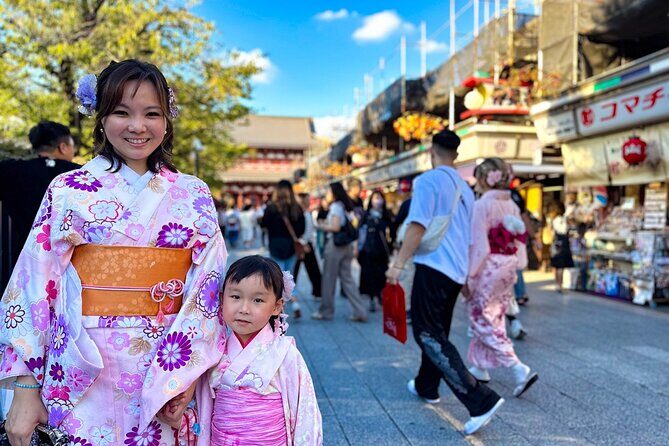
If you select the Skytree option, this is the big visual payoff. The tour ends with drop-off at Tokyo Skytree (and also lists Asakusa as another drop-off location), and you’ll head up to the observation deck for panoramic city views.
Skytree is worth it because it compresses Tokyo’s scale into one viewpoint. You get a way to “read” the city—where neighborhoods sit, how far things stretch, and how Tokyo’s sprawl changes as the skyline rises.
One key detail you must take seriously: the tour info notes that you’ll only be able to enter Skytree if you previously purchased tickets. So even if you select the option, don’t leave your ticket status until the last moment. Have it sorted before you arrive.
This stop also makes the day feel complete. Without Skytree, the rest can lean heavily toward temples and history. With Skytree, you get a clean before-and-after feeling: traditional streets and formal grounds, then a modern skyline view.
Price and value: when $69 makes sense for a first Tokyo day
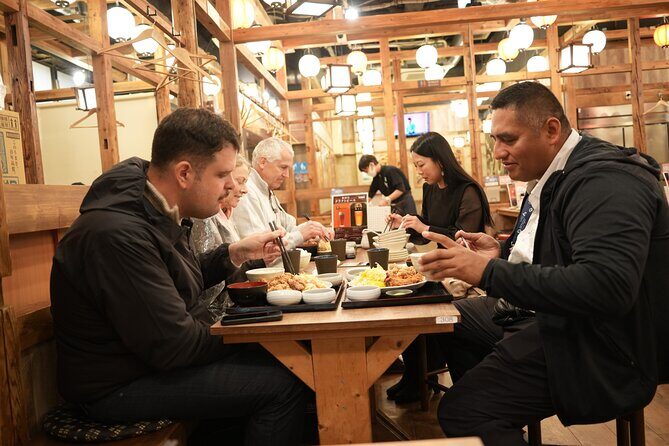
At $69 per person for 7 hours, this tour sits in the “worth it if you want convenience” zone. The included parts are the value engine: a bilingual guide, train tickets for transfers between stops, and Skytree entrance if you choose that option (plus lunch if you selected it).
Here’s how I’d judge value before booking:
- If you want to cover multiple top areas in one day and you don’t want to plan routes, this price can feel fair.
- If you only care about one or two stops, you might pay more than you would by going independently.
- If you hate tight schedules, you might find it feels rushed. Some feedback pointed to shorter stop times than expected, especially for places where you’d naturally want to linger.
One of the best reasons to pay for a guided loop is the guide handling the flow. Multiple reviews highlight guides being organized and attentive to different walking speeds. That’s not just pleasant—it can save you time and stress, especially when you’re bouncing between major districts.
So, I’d call this tour a good fit for first-time Tokyo sightseeing where you want momentum and a clear hit list. If you’re a slow explorer who plans to spend an hour in every temple courtyard, then you’ll likely prefer smaller, more flexible activities.
Pacing, timing, and comfort: how to get through the day without stress
This experience is built around short rides and scheduled stop blocks. The day starts with a tram/train hop, then moves through Shibuya, Meiji, the Imperial Palace area, Akihabara, and Asakusa, before finishing at Skytree.
That means you’ll want to travel light and keep your body ready for walking. Bring:
- Comfortable shoes
- Hat
- Camera
- Sunscreen
- Water
Also, plan for the fact that the tour excludes drinks, so keep that in mind during the day, especially if you’re prone to getting thirsty.
If you’ve never used Tokyo’s transit before, this is another quiet value win. Several guide experiences were praised for being helpful about how to travel around Japan by train, and guides also handled ticketing for the transfers. That reduces the mental load of figuring out systems while you’re trying to enjoy the city.
Small-but-important reality: it’s not wheelchair suitable. The tour notes it isn’t designed for wheelchair users, so if you need step-free access, look for another option.
Should you book this Tokyo highlights tour?
I’d book this if:
- You want a first-Tokyo highlights day with minimal route planning.
- You like contrasts: busy street energy, a peaceful shrine walk, historic palace views, traditional Asakusa, then a sky-high finale.
- You’re okay with a schedule that moves quickly and prioritizes seeing many places over staying long.
I’d skip it (or pair it with a longer standalone plan) if:
- You need lots of time at Senso-ji or want a slow, deep exploration style everywhere.
- You only care about one neighborhood and don’t want to pay for coverage you won’t use.
- You’re sensitive to time compression and expect long stays at each major stop.
If you do book, my biggest advice is simple: treat it like a highlights reel. Then pick one stop—Meiji, Asakusa, or Skytree—and plan a return visit later when you have more time to wander at your own pace.
FAQ
Where do I meet the guide?
Meet your guide next to the Hachiko Statue, at Hachiko Square.
What languages is the tour guide available in?
The live guide is available in English and Spanish.
How long is the tour?
The duration is 7 hours.
What does the price include?
It includes a bilingual guide (English/Spanish), train tickets for transfers, and lunch if you choose the lunch option. Skytree entrance is included only if you select that option.
Is lunch included?
Lunch is included only if you choose the lunch option. It’s described as a traditional Japanese meal at a local restaurant.
Do I need Skytree tickets in advance?
Yes. The tour notes that you can only enter Tokyo Skytree if you have previously purchased tickets.
What time do you have in Asakusa?
In Asakusa you get lunch (if selected) and free time for about 2 hours.
Is the tour wheelchair accessible?
No. The tour is not suitable for wheelchair users.
What should I bring for the day?
Bring comfortable shoes, a hat, a camera, sunscreen, and water. Drinks are not included.