REVIEW · TOKYO
Grand Sumo Tournament Tokyo – Osaka – Nagoya
Book on Viator →Operated by Island Travel Specialists · Bookable on Viator
Sumo sounds simple until you hear it. Then you realize why a tournament like this is so magnetic. This Grand Sumo Tournament option pairs authentic live matches with a setup that keeps the logistics light, from ticket pickup to enjoying the crowd energy in Tokyo, Osaka, or Nagoya.
I especially like the Ryōgoku Kokugikan atmosphere and the way match day shows how Japanese sports fans act in real time. One thing to weigh: the $946 price can feel steep, and sold-out demand can mean the cost doesn’t match the lower printed ticket value you might see elsewhere.
If you want a “get in, get seats, watch the bouts” outing, this is a strong fit. You’ll be in a venue known for serious sumo culture, with cheering that lands like a major league game. The only real drawback is that seat-finding and ticket details can be a little confusing at first, so build in time and use the help available on site if you need it.
In This Review
- Key things I’d plan for before you go
- Ryōgoku Kokugikan: The sumo venue that changes how you watch
- The 4-hour ticket plan: what you’ll actually do
- Your meeting point in Tokyo: get oriented fast
- Inside the arena: how the ritual and crowd work together
- Going early: the unofficial advantage you’ll thank yourself for
- Seat upgrades: what better sections usually change
- Tokyo vs Osaka vs Nagoya: what stays consistent, what shifts
- Price and value: why $946 can still be rational (or not)
- Who this suits best (and who should reconsider)
- What to do when you get there: a simple game plan
- Should you book Grand Sumo Tournament Tokyo–Osaka–Nagoya?
- FAQ
- How long is the sumo tournament experience?
- Where does the Tokyo meeting point start?
- Is admission included?
- Are there upgraded seats available?
- What ticket type will I receive?
- Is transportation included?
- Will I have a tour guide during the event?
- How big is the group?
- When will I get confirmation after booking?
- What is the cancellation policy?
Key things I’d plan for before you go
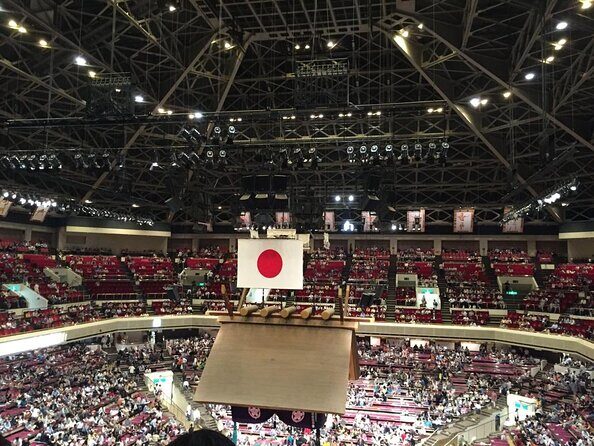
- Ryōgoku Kokugikan match-day energy: expect loud, nonstop crowd involvement once bouts start.
- Ticket-first format (4 hours, paper tickets): you’re there for the tournament, not a long guided lecture.
- Optional seat upgrades: better views cost extra, so decide what you want to prioritize.
- Arrive early if you can: more pre-bout buzz, plus easier seat settling.
- Sold-out pricing reality: your paid amount may be higher than face value because demand is fierce.
Ryōgoku Kokugikan: The sumo venue that changes how you watch
For sumo, the venue matters. Ryōgoku Kokugikan is one of the places where the sport feels most like a national event, not a niche cultural show. You’re stepping into a space built for wrestlers to be seen, heard, and judged by the entire building.
What makes it special is how “routine” moments get attention. Even before the first bout, the atmosphere builds through fan noise, food-stall chatter, and people watching the proceedings with total seriousness. It’s the kind of setting where a few minutes can teach you more than hours of reading.
And that’s the real payoff: sumo isn’t just about strength. It’s about timing, ritual, and the instant shift from ceremony into explosive contact. A tournament here gives you that full rhythm.
You can also read our reviews of more tours and experiences in Tokyo.



The 4-hour ticket plan: what you’ll actually do
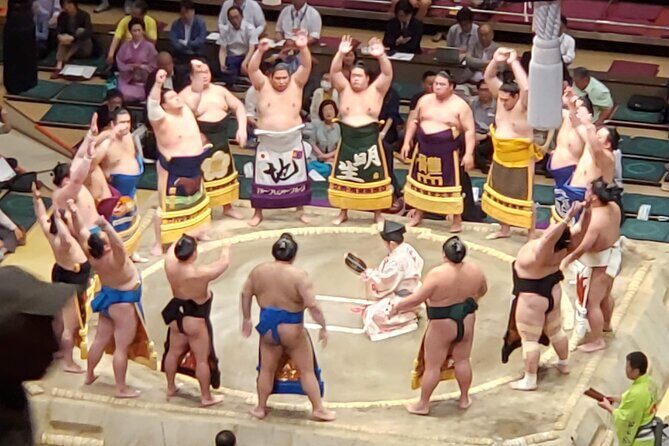
This runs about 4 hours and is set up as a ticket-included outing. The format is simple: you meet near the venue, you get your paper ticket, and then you settle in to watch bouts.
A key detail: it’s a ticket-only event with no tour guide during the match itself. That’s not a bad thing. It just means you’re responsible for your own pace once inside. If you want explanations, you’ll need to look for the short, pre-match help that some groups get from the operator team at the start of the day, then use the rest of the time to watch.
Group size stays small, with a maximum of 20. That matters because big groups can feel chaotic at venues. Smaller groups usually make it easier to regroup quickly if you’re searching for the right section.
Also note what’s not included: transportation isn’t included. You’ll want to map your route to Ryogoku ahead of time so you’re not scrambling when you should be arriving early.
Your meeting point in Tokyo: get oriented fast
In Tokyo, the meeting point is at Ryōgoku Edo Noren, 130-0015 Tokyo, Sumida City, Yokoami, 1-chōme320 1階. It’s a solid choice because it keeps you close to transit and near the venue area, so you can focus on arriving with enough time to settle.
When you arrive, treat the first 20–30 minutes like your warm-up. Eat something from the nearby stalls if you’re hungry, confirm your seat section, and do a quick orientation scan inside so you’re not hunting once bouts start.
One practical tip: several people find seats tricky at first. That’s normal in venues where sections look similar from far away. Staff support is available on site to help locate seats, so if something feels off, ask rather than guessing.
Inside the arena: how the ritual and crowd work together
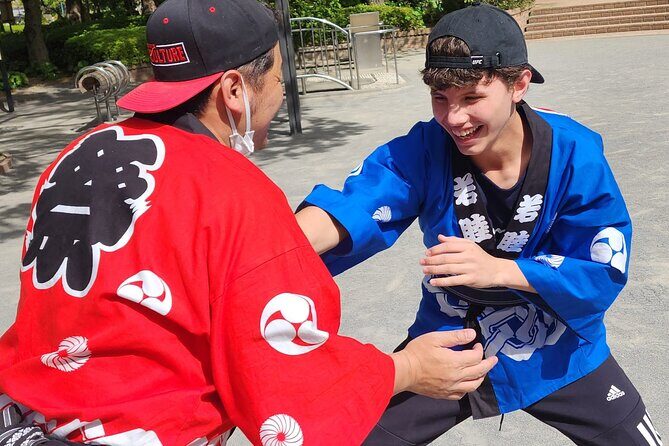
Sumo at a tournament isn’t a calm sport. It’s a social sport inside a serious building. Once the bouts begin, the crowd becomes part of the match, with loud reactions that hit harder when you’re close enough to see faces instead of just the ring.
Here’s what you’ll likely notice as you watch:
- The pre-bout ritual slows the whole mood down before the sudden burst of action.
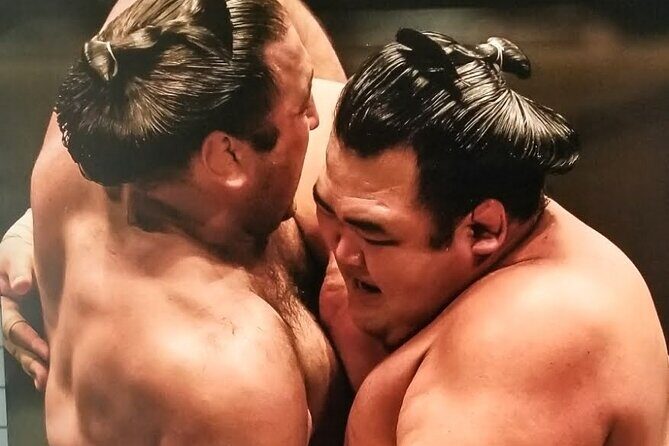
- The bout itself is fast and physical in a way that’s hard to fully grasp from videos.
- After results, the building reacts immediately, and you feel how quickly everyone moves from tension to celebration or disappointment.
The learning curve is part of the fun. You don’t need to memorize everything beforehand. If you pay attention to body language, routine motions, and how the crowd responds when a wrestler wins, you start building an understanding in real time.
And that’s why this is such a good cultural choice: it’s one of Japan’s most well-known sports, but it still feels authentic when you’re watching live.
Going early: the unofficial advantage you’ll thank yourself for
If you can, plan your arrival so you’re not rushing in at the last second. Going early helps in two ways.
First, it makes seat finding easier. Even when you have a ticket, you still need a moment to read your section cues and walk the aisles. Early arrival reduces stress, which matters when you’re about to sit for hours.
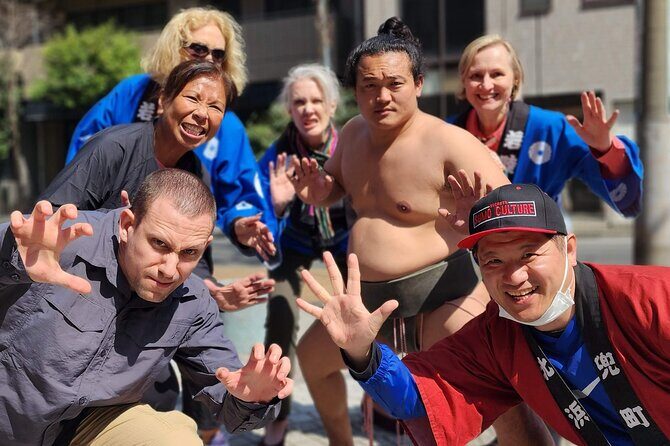
Second, it makes the whole outing more fun. People often mention meeting sumo stars out front and enjoying food stalls as part of the day’s vibe. Even if you’re not following every detail, this is the kind of event where atmosphere becomes entertainment.
If you’re the type who likes to understand what you’re seeing, arriving early gives you time to spot how fans behave—how they cheer, where they gather, and how seriously they watch.






Seat upgrades: what better sections usually change
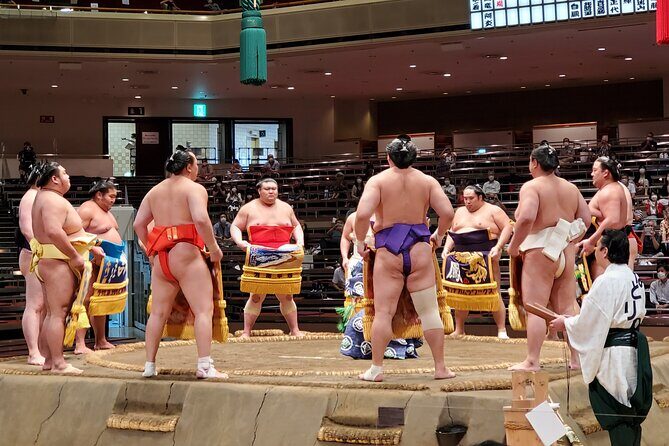
Upgraded seats are available for an additional fee. That matters because sumo is a sport where viewing angles change what you can fully appreciate.
Better seats can mean:
- easier sight lines to the ring and wrestlers during fast moments
- less strain trying to track movement across the dohyo
- a more satisfying view for the ritual portions, not just the action
The trade-off is cost. You’re already paying a premium for access to sold-out tournament demand, so it’s smart to decide what you want most: a lower price with a less ideal view, or a higher price for a closer, clearer experience.
If you’re traveling with anyone who really wants to see everything clearly—especially the kids who will remember the moments most—upgrading tends to feel more worth it.
Tokyo vs Osaka vs Nagoya: what stays consistent, what shifts
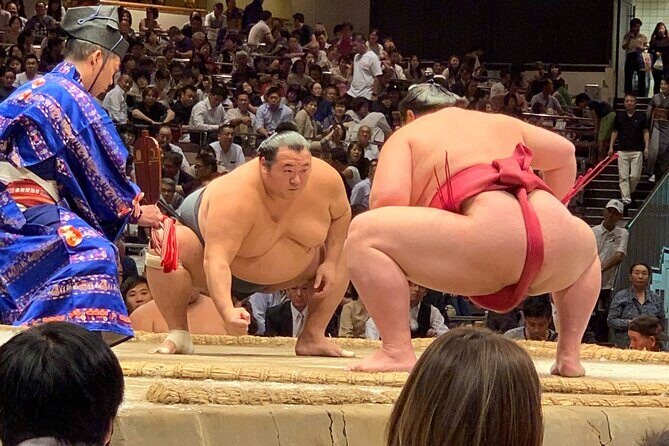
This offering covers Tokyo, Osaka, or Nagoya. Even though the Tokyo details here are centered on Ryōgoku Kokugikan, the core idea stays the same: live sumo, a tournament-day crowd, and tickets handled ahead of time so you don’t face language barriers.
What can change by city:
- the venue layout and how sections line up visually
- how quickly you can find your assigned seats
- the local match-day flow around the arena
If you choose Osaka or Nagoya, keep the same mindset: arrive early, plan extra time for seat confirmation, and be ready for slight differences in how ticket details are presented.
One caution worth repeating: at least one booking had a ticket detail mismatch for an Osaka tournament. You should still assume you may need help at the venue to locate the correct seats. The good news is staff support exists to solve problems, so don’t let uncertainty ruin your morning.
Price and value: why $946 can still be rational (or not)
Let’s talk money honestly. The listed price is $946 per person, and that’s before any seat upgrade fees. For some people, that will feel outrageous compared with face value tickets you might see online.
Here’s the honest value math that helps:
- If the event is sold out, tickets often carry a big markup no matter where you buy.
- You’re paying for guaranteed access rather than the gamble of finding tickets yourself late.
- You also get convenience: tickets secured in advance with a paper ticket and a simple plan with a defined meeting point.
However, value is personal. If you’re comfortable hunting last-minute ticket options, you might find lower prices elsewhere for good seats during less chaotic periods. If you’re not, paying for reliable entry can be worth it.
My practical advice: treat $946 as a “sold-out access fee.” If you go into it expecting face value, you’ll feel burned. If you go into it expecting premium access during a high-demand event, the cost starts to make more sense.
Who this suits best (and who should reconsider)
This works well if you want:
- a front-row cultural sports moment in Japan
- a small-group outing with a clear time window
- live tournament action without dealing with ticket language puzzles
It may not be the best match if:
- you only care about the absolute cheapest ticket possible
- you hate doing any legwork at the venue (seat finding can take a few tries)
- you want a long guided explanation during the match, because the event itself is ticket-only
If you’re a sports fan, even a casual one, you’ll likely enjoy the way the crowd treats each bout. If you’re a culture fan, you’ll enjoy the ritual plus the way fans behave like they’re watching something national and meaningful.
What to do when you get there: a simple game plan
To make your day smoother, I’d use this no-fuss approach:
- arrive early enough to find your section without panic
- check your seat row and section carefully
- do a quick walk-through so you know where bathrooms and exits are
- then settle in and treat the match like a live show: watch the ritual, then watch the collision
If you get stuck, ask. On site staff availability is part of how people end up in the right seat. Don’t waste your best moments trying to decode ticket text alone.
And remember: sumo is fast once the bout begins. Even if you don’t know names, you’ll understand the story through movement and crowd reaction.
Should you book Grand Sumo Tournament Tokyo–Osaka–Nagoya?
Book this if you want guaranteed access to a major Japanese sports event and you’d rather pay for certainty than chase tickets on your own. The small-group setup, paper-ticket simplicity, and the match-day atmosphere around venues like Ryōgoku make it a strong value for people who care about culture but also want their logistics handled.
Skip it or rethink the budget if $946 plus any seat upgrade costs don’t feel comfortable. In that case, you may prefer a lower-cost approach and accept the risk of ticket availability.
If you do book, arrive early, plan for a little seat-finding, and go in expecting a loud, ritual-heavy sporting event that feels very Japanese in the way fans show up for it.
FAQ
How long is the sumo tournament experience?
It runs for about 4 hours.
Where does the Tokyo meeting point start?
The Tokyo meeting point is Ryōgoku Edo NOREN, 130-0015 Tokyo, Sumida City, Yokoami, 1-chōme320 1階.
Is admission included?
Yes, admission is included.
Are there upgraded seats available?
Yes. Upgraded seats are available for an additional fee.
What ticket type will I receive?
You’ll receive a paper ticket.
Is transportation included?
No. Transportation is not included.
Will I have a tour guide during the event?
No tour guide is included for the event itself; this is a ticket-only experience.
How big is the group?
The maximum group size is 20 people.
When will I get confirmation after booking?
You’ll receive confirmation at the time of booking.
What is the cancellation policy?
This experience is non-refundable and cannot be changed for any reason, and the amount paid will not be refunded.