REVIEW · TOKYO
Hands On Wagyu Sushi Making Experience
Book on Viator →Operated by Patia's Japanese Cooking Class · Bookable on Viator
Wagyu makes sushi feel brand-new. I like the small-group size (up to six) and the ingredients-and-equipment-provided setup that keeps things practical and easy. One drawback: there are no vegan or vegetarian options, so this is a meat-focused class.
The schedule is simple: it runs about 1 hour 30 minutes, starts at 12:00 pm, and you’re back at the meeting point after. You’ll cook, then eat lunch based on what you make, which turns the whole session into a real payoff, not a demo-and-go affair.
Hiroko and Saori (two of the instructors you might meet) are part of the reason this class gets such steady praise. English support is available, and the teaching style is hands-on, with staff helping you step by step so you can leave with something you actually know how to repeat.
In This Review
- Key things to know before you go
- Wagyu Sushi in Tokyo: what makes this class different
- The 12:00 pm schedule and meeting point setup (and why it matters)
- Small group teaching with Hiroko and Saori
- What you’ll make: wagyu nigiri, gunkan maki, and temaki
- Shari and meat technique: the part that changes your sushi at home
- Plating for photos, then eating your work
- Price and value in Tokyo terms
- Who this suits best (and who should skip it)
- The practical bottom line: should you book this wagyu class?
- FAQ
- How long is the Hands On Wagyu Sushi Making Experience?
- What time does the class start?
- Where does it take place?
- What’s included in the price?
- Is there hotel pickup or drop-off?
- How big is the group?
- Are vegan or vegetarian options available?
- What sushi styles will I learn to make?
- What’s the cancellation policy?
- What happens if there’s bad weather or not enough people?
Key things to know before you go
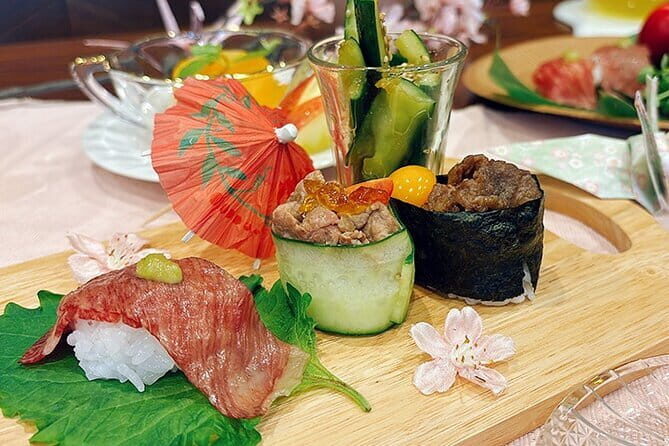
- Wagyu takes center stage: learn nigiri, gunkan maki, and temaki using premium wagyu beef
- Six people max: small class size means more attention at each station
- You don’t bring ingredients: the class provides what you need, plus equipment
- Meat + sushi skills: you learn how to work with wagyu, including cooking it for the dishes
- Plating is part of the lesson: you build “looks-good” presentation, not just flavor
- You get photos later: downloadable photos are included after (during) the experience
Wagyu Sushi in Tokyo: what makes this class different
Tokyo sushi classes usually mean fish, knife skills, and rice technique. This one flips the script with premium wagyu beef, so you get sushi craftsmanship without the fish learning curve. If you love sushi but prefer meat, or you just want a new twist on familiar flavors, this is a fun way to do it.
What I appreciate most is that the class doesn’t ask you to hunt for ingredients or figure out tools. Everything necessary for the lesson is provided, which matters in Tokyo where “one missing item” can derail your whole plan. It’s also built around you creating dishes and then eating them, so the experience stays hands-on from start to finish.
There’s also a clear focus on two skills that often get skipped: how to put the pieces together well (including presentation) and how to work with the wagyu so it actually performs inside sushi. That combination is what turns this from a novelty class into something you can use again later.
You can also read our reviews of more tours and experiences in Tokyo.



The 12:00 pm schedule and meeting point setup (and why it matters)
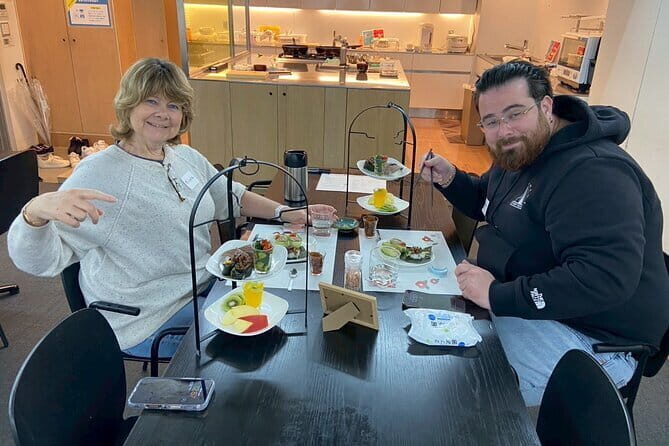
The class starts at 12:00 pm and lasts about 1 hour 30 minutes. That timing is great for an earlier lunch slot, especially if you don’t want to plan the rest of the day around dinner. It also means you’ll likely be eating your creations while they’re fresh and at their best.
The activity ends back at the meeting point, which keeps logistics simple. You’re not signing up for a long tour route, and you don’t have to worry about stitching together public transport plus some remote neighborhood complication.
Two practical notes from the format:
- The meeting area is near public transportation, so you’re not locked into a taxi-only plan.
- There’s no hotel pickup or drop-off, so you’ll want to be ready to get yourself there using your own route.
Small group teaching with Hiroko and Saori
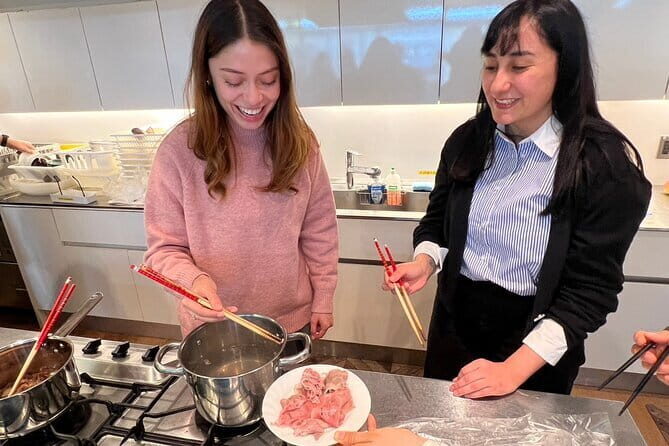
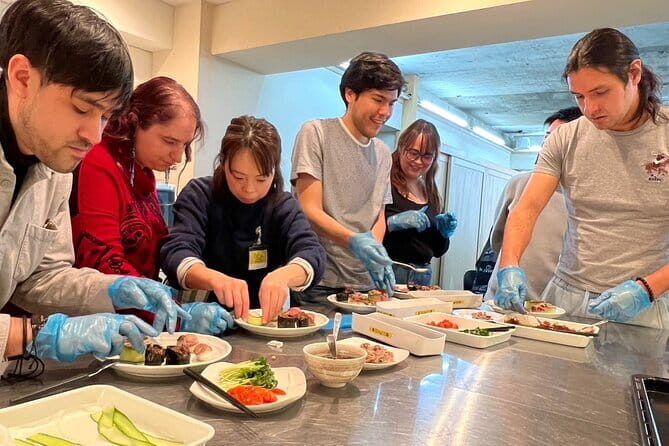
With a maximum of six people, you get the kind of class flow that actually helps. In a bigger group, sushi-making can turn into waiting your turn. Here, you can realistically get feedback as you shape nigiri, build maki, and assemble temaki.
The instruction style is described as friendly and supportive, and English-speaking teaching is part of the appeal. That matters because sushi technique is easier when you understand the logic behind it, not just the steps. And when instructors like Hiroko and Saori are involved, the tone is patient and step-by-step, which helps if your Japanese is limited and you’re learning by doing.
The class is also structured so you learn not only how to make the dishes, but how to plate them. That focus is small but important: you’ll learn how to make the food look right in addition to tasting right.
What you’ll make: wagyu nigiri, gunkan maki, and temaki
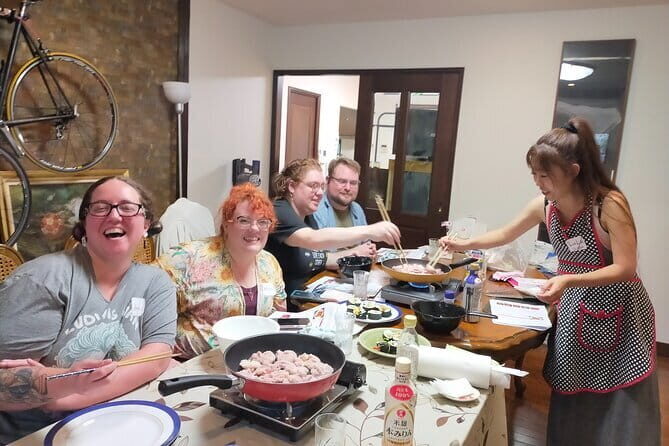
This isn’t a single-dish workshop. You’ll create multiple wagyu sushi styles, including nigiri, gunkan maki, and temaki. That variety helps you understand how sushi format changes everything: the shape, the balance, the bite, and the way fillings and toppings behave.
Nigiri tends to be about clean rice shaping and getting the topping placement right. Gunkan maki asks for a different handling style since it’s built more like a compact cup with toppings. Temaki is more free-form, and it can be forgiving in a good way because you’re assembling the cone and tightening the roll with your hands.
Another detail that makes this class stand out is how it handles the wagyu itself. Reviews specifically mention learning the shari (seasoned sushi rice) and cooking the meat. You’re not just sprinkling a finished ingredient on rice; you’re learning the process that makes wagyu sushi work.
Shari and meat technique: the part that changes your sushi at home
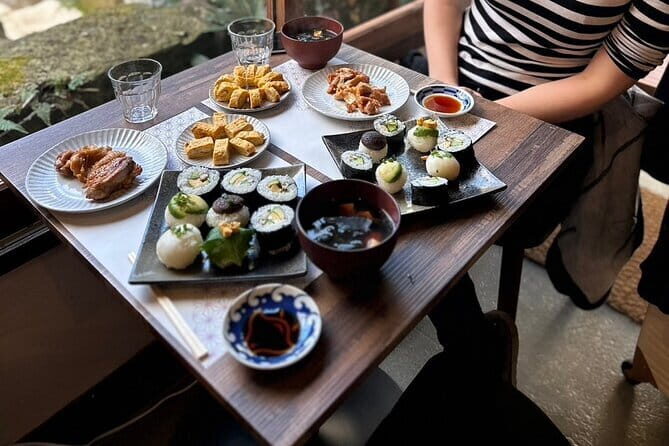
Most sushi instruction focuses on rice, but many classes keep it high-level. Here, shari is part of what you learn, and that’s huge because shari affects everything: texture, taste balance, and how toppings cling. When the seasoned rice is right, your nigiri feels cohesive instead of crumbly or dry.
Then there’s the meat side. Wagyu is rich, and it needs proper cooking so it becomes tasty rather than greasy. If you’re curious about how to handle meat inside sushi without it overpowering the rice, this class is designed for that exact problem.
Even better, the session isn’t only sushi. One participant mentioned making wagyu shabu shabu as well, which suggests the class may include a meat-cooking component beyond just shaping rolls. If that’s the day’s menu, you’ll get extra context for why cooking method matters.






Plating for photos, then eating your work
You’ll learn how to plate your creations so they look like food you’d actually order. That’s not just for photos; it’s also a practical skill. When your dish is built intentionally, the bite is more balanced and the food stays together better.
During the experience, the class includes later-downloadable photographs. That helps because sushi looks best when it’s fresh, and it can be hard to capture without the pieces moving. With photos provided later, you get a record of your plates without turning the lesson into a camera session.
Then you eat lunch. This is one of the biggest value points of the whole experience: you’re not paying for the entertainment of cooking and then leaving hungry. Instead, lunch is included, and you’re eating the results while they’re at peak quality.
Price and value in Tokyo terms
At $104.51 per person, this sits in the midrange for a hands-on cooking class in Tokyo. The value improves when you compare what’s included: ingredients and equipment are provided, lunch is included, and you get later-downloadable photos. That combination reduces hidden costs that can pop up in some classes where you have to supplement ingredients or pay extra for add-ons.
Also, the small group size matters for your money. Up to six people means your instructor can correct technique while you’re actively making the food. If you’ve ever taken a cooking class where you spend most of your time waiting, you’ll know why this is worth paying for.
The only places where value could feel weaker are straightforward:
- If you’re not into meat, this won’t fit your preferences.
- If you’re expecting hotel pickup or a long sightseeing route, it’s not that kind of tour.
Who this suits best (and who should skip it)
This class is a strong match if:
- you like sushi but want something different than fish-based rolls
- you’re comfortable with hands-on cooking and want to learn techniques you can repeat
- you want a small group, English-friendly lesson with enough time to plate and eat
It’s probably not your best pick if:
- you need vegan or vegetarian options (none are available)
- you want to avoid meat-heavy cooking experiences
- you’re looking for a full-day Tokyo tour rather than a focused cooking session
The practical bottom line: should you book this wagyu class?
Book it if you’re craving a hands-on sushi skill upgrade with a meat twist. The combination of small group size, ingredients/equipment provided, and lunch included makes it feel like a complete experience rather than a short demo. I’d also choose it if you’re curious about how shari and wagyu cooking work together, because that’s the real technique payoff.
Skip it if dietary restrictions are part of your plan, or if you hate the idea of cooking with meat. Also skip it if you want hotel pickup or a multi-stop itinerary—this is intentionally focused and local.
If you like the idea of making nigiri, gunkan maki, and temaki with premium wagyu, this is the kind of class that leaves you with edible results and skills you can practice again back home.
FAQ
How long is the Hands On Wagyu Sushi Making Experience?
It runs for about 1 hour 30 minutes.
What time does the class start?
The start time is 12:00 pm.
Where does it take place?
It takes place in Tokyo, Japan, and it ends back at the meeting point.
What’s included in the price?
Lunch and the cooking experience are included, along with later-downloadable photographs during the experience.
Is there hotel pickup or drop-off?
No, hotel pickup and drop-off are not included.
How big is the group?
It’s a small-group class with a maximum of six travelers.
Are vegan or vegetarian options available?
No, vegan and vegetarian options are not available.
What sushi styles will I learn to make?
You’ll learn to create nigiri, gunkan maki, and temaki.
What’s the cancellation policy?
You can cancel for free up to 24 hours in advance for a full refund. If you cancel less than 24 hours before the start time, the amount paid is not refunded.
What happens if there’s bad weather or not enough people?
The experience requires good weather. If it’s canceled due to poor weather, you’ll be offered a different date or a full refund. There’s also a minimum of 2 people per booking; if that minimum isn’t met, you’ll be offered a different date/experience or a full refund.