REVIEW · OSAKA
Hiroshima and Miyajima 1 Day Private Tour from Kyoto or Osaka
Book on Viator →Operated by H.I.S.Co., Ltd. · Bookable on Viator
Hiroshima and Miyajima hit hard, fast. This private English-guided day trip links two very different sides of Japan: Miyajima’s iconic torii-at-high-tide moment and Hiroshima’s Peace Memorial Park and Peace Museum. You also get the convenience of round-trip Shinkansen from Kyoto or Shin-Osaka plus a smooth ferry crossing to Miyajima, which matters when you only have one day.
Two things I really like: first, the tour is built around real logistics (train, ferry, and local transit), so you spend less time figuring it out and more time actually seeing places. Second, the private guide format is ideal here because these sites benefit from context—especially the museum and memorial grounds.
One possible drawback: it’s a long 11–12 hour day, and it comes with a serious amount of transit time. If you hate early starts and nonstop movement, you may want to give Hiroshima its own overnight instead.
In This Review
- Key highlights you’ll feel right away
- Price and logistics: what you’re paying for
- The day’s backbone: Shinkansen, timing, and keeping your energy
- Miyajima’s Itsukushima Shrine: the water shrine effect you came for
- Hiroshima Peace Memorial Park: what you’ll see and how to be ready
- The Hiroshima Peace Memorial Museum: included entry, heavy content
- Getting around Hiroshima: public transport vs private car plan
- What makes the private guide format worth it
- Customization, skipping stops, and knowing the limits
- Who this tour is best for (and who should rethink it)
- Weather matters: why your day depends on the sky
- Should you book this Hiroshima and Miyajima private tour?
- FAQ
- How long is the Hiroshima and Miyajima private tour?
- Where does the tour start from?
- What’s included in the price?
- Are admission tickets included?
- Are meals included?
- Can I customize the schedule?
- Is this tour private or shared with other people?
- What if the weather is bad?
- What is the cancellation policy?
- When will I get confirmation after booking?
Key highlights you’ll feel right away
- Private English guide who can explain what you’re seeing, not just name it
- Shinkansen round-trip from Kyoto/Shin-Osaka to Hiroshima, plus ferry to Miyajima
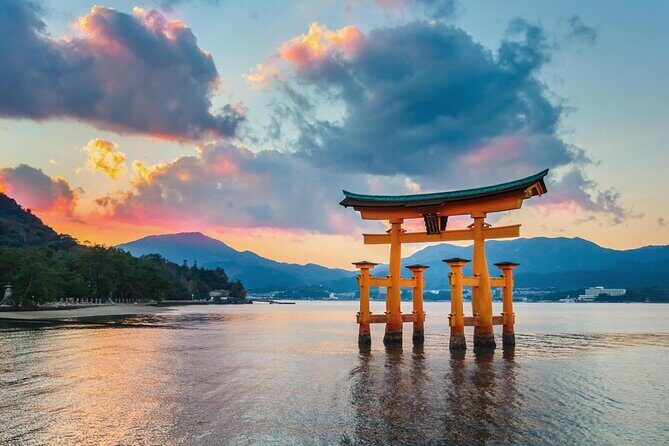
- Itsukushima Shrine over water, tied to Miyajima’s “shrine island” nickname
- Peace Memorial Museum and memorial park area that many people find emotionally powerful
- Choice of public transport plan or private car in Hiroshima city
- Built-in flexibility to customize stops (with limits and possible added ticket/transport costs)
Price and logistics: what you’re paying for
At $543.89 per person, this isn’t a budget day trip. But it’s also not just “a guide plus tickets.” The value is in the setup: round-trip Shinkansen, a private English guide, and key transport links inside Hiroshima and to Miyajima. If you tried to do this alone with limited time, you’d quickly feel the pinch—train planning, ferry timing, getting across the city, then back again.
This price also reflects the private format. With a group tour you might wait your turn, follow a script, and accept long gaps while others catch up. In a private setting, you’re more likely to move in a clean line through major stops—especially important on days when you’re fitting Miyajima + Hiroshima into one schedule.
Two practical notes from the details you get:
- Pickup is offered, which can reduce the stress of meeting a train station with luggage and a clock running.
- It’s typically booked about 78 days in advance on average, so don’t wait until the last minute if you have fixed travel dates.
You can also read our reviews of more private tours in Osaka
The day’s backbone: Shinkansen, timing, and keeping your energy
Most of your day’s “flow” comes from the bullet train ride from Kyoto/Shin-Osaka to Hiroshima. Since the tour duration is about 11–12 hours, that means the train schedules and your on-the-ground connections matter a lot.
Here’s how I’d approach it so you don’t feel wrecked:
- Treat the transit as part of the tour, not dead time. You’ll get fewer opportunities to sit and rest once you’re on Miyajima and then in Hiroshima’s memorial area.
- Bring a light layer. Trains and stations can swing in temperature.
- Plan for food in a simple way: meals aren’t included, so you’ll want a plan for where you’ll eat during breaks or after the day ends.
The big advantage of having the train tickets included is that you don’t need to keep rechecking which exact ticket type or seat setup you chose. You can focus on being ready when it’s time to move.
Miyajima’s Itsukushima Shrine: the water shrine effect you came for
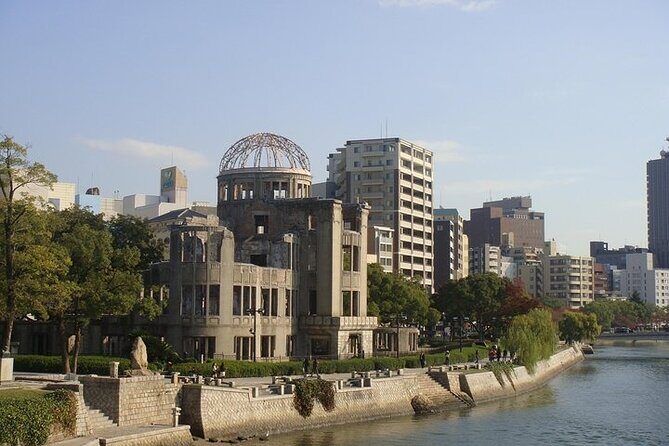
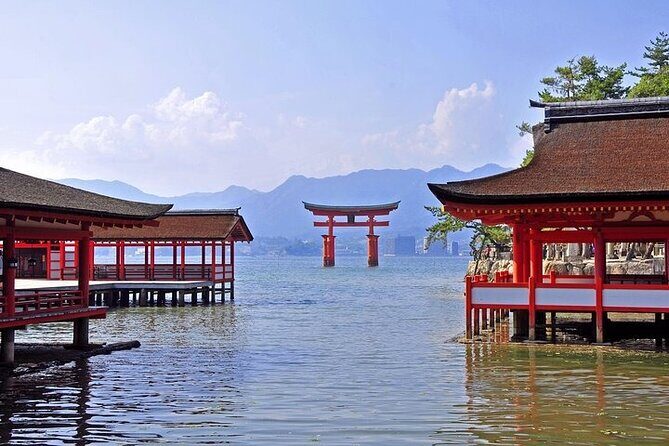
Miyajima is officially called Itsukushima, and it’s easy to see why the name sticks. The island is known for its famous giant torii gate that looks like it floats at high tide, and the shrine’s main structures are also built over water. That combination—torii + water + shrine buildings—is what makes Miyajima feel different from other temple trips.
At Itsukushima Shrine, you’ll get about one hour, and that time is usually best spent with a purpose:
- Walk in to orient yourself, then look for sightlines that show the shrine buildings in relation to the water.
- Take your photos early, because after you get moving, it’s hard to stop and rebuild your composition without losing time.
- Watch for the mood shift: Miyajima can feel scenic and postcard-ready, but it’s also a real working religious site—so keep your voice down and move with respect.
One important reality check: the floating effect depends on tides. The tour is built around Miyajima as the headline, but the data doesn’t guarantee tide timing. If you’re chasing the floating torii look, understand that nature runs the show.
Hiroshima Peace Memorial Park: what you’ll see and how to be ready
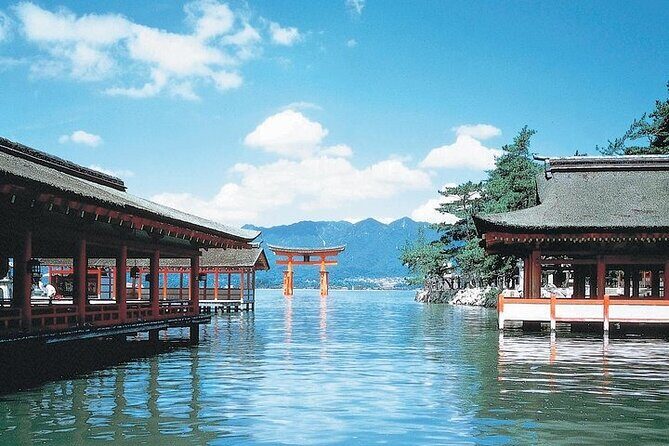
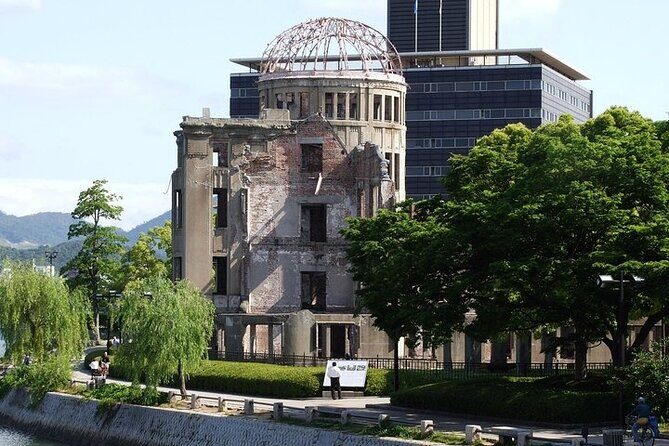
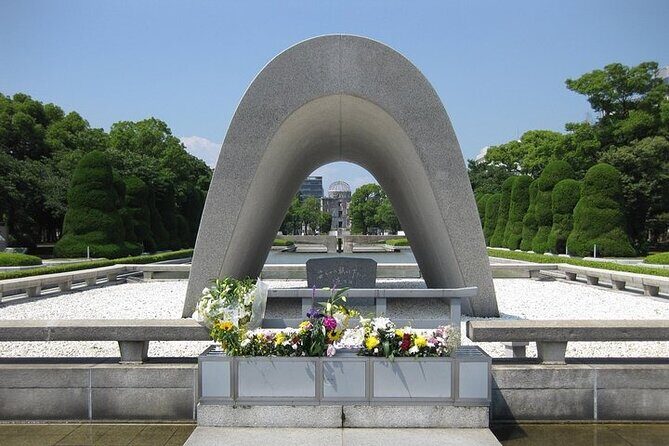
Hiroshima’s Peace Memorial Park is one of the city’s most prominent areas, and it’s also where the emotional weight of the day becomes unavoidable. The park is tied to the events of August 6, 1945, when the first atomic bomb was dropped on Hiroshima. The area is designed as a place for remembrance and a focus for prayers for world peace.
Even if you came for the history, you’ll likely notice how the park layout shapes your pace. You’re not just walking past landmarks—you’re moving through a carefully constructed space that encourages reflection. That’s where a private guide can matter a lot. A good guide helps you connect names, dates, and what each site is trying to say, so you don’t just skim the surface.
Admission to the next stop is included, and that makes the sequence feel coherent: park first, museum second. It’s a strong arc, but it’s also intense. If you’re sensitive to heavy topics, plan your energy accordingly:
- Go in knowing it may feel difficult.
- Don’t rush your eyes. Reading the museum materials takes time.
- If you need a reset, take short pauses outside the most crowded indoor areas.
The Hiroshima Peace Memorial Museum: included entry, heavy content
The Hiroshima Peace Memorial Museum is the largest of the city’s atomic bomb-related sites, and it opened in 1955. The museum is also associated with architect Tange Kenzo, and it has a clear goal: to document the bombing and its aftermath in a way that supports remembrance and education.
You’ll have about one hour with admission included. For many people, that hour becomes the most emotionally draining part of the day, simply because the materials are direct and specific. If you want this to feel meaningful (instead of just overwhelming), I suggest you:
- Pick a few sections to focus on rather than trying to absorb everything.
- Let the information land, then move on before your brain switches off from overload.
- Ask your guide for context about what you’re seeing, but still let yourself sit with the exhibits at your own pace.
This is also where efficiency helps. In a private setup, you’re less likely to get dragged along at the pace of a larger group. That can mean you spend your time on what matters to you, not what someone else finishes first.
A few more Osaka tours and experiences worth a look
Getting around Hiroshima: public transport vs private car plan
Once you’re in Hiroshima city, you’re not stuck with only one way of moving. The tour includes transportation inside the city based on your plan choice:
- A public transport plan, where transport at Hiroshima city is included.
- A private car plan, where you get a private car in Hiroshima city.
Both options can be worthwhile, and your best choice depends on your travel style:
- If you enjoy moving like a local and you don’t mind stairs, platforms, and schedules, the public transport plan can feel efficient.
- If you’re traveling with mobility constraints or you simply want fewer moving parts while handling a heavy itinerary day, the private car plan can reduce stress.
The key point: having either option packaged means you won’t spend your limited hours hunting the right route across multiple systems.
What makes the private guide format worth it
The best praise in the details you have isn’t just about speed. It’s about how guides manage the day. Names that come up include Yumi, Taka, Sachiko, Yuko, Kaoru, Yosh, Hiromi, and Sachi. People specifically noted help with efficient navigation during the day—especially the mix of train, subway, ferry, and bus movements.
That matters because Hiroshima + Miyajima isn’t one place. It’s two places with different rhythms. Miyajima rewards time and walking. Hiroshima’s memorial sites reward attention and context. A private guide is what connects those two modes so the transition doesn’t feel jarring.
It also helps with small but practical things:
- Photo help and quick positioning tips.
- Clear explanations that keep you from feeling lost in a museum.
- Flexible adjustments if you want to tweak the flow.
The tour even notes you can customize it as you like, and that your guide can help if you want schedule changes on the tour day.
Customization, skipping stops, and knowing the limits
Flexibility is useful, but it comes with rules. The details you have say you can:
- Skip a spot you don’t go to, but there’s no refund for fees in that case.
- Change it with another place, if the guide can work it in.
- Add new spots by request, but you’ll pay ticket fees on the spot, and there may be extra transportation costs.
So my advice is simple: if you’re considering changes, do it for priorities, not for random curiosity. On a schedule this packed, every swap costs time and coordination.
Also, note the tour doesn’t include meals and doesn’t include gratuities for guide and driver. Even if you love the tour, you’ll want to budget for food and the human factor at the end.
Who this tour is best for (and who should rethink it)
This is a strong fit if:
- You’re seeing Japan for the first time and want major sights without months of research.
- You’re short on time in the Kyoto/Osaka area but still want a one-day hit to Hiroshima and Miyajima.
- You want a guide who can make the museum and memorial sites feel understandable and not like a confusing checklist.
It may be less ideal if:
- You already know you’ll struggle with emotionally heavy content and you prefer a slower pace.
- You hate long travel days or you dislike switching transport modes repeatedly.
- You want lots of free time to explore Hiroshima beyond the main memorial sites. One of the cautions that comes up is that the day can feel travel-heavy, and you may wish you had more time in Hiroshima itself.
If you’re thinking about an alternative, the most logical one is staying overnight in Hiroshima. But if your schedule doesn’t allow it, this private setup is one of the most sensible ways to compress the trip.
Weather matters: why your day depends on the sky
This experience requires good weather, which makes sense for Miyajima. If it’s canceled due to poor weather, you’ll be offered a different date or a full refund. Since the torii and shrine sit over water, weather can quickly affect both comfort and how enjoyable the walking parts feel.
So if your dates are flexible, choose days with better forecasts when you can. If you’re set on specific travel dates, keep your expectations realistic about tide and weather.
Should you book this Hiroshima and Miyajima private tour?
I’d book it if you want one well-organized day that covers the headline sights—Miyajima’s Itsukushima Shrine and Hiroshima’s Peace Memorial Park + Peace Memorial Museum—with an English-speaking private guide doing the hard work of logistics and context. The included Shinkansen and the option for a private car plan in Hiroshima make it a lot less chaotic than self-planning.
I’d think twice if you’re sensitive to long travel days, or if you know you’ll want more time in Hiroshima to wander streets, eat slowly, and decompress after the museum. In that case, an overnight in Hiroshima often feels kinder to your nervous system.
If you do book, my best advice is to go in with a plan for your own pacing: give yourself permission to pause at the memorial sites, keep your expectations reasonable about how much you can absorb in one hour at the museum, and treat the transit time as the cost of saving a trip. You’ll come away with two powerful experiences in one clean, guided package.
FAQ
How long is the Hiroshima and Miyajima private tour?
The tour runs about 11 to 12 hours.
Where does the tour start from?
It’s designed for pickup from Kyoto or Osaka, with round-trip Shinkansen to Hiroshima.
What’s included in the price?
You get round-trip bullet train tickets (Kyoto/Shin-Osaka ⇔ Hiroshima), ferry fees from Hiroshima to Miyajima, a private English guide, and local transportation at Hiroshima if you choose the public transport plan. If you choose the private car plan, a private car is included in Hiroshima city.
Are admission tickets included?
Yes. Admission tickets are included for Itsukushima Shrine and the Hiroshima Peace Memorial Museum.
Are meals included?
No. Meals are not included.
Can I customize the schedule?
Yes. You can customize it. You can also skip a spot (but there’s no refund of fees), or add new stops by request, paying any extra ticket and transportation costs on the spot.
Is this tour private or shared with other people?
This is private. Only your group participates.
What if the weather is bad?
The experience requires good weather. If it’s canceled due to poor weather, you’ll be offered a different date or a full refund.
What is the cancellation policy?
This experience is non-refundable and cannot be changed for any reason.
When will I get confirmation after booking?
Confirmation is received within 48 hours of booking, subject to availability.