REVIEW · OSAKA
Hiroshima Private Guided Tour from Osaka or Kyoto
Book on Viator →Operated by Nara Guide · Bookable on Viator
Two islands, one unforgettable lesson.
This one-day Hiroshima Private Guided Tour from Osaka or Kyoto pairs the Atomic Bomb Dome and Peace Memorial area with a calmer day on Miyajima. I especially like how the guide frames what you’re seeing with Japanese history, and then helps you shift gears to Itsukushima Shrine’s famous torii on the sea and the chance to meet shika deer on the island. One consideration: the Peace Memorial Museum is moving, and one review even wished there was a bit more time inside.
You start early (8:00am) and spend the day moving—shinkansen and public transit to Hiroshima, then walking and ferry time to Miyajima. You’ll also want to plan for extra paid admission and local transport costs on top of the tour price.
If you want a thoughtful day that mixes reflection, nature, and iconic scenery, this is a good fit. If you hate long travel days or you want lots of free time to wander alone, you might find the schedule a bit tight.
In This Review
- Key highlights you’ll feel right away
- How this one-day Hiroshima and Miyajima plan actually works
- Hiroshima Station to the Dome: starting with context, not just sightseeing
- Peace Memorial Park: walking between the Dome and the museum
- Pacing tip that helps
- Peace Memorial Museum: what to expect and how to get the most
- Shinkansen-to-Miyajima: switching from city to sea air
- Itsukushima Shrine and the torii on the sea: the moment everyone talks about
- Omotesando for lunch and Omoto Park for deer
- Price and value: what you’re paying for, and what can add up
- Timing and walking: a moderate day with some “stick to it” moments
- Who should book this Hiroshima and Miyajima private tour
- Should you book it?
- FAQ
- How long is the Hiroshima Private Guided Tour from Osaka or Kyoto?
- Is this tour private or shared?
- What are the main stops on the itinerary?
- Are the Peace Memorial Museum and Itsukushima Shrine tickets included?
- Where does the tour start and what time?
- What’s the cancellation window?
Key highlights you’ll feel right away
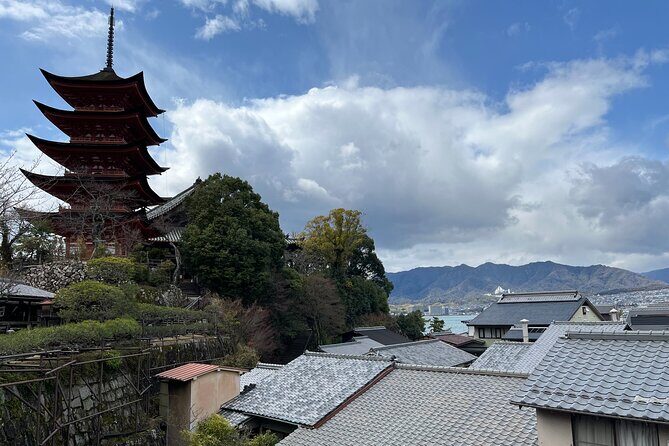
- Private guide, private pace: only your group, plus the guide keeps the day logical and smooth.
- Atomic Bomb Dome pass-by + meaning: you don’t just look—you’re pointed to what matters.
- Peace Park walk and museum time: enough time to see the story line, not just the main sights.
- Miyajima torii timing: you can walk to the torii at low tide, or view it from shore at high tide.
- Shika deer encounter: Omoto Park is built for meeting them up close.
- Two major regions in one day: Hiroshima for reflection, Miyajima for shrine-and-sea calm.
How this one-day Hiroshima and Miyajima plan actually works
This tour is built for people who want the big hits without spending multiple nights. You’re looking at a full day—about 9 hours—that starts with getting to Hiroshima from Osaka or Kyoto (by shinkansen and public transport), then continues to Miyajima by ferry. Once you’re in Hiroshima, the day is organized around walking distance between key sites, so you can spend your energy where it counts.
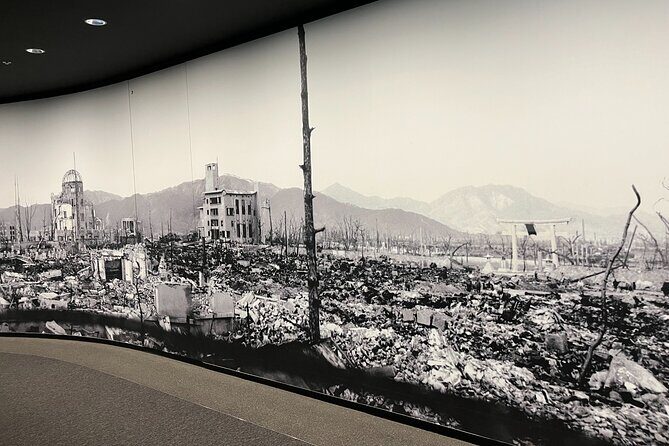
The biggest strength is the “switch” built into the itinerary. Hiroshima is heavy: the Genbaku (Atomic Bomb) Dome is a surviving structure, and the Peace Memorial area encourages quiet attention. Then Miyajima pulls you into a totally different rhythm—shrines, sea views, and deer roaming around parks. That contrast is not random. It’s a practical way to handle the emotional weight of Hiroshima without the day ending in a blur.
The private format matters too. When it’s just your group, you can ask more direct questions, and you’re less likely to feel rushed by a big bus crowd.
You can also read our reviews of more guided tours in Osaka

Hiroshima Station to the Dome: starting with context, not just sightseeing
Your meeting point is Hiroshima Station (1–2 gate area, bus stop 37, Matsubarachō, Minami Ward) at 8:00am. From there, the tour focuses on the Hiroshima sights that people come for, but it also keeps the pacing respectful.
Stop 1 is the Atomic Bomb Dome. You don’t go far—you pass by and take time to reflect. That matters because this isn’t a place where “quick photos” feel appropriate. The guide helps you understand what you’re seeing: a building left partially standing after the August 6, 1945 atomic bombing. Even if you already know the basics, having someone connect the physical site to the human impact makes the visit land differently.
What I like here is the structure. Instead of starting with the museum, the day begins at the landmark itself. It sets the tone and helps you make sense of the rest of the program when you get to the Peace Memorial Park.
Peace Memorial Park: walking between the Dome and the museum
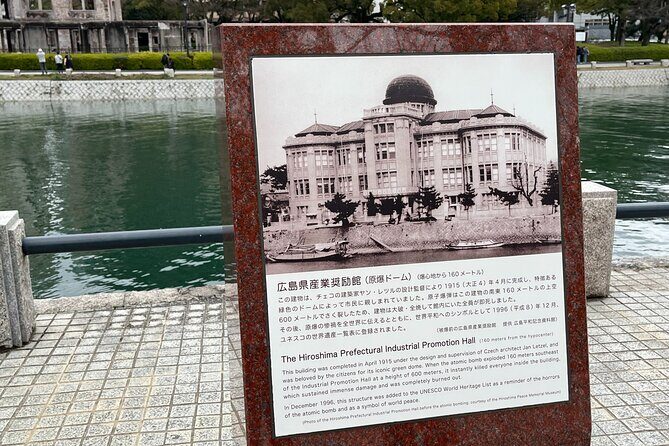
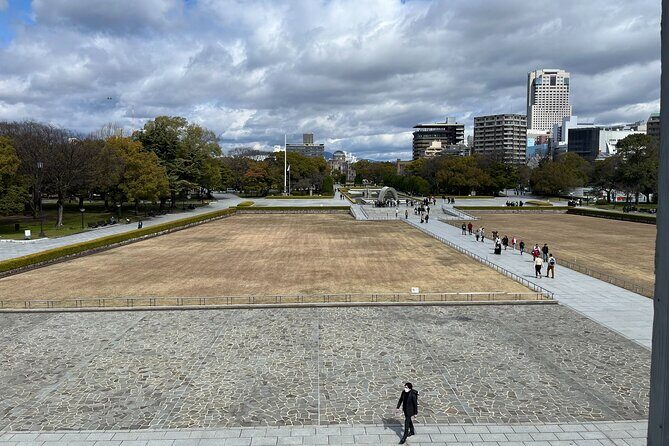
Stop 2 is Hiroshima Peace Memorial Park, where you walk between the Atomic Bomb Dome and the Peace Memorial Museum. The park layout gives you breathing room. You’re not stuck in a single room; you’re moving through an outdoor space designed to hold remembrance.
Stop 3 is the Peace Memorial Museum. Your museum time is listed at 2 hours, and the museum ticket is not included (¥300 per person). This is the part that tends to affect people most. In the same way you can’t “speed run” a memorial, you’ll probably feel you’re moving at a slower emotional pace. One review specifically called it very sad and moving, so plan your energy accordingly.
Pacing tip that helps
If you’re prone to rushing, you might want to go in with a small goal—like finding the sections that explain what happened on the day of the bombing and the aftermath. Two hours can be enough, but only if you don’t get stuck reading every single label like it’s a textbook.
Peace Memorial Museum: what to expect and how to get the most
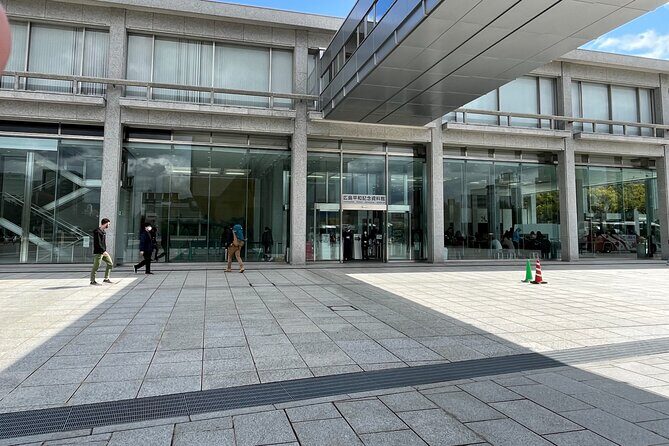
The museum is where the story becomes specific: what led to the bombing, what happened in Hiroshima, and what the world has tried to learn since. It’s also where the tour’s “expert guide” aspect really pays off, since the guide can point out themes and connections instead of making you hunt for them.
The museum ticket isn’t included in the base package, so you’ll likely need to pay it separately. It’s only ¥300, but I’m bringing it up because money details affect how prepared you feel. If you like to be ready, have cash or a plan for ticket purchase before you arrive at the museum.
Here’s the main practical consideration: 2 hours can feel like a lot or like not enough, depending on your reading style and how emotionally affected you get. One review asked for more time at the museum, which matches what I’d expect for a place this powerful. If you’re the type who needs more time to process, you may wish you had a half-day rather than one day. If you’re okay with a structured visit and want the best balance with Miyajima, 2 hours usually works.
You can also read our reviews of more private tours in Osaka
Shinkansen-to-Miyajima: switching from city to sea air
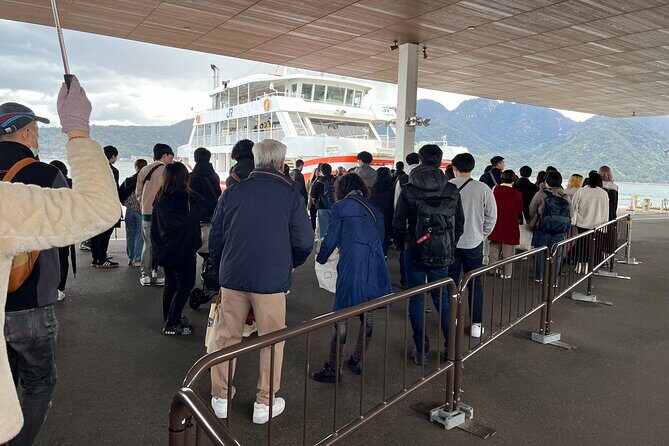
After Hiroshima, you take the ferry toward Miyajima. Stop 4 is the Miyajima Matsudai Kisen Tourist Ship ferry, about 1 hour. The ferry ticket isn’t included. During this crossing, you get a real break from the museum weight—Seto Inland Sea views take over.
This part matters because Miyajima is a different kind of “iconic.” Hiroshima is about evidence and memory. Miyajima is about shrine traditions, tide timing, and the island’s natural atmosphere. The ferry sets you up for that shift. You’ll also get a bit of time to reset before walking up to the shrine area.
Even if you’re not a “sea person,” you’ll appreciate the simple fact that you’re traveling through scenery that feels different from the train window.
Itsukushima Shrine and the torii on the sea: the moment everyone talks about
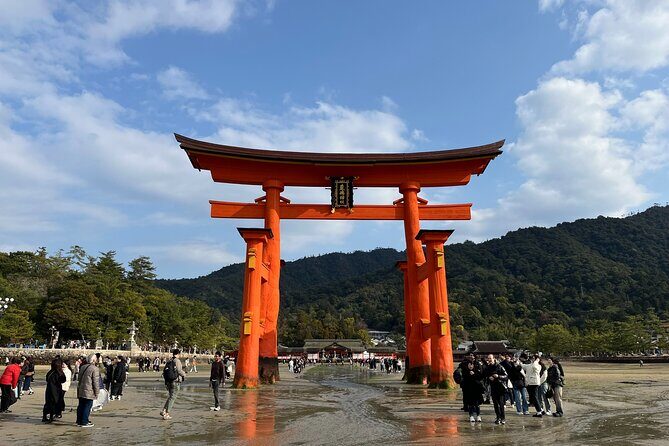
Stop 6 is Itsukushima Shrine, and stop 7 is the Itsukushima Shrine Torii area. This is the heart of Miyajima.
- The shrine visit is listed at 1 hour, and the shrine admission is not included (¥300 per person).
- The torii viewing experience depends on the tide.
- If it’s low tide, you walk to the torii.
- If it’s high tide, you admire from the shore.
This is one of those details that sounds small until you’re standing there. It also changes your photos and your sense of how close you are to the landmark. If you’re the type who wants the full “walk-to-the-torii” experience, arriving in the right tide window is crucial—and this tour explicitly plans around it rather than pretending tide doesn’t matter.
In the shrine area, the tour guide adds context about the religion and history. That helps you understand why the architecture and the water setting are so iconic. Without that context, it can feel like you’re just looking at a beautiful gate. With context, you can see it as a living symbol shaped by place and belief.
Omotesando for lunch and Omoto Park for deer
Stop 5 is Miyajima Omotesando Shopping Street, with 1 hour for lunch. There’s no specific meal included in the details, but the tour says lunch fees are included in the overall package structure. Practically, you’ll want to use this hour to eat without overthinking it. Omotesando is set up for exactly this kind of quick, scenic break: snacks, simple meals, and a walkable street that keeps you close to the next stop.
Then comes stop 8: Omoto Park. This is your best chance for shika deer. The tour lists 1 hour here and frames it as the time to meet deer and interact. This is where Miyajima becomes more playful. In a day that starts with heavy history, it’s a natural emotional release.
Practical note: deer are wild animals, even when they’re used to people. Keep your movements calm and follow what your guide suggests so everyone stays safe and respectful.
Price and value: what you’re paying for, and what can add up
The tour price is $373.96 per person, booked on average about 103 days in advance. It’s also described as offering group discounts and a mobile ticket.
What’s included is listed as guide fees, including the guide’s transport and entrance and lunch fees. What’s not included includes:
- Peace Memorial Museum ¥300 per person
- Itsukushima Shrine ¥300 per person
- Transports in Hiroshima Prefecture ¥3,500 per person
- Public transportation ¥24,000 per person
That list is where you need to pay attention. The base price alone can look fair for a one-day private guided plan, especially with Hiroshima and Miyajima in the mix. But the extra line items can make the overall spend feel bigger than people expect, depending on exactly what you personally pay for those “public transportation” costs.
Here’s how I’d judge value for this specific itinerary:
- If you hate planning shinkansen schedules, coordinating ferry timing, and figuring out which ticket goes where, paying for a guide saves real stress.
- If you want a guide to explain what you’re seeing at the Peace Memorial sites (instead of being left to figure it out yourself), the “private” part has real value.
- If you’re traveling as a couple or small group, the private setup can feel like a bargain compared with doing Hiroshima + Miyajima separately.
If you’re the type who enjoys planning transit and self-guiding, you might find you can do this cheaper on your own. But if you want the day to feel thoughtful and organized—especially for Hiroshima—the price can make sense.
Timing and walking: a moderate day with some “stick to it” moments
The tour is about 9 hours long and is described as requiring a moderate physical fitness level. You should be ready for:
- Walking through Peace Memorial Park
- Walking between Hiroshima sites on foot
- Getting to and moving around Miyajima’s shrine and torii area
- A ferry ride plus continued walking through parks and shopping streets
It’s not an intense hike, but it’s also not a sit-down-and-look-around day. Comfortable shoes matter. Also, bring a layer—morning and seaside conditions can vary, and you’ll be outdoors for parts of Hiroshima and almost all of Miyajima.
Who should book this Hiroshima and Miyajima private tour
This fits best if you:
- Want a structured, one-day itinerary that covers Hiroshima’s major memorial sites and Miyajima’s top highlights
- Appreciate a Japanese history guide who can explain what you’re seeing
- Like a day that starts sobering and ends with sea views, shrine architecture, and deer in the park
It may not fit if you:
- Want lots of slow time inside the museum or want to linger without a schedule
- Prefer to avoid additional paid tickets and local transport charges
- Get overwhelmed by long travel days starting from Osaka or Kyoto
If you’re flexible and okay with a full itinerary, you’ll get a strong mix of meaning and beauty without having to plan every step.
Should you book it?
I’d book this if you’re trying to make Hiroshima and Miyajima happen in one shot and you value interpretation—especially for the Peace Memorial Museum area. The Hiroshima-to-Miyajima pairing is smart, because it avoids a day ending only on heavy emotion. The Miyajima portion also gives you a clear set of “must-see” moments: Itsukushima Shrine, the torii with tide-dependent access, and Omoto Park deer time.
Skip it if your priority is maximum museum time or unstructured wandering. In that case, you’ll likely feel the schedule pushing you along. But for most people who want the essentials done well—with a guide handling the big-picture context—this private day trip is a solid, efficient choice.
FAQ
How long is the Hiroshima Private Guided Tour from Osaka or Kyoto?
The tour runs for about 9 hours.
Is this tour private or shared?
This is a private tour/activity. Only your group will participate.
What are the main stops on the itinerary?
You’ll visit the Atomic Bomb Dome, Peace Memorial Park, Peace Memorial Museum, take a ferry to Miyajima, stroll Miyajima Omotesando Shopping Street, visit Itsukushima Shrine and the torii, and spend time at Omoto Park.
Are the Peace Memorial Museum and Itsukushima Shrine tickets included?
No. The Peace Memorial Museum costs ¥300 per person, and Itsukushima Shrine costs ¥300 per person, and those are listed as not included.
Where does the tour start and what time?
You meet at Hiroshima Station (1–2番37号 Matsubarachō, Minami Ward, Hiroshima) at 8:00am.
What’s the cancellation window?
You can cancel for a full refund up to 24 hours in advance of the experience’s start time.