REVIEW · HIROSHIMA
Hiroshima Saijo Sake Tasting Calligraphy and Dinner Private Tour
Book on Viator →Operated by みちしるべ · Bookable on Viator
Sake culture, with ink on your hands. This Hiroshima Saijo tour mixes brewery visits, a shrine tied to sake, and a hands-on calligraphy session at Sanyotsuru using the same spring water style used in brewing. I especially like the mix of tasting experiences across multiple breweries and the chance to make a souvenir label you can take home. One watch-out: dinner includes sake tasting and comparisons, so if you can’t drink (or you’re under 20), you need to flag that when booking.
You’ll start at 2:00 pm and finish back at the meeting point after a full 5 hours of private-group time and a meal built around Saijo flavors. For food, I like that the pairing is tied to Kamotsuru’s local dishes—so you’re not just sampling alcohol in a vacuum.
In This Review
- Key highlights you’ll feel fast
- From shrine prayers to brewery flavors in one afternoon
- A quick reality check on logistics
- Stop 1: Mitate Shrine and the Saijo sake tradition behind it
- Stop 2: Kamotsuru museum shop and the brewing process made visual
- Stop 3: Hakubotan’s Tenpo Brewery tour (350+ years of craft)
- Stop 4: Sanyotsuru calligraphy—Mount Ryuo water, sumi ink, and your own label
- Why this is worth your time (even if you’re not into art)
- Small preparation tips
- Stop 5: France-ya dinner—bishu-nabe and sake tasting comparisons
- What you should expect from the pairing
- If you can’t or don’t want to drink
- Price and value: does $286.16 make sense for what you get?
- Who should book this Saijo tour?
- FAQ
- How long is the Hiroshima Saijo Sake Tasting Calligraphy and Dinner Private Tour?
- What time does the tour start?
- What’s included in the price?
- Which places do we visit during the tour?
- Is this tour private?
- What if I can’t drink alcohol?
- Should you book it?
Key highlights you’ll feel fast
- Mitate Shrine (sake deity + Saijo brewers’ prayer tradition) before the tasting begins
- Kamotsuru museum-shop stop with clear displays that explain how sake gets made
- Hakubotan factory tour tied to a 350+ year brewing name
- Sanyotsuru calligraphy with Mount Ryuo spring water plus sumi ink and label paper
- Bishu-nabe dinner at France-ya with sake tasting comparisons
- Private tour format focused on your group’s pace and questions
From shrine prayers to brewery flavors in one afternoon
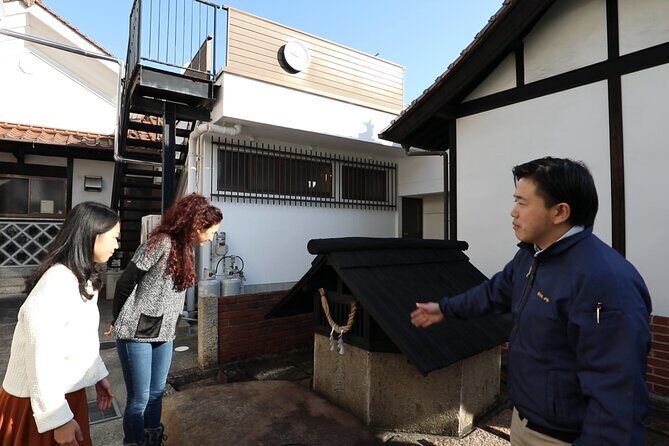
Saijo sake has a way of feeling personal. You’re not just drinking; you’re moving through the places that support brewing year after year—shrines, workshops, and restaurants that know how to pair flavor with fermentation.
This tour has a clean rhythm: it starts with a traditional stop that frames sake as community culture, then shifts into hands-on learning and tasting, and finally lands on dinner where the guide’s explanations can connect the dots. You get about 5 hours total, from 2:00 pm to around 7:00 pm, with each stop timed so you don’t spend the day standing around.
Two parts are the main event for me. First, the calligraphy session at Sanyotsuru, where you use spring water and sumi ink and create your own label. Second, the tasting structure across three breweries, which makes it easier to notice differences instead of just collecting random sips.
You can also read our reviews of more food & drink experiences in Hiroshima

A quick reality check on logistics
Transportation to the meeting point isn’t included, so plan how you’ll reach 12-3 Saijōhonmachi, Higashihiroshima (739-0011). Once you’re there, the schedule is straightforward, and the tour includes mobile ticket access.
One more practical note: because dinner includes sake tasting and comparisons, you should book only if you’re comfortable handling that format—or you’ve told the operator you can’t drink.
Stop 1: Mitate Shrine and the Saijo sake tradition behind it
14:05–14:30 | Mitate Shrine (25 minutes, free admission)
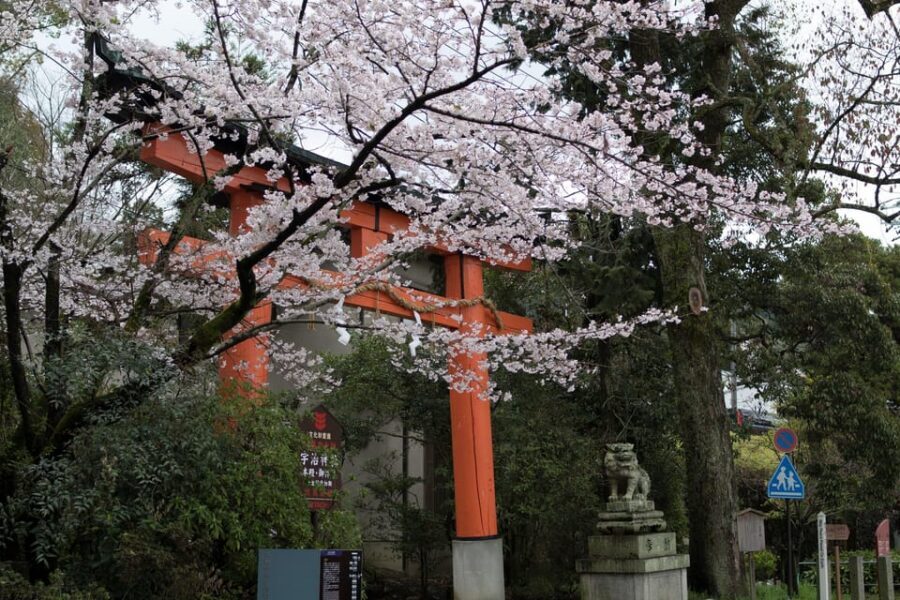
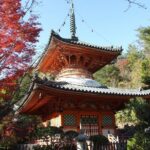
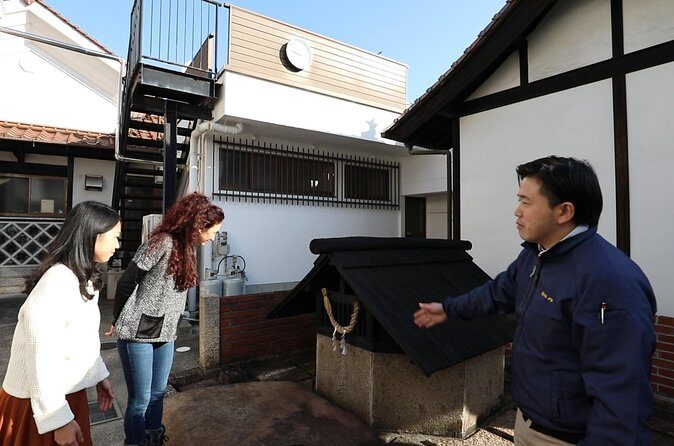
This first stop matters more than it sounds. Mitate Shrine enshrines the deity of sake, and it’s been cherished by Saijo’s sake brewers for generations. The shrine also receives prayers from representatives from seven breweries, which instantly tells you this isn’t a solo business story—it’s a local network story.
What you’ll likely notice here is how sake culture is treated like a civic event, not just a product. Even if you don’t read every detail on-site, the idea is clear: brewing starts with respect. It’s a helpful mental setup for the rest of the day, especially when you see how each brewery’s approach creates a different personality in the glass.
Good to know: the visit is short, so it’s not meant to replace sightseeing. It’s meant to give you context before tastings.
Stop 2: Kamotsuru museum shop and the brewing process made visual
14:30–15:00 | Kamotsuru Sake Brewing Co. Ltd (Sake museum shop, 30 minutes, free)
Next you shift from tradition to process. At Kamotsuru, the stop is built around a sake museum shop with displays and exhibits. This is the part that helps you understand what you’re tasting later. If you’ve ever felt like sake explanations are too technical or too vague, museum-style setups like this can make the steps feel simpler and more logical.
Why this works: by the time you reach Hakubotan and Sanyotsuru, you’re no longer guessing. You have a baseline mental map for what changes during brewing—and why different breweries can still create different results.
Possible drawback: this is more shop/exhibit time than factory-floor time. If you’re the type who only wants production sites, you may wish the tour started with Hakubotan. Still, it sets you up to appreciate what follows.
Stop 3: Hakubotan’s Tenpo Brewery tour (350+ years of craft)
15:10–16:00 | Hakubotan Sake Brewery (50 minutes, free)
Then comes the bigger production feel: Hakubotan, a brewery with a history of over 350 years. You’ll get a special factory tour experience connected to the Tenpo Brewery.
The practical value here is access. The day’s pacing suggests you’re getting moments that aren’t typical quick-pass sightseeing—exactly the kind of behind-the-scenes look that helps your taste buds catch up to your brain.
From what you can expect in these factory-style tours, the goal is usually the same: show you what stays consistent and what changes across brewing. That gives your later comparisons more meaning. Instead of just thinking, This tastes different, you’ll be able to think, This tastes different and here’s why that might be.
What to watch for: the tour is scheduled tightly, so wear shoes you can walk in comfortably. The day has multiple stops and transitions.
You can also read our reviews of more private tours in Hiroshima

Stop 4: Sanyotsuru calligraphy—Mount Ryuo water, sumi ink, and your own label
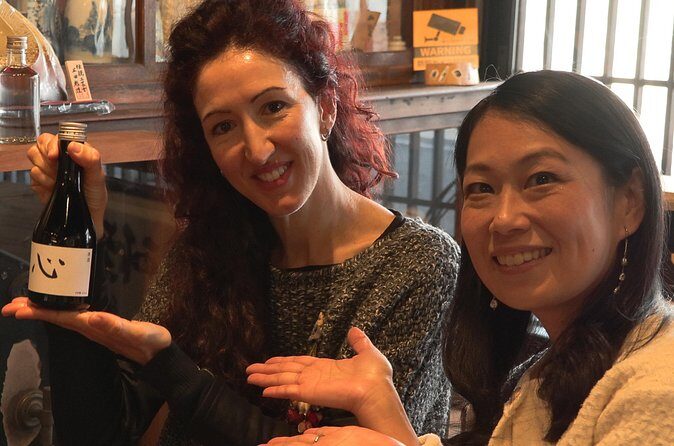
16:15–17:00 | Sanyotsuru Brewery Inc. (45 minutes, free)
This is the emotional “souvenir” moment of the entire day.
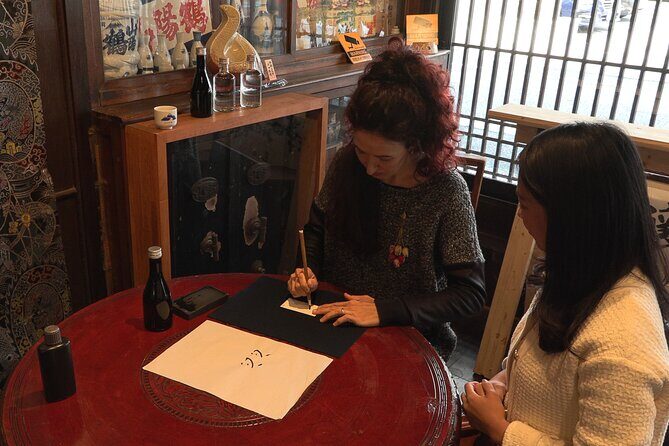
At Sanyotsuru, you do calligraphy inside a traditional setting. The details are what make it feel different from a generic writing class: you use spring water from Mount Ryuo and sumi ink, and the experience includes grinding ink and creating your own sake label on special paper. The paper is described as typically used for authentic sake labels, which means your project isn’t just decorative—it connects to how labels work in the real world.
Why this is worth your time (even if you’re not into art)
This activity turns what you learned into something physical. You’ll remember the day more easily because you made a label instead of only watching other people do something. And because the tour includes sake tastings, the label becomes a visual bookmark for your flavor memories.
Small preparation tips
Since the experience uses sumi ink, treat this like a “mess happens” craft. Wear clothes you don’t mind getting a little ink on (or bring something you’re comfortable with).
Also, because this is one of the few highly hands-on parts, arrive mentally ready to slow down for 45 minutes. It’s not meant to be rushed.
Stop 5: France-ya dinner—bishu-nabe and sake tasting comparisons
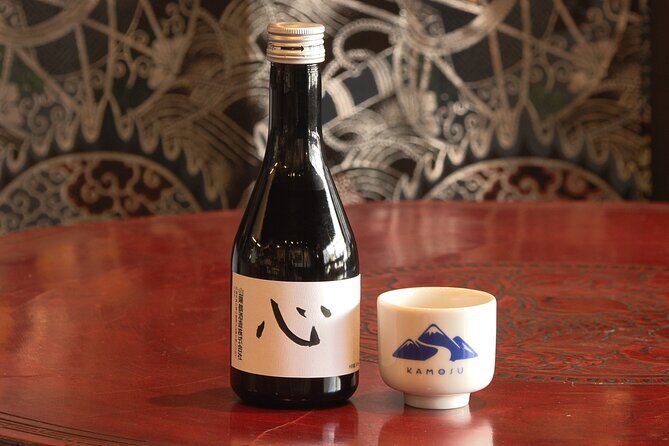
17:00–19:00 | France-ya (2 hours, free)
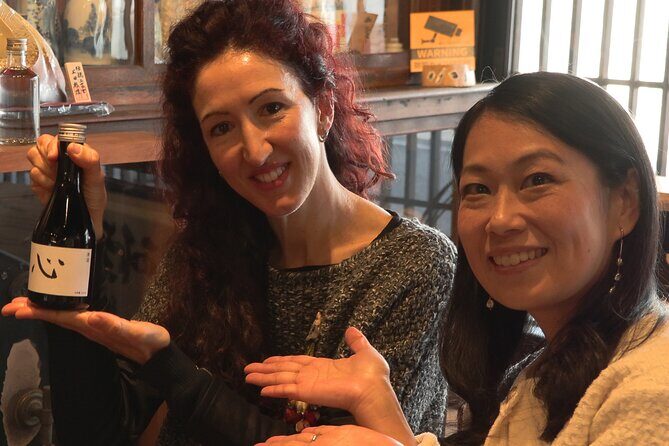
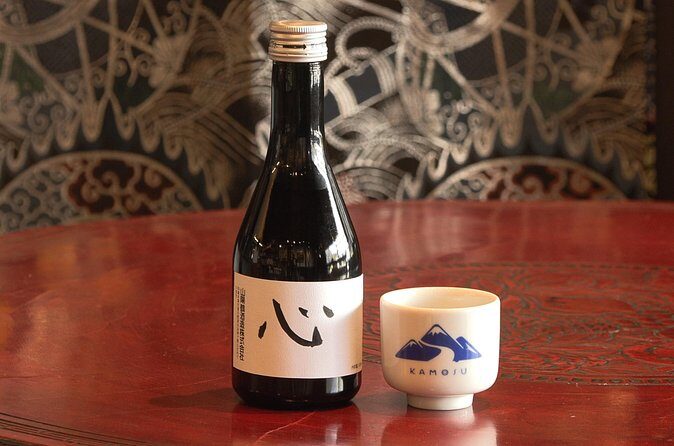
The day ends at France-ya, a restaurant operated by Kamotsuru Brewing. This is where the tour’s pairing logic becomes obvious: your tastings aren’t random; they’re tied to food that suits Saijo sake.
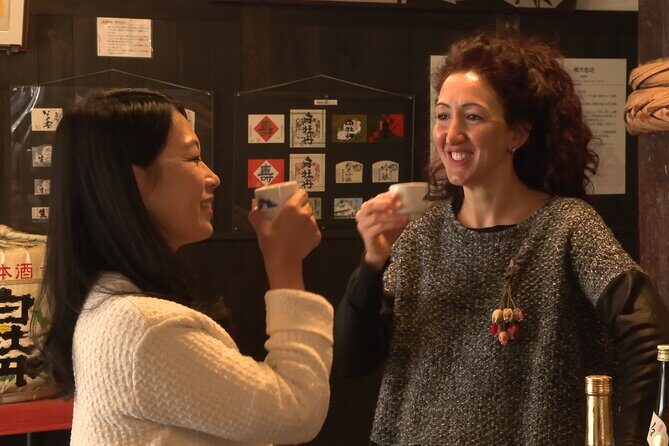
You’ll have bishu-nabe, a local hotpot dish made with sake, plus other appetizers. The meal is paired with Kamotsuru’s sake, and the dinner includes sake tasting and comparisons.
What you should expect from the pairing
Hotpots like bishu-nabe tend to “grab” flavor and keep it steady while you sip. That makes comparisons easier. If you’re paying attention, you can notice how sake’s character changes when it hits hot ingredients—salty broth, meat, and the specific warming effect of a dish that already carries sake flavor.
If you can’t or don’t want to drink
This part is important: the operator asks you to inform them if you’re under 20 or unable to consume alcohol. That matters because the structure includes tasting and comparisons during dinner.
Price and value: does $286.16 make sense for what you get?
At $286.16 per person, this isn’t a “grab a ticket and wander” deal. It’s a private guided program built around access, activities, and food.
Here’s why it can feel like good value if you’re doing it for more than just sips:
- You get multiple brewery experiences in one afternoon rather than piecing together visits on your own.
- The calligraphy session includes tools and special label paper, and it uses Mount Ryuo spring water plus sumi ink—so it’s more than a quick photo moment.
- Dinner at France-ya is part of the plan, and the meal is paired with sake.
- The package includes food and beverage costs, experience fees, sake tasting fees (partial), souvenirs, and insurance.
What you should compare is time and friction. If you try to do Saijo breweries and dinner yourself, you’ll spend effort scheduling and figuring out what’s open, and you may miss the parts that are usually limited.
The main cost friction is simple: transportation to the meeting point isn’t included. Still, if you’re already in Hiroshima/Higashihiroshima area and you’re paying for convenience plus a structured, private experience, the math can work.
Who should book this Saijo tour?
This is a strong match if you want:
- A private-group day focused entirely on Saijo’s sake culture
- Hands-on learning, especially the Sanyotsuru calligraphy label-making piece
- A tasting format that helps you notice differences across Kamotsuru, Hakubotan, and Sanyotsuru
- Dinner that’s actually paired with what you’re tasting—ending with bishu-nabe at France-ya
It’s less ideal if:
- You only want pure factory-floor time and dislike exhibit or craft components
- You’re not comfortable with sake tasting during dinner and haven’t planned alternatives
FAQ
How long is the Hiroshima Saijo Sake Tasting Calligraphy and Dinner Private Tour?
It runs for about 5 hours.
What time does the tour start?
The start time is 2:00 pm, and it ends back at the meeting point.
What’s included in the price?
The tour includes experience fees, food and beverage costs, sake tasting fees (partial), souvenirs, and insurance. Transportation to the meeting point is not included.
Which places do we visit during the tour?
You’ll stop at Mitate Shrine, Kamotsuru Sake Brewing (sake museum shop), Hakubotan Brewery, Sanyotsuru Brewery, and finish with dinner at France-ya.
Is this tour private?
Yes. It’s a private tour/activity, so only your group participates.
What if I can’t drink alcohol?
During dinner, there will be sake tasting and comparisons. If you are under 20 years old or unable to consume alcohol, you should inform the operator when booking.
Should you book it?
If you’re interested in Saijo sake beyond just drinking, I’d book it. The combination of three breweries, the Mitate Shrine context, and the Sanyotsuru calligraphy label gives you both knowledge and something to take home. The dinner at France-ya finishes the story with food that’s built to match sake, not just food served alongside it.
Just be honest with yourself about the alcohol portion at dinner, and plan how you’ll get to Saijōhonmachi for the 2:00 pm start. If you do that, this is one of the more complete ways to experience Saijo culture in a single afternoon.