REVIEW · TOKYO
Iconic Tokyo Uptown Landmarks Go Kart Tour (120 Minutes)
Book on GetYourGuide →Operated by Kartzilla Discovery Japan (Kartzilla Go Kart, Tokyo) · Bookable on GetYourGuide
Karts meet Tokyo’s biggest sights on real roads. I like that this tour pairs two-way radio guide storytelling with comfort-built street-legal karts, so you get big-city energy without the stress. The main catch: you must have a valid driving license (plus the right kind of international permit if you’re not Japanese), and you’ll want to arrive early for the mandatory safety briefing.
The Tokyo Uptown route is a 120-minute loop through the city’s core, starting near Tokyo Skytree and rolling past landmarks like Ryogoku Kokugikan, Tokyo Station, the Imperial Palace surroundings, Tokyo Tower, Ginza, and Kabuki-za. It’s not a race. You’re driving at a beginner-friendly pace, led the whole way by a tour guide who keeps traffic flow and safety in mind.
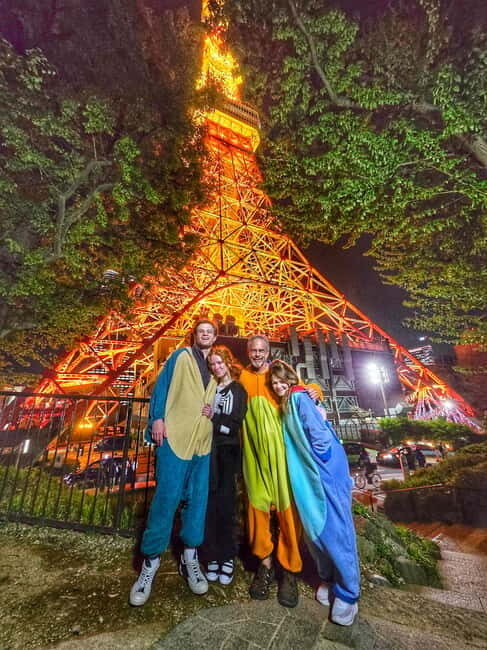
I’m also drawn to the small touches that make it more than just transportation: anime costume rental, drinks included, and the option to film your whole run from the driver’s seat with an onboard Insta360 camera (you’ll need a micro SD card). One more practical note: the route can be affected by rain, but you’re not left stranded—rain gear is available on-site, and there are useful end-of-ride items like towels and hair dryers reported by past riders.
In This Review
- Key things to love about this Kartzilla Uptown Landmarks ride
- Why drive a street-legal go-kart through Tokyo’s main sights?
- Skytree-area check-in: documents, timing, and what to expect before you drive
- The Uptown route: how two-way radio keeps you safe and teaches you as you go
- Comfort-built go-karts: what the details mean for your body and confidence
- Tokyo Skytree: starting with the city’s signature skyline moment
- Ryogoku Kokugikan: sumo-area energy without the long tourist detours
- Tokyo Station to the Imperial Palace surroundings: transit hub to formal Tokyo
- Tokyo Tower, Ginza, and Kabuki-za: three stops that stack big-city mood
- Filming and photos: using the Insta360 camera option the right way
- Included value: why $116 can work out well here
- Weather, night vibes, and what to pack mentally
- Who this tour fits (and who should skip it)
- Should you book the Kartzilla Uptown Landmarks tour?
- FAQ
- Do I need a driving license to join?
- Where does the tour start and how do I get there?
- How long is the tour?
- What languages are the live guides?
- Is there an onboard camera option?
- Is it a large group?
- What’s included in the price?
Key things to love about this Kartzilla Uptown Landmarks ride
- Two-way radio live guidance that mixes safety instructions with landmark stories in real time
- Comfort-focused karts with suspension, hydraulic brakes, and stable handling for first-timers
- Big Tokyo sights from street level—not from a window or behind a bus stop
- On-board Insta360 option for hands-free filming from the driver’s seat
- Small group size (10 max), which helps the guide keep everyone moving smoothly
- Useful included extras like drinks, accident insurance, and an anime costume rental
Why drive a street-legal go-kart through Tokyo’s main sights?
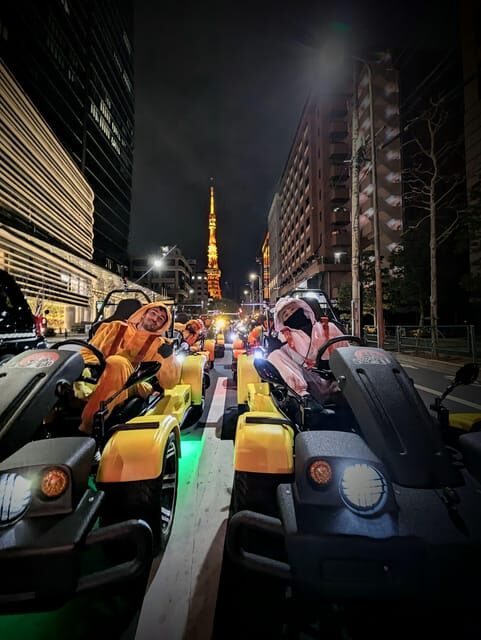
Tokyo is a feast for the senses, but it’s easy to see only the shiny parts from sidewalks or guided bus stops. This experience gives you a different angle: you’re moving through the city at ground level, taking in landmarks as you pass them, rather than stopping long enough for a photo and then disappearing back into traffic.
What makes it feel practical is that it’s built around real-city driving. The karts are street-legal, and the tour guide stays in control of the group’s pace and path. That’s what turns the whole thing from a fun diversion into a “see more of the city, with less hassle” kind of outing.
I also like that the experience leans into confidence. You’re not asked to race or perform. Instead, you get a clear briefing, simple driving instructions, and ongoing support through two-way radio communication with the guide.
You can also read our reviews of more tours and experiences in Tokyo.



Skytree-area check-in: documents, timing, and what to expect before you drive
You’ll start at the Kartzilla Go Kart facility near Tokyo Skytree, and it’s about an 8–10 minute walk from Yotsugi Station. Keisei Line gets you close, and the building has clear signage, but I’d still plan to arrive with time to spare—check-in requires early arrival for the mandatory safety briefing.
Plan around the rule that you should arrive at least 40 minutes before your scheduled start time. This isn’t just paperwork time. It’s when you’ll get the driving instructions and confirm your paperwork before you’re set up in the kart.
Bring your passport and your driving license. A driving license is required, and they’re strict about what’s acceptable—digital licenses, photos, or expired licenses won’t do. If you’re not Japanese, you’ll need an International Driving Permit issued under the 1949 Geneva Convention, or specific accepted licenses with the right Japanese translation documentation. If you show up with the wrong document, you won’t be able to drive and there are no refunds.
The Uptown route: how two-way radio keeps you safe and teaches you as you go
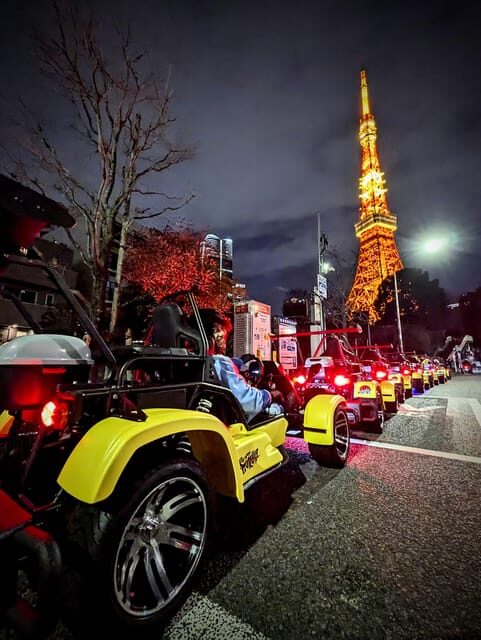
The tour’s flow is built for first-time drivers. You’ll get an initial road-safety briefing and basic driving instructions, then you drive as the experienced guide keeps the group moving. The guide uses two-way radio, so you’ll hear safety guidance and route direction in real time, instead of relying on everyone spotting the same cue from behind.
This matters in Tokyo. Streets can feel intense even when traffic looks orderly. With radio guidance, you don’t have to guess what’s coming next—your brain stays on driving, and the guide’s voice handles the rest.
The live storytelling is part of the point too. The guide connects landmark names to what you’re actually seeing as you pass by. Past riders have specifically praised guides like Sata for making directions easy, and Travis for sharing helpful Tokyo tips early on in the trip. You won’t just “go past” places—you’ll get context while your hands are on the wheel.
Comfort-built go-karts: what the details mean for your body and confidence
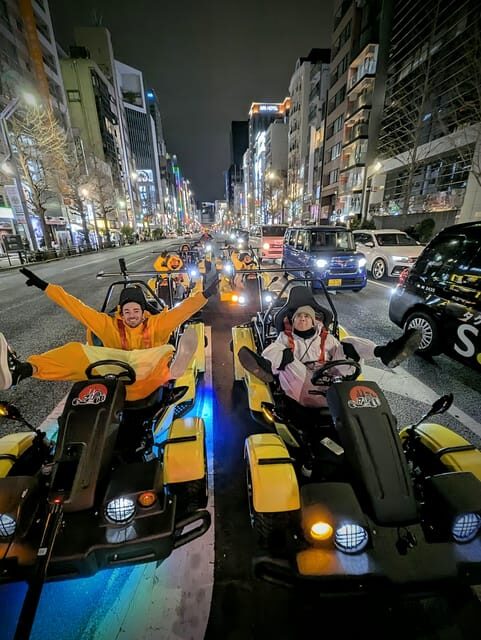
Kartzilla’s karts are purpose-built for city driving, and the comfort specs aren’t just marketing. You’ll notice the difference in control and stability once you’re behind the wheel.
The cars include advanced suspension for a smoother ride and hydraulic brakes for more precise stopping. There are also reinforced frames designed to accommodate big and tall riders more comfortably than many standard recreational karts. In plain terms, that reduces the awkward “I’m fighting the kart” feeling and lets you focus on steering.
These karts are described as stable and confidence-friendly. That’s a big deal if you’re new to driving a go-kart or if you’re used to driving normal cars and expect a similar sense of predictability.
Tokyo Skytree: starting with the city’s signature skyline moment
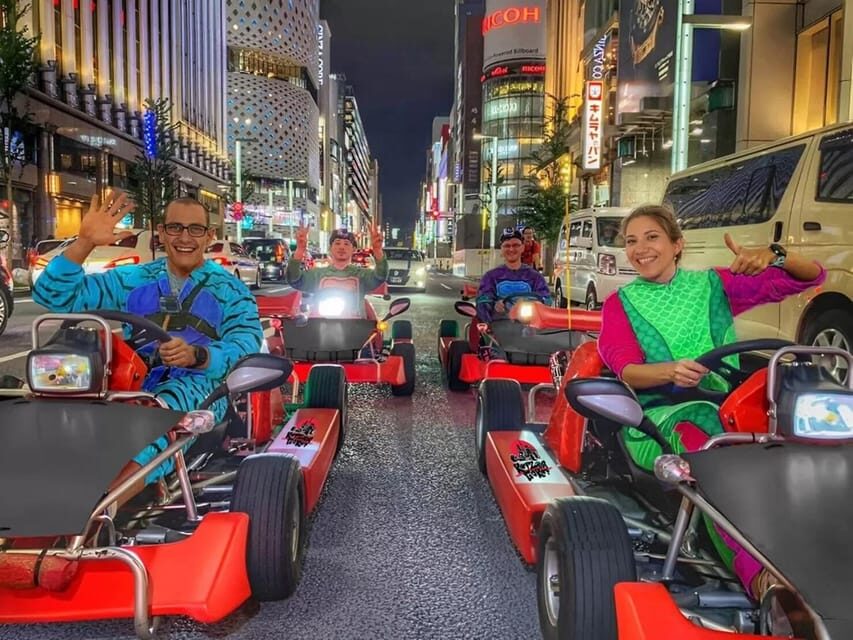
Your ride begins at Kartzilla’s facility near Tokyo Skytree. From there, you roll out into the heart of the city, and Skytree is the first major landmark on your path.
Why this first stop works: you’re still in “warm-up mode” as a driver, so Skytree being early keeps the experience rewarding right away. You get iconic views without spending the whole session still learning the basics.
You also get an immediate reminder of what makes this type of tour different. You’re not just photographing a landmark—you’re experiencing how that area fits into everyday Tokyo street patterns as you pass through.






Ryogoku Kokugikan: sumo-area energy without the long tourist detours
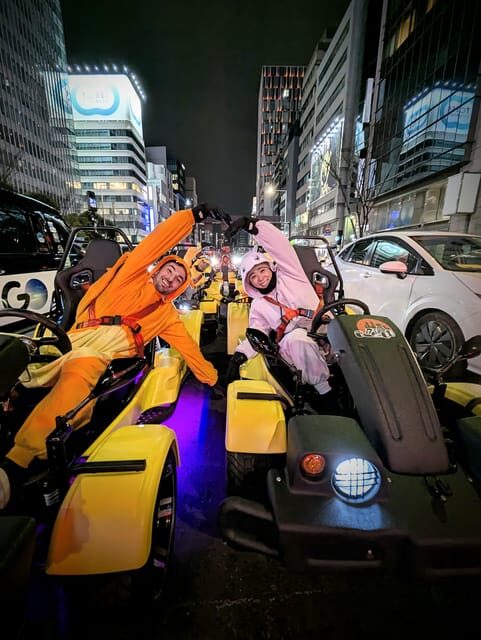
Next up is Ryogoku Kokugikan, the sumo stadium area named right in the route. You’ll drive through the surrounding streets and get a sense of the neighborhood’s identity.
This stop is a good contrast to the ultra-central, shopping-heavy parts of Tokyo later on. Sumo-related landmarks give you a strong cultural reference point early in the loop, and you’ll feel Tokyo’s variety more quickly than you would if your day only focused on one theme.
One practical benefit: since you’re already moving, you don’t need to build your schedule around separate transport, waiting, or timing. The area comes to you as part of the driving route.
Tokyo Station to the Imperial Palace surroundings: transit hub to formal Tokyo
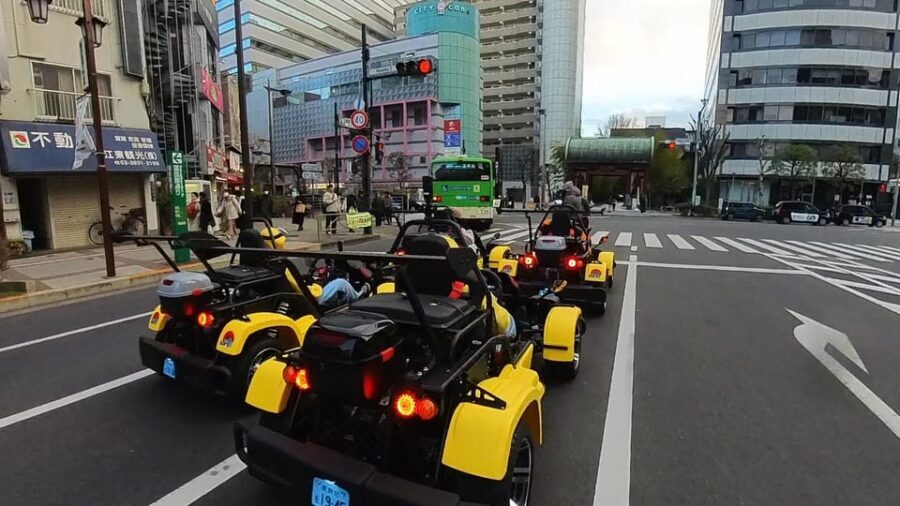
As you continue, you head toward Tokyo Station and then the Imperial Palace surroundings. This segment helps you “read” Tokyo at two levels: everyday commuter scale and a more formal, carefully arranged zone.
Tokyo Station is the kind of place you can recognize instantly, even if you’ve never been. Driving past it gives you a sense of how enormous Tokyo’s infrastructure is, and how that infrastructure sits right alongside historic and cultural references.
Then you shift toward the Imperial Palace surroundings, which tends to feel calmer and more ordered than the most frantic street intersections. From a driver’s seat, that contrast is one of the easiest ways to understand how Tokyo changes block by block.
Tokyo Tower, Ginza, and Kabuki-za: three stops that stack big-city mood
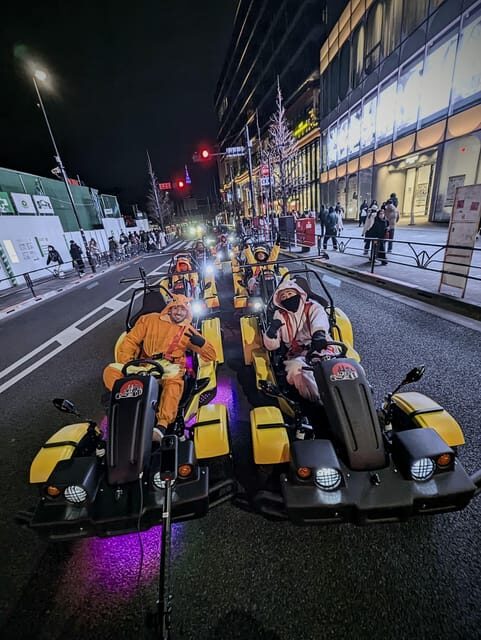
Later, the route passes Tokyo Tower, Ginza, and Kabuki-za. Those three names hit different sides of central Tokyo, and that variety is a big part of why this tour works as an overall introduction.
- Tokyo Tower is a classic sight for a reason: it’s visually obvious, and it anchors the mid-route “you’re really in Tokyo” feeling.
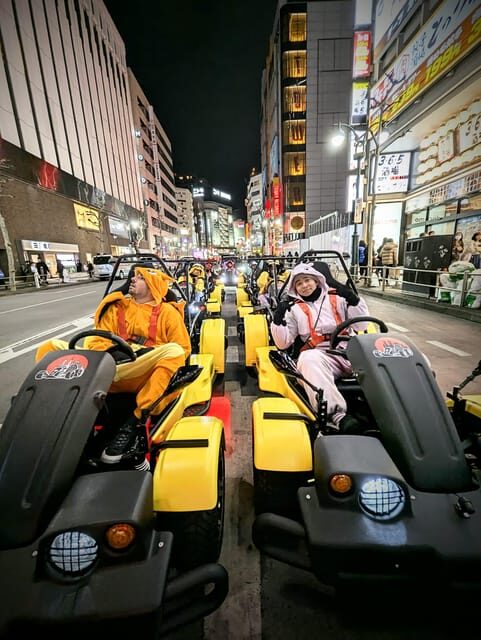
- Ginza brings a different pace and vibe, and it’s the kind of area where street-level views change quickly as you move.
- Kabuki-za adds a cultural anchor tied directly to Japan’s performance tradition.
I’d also keep an eye on the photo opportunities here. This is the portion of the drive where a lot of people want the extra angles—especially if you choose the optional onboard Insta360 recording.
Filming and photos: using the Insta360 camera option the right way
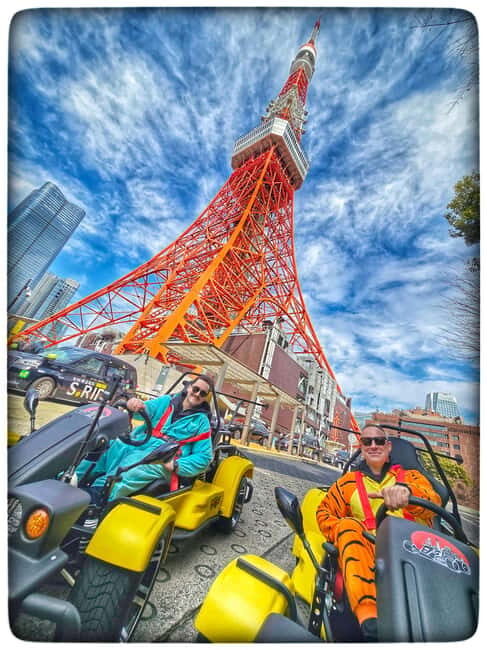
You can use an onboard Insta360 camera to record from the driver’s seat. It’s hands-free capture, which is exactly what you want on a road trip through a busy city—you don’t have to stop and risk falling behind the group.
Two practical notes. First, a micro SD card is required for the camera. Second, you can purchase one on-site if you didn’t bring it. If you’re the type who forgets little add-ons, it’s worth planning this before you arrive.
There are also free photos of your experience. That’s a nice backup if you want shareable images without digging into your video footage.
Included value: why $116 can work out well here
At $116 per person for 120 minutes, you’re paying for more than “a fun activity.” You’re getting a street-legal go-kart, fuel, and a professional local guide running the route. You also get accident insurance and drinks—water plus tea and coffee.
Then there are the extras that reduce your personal costs. Anime costume rental is included, and that can make the whole thing feel like a themed Tokyo outing rather than just driving in a helmet. The tour also provides practical help for the ride experience, with reports of items like towels and hair dryers useful at the end (especially when the weather gets messy).
What’s not included is mainly what you’d expect: hotel pickup/drop-off and meals. If you’re staying near transit and can reach the facility on your own, you’re in good shape.
Weather, night vibes, and what to pack mentally
Tokyo weather can change your plans fast, and this tour happens outdoors. One rider noted rain for about half of the experience, but rain jackets were available. That tells me the team is set up to keep the drive going instead of cancelling at the first drizzle.
If you’re choosing a time, night can be a special trade-off. Past riders have recommended going at night to maximize neon and city lighting. Just remember it can be wetter or cooler, so dress accordingly.
Also, the start involves getting ready in the facility area and then drying out or refreshing afterward. People mentioned towels and hair dryers at the end, which suggests the operation cares about what happens after you drive, not only during it.
Who this tour fits (and who should skip it)
This is a driving tour, so your eligibility matters more than your interest in go-karts. A valid driving license is required, and the tour is not suitable for children under 18.
It’s also not suited to visually impaired people, and there are upper age limitations listed (people over 95 years). Drivers under 18 aren’t allowed either. The good news: the tour is listed as wheelchair accessible, so physical access may be possible depending on your situation.
Who will enjoy it most:
- You want a Tokyo introduction that’s active and street-level
- You like landmarks but hate sitting through long waits
- You’re comfortable driving with a guide controlling the group
- You want something fun that still teaches you what you’re seeing
Should you book the Kartzilla Uptown Landmarks tour?
If you’re looking for a high-energy Tokyo activity that turns sightseeing into real street movement, I think this is a strong pick. The combination of two-way radio safety guidance, comfort-focused karts, and guided storytelling is the kind of mix that makes a first-time go-kart experience feel manageable.
Book it if you meet the driving requirements and you can handle an active 2-hour block in central Tokyo. Skip it if you’re missing the correct license paperwork, you don’t want to drive, or you’d rather watch from the sidelines.
FAQ
Do I need a driving license to join?
Yes. A valid driving license is required to participate. Accepted options include a Japanese driving license, or for non-residents an International Driving Permit issued under the 1949 Geneva Convention, and other specific accepted licenses with official Japanese translation documentation.
Where does the tour start and how do I get there?
The meeting point is the Kartzilla Go Kart facility near Tokyo Skytree, about an 8–10 minute walk from Yotsugi Station. It’s accessible by the Keisei Line, and the building is marked with signage.
How long is the tour?
The tour runs for 120 minutes.
What languages are the live guides?
Live tour guides are offered in English, German, and Spanish.
Is there an onboard camera option?
Yes. You can use an on-board Insta360 camera, but you’ll need a micro SD card. Micro SD cards are available for purchase on-site.
Is it a large group?
No. It’s a small group limited to 10 participants.
What’s included in the price?
Included are street-legal go-kart rental, fuel, a professional local tour guide, anime costume rental, on-board Insta360 camera use (with micro SD card required), accident insurance, and drinks (water, tea, coffee). Meals and hotel pickup/drop-off are not included.