REVIEW · KYOTO
Kyoto Fushimiinari:Wagashi Making & Small Group Tea Ceremony
Book on GetYourGuide →Operated by iroHa cooking studio · Bookable on GetYourGuide
Kyoto’s calm starts in the most unexpected place. In a small, Japanese-style home near Fushimi Inari, you learn wagashi hands-on and then take part in a tea ceremony with real etiquette, not just a talk. I especially like the combo of practical cooking skills plus the slow, respectful pace of the room—and you’ll get to make one bowl of matcha yourself. One catch: you’ll be on the floor in tatami seating, so it helps to tell them in advance if you need a chair.
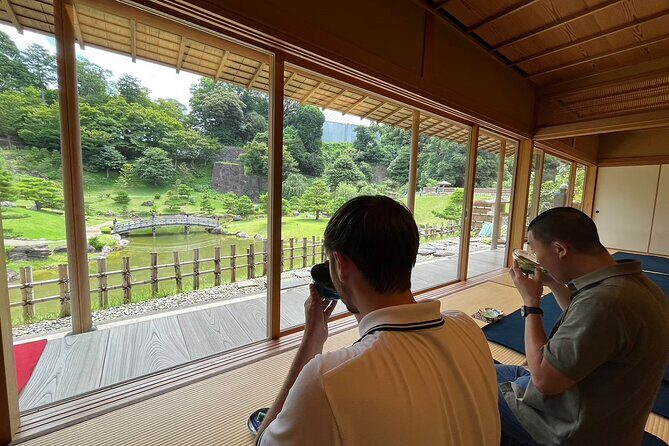
The setting is part of the value. You start indoors, then step outside for a short garden moment when weather allows, and you end up sitting in an authentic room where the teacher explains the hanging scroll and the meaning behind how tea is served. My only other consideration is that this is a shoes-off experience with socks required, and there are also photo/video limits during parts of the session.
If you want a Kyoto day that’s quiet, cultural, and skill-based, this is a strong pick. And with a small group capped at 6, the English-speaking licensed instructors can answer questions without rushing you.
In This Review
- Key highlights to look for
- A Kyoto tea lesson that feels like visiting a friend’s home
- What you do first: a hands-on wagashi class in the kitchen
- The garden pause: a quick breath before the ceremony room
- Inside the tea room: tatami seating, the hanging scroll, and etiquette
- Sweets meet matcha: tasting the wagashi you made
- The matcha ceremony part you’ll remember: making one bowl yourself
- English guidance and small-group attention
- Price and value: what $55 includes (and why it can be worth it)
- Practical details that can make or break your comfort
- Who this is best for (and who should skip it)
- Tips to get the most out of the session
- Should you book Kyoto Fushimiinari: Wagashi Making & Small Group Tea Ceremony?
- FAQ
- How long is the Kyoto Fushimiinari wagashi and tea ceremony experience?
- What is the group size?
- Is the tea ceremony and class available in English?
- What’s included in the price?
- Do I need to bring anything?
- Are bare feet allowed?
- Can I take photos or record video?
- Are chairs available if I cannot sit on the floor?
- Is this suitable for children or wheelchair users?
- Do you offer free cancellation?
Key highlights to look for
- Hands-on wagashi: you make one type of Japanese sweet yourself, not watch from the sidelines
- Matcha you actually prepare: you’ll whisk and serve a bowl the right way
- Tatami tea ceremony manners: you learn how to sit, what to notice, and how to take part respectfully
- Garden + authentic rooms: a short walk outside and then tea in a traditional space
- Seasonal wagashi variety: what you make may differ from photos depending on the time of year
- Small group size (up to 6): more time with the instructor, fewer people to compete with
A Kyoto tea lesson that feels like visiting a friend’s home
Kyoto can be loud. Even around famous sites, it’s easy to spend your day moving between crowds, snapping photos, and eating quick bites. This experience flips the script. Instead of racing, you slow down in a local house with Japanese-style rooms and a garden view that changes the mood fast.
The setting matters. You’re not in a big theater room with a performance vibe. You’re in a real domestic space designed for quiet conversation, tea, and seasonal sweetness. That means details get noticed: how people enter and sit, how the instructor explains the room, and how the ceremony has a rhythm you can follow.
And then there’s the best part for me: you leave with skills. You don’t just learn facts about tea culture. You learn how to make a sweet, how to handle a matcha whisk, and how to serve matcha in a way that makes sense within the tradition.
You can also read our reviews of more tours and experiences in Kyoto.



What you do first: a hands-on wagashi class in the kitchen
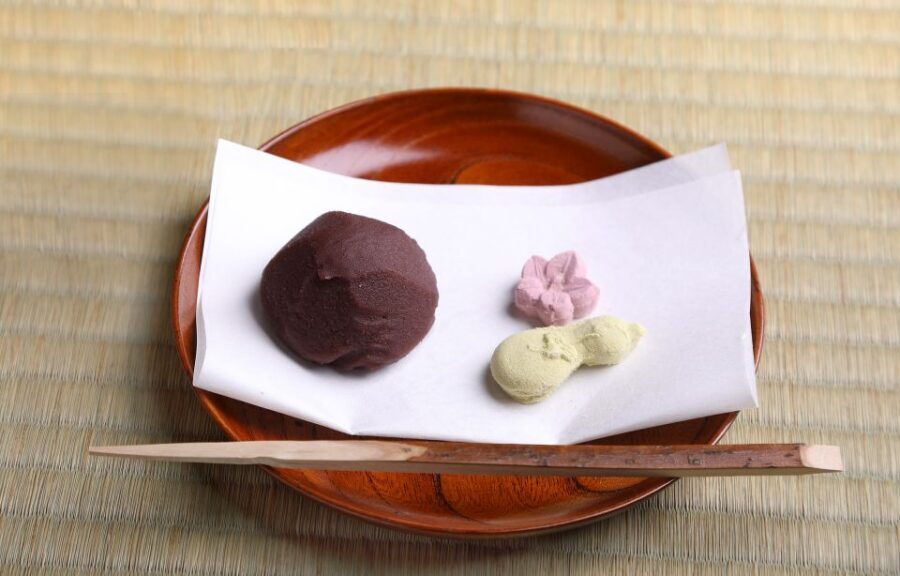
Your visit starts with a welcome and an orientation from the English-speaking host. You’ll be guided to the kitchen area and taught how to make one type of wagashi. This is hands-on, meaning you’ll do the steps yourself while the instructor explains what you’re making and why it matters.
A key detail: the wagashi you make can vary by season. That’s not a drawback; it’s part of the point. Japanese seasonal sweets often reflect what’s happening in the natural world, and the kitchen class is one of the easiest ways to feel that idea instead of reading about it.
You might also see familiar shapes like mochi in some versions of this class, often paired with bean fillings such as red bean or white bean paste. The exact recipe changes, but you can expect the same structure: follow clear instructions, make the sweet yourself, then taste what you made later in the ceremony.
Also, the class is not “one person cooks while you watch.” The instructor’s job is to keep you moving and involved. With a small group of up to 6, you’re not competing for attention.
The garden pause: a quick breath before the ceremony room
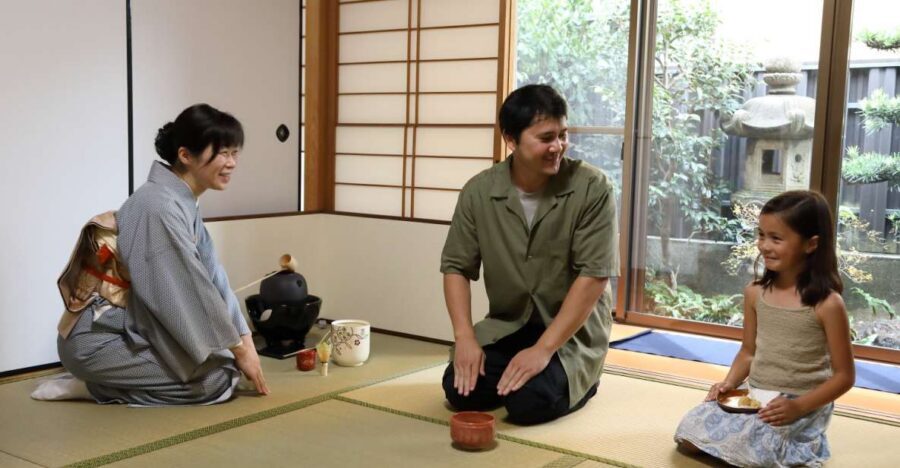
After wagashi, the pace shifts again. The host explains what to expect during the tea ceremony, including basic manners for the Japanese room. Then, if the weather cooperates, you go outside for a short walk through a tiny garden.
This garden step does two useful things:
- It breaks the cooking time so your senses reset before tea.
- It gives you a Kyoto moment that doesn’t feel like a landmark stop.
If it’s raining, the experience still centers on the authentic room portion; the important part is that you’re guided into the correct setting for the ceremony rather than just “waiting for your turn.”
Inside the tea room: tatami seating, the hanging scroll, and etiquette
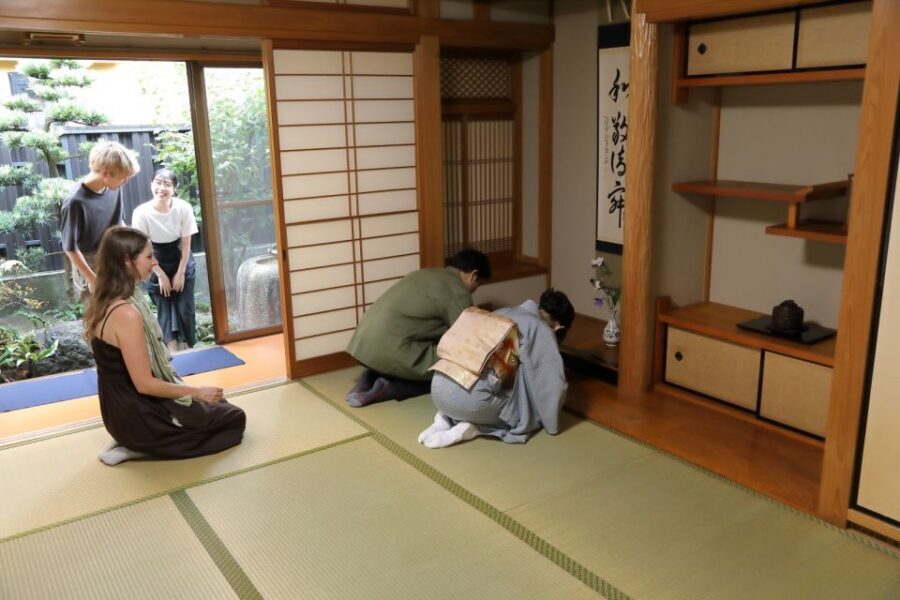
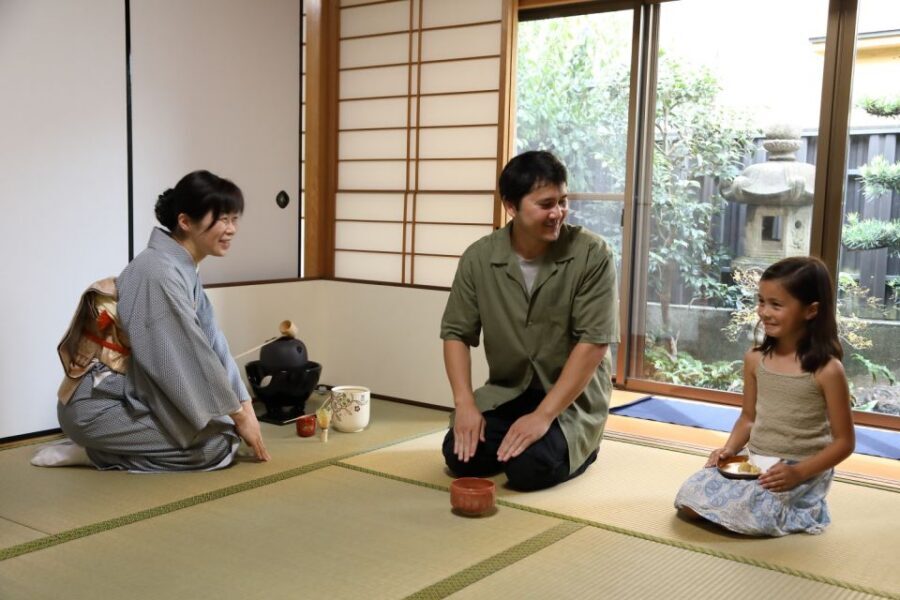
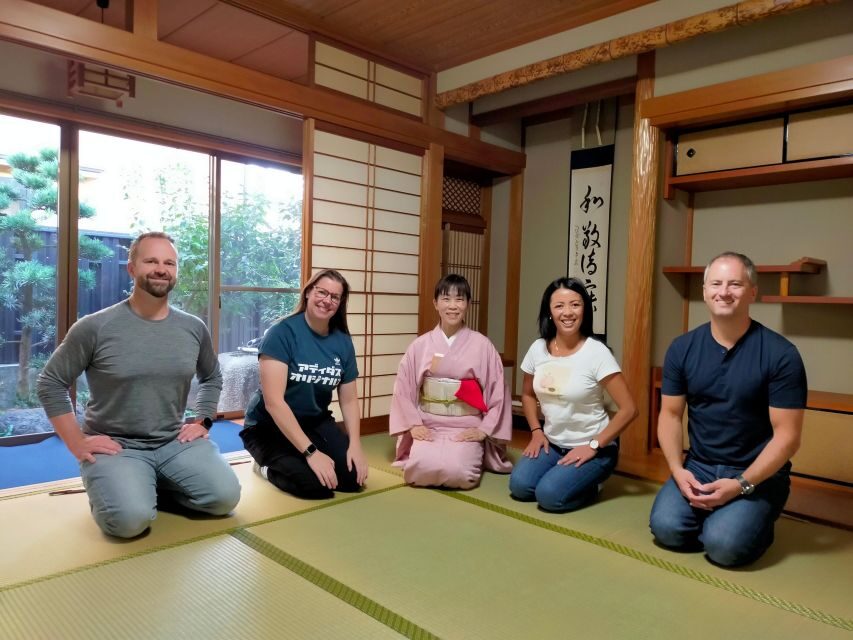
When you’re seated on tatami, the instructor explains the ceremony’s background: the history of tea, what the tea ceremony means, and the significance of the hanging scroll displayed in the alcove (tokonoma) area of the room.
That hanging scroll detail sounds small, but it changes how you view the whole ritual. You start noticing that it’s not just about drinking tea. The room itself is part of the message—seasonal, thoughtful, and designed to guide attention.
You’ll also learn practical etiquette: where to sit, how the ceremony proceeds, and how to participate in a way that feels respectful. The vibe here is structured, not stiff. You’re expected to follow guidance, but you’re also allowed to take part at a human pace, ask questions, and understand the why behind the steps.
If you’re someone who worries about doing things wrong, this part helps a lot. The instructions are in English, and the instructors are licensed guide interpreters, so the cultural explanations land clearly.
And yes, chairs and tables are available if you find it difficult to sit on the floor. If you need that, tell them in advance so the room setup works for you.
Sweets meet matcha: tasting the wagashi you made
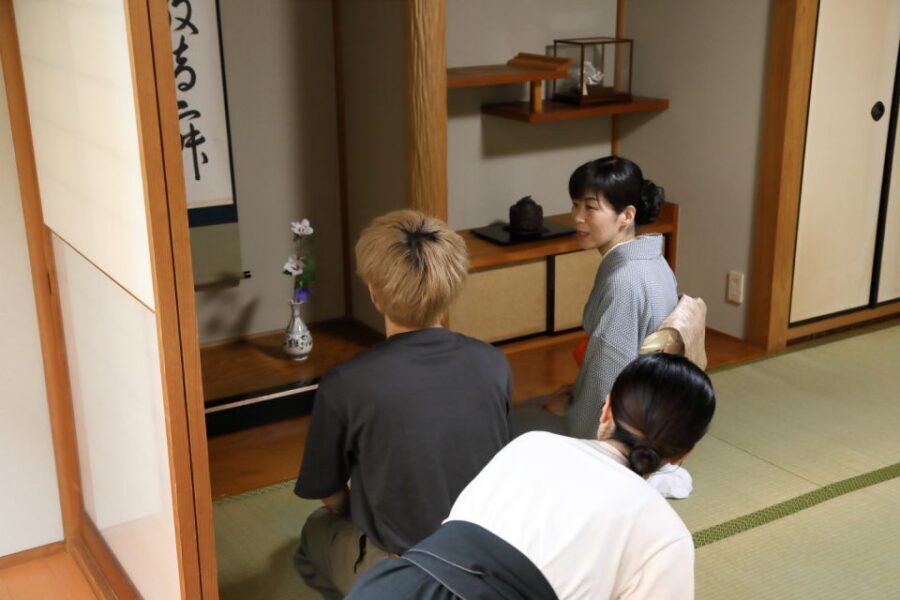
Now comes one of the most satisfying sequences: you eat the Japanese sweets you created while the instructor demonstrates how to drink matcha.
This timing is smart. You’re still fresh from making the sweet, so the flavors connect directly to your hands and decisions in the kitchen. Then you experience how matcha fits the sweetness—how it clears the palate and how the texture and bitterness change the way you enjoy each bite.
Even if matcha isn’t your favorite drink, this moment can win you over because you’re tasting it in a ceremony context, not a rushed café context.






The matcha ceremony part you’ll remember: making one bowl yourself
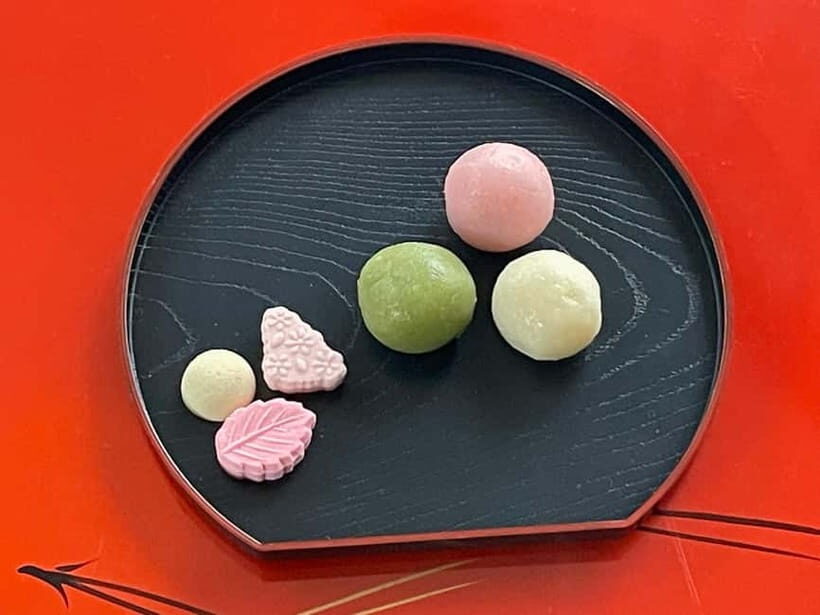
You’ll see the instructor demonstrate the ceremonial preparation of matcha first. Then the host guides you through doing it yourself.
You get two bowls of matcha total:
- One is prepared by the instructor for you to savor.
- The other is prepared by you, using the bamboo tea whisk.
Learning the motions is the real value. You don’t just get a beverage. You learn technique: how to handle the whisk, how to mix, and how to understand what the teacher is aiming for when the tea is made.
And after you make your bowl, you can also learn how to serve matcha to others in a respectful way. That matters if you want to bring home more than photos. It’s the kind of skill you can actually use when you’re back with friends or family.
English guidance and small-group attention
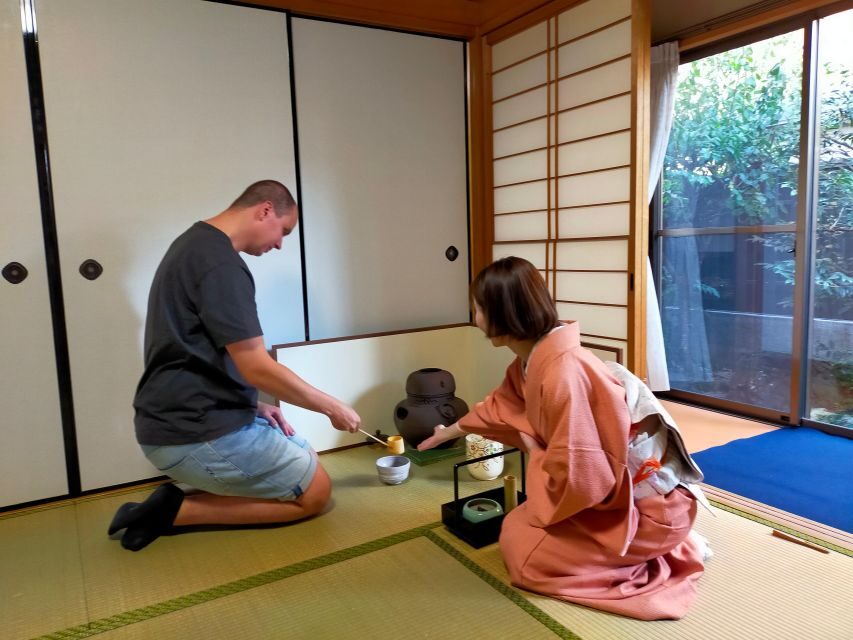
This experience is designed for comprehension. It runs in English, and the instructors are described as licensed guide interpreters. Translation is not an afterthought here, because tea ceremony terms and room etiquette can get confusing if they’re simplified too much.
With a small group limited to 6, you’re more likely to get personal answers, especially if you ask about manners, tools, or the meaning behind the hanging scroll and the flow of the ceremony.
That also affects your comfort. You can pause, adjust your seating, and ask questions without feeling like you’re holding up a large class.
Price and value: what $55 includes (and why it can be worth it)
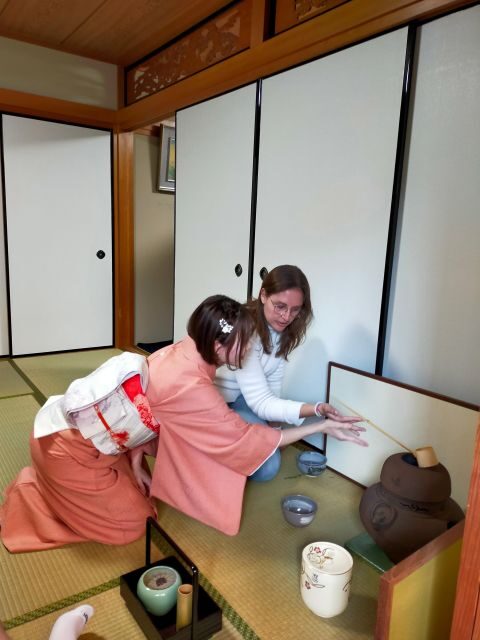
At $55 per person for 75 minutes, this is not the cheapest thing you can book in Kyoto. But it’s also not priced like a generic “tea talk” either.
Here’s what you’re paying for:
- A hands-on wagashi class (not just a demo)
- Two bowls of matcha, including one you make
- A guided tea ceremony with explanations of history, meaning, and room etiquette
- Licensed English interpretation
- All fees and taxes included
In places where you might spend less, you often get only one element: either a sweet-making workshop without the ceremony, or a ceremony without letting you whisk matcha. This experience stacks both—and you get to eat the sweet you made while you’re learning.
So the real value question is simple: do you want one skill or two? If you want both wagashi making and matcha practice in one session, this price starts to look very reasonable.
The activity also doesn’t include hotel pickup/drop-off, so you’ll need to get yourself there. If you’re already planning to be in the Fushimi Inari area, that’s less of a hassle.
Practical details that can make or break your comfort
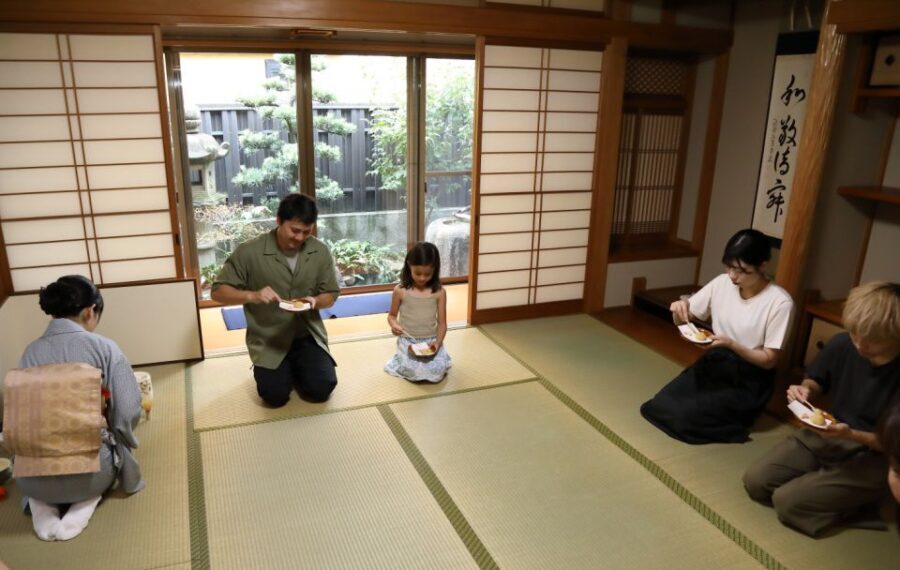
A few logistics are important here:
Socks are required. Bare feet are not allowed. Flash photography and video recording are also not allowed. You may be asked not to take photos during parts of the session so everyone can experience the moment.
Sitting matters. You’ll be on tatami unless chairs/tables are provided for your needs. If you anticipate discomfort, request the seating arrangement early so you don’t end up trying to tough it out.
Food allergies and restrictions: you should let them know in advance if you have any food restrictions or allergy. Since you’re eating what you helped make, you want those details handled before you arrive.
Finally, seasonal changes: Japanese sweets may differ from photos depending on the season. If you come with a specific expectation, adjust your mindset to seasonal variety. That’s usually when the experience feels most alive.
Who this is best for (and who should skip it)
This works especially well for:
- Couples and small groups who want a quieter Kyoto moment away from the crowds
- Food-minded travelers who enjoy learning technique, not just visiting
- People who like structured cultural experiences with clear explanations
- Anyone who wants to take home practical skills, especially matcha whisking and serving
It may not be the right fit if:
- You need wheelchair access. The experience is listed as not suitable for wheelchair users.
- You’re traveling with kids under 8. It’s not suitable for children under 8 years old.
Tips to get the most out of the session
These are small moves that make the whole thing smoother:
- Bring the right socks. They’re required, and you’ll want something comfortable for sitting time.
- Plan your questions. If you’re curious about the hanging scroll, the meaning of the steps, or how to serve matcha properly, write a few notes. In a small group, those questions often get answered.
- Leave room in your schedule. The ceremony is a calm experience. If your next stop is a sprint, you’ll feel rushed.
- Treat the photo rules as part of the ritual. You might take a few pictures before or after, but expect some moments to be phone-free so you can stay present.
Should you book Kyoto Fushimiinari: Wagashi Making & Small Group Tea Ceremony?
I think you should book it if you want a Kyoto experience that mixes hands-on food skill with respectful cultural practice. It’s one of those rare combinations where you leave with edible souvenirs plus a technique you can repeat at home.
Book it if:
- You like learning-by-doing
- You want the ceremony explained clearly in English
- You appreciate small groups and a slower pace
- You’re planning to be around Fushimi Inari and want something quieter afterward
Skip it if:
- You hate floor seating and didn’t plan for a chair option
- You need wheelchair accessibility
- You’re looking for a fast, sightseeing-only experience rather than a class-style cultural session
In a city full of must-see stops, this gives you something different: calm, craft, and matcha you helped create.
FAQ
How long is the Kyoto Fushimiinari wagashi and tea ceremony experience?
It lasts about 75 minutes.
What is the group size?
It’s a small group limited to 6 participants.
Is the tea ceremony and class available in English?
Yes, the instructor and guidance are in English.
What’s included in the price?
Included are an English-speaking instructor, 2 bowls of matcha (one prepared by you), instruction on how to make one type of wagashi, explanations on how to make tea and eat sweets, and all fees and taxes.
Do I need to bring anything?
Yes. You should bring socks.
Are bare feet allowed?
No. Bare feet are not allowed.
Can I take photos or record video?
Flash photography and video recording are not allowed, and you may be asked not to take photos during some parts of the session.
Are chairs available if I cannot sit on the floor?
Yes. Chairs and tables are available if you find it difficult to sit on the floor—let them know in advance.
Is this suitable for children or wheelchair users?
It’s not suitable for children under 8 years old and not suitable for wheelchair users.
Do you offer free cancellation?
Yes. You can cancel up to 24 hours in advance for a full refund.