REVIEW · KYOTO
Kyoto: Kimono Rental and Matcha Experience
Book on GetYourGuide →Operated by MK TRAVEL · Bookable on GetYourGuide
Kyoto in a kimono changes the whole day. I really like the easy Kyoto Station location and the fact that you get English-speaking guidance from start to finish. You also spend time actually making matcha yourself, not just watching it. The one possible drawback: you need to plan your timing, since kimono check-in is limited and you must return by a set deadline.
If you want a Kyoto day that feels special without turning into a multi-stop tour maze, this is a smart choice. For about $50 per person (including the kimono and the one-way taxi), you get a dressed-up experience plus tea you personally make, then free time to wander Kiyomizu-area streets in costume. Just keep in mind that transportation after the experience is not included, so you’ll plan your way back.
In This Review
- Key Points Before You Go
- Kyoto Station Hachijo Exit: The Real Value of Easy Start
- The Kimono Package: What You Wear (and What You Don’t Need to Worry About)
- Tea at Ichinenzaka 362 Café: Watch, Whisk, Sip Your Own Matcha
- Kiyomizu Streets in Kimono: How to Get Photos Without Losing Your Day
- Price and Logistics: Is $50 Good Value for Kyoto?
- Timing That Works: A Simple Way to Plan Your Day
- Who This Experience Fits Best (and Who Should Skip It)
- Should You Book This Kimono and Matcha Day?
- FAQ
- FAQ
- Where is the kimono rental shop located?
- What is included in the kimono (or yukata) experience?
- Are the staff able to help in English?
- Do you just watch the tea ceremony, or do you make matcha?
- How do you get to the matcha café from Kyoto Station?
- Where do you change and return the kimono?
- What are the opening hours?
- Can I return the kimono the next day?
- Is this a private group experience?
Key Points Before You Go
- Kyoto Station Hachijo Exit pick-up: the store sits right in the station area, so you’re not wasting your day finding a meeting point.
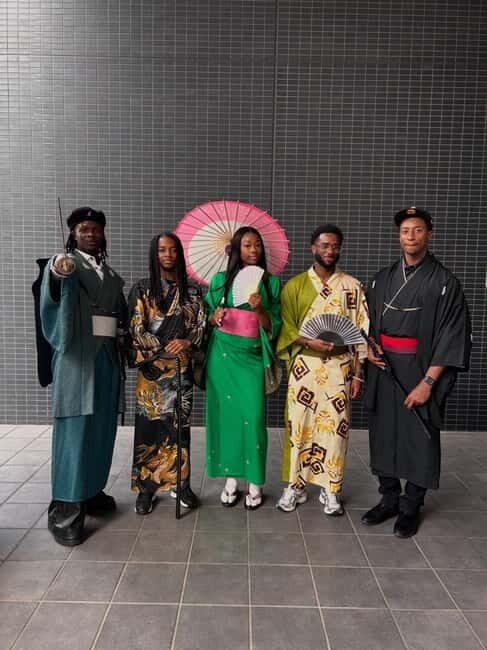
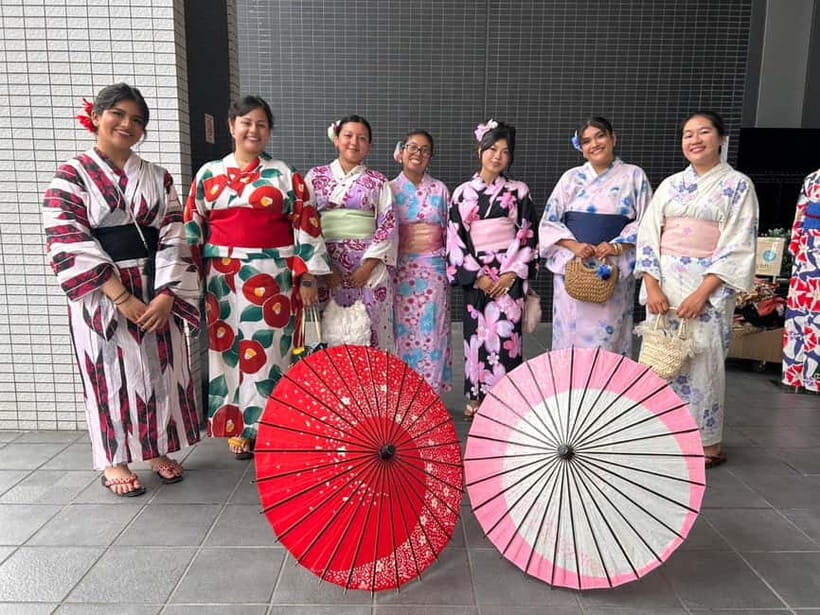
- Complete kimono kit: kimono/yukata, obi, socks, shoes, bag, and innerwear are included.
- Hands-on matcha: you watch the tea ceremony basics, then whisk your own bowl and enjoy it.
- One-way private taxi included: you skip the stress of getting from the station area to the café.
- Kiyomizu-area photo time: once you’re in kimono, you’ll walk the traditional streets around Kiyomizu-dera and Kodaiji Temple.
Kyoto Station Hachijo Exit: The Real Value of Easy Start
The biggest win here is how close it is to Kyoto Station. The kimono rental shop (MK Kimono Rental Mimosa) is in front of the Hachijo exit, and it takes about a minute to reach it once you’re at the station. That matters more than people think. Kyoto can be confusing even when you know the basics, and a delayed start can ruin outfit photos and tea timing.
You also get free luggage storage, which is a quiet lifesaver. If you’re arriving from Osaka, Tokyo, or another region, you can drop bags and focus on the outfit and the tea experience instead of dragging things around.
Staff are English-speaking, so you can ask quick questions about sizing, tying, or what to do next without playing charades. In my view, this is what makes the experience feel smooth for first-timers.
You can also read our reviews of more tours and experiences in Kyoto.



The Kimono Package: What You Wear (and What You Don’t Need to Worry About)
Once you arrive, you get suited up with everything you need. The normal plan includes a complete set: kimono (or yukata in summer), obi belt, socks, shoes, a bag, and innerwear. Men receive a haori jacket in winter, which is a nice comfort detail if you’re there in cold weather.
This kit is good for one main reason: you don’t have to guess how to put anything together. You’re not hunting for missing items like the right socks, the right underlayer, or the extra pieces needed to make it look right. You just show up and get organized.
A small extra you’ll probably appreciate: they also help with presentation details. One past participant specifically called out that their wife received help with a beautiful hairstyle. Even if hairstyle support varies by staff and season, it’s a strong sign that they take the overall look seriously—not just the clothing.
Practical tips you’ll thank yourself for:
- Wear something easy to remove and return to later, since you’ll change at the end.
- Plan to keep valuables with you in the included bag.
- Follow the shop guidance on how to move comfortably in geta-style shoes.
Tea at Ichinenzaka 362 Café: Watch, Whisk, Sip Your Own Matcha
After the dressing portion, the experience switches gears into tea. You’ll take a private taxi one-way from Kyoto Station to the Ichinenzaka 362 Café area, near Kodaiji Temple. The taxi is included, which is a smart value move. It saves you time and prevents the common problem of trying to coordinate trains/buses with a heavy outfit.
At the café, you’ll sit in a tatami room inside a renovated townhouse setup. You’ll watch a short tea ceremony, and you’ll see how the process works before you try it. Then comes the part that makes this worth booking: you whisk frothy matcha yourself, and you get your own bowl to enjoy.
This hands-on element is the difference between a photo stop and a real experience. Watching tea preparation teaches you the flow, but doing the whisking gives you a feel for what’s supposed to happen—how foam forms, what it looks like when it’s ready, and how the ritual guides the pacing.
If you’re a first-time visitor to Kyoto, this section also breaks the day into a calm, indoor pocket. That’s useful because once you head back outside, you’ll walk streets that can be crowded during peak hours.
Kiyomizu Streets in Kimono: How to Get Photos Without Losing Your Day
Once the tea is done, you’ll put your kimono back on and stroll through the traditional streets around Kiyomizu-dera. This is where the day becomes very Kyoto: wooden houses, classic shopfronts, and that old-street feel that’s hard to recreate elsewhere.
Here’s what I like about this part of the plan: you’re not just dropped at one landmark. You’re given time to roam in costume, so your photos feel natural instead of forced. It’s also a good way to slow down. People walk differently in kimono. You’ll notice how the pace changes, and that makes the stroll feel more intentional.
What to plan for:
- You’ll want to position yourself near photogenic street views and traditional shop scenes, not just stand in the middle of a walkway.
- Expect that you may need short pauses for comfort—especially if you’re spending time taking photos.
- Because you’re in costume, you’ll likely remember details you’d normally skip.
Also note the change/return options. You can change and return your kimono at the same location where you enjoyed the matcha, or you can go back toward Kyoto Station to change there. Returning to Kyoto Station is not included in the price, so treat the walk back plan as your own decision.
Price and Logistics: Is $50 Good Value for Kyoto?
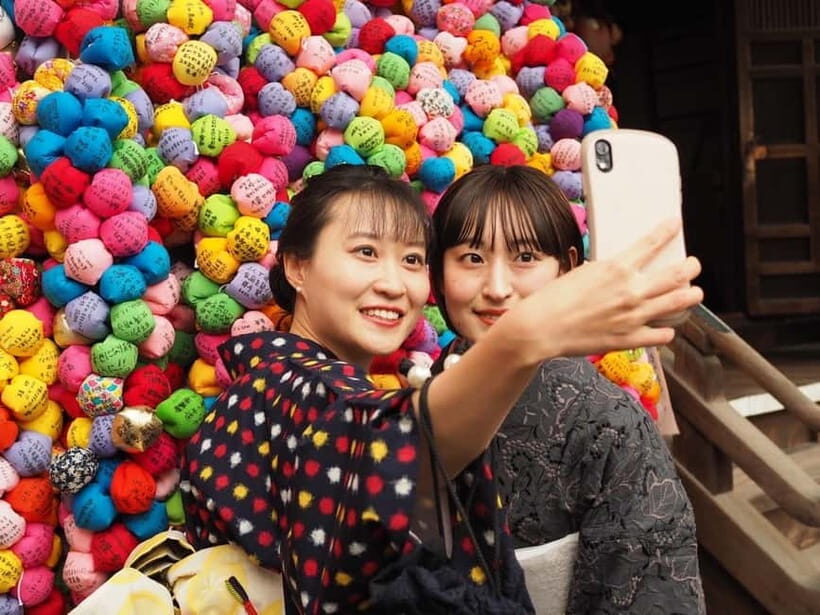
At $50 per person for a 1-day experience, this can be good value if you look at what’s truly included. You’re not only paying for “a nice outfit.” You’re getting:
- a full kimono (or yukata) kit,
- a matcha experience with active participation,
- and a one-way private taxi from Kyoto Station to the café area.
If you’ve ever priced kimono rentals in Kyoto by themselves, you know the cost can climb quickly once you add extras like transportation and “time on the ground.” This package handles the hardest parts: finding the shop and getting to the tea location without turning your outfit day into a logistics day.
The main thing that affects value is your schedule. Kimono rental runs 9:00 am to 6:00 pm, with last check-in at 3:00 pm and return by 5:30 pm. The café matcha service runs 10:00 am to 6:00 pm, with last order at 5:30 pm. If you’re the type who wants to sleep in and arrive late, this experience becomes less convenient fast.
Think of it like this: the package is fairly priced, but it rewards planning. If you show up early enough, you’ll get the full feel—tea plus that classic Kiyomizu wandering time.






Timing That Works: A Simple Way to Plan Your Day
To get the most out of the day, use this logic:
- Start at your rental time so you can enjoy more walking time in kimono.
- Keep your eyes on the last check-in (3:00 pm) so you’re not rushed at the finish.
- If you want extra strolling time, build it in after matcha rather than right before your return deadline.
Also, remember what you’re doing inside the experience. You’ll get dressed, you’ll do the tea ceremony segment, then you’ll walk. That means you’ll spend a bigger chunk of the day in “being in kimono mode.” If you try to cram it between multiple intense sightseeing stops, you’ll likely feel rushed.
One helpful mindset: treat this like the centerpiece of your Kyoto day. That’s when it feels most worth it.
Who This Experience Fits Best (and Who Should Skip It)
This is a great fit if you want:
- a first-timer-friendly Kyoto activity with English-speaking guidance,
- a photo-worthy costume experience without a learning curve,
- a real cultural moment through matcha you whisk yourself,
- and a calm break in the day, since the tea happens indoors before the street walk.
It’s likely less ideal if:
- you’re worried about time constraints, since you must return the kimono by the scheduled deadline,
- you need flexible walking routes, since you’ll be in shoes meant for traditional look and feel (and you’ll want to take comfortable steps).
Important limits: the experience is not suitable for pregnant women and it’s not recommended for people over 95 years. Pets are not allowed, and alcohol and drugs are not allowed.
If you’re traveling with mobility considerations or health concerns, plan carefully and consider alternatives.
Should You Book This Kimono and Matcha Day?
Yes, I think you should book it if you want a Kyoto experience that blends culture and atmosphere in a way that’s easy to execute. The standout strengths are the station-area start, the English-speaking support, the hands-on matcha, and the chance to wander the Kiyomizu streets in kimono.
Skip it or choose a different option if you know you’ll arrive late or you dislike structured timing. This experience isn’t built for last-minute scheduling. Also, if kimono comfort is a concern for you personally, you’ll want to be realistic about walking time and shoe feel.
If your goal is a memorable Kyoto day that looks great in photos and still gives you something meaningful to do—whisking matcha, in this case—this is a strong pick.
FAQ
FAQ
Where is the kimono rental shop located?
The kimono rental shop (MK Kimono Rental Mimosa) is in front of the Hachijo exit of Kyoto Station, about one minute away.
What is included in the kimono (or yukata) experience?
Your kimono set includes the kimono (or yukata in summer), obi belt, socks, shoes, bag, and innerwear. Men also get a haori jacket in winter.
Are the staff able to help in English?
Yes. The staff are English-speaking and guide you throughout the experience.
Do you just watch the tea ceremony, or do you make matcha?
You do both. You watch a short tea ceremony, then you whisk frothy matcha yourself and enjoy a bowl of your own tea.
How do you get to the matcha café from Kyoto Station?
A private taxi (one-way) is included from Kyoto Station to the Kiyomizu area / Ichinenzaka 362 Café.
Where do you change and return the kimono?
You can change and return at the same location where you enjoyed the matcha, or you can go back to Kyoto Station to change (return to Kyoto Station is not included in the price).
What are the opening hours?
Kimono rental runs 9:00 am–6:00 pm (last check-in 3:00 pm, return by 5:30 pm). The matcha café runs 10:00 am–6:00 pm (last order 5:30 pm).
Can I return the kimono the next day?
Yes, but there are extra fees. 9:00 am–10:00 am costs +1,100 yen, and 10:00 am–6:00 pm costs +2,200 yen.
Is this a private group experience?
Yes. It’s listed as a private group experience.