REVIEW · HIROSHIMA
Miyajima Guided Tour and Fresh Oyster Farm Tour
Book on Viator →Operated by Discover Chugoku Shikoku (DiCS) · Bookable on Viator
Oysters and a sacred torii in one tour. This guided Miyajima day ties together Itsukushima Shrine with a Great Torii cruise and then finishes at Shimada Suisan for a hands-on oyster lunch. It’s a smart way to see the island’s big icons without getting lost in logistics.
I especially like that the tour is led by an English-speaking guide who puts meaning behind what you’re seeing, not just dates and directions. And I really like the boat portion—viewing the famous torii from the sea changes the whole scale of the shrine.
One possible drawback: this is about 4 hours 30 minutes of guided flow plus a short free window for the shopping street, so if you want long, slow wandering, you may feel slightly time-compressed.
In This Review
- Key highlights to know before you go
- Miyajima and Hiroshima oysters: the reason this tour feels different
- Starting at Miyajimaguchi around 9:00 a.m.
- Stop 1: Itsukushima Shrine Torii and what the guide helps you notice
- Stop 2: Omotesando shopping street—your 1-hour buffer for snacks and souvenirs
- Stop 3: Shimada Suisan cruise—see the Great Torii up close from the sea
- Lunch at Shimada Suisan: an oyster feast plus hands-on grilling
- What’s included—and why the price can feel fair
- Pacing and timing: where the tour feels tight (and where it doesn’t)
- Guide quality: the difference between facts and understanding
- Who should book this Miyajima and oyster farm tour?
- Quick practical tips for enjoying the day
- Should you book this Miyajima + Fresh Oyster Farm Tour?
- FAQ
- What’s the meeting point for the Miyajima and oyster farm tour?
- What time does the tour start?
- How long is the tour?
- What’s included in the price?
- Is there a free time segment, and where do we go?
- What happens during the Shimada Suisan portion?
- Can I bring a solo person or service animal?
Key highlights to know before you go
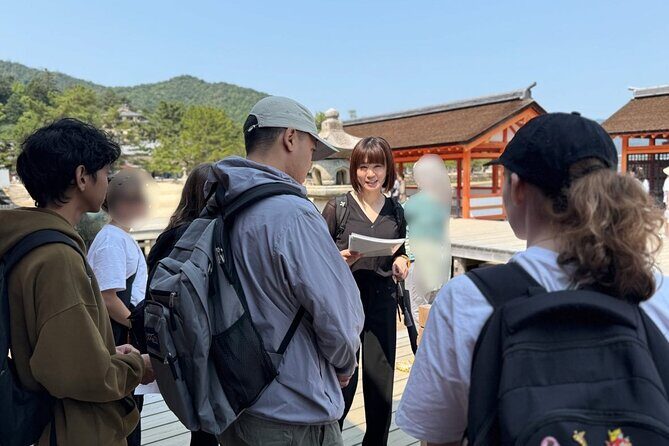
- Itsukushima Shrine Torii visit with worship context so you know what you’re looking at
- Omotesando shopping street free time for snacks and small souvenirs
- Sea cruise near the Great Torii with commentary focused on local oyster culture
- Oyster raft viewing in Hiroshima’s top oyster production area
- Shimada Suisan oyster feast lunch including grilling your own oysters
- Small group size (max 8) for a calmer pace and easier questions
Miyajima and Hiroshima oysters: the reason this tour feels different
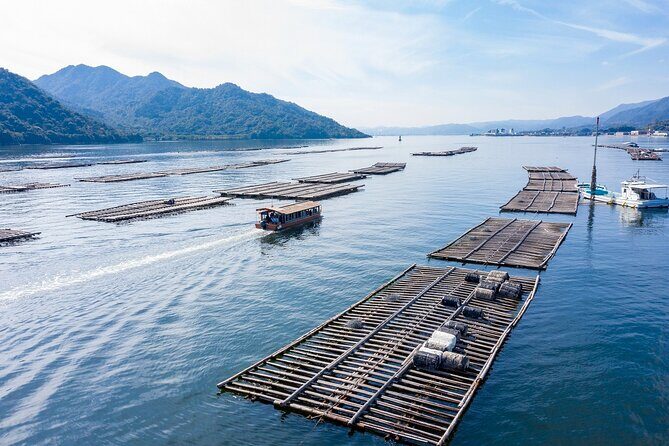
Miyajima is famous for scenery, sure—but it also has a real rhythm tied to faith and food. This tour connects those two sides in a practical way. First you step into the spiritual heart of the island at Itsukushima Shrine, then you shift to the working sea-world of oyster farming, where Hiroshima’s oyster rafts become part of the story.
What makes it feel worthwhile is the sequencing. You don’t just bounce between checkboxes. You start with the torii and shrine customs, then you get the sea perspective, and only then do you sit down for an oyster-focused meal. By the time you’re grilling oysters yourself, the experience has already explained where the food comes from and why it matters here.
You can also read our reviews of more guided tours in Hiroshima


Starting at Miyajimaguchi around 9:00 a.m.
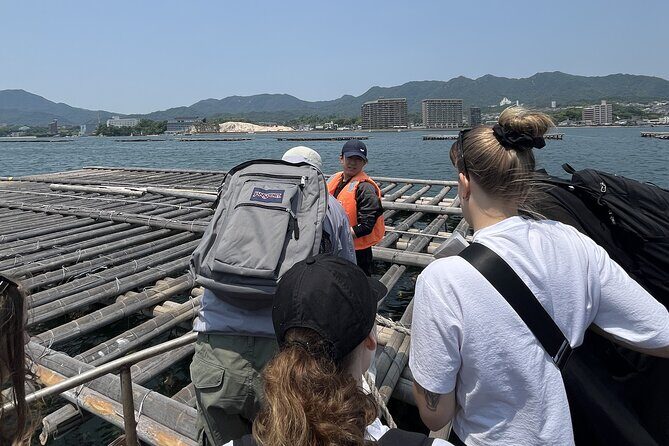
The tour starts at 9:00 a.m. from Miyajimaguchi (1 Chome-11, Hatsukaichi, Hiroshima), and it loops back to the same meeting point when you’re done. That matters because Miyajima days can get awkward if your ferry timing isn’t lined up. Here, you’re covered for the main transport legs, including ferry fare and a charter boat portion.
Also, the group is kept small—up to 8 people. That tends to make the day feel less like a factory tour and more like you can actually ask what you’re curious about, especially during the shrine explanations and the oyster-farm segment.
Stop 1: Itsukushima Shrine Torii and what the guide helps you notice
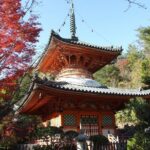
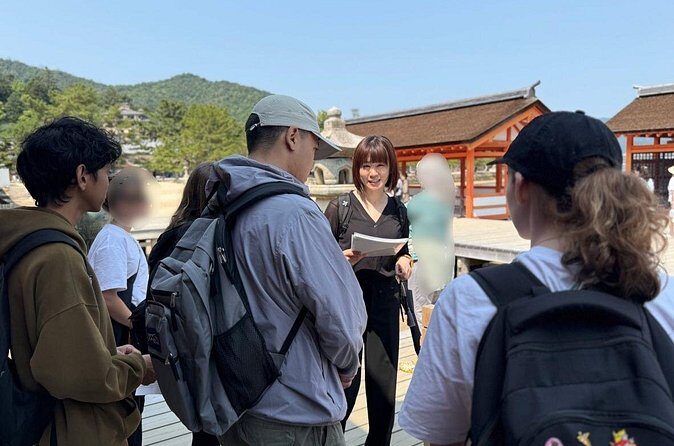
You’ll spend about 1 hour at the Itsukushima Shrine Torii. The torii is the icon that everyone photographs, but the real value here is the context your guide provides about local worship traditions and customs.
This is where an English-speaking guide earns their fee. Instead of walking up, snapping a picture, and moving on, you get a way to interpret details you might otherwise miss—why certain things are done the way they are, and how the shrine connects to the island’s worldview. That kind of explanation doesn’t slow you down in a painful way; it makes the walk more purposeful.
Tip for your time: keep your camera ready, but also pause long enough to look before you shoot. When you understand the customs, your photos stop being only postcards and start being documentation of the moment.
Stop 2: Omotesando shopping street—your 1-hour buffer for snacks and souvenirs
After the shrine, you get about 1 hour of free time at Miyajima Omotesando, the island’s classic shopping street. This is your chance to do two practical things:
- try small bites and food samples
- pick up souvenirs without feeling rushed by a strict schedule
Since you’re not locked into a full guided commentary here, the time works well if you enjoy casual browsing. It’s also a good moment to reset—stretch your legs, buy something small, and decide what you’ll taste later (if anything).
The consideration: Omotesando can be busy in peak seasons, so if you hate crowds, plan to keep moving with purpose during your hour.
Stop 3: Shimada Suisan cruise—see the Great Torii up close from the sea
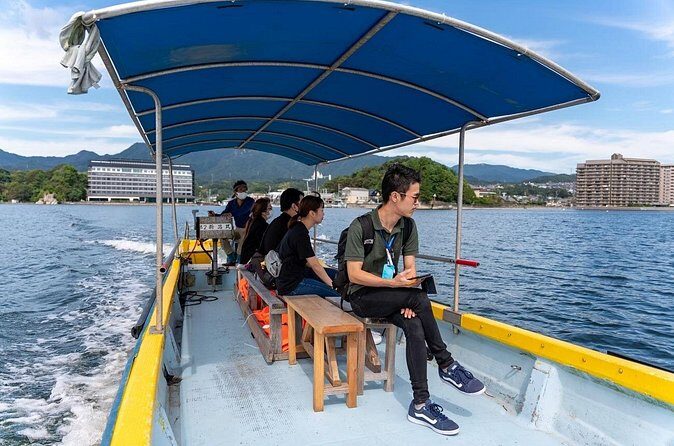
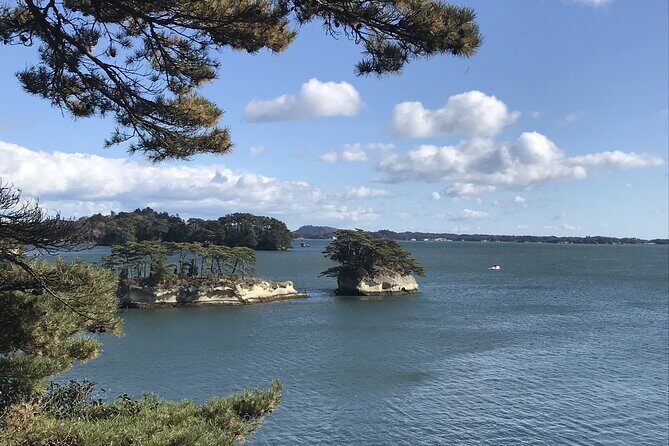
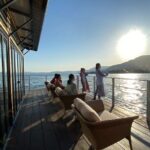
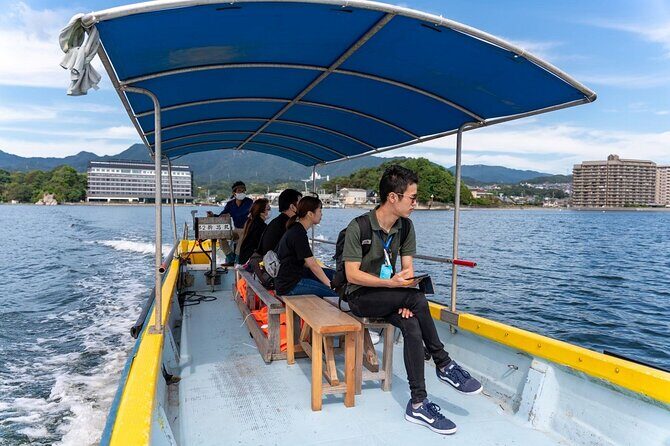
This is the segment that gives the tour its strongest wow-factor. You’ll take a spectacular cruise experience that brings you from the sea with close views of the shrine’s Great Torii.
There’s something about being on the water that changes your sense of scale. From land, the torii can look like a landmark. From the sea, it feels like part of a living horizon—something framed by water, boats, and the tide’s mood.
And then the oyster-farm component enters. You’ll also get to observe Hiroshima’s oyster rafts, which are central to the region’s top oyster production. The tour isn’t just pointing at the rafts; you’ll listen to expert commentary from local oyster producers. That’s a big deal because it turns a sightseeing moment into a mini lesson on how oyster farming actually fits the coastline and daily work.
What you’ll get most from this cruise: pay attention to the narration and look around between waves. The best views often show up off to the side as you pass specific raft zones near the shoreline.

Lunch at Shimada Suisan: an oyster feast plus hands-on grilling
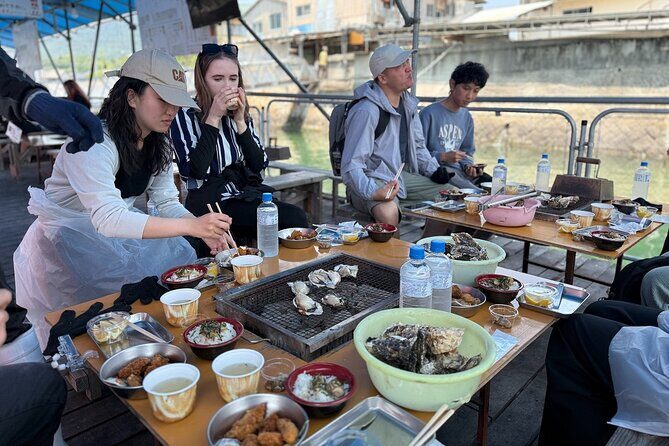
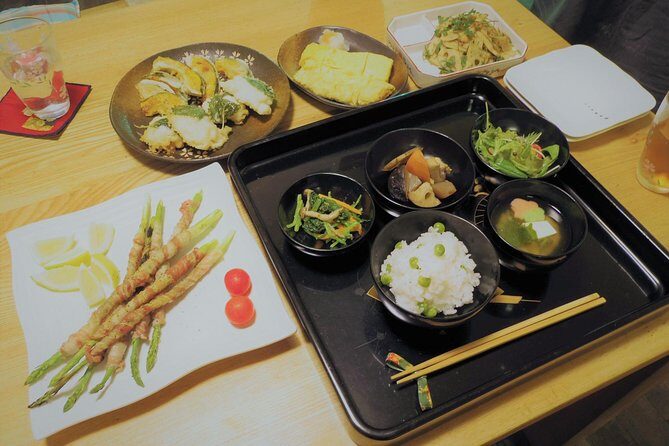
Lunch at Shimada Suisan is built around an oyster feast, and you’re not just watching from the sidelines. The meal includes a hands-on experience grilling your own oysters. That matters more than it sounds, because it’s interactive food learning.
You’ll also find that the lunch structure pairs well with the earlier sea views. By now, you’ve seen oyster rafts, heard commentary from oyster producers, and then you sit down to eat what the system produces. It’s the kind of pairing that makes the day feel connected instead of like three unrelated stops.
A special bonus detail: alcohol is optional, and there’s an upgrade if you want it. The tour notes that you can add a white wine from Hiroshima Miyoshi Winery, served to world leaders at the G7 Hiroshima Summit (listed at 8,000 yen). Mineral water is included, but other drinks during lunch aren’t automatically part of the base package.
My practical take: go easy on extra add-ons unless you’re certain you want them. The base lunch already delivers the oyster experience, and any optional wine is a nice-to-have rather than required for the story.
What’s included—and why the price can feel fair
The tour costs $97.55 per person, runs about 4 hours 30 minutes (approx.), and includes a lot that usually costs extra in Japan.
Included items you get:
- Lunch at Shimada Suisan
- Itsukushima Shrine admission fee
- Miyajima tourism tax
- Bottled water (1 bottle of mineral water)
- Private transportation from Miyajimaguchi to the ferry area
- Ferry fare (Miyajimaguchi to Miyajima)
- Charter boat fare from Miyajima to Shimada Suisan
- Mobile ticket
When you total it up logically, you’re paying for transportation that would otherwise require careful timing, plus the shrine admission, plus the meal, plus the guided interpretation. For an island day where ferries and schedules can trip people up, this kind of bundled structure often ends up feeling like value rather than just convenience.
Also, small group size (up to 8) is part of the value. You’re not packed into a huge crowd during the shrine explanations or the oyster-farm segment.
Pacing and timing: where the tour feels tight (and where it doesn’t)
This experience is timed to keep moving, but it doesn’t rush every moment. The shrine stop is 1 hour, the Omotesando window is 1 hour, and the Shimada Suisan time is about 2 hours. That means the cruise and oyster-focused portion gets more time than a typical “see it and leave it” sightseeing slot.
Still, you should recognize the tradeoff: your free roaming on Miyajima is intentionally limited. If you’re the type who wants to wander Miyajima streets for hours, hike beyond the main spots, or eat your way through every side shop, you’ll probably want to pair this with extra independent time on another day.
Guide quality: the difference between facts and understanding
A recurring theme with this tour setup is clarity. Guides here don’t just point out the main views; they explain meaning and background in a way that sticks.
One guide name you may see referenced is Takeshi-san. The way he’s described (clear explanations, warm atmosphere, and understanding the shrine and island connections) fits what you want during the Itsukushima segment. If you’re not fluent in Japanese, having someone translate the “why” behind shrine customs is what turns a visit into real understanding.
Who should book this Miyajima and oyster farm tour?
This is a great fit if:
- you want guided structure for a popular island day
- you care about food origins, not just eating oysters
- you like scenery with context (shrine + sea + working oyster rafts)
- you’re a solo visitor who wants company without a huge group
You might choose a different style of trip if:
- you want hours of independent wandering with no schedule pressure
- you only care about the shrine photos and don’t want a full oyster-focused lunch block
- you’re sensitive to early-morning starts (it begins at 9:00 a.m.)
Quick practical tips for enjoying the day
A few common-sense moves make a big difference on Miyajima:
- Wear comfortable shoes for shrine walking and sea-transport boarding areas.
- Bring a light layer. Boat time can feel cooler than land.
- If you’re thinking about the optional 8,000 yen wine, decide before lunch so you don’t feel rushed at ordering time.
- Since the experience depends on good weather, plan your mindset for a flexible day. If conditions are poor, the operator will arrange a different date or a full refund.
Should you book this Miyajima + Fresh Oyster Farm Tour?
I’d book it if you want one ticket that delivers a full Miyajima arc: Itsukushima Shrine, the Great Torii sea view, and an oyster farm experience that ends with grilling your own oysters. For the money, it’s not just sightseeing—it’s transportation, guided explanation, admission, and a meal bundled together.
Skip it only if you already have a very specific plan for Miyajima that needs long standalone time. Otherwise, this tour is a clean, efficient way to experience Miyajima’s signature visuals and its working oyster culture on the same day.
FAQ
What’s the meeting point for the Miyajima and oyster farm tour?
The tour meets at Miyajimaguchi 1 Chome-11, Hatsukaichi, Hiroshima 739-0411, Japan. The tour ends back at the same meeting point.
What time does the tour start?
It starts at 9:00 a.m..
How long is the tour?
The duration is about 4 hours 30 minutes (approx.).
What’s included in the price?
The tour includes lunch, Itsukushima Shrine admission, Miyajima tourism tax, bottled mineral water, ferry fare between Miyajimaguchi and Miyajima, and charter boat fare from Miyajima to Shimada Suisan. It also uses a mobile ticket.
Is there a free time segment, and where do we go?
Yes. You get about 1 hour of free time at Miyajima Omotesando Shopping Street for food sampling and shopping.
What happens during the Shimada Suisan portion?
You’ll take a cruise with close views of the Great Torii, observe Hiroshima’s oyster rafts, and enjoy a lunch experience at Shimada Suisan that includes grilling your own oysters.
Can I bring a solo person or service animal?
Solo visitors are welcome. Service animals are allowed, and the meeting point is near public transportation.