Mt. Fuji can make or break the day. This trip bundles the big icon (Mt. Fuji) with Hakone’s volcanic scenery and hot-spring area vibe in one long, efficient outing. I like that it hits multiple Fuji viewpoints and mixes in a hands-on volcanic stop at Owakudani, plus classic Lake Ashi and shrine views. The other thing I really like: you get a private setup with real human guidance—guides like Ryu, Yosuke, Riley (Ryoko), and Tomoya show up in the experience notes, and the common thread is clear, not-too-pushy explanations.
The catch is weather. Mt. Fuji is sometimes covered in clouds, and that can affect whether you get to do the Mt. Fuji 5th Station as planned. On at least one occasion, the plan shifted to Oshino Hakkai when conditions weren’t cooperating, so go in with flexibility in your head.
In This Review
- Key Things That Make This Tour Worth Your Time
- From 8:00 a.m. to Late Afternoon: How This Day Trip Fits Together
- Mount Fuji 5th Station: The Big Symbol and the Weather Risk
- Lake Kawaguchi: Watching Mt. Fuji Stand Tall and Lie Down
- Owakudani Valley: Volcano Steam, Sulfur Air, and Real Geology
- Hakone Ropeway: A Scenic Ride to the Great Boiling Valley
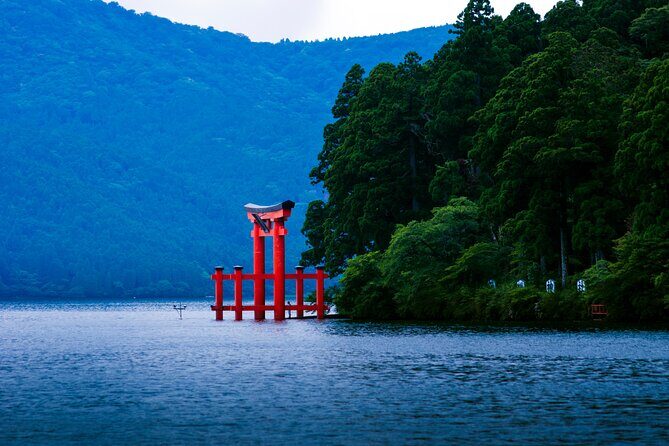
- Hakone Shrine and Kuzuryu Shrine: The Gate That Looks Like It’s Floating
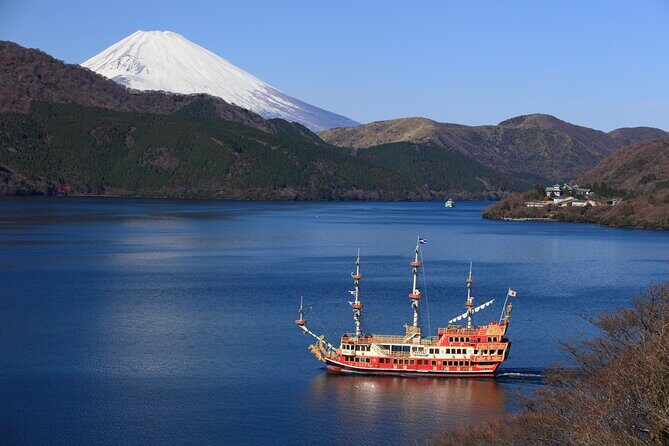
- Lake Ashinoko (Lake Ashi): The Pirate Ship Moment
- What You’re Really Paying For: Price Breakdown and Value
- Guides Can Make or Break the Day: Ryu, Yosuke, Riley, Tomoya
- Practical Tips So You Don’t Feel Rushed
- Should You Book This Mt. Fuji and Hakone Tour?
- FAQ
- What time does the tour start?
- Is pickup included?
- Is the tour private?
- What’s included vs not included?
- How much is the sightseeing ship?
- Will Mt. Fuji be visible?
Key Things That Make This Tour Worth Your Time
- A private group up to 9: you’re not waiting around for strangers, and pickup plus WiFi makes the long day feel smoother.
- Mt. Fuji viewing is scheduled, not guaranteed: your best chance comes early, but you still need a weather-friendly attitude.
- Owakudani is the real “volcano moment”: active volcanic fumes and the crater area are part of what you’re signing up for.
- Two optional add-ons cost extra: Hakone Ropeway and the Lake Ashi sightseeing ship are not included, with the ship priced per person.
- Guides who answer questions calmly: names like Ryu and Yosuke come up for guiding without lecturing and getting you where you need to be.
- Lake Kawaguchi gives Fuji in reflection form: it’s not just mountain views—you’re also watching it mirror in the water.
From 8:00 a.m. to Late Afternoon: How This Day Trip Fits Together
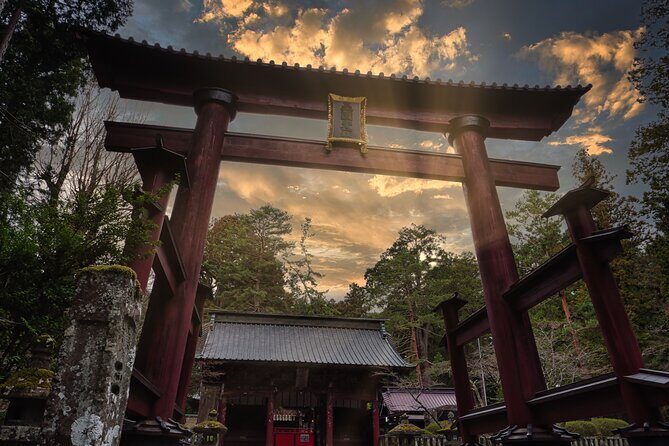
This is a long day, clocking in at about 8 to 10 hours total, starting at 8:00 a.m. That early start matters in Japan. It helps you line up the best odds for Mt. Fuji visibility and it cuts down on the “we wasted the morning” feeling you get on do-it-yourself plans.
You’ll usually ride in an air-conditioned vehicle, and the tour includes onboard WiFi, bottled water, and snacks. That’s not just comfort talk. On a day where you’re moving between viewpoints, the small stuff adds up—less time scrambling, fewer expensive purchases at stops, and more energy for photos.
The tour is private, meaning only your group participates, with a maximum group size of up to 9. That makes a difference if you want to ask questions, stop for a quick photo, or move at your own pace instead of being herded.
You can also read our reviews of more tours and experiences in Tokyo.



Mount Fuji 5th Station: The Big Symbol and the Weather Risk
Mt. Fuji 5th Station is the entrance area for climbing, and it’s one of the most iconic places to stand at the “start” of the mountain in a practical way. The tour also keeps it simple: the admission for this stop is listed as free.
What to know before you set your heart on it: Mt. Fuji may not be visible, and the day is built around that reality. One person’s experience notes that they couldn’t proceed to station 5 because clouds took over, and they were redirected to Oshino Hakkai instead. That tells you something important—your guide isn’t just driving you in a rigid line. They’re trying to keep your day meaningful when visibility fails.
If Mt. Fuji is visible, this stop is about more than photos. It gives you the feeling of stepping closer to the scale of the mountain, and it’s an easy way to get the “I’m really here” moment even if you’re not climbing. If it’s cloudy, your best strategy is mental: plan to enjoy the experience, not just the view.
Lake Kawaguchi: Watching Mt. Fuji Stand Tall and Lie Down
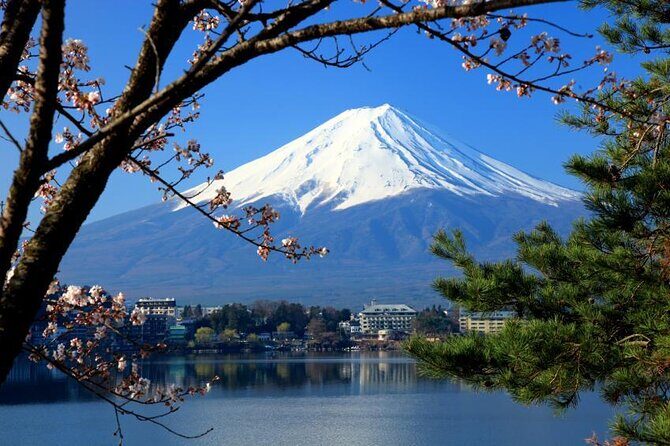
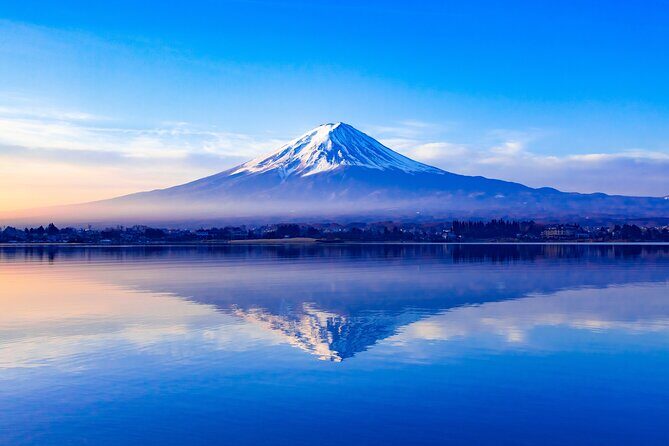
After the Mt. Fuji area, the tour moves to Lake Kawaguchi, where you get a different kind of Mt. Fuji moment: the mountain itself and its reflection. The idea is straightforward and very photogenic—on clear days, the water can mirror the shape like a second mountain.
This stop is listed for about 1 hour, and admission is free. That hour isn’t just random wandering. It’s enough time to find a good angle, walk a short path, and take the shots you’ll want later when you’re home sorting files.
One practical note: you’re dealing with water and wind here. If the day has low clouds or mist rolling in, your reflection might be weaker. I’d still treat Kawaguchi as a “must-do” even if Fuji isn’t perfect, because the water scene itself is part of Hakone/Fuji-region calm.
Owakudani Valley: Volcano Steam, Sulfur Air, and Real Geology
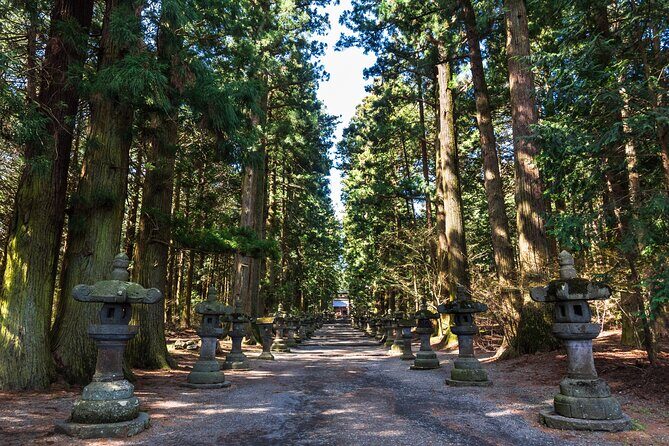
Next comes Owakudani Valley, the crater area from Hakone’s last eruption, around 3,000 years ago. This is the stop that gives the day its strongest “Hakone is alive” vibe. The tour description calls out the active volcanic zone with sulfurous fumes and hot springs.
This portion is about 2 hours, and that time matters. You want enough minutes to walk through at an easy pace, take in what you came for, and not feel rushed while the air does its thing. If you’re sensitive to strong smells, don’t ignore that. Plan to step through briefly and breathe through your nose less than you normally would.
Here’s the bonus: Owakudani isn’t only about smell and steam. It’s one of the most vivid ways to understand why people associate this region with healing hot springs. Even though your itinerary doesn’t describe an onsen soak stop explicitly, the geology is the reason the onsen culture exists.
Hakone Ropeway: A Scenic Ride to the Great Boiling Valley
The Hakone Ropeway takes you to the Owakudani area known as the Great Boiling Valley. You’ll get some views from above, which is a nice counterbalance to walking around at ground level.
The tour lists 30 minutes for this part, and importantly, the Ropeway ticket is not included. Since no price is provided in the tour data, I suggest you budget for it anyway and avoid counting on it being “cheap.” This is one of the spots where spending extra is worth it if the weather is decent, because visibility from above can be dramatic.
If the day is rainy or hazy, the ropeway still works, but the “wow factor” drops. This is another reason why Fuji and cloud timing matters—the whole day is a chain reaction of weather.






Hakone Shrine and Kuzuryu Shrine: The Gate That Looks Like It’s Floating
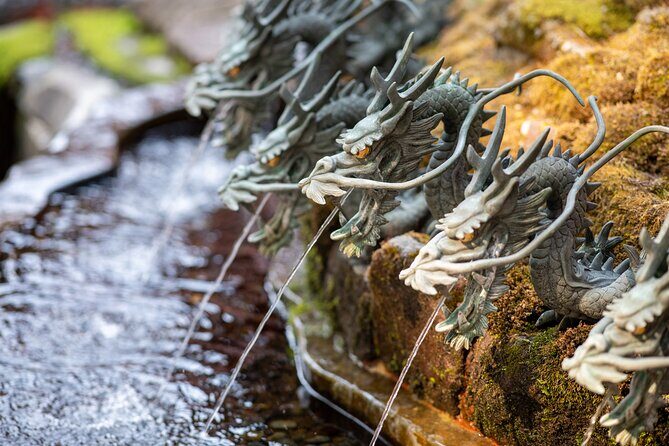
After the volcanic zone, you hit the classic Hakone sights. The tour includes Hakone Shrine / Kuzuryu Shrine with a time around 30 minutes and free admission.
This shrine has history attached to it, with the original construction dated to 757. The standout visual is the big gate that looks like it’s floating on Lake Ashi. In practical terms, that means you’re not just sitting in a parking lot. You’re moving to a viewpoint that frames the lake and shrine together.
For photos, the trick is to give yourself options. If the sky is bright, the gate and water contrast well. If clouds roll in, the scene turns moodier—less crisp but still cinematic.
Lake Ashinoko (Lake Ashi): The Pirate Ship Moment
To finish the day, the tour heads to Lake Ashinoko (Lake Ashi) for a sightseeing ship ride. This is the “slow down” portion of the itinerary. The stop is listed for about 3 hours, and admission for the ship is not included.
The ship ride is described like a pirate ship, and on a clear day you can potentially see Mt. Fuji plus the shrine gate from the water. The ticket price for the ship is given:
- Adult: 2,200 yen
- Child under 13: 1,110 yen
That extra cost is worth weighing against your priorities. If you love views from water and you’re not confident you’ll navigate this region easily on your own, I’d treat the ship as the payout. If you’re on a tight budget, you could still enjoy the shrine area without the full boat experience, but you’d be giving up the most relaxing part of the day.
What You’re Really Paying For: Price Breakdown and Value
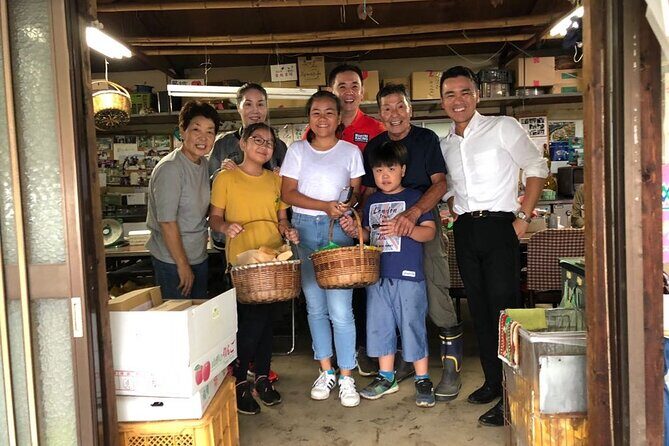
The tour price is $972.18 per group for up to 9 people. That means your cost per person depends on how full the group is. If the group is maxed at 9, you’re roughly around $108 per person before adding any not-included tickets (ship and ropeway). If you’re closer to 4–6 people, the per-person number jumps because it’s group pricing.
What makes it feel like decent value isn’t just the sights. It’s the transport piece: air-conditioned vehicle, onboard WiFi, bottled water, and snacks are included. Also, several core stops list free admission—Mt. Fuji 5th Station, Lake Kawaguchi, and the shrine area. That keeps you from feeling nickeled-and-dimed all day.
The two main money add-ons are:
- Hakone Ropeway (not included; price not stated)
- Lake Ashi sightseeing ship (not included; adult 2,200 yen, child 1,110 yen)
Another value point: you get a mobile ticket and pickup offered. On a multi-stop day starting at 8:00 a.m., smooth logistics often matter more than squeezing in one extra photo stop.
Guides Can Make or Break the Day: Ryu, Yosuke, Riley, Tomoya
This tour’s best praise clusters around the human side. The experiences tied to guides like Ryu and Yosuke repeatedly mention calm competence and explanations that don’t feel overbearing. That matters. You want someone who can answer questions, keep you on schedule, and still let you breathe on sightseeing time.
Guide notes also include Riley (Ryoko), described with emphasis on fun energy and strong communication. Another guide, Tomoya, comes up as soft-spoken but speaking English well, with an ability to get the group to many planned places.
And here’s the practical takeaway for you: if you care about getting good views even when weather shifts, the guide’s role becomes more important than ever. One person’s day included a change from Mt. Fuji 5th Station to Oshino Hakkai due to cloud cover. That kind of flexibility is what turns a frustrating weather day into a memorable one.
Practical Tips So You Don’t Feel Rushed
A few things can help you get through this day without stress:
- Dress like the weather might change. The itinerary includes an altitude-related stop (Mt. Fuji 5th Station) plus water views (Lake Kawaguchi and Lake Ashi). Layers help when temps swing.
- Have yen ready for the not-included parts. The ship ticket price is listed, but the ropeway cost isn’t.
- Treat Mt. Fuji as a bonus, not a guarantee. The tour openly warns Mt. Fuji may not be visible, and real-world swapping to Oshino Hakkai shows the plan can adjust.
- Use the onboard WiFi and snack time wisely. Starting early means you’ll likely spend a lot of the day away from convenience stores. The included snacks help you avoid getting hungry at the worst possible moment.
- Ask questions early. The guides highlighted in experience notes (Ryu, Yosuke, Riley, Tomoya) are praised for answering smoothly. Use that right away while you still have time to act on advice.
Should You Book This Mt. Fuji and Hakone Tour?
I’d book this tour if you want a guided, efficient day that links Mt. Fuji viewpoints with a true Hakone volcanic stop, and you like the idea of a small private group with pickup. It also fits well if you’d rather pay for logistics than spend your mental energy figuring out trains and transfers for a same-day circuit.
I’d think twice if your trip is built around a strict must-see: Mt. Fuji at 5th Station in clear conditions. The tour itself flags visibility risk, and while the guide may adjust (like switching to Oshino Hakkai), you shouldn’t assume the view will cooperate on the day you pick.
If you’re okay with that trade-off—organized transport, multiple scenic hits, and a guide handling the tricky parts—this is a solid choice for a first-time Fuji-and-Hakone day from Tokyo.
FAQ
What time does the tour start?
The tour starts at 8:00 a.m.
Is pickup included?
Pickup is offered, and the meeting point is described as being near public transportation.
Is the tour private?
Yes. It’s a private tour/activity, and only your group participates, with group size up to 9.
What’s included vs not included?
Included: air-conditioned vehicle, WiFi on board, bottled water, and snacks. Not included: Hakone Ropeway and the Lake Ashi sightseeing ship.
How much is the sightseeing ship?
The ship price is listed as 2,200 yen for adults and 1,110 yen for children under 13.
Will Mt. Fuji be visible?
Mt. Fuji may not be visible depending on weather conditions, so plan for the possibility that the day’s views could change.