REVIEW · TOKYO
Nagano: World’s Edge Tateyama Kurobe Alpine Route Tour
Book on GetYourGuide →Operated by Omotenashi-travel · Bookable on GetYourGuide
Snow walls start the day right. This private Nagano tour climbs to the 2,450m Murodo Plateau with buses, ropeways, and trolley buses, and an English-speaking guide like Chris keeps the whole day moving. I love how the transfers are handled for you and the way your trip gets photographed for memory gifts after.
One key thing to plan for: admission is paid on-site, so your all-in cost will be higher than the tour price.
In This Review
- Key Highlights at a Glance
- Why This Tour Works for the Tateyama Kurobe Route (Roof of Japan energy, less hassle)
- Private Pickup From Nagano and Nearby: Less Driving, Less Stress
- Hitting Kurobe Dam First: A Short Guided Portion That Sets the Tone
- Murodo Plateau: Two Guided Hours Plus Free Time to Make It Yours
- Seasonal Timing: Snow Walls in Spring, Alpine Breezes in Summer, Leaves in Autumn
- The Transport Mix: Electric Buses, Ropeways, and Trolley Buses Without the Math
- Photo Memories Done Right (From Dedicated Camera to Real Keepsakes)
- Food and Breaks: Mountain Cafés and Lunch Stops That Fit the Pace
- Cost and Value: $220 Plus Admission Fees on Site
- Who This Tour Suits Best (and who might not love it)
- What the Day Feels Like: Calm Planning, Big Mountain Payoff
- Should You Book the Nagano Tateyama Kurobe Alpine Route Tour?
- FAQ
- Is the Tateyama Kurobe Alpine Route open year-round?
- How long is the tour?
- What’s included in the tour price?
- Is the admission fee included?
- What kind of transport do we use to reach the top?
- How much time do we spend at Murodo?
- What language will the guide speak?
- Where can pickup be arranged?
Key Highlights at a Glance
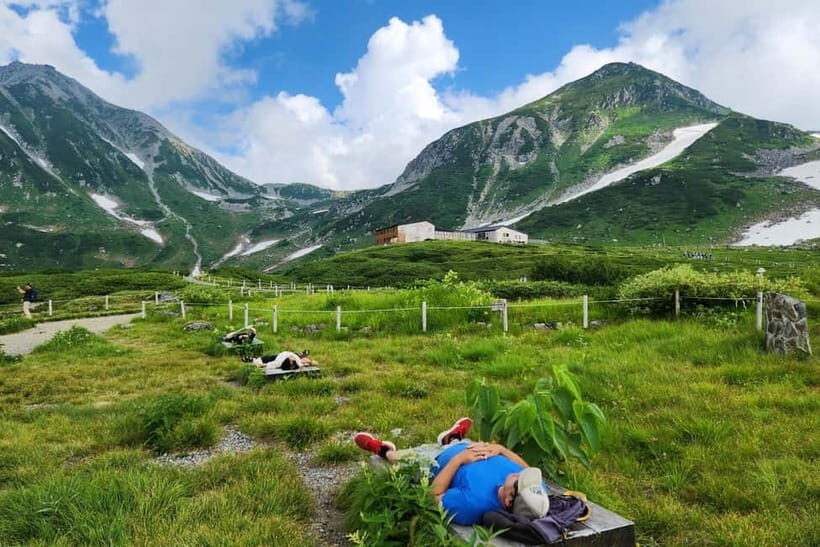
- Seasonal alpine icons: snow walls in spring, cool mountain weather in summer, and autumn leaves in September–October
- Murodo Plateau access up to 2,450m using electric buses, ropeways, and trolley buses
- Private door-to-mountain pickup with flexible drop-off in Nagano or Matsumoto
- Guide-managed transfers and timing, so you don’t lose time figuring out which vehicle is next
- Photo memories captured with a dedicated camera and shared after the tour
- Real mountain time with guided segments plus free time at Murodo for your own pace
Why This Tour Works for the Tateyama Kurobe Route (Roof of Japan energy, less hassle)
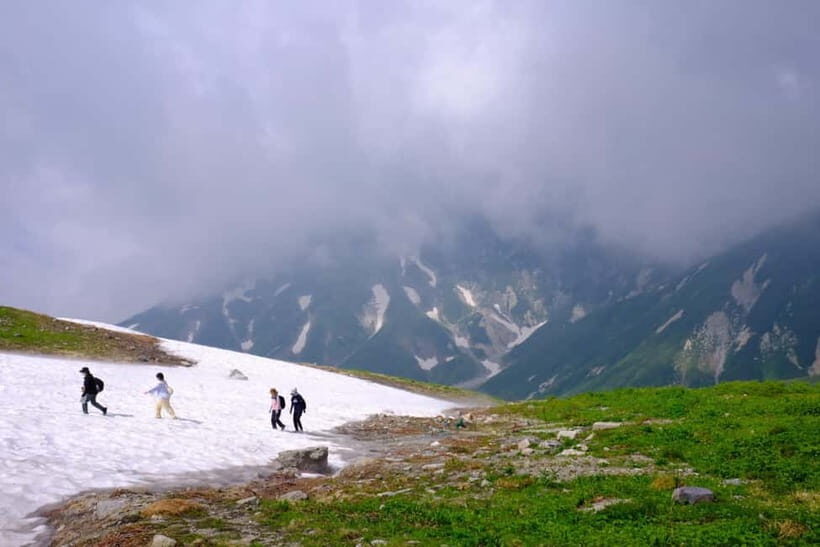
The Tateyama Kurobe Alpine Route is one of those rare places in Japan that feels like a whole journey, not just a sightseeing stop. You get a chain of mountain transport that climbs fast, then lingers high enough for big views at Murodo Plateau (2,450m). The route is closed in winter, so every open-season visit feels special—and it’s not the kind of day you want to waste stuck in the wrong line.
This tour is built around the hard part: coordinating multiple transport segments. The payoff is that you spend your energy on what matters—walking, looking, eating, and taking it in—rather than studying schedules at your phone screen.
You can also read our reviews of more tours and experiences in Tokyo.



Private Pickup From Nagano and Nearby: Less Driving, Less Stress
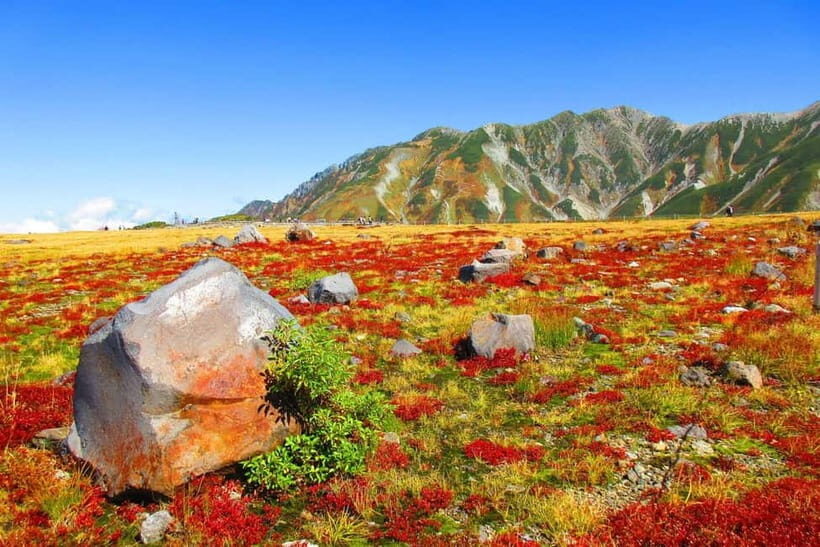
You’re not just meeting a guide at a station and hoping for the best. You can choose from seven pickup options (Nagano, Hakuba, Togakushi, Matsumoto, Obuse, Kamiminochi District, and Azumino), which helps you start the day on your terms. After that, you’re transported by private vehicle to/from Ogizawa Station, then the guide keeps the next steps on track.
That “private vehicle + handled transfers” formula matters more than it sounds. The Alpine Route involves several modes—electric buses, ropeways, and trolley buses—and small timing slips can ripple into bigger delays. With a guide, you get a calm rhythm: arrive, board, ride up, and keep moving.
If you’re the type who hates rushing, or you have limited tolerance for chaotic station navigation, this setup is a huge win.
Hitting Kurobe Dam First: A Short Guided Portion That Sets the Tone
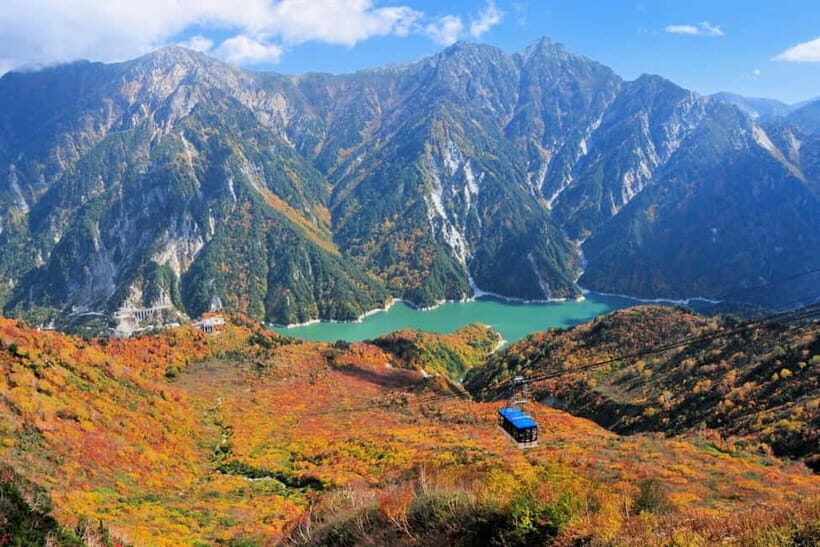
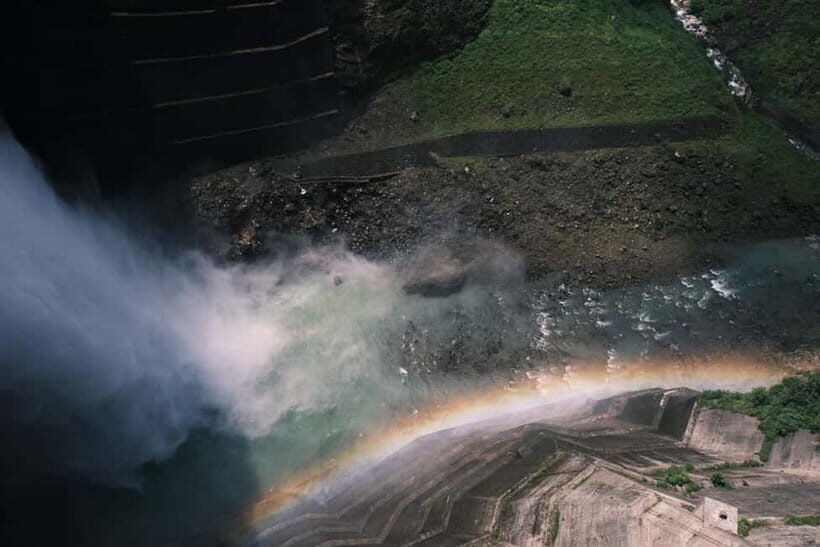
The day doesn’t throw you straight into a long climb. You start with a guided visit at Kurobe Dam for about 1.5 hours, which works as a warm-up both visually and logistically. Dam views in a mountain corridor have a certain quiet power: it’s not just “pretty,” it helps you understand the scale of the area you’re entering.
From a practical standpoint, this timed guided segment also makes the day easier. By the time you reach the higher altitude zone, you’re already oriented on where to go and what to look for.
Murodo Plateau: Two Guided Hours Plus Free Time to Make It Yours
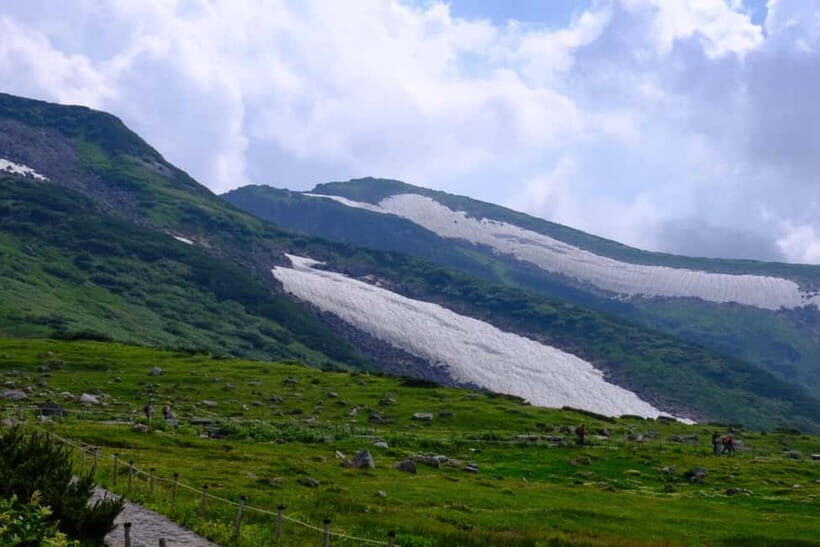
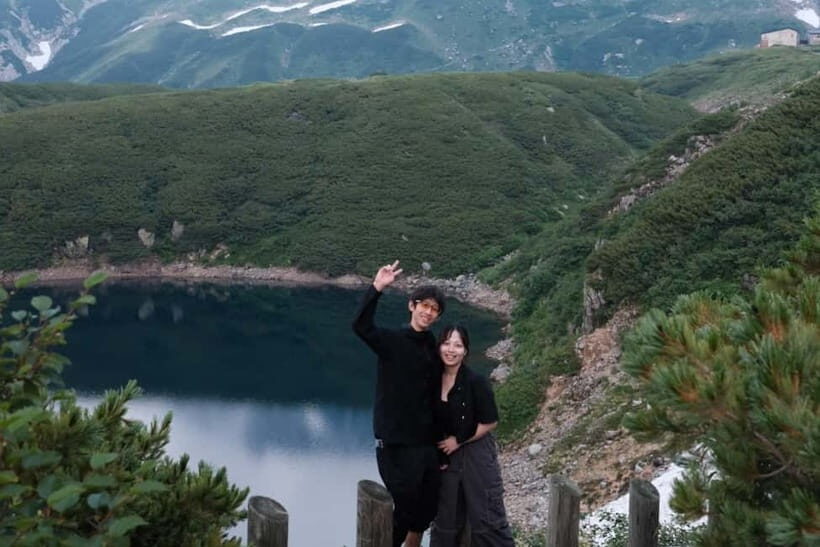
Once you’re up near Murodo, you get the best mix of direction and freedom. There’s a guided tour around 2 hours, followed by about 2 hours of free time. That structure is excellent because it gives you context first, then space to do your own thing—whether that’s sitting down with your lunch, taking a slower walk, or finding the best angle for photos.
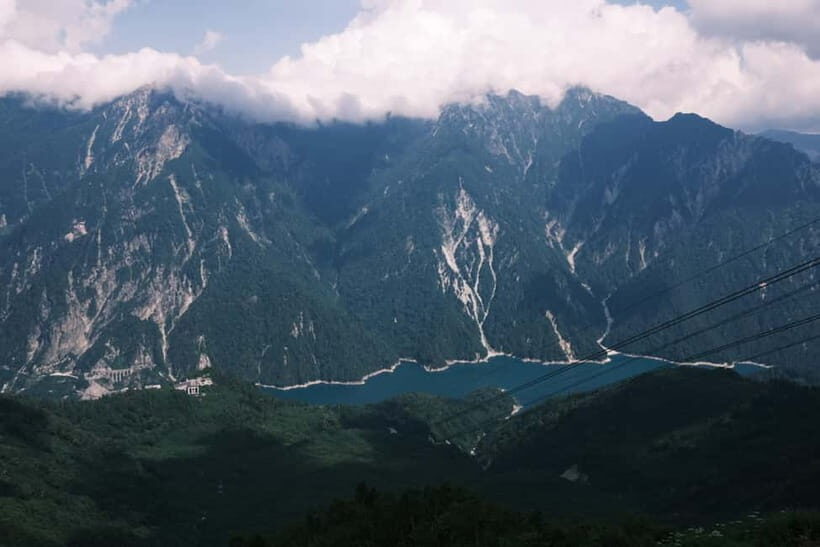
Murodo is the place where the Alpine Route earns its reputation. You’re high enough to feel the shift in air and atmosphere, and you’re in the zone where seasonal changes are obvious. In clear weather, the views can feel like you’re looking out from the end of the world.
You also don’t have to do a rigid “checklist” hike. The idea is that you can walk more if you want. Some days, groups choose a longer stroll while others keep it gentle. Either way, the guide’s there to help you pace it.
Seasonal Timing: Snow Walls in Spring, Alpine Breezes in Summer, Leaves in Autumn
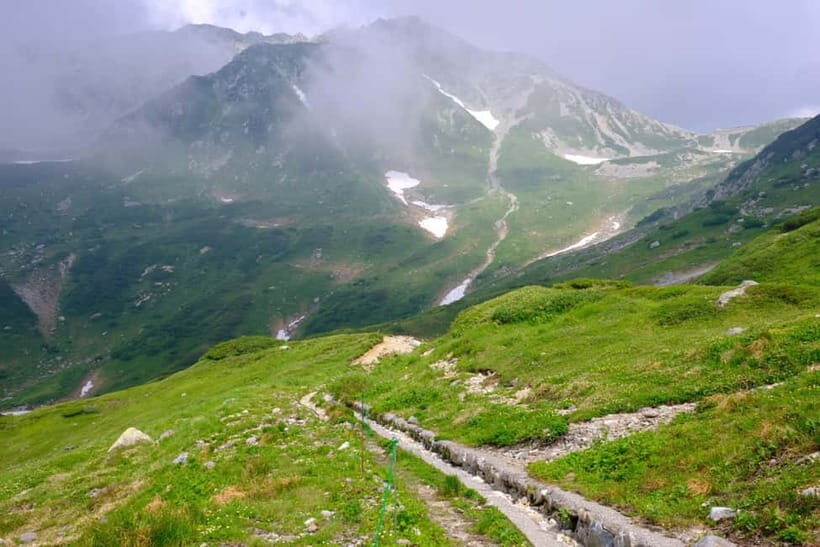
The Alpine Route changes dramatically across the year, and the tour is designed around that reality. Here’s the simple way to think about it:
- April–June: your headline is the snow walls, sometimes towering around 20 meters. This is the “wow” season, and it’s also the window when the route’s winter identity is most visible.
- July–August: you trade the snow drama for cooler alpine air—perfect if you want mountain weather without fighting deep summer heat.
- September–October: you come for autumn color, when the hillsides start shifting into warm tones.
One more thing I like: the route is closed in winter, which means planning has to be seasonal anyway. That “only open when it’s good” rhythm keeps your expectations real. You’re not booking a generic mountain day that may be underwhelming.





The Transport Mix: Electric Buses, Ropeways, and Trolley Buses Without the Math
The Alpine Route is famous because it’s not one train ride. It’s a sequence—electric buses, ropeways, and trolley buses—each with its own feel. In theory, it’s doable on your own. In practice, it can be a mental tax: timing, transfers, and getting everyone moving in the right direction.
That’s why this tour’s approach is so practical. Your guide manages the mountain transport segments and helps with transfers between each leg, so you’re not stuck trying to decode signage while your group waits. And because you’re on a private day, you’re also less likely to feel squeezed by crowd flow.
Bonus detail: you’re likely to get plenty of “pause moments” for photos. That matters up here, because the best angles don’t last long.
Photo Memories Done Right (From Dedicated Camera to Real Keepsakes)
One of the most charming parts of this experience is that it treats your day like a story worth preserving. Your journey includes a dedicated camera that captures moments as you move through the route, and you receive the photos later as memories. The point isn’t just snapping a few group shots—it’s documenting the day as it unfolds: the views, your pause stops, and the in-between moments that make trips feel real.
Some guests report getting photos shared soon after the tour day as well, which helps if you like to relive the scenery while it’s still fresh. Either way, having someone else handle photography is a relief, especially when you’d rather spend your energy looking out.
Food and Breaks: Mountain Cafés and Lunch Stops That Fit the Pace
You’re high up, you walk a bit (or a lot), and you want food that doesn’t kill your momentum. This tour builds in time for that. You’ll have chances along the way to sit, snack, and keep your energy steady, and there’s also a restaurant option at the top area if you want something more substantial.
I like that the day isn’t structured so tightly that you have to choose between food and views. A mountain day is more enjoyable when breaks are expected, not accidental.
And yes, wildlife can pop up. On some days, guides have helped spot animals like monkeys during the journey. You can’t plan on seeing them, but the chance is real enough that it’s worth keeping an eye out when you’re in the right zones.
Cost and Value: $220 Plus Admission Fees on Site
Let’s talk money like adults.
The tour price is listed at $220 per person for a 12-hour day. But the main admission fee for the Alpine Route is not included. Adult (12+): 12,300 yen. Child (6–11): 6,150 yen. Kids under 6 are free when seated on an accompanying adult’s lap.
So is it worth it? In many cases, yes—because you’re paying for the parts that are hard to DIY efficiently:
- private pickup and private vehicle access to the entrance zone (Ogizawa Station)
- an English-speaking guide for the whole day
- transfer assistance across multiple mountain transport systems
- a guided structure that prevents wasted time and wrong turns
If you were traveling with a group and the logistics were simple, you could argue for going fully independent. But the Alpine Route is a transportation puzzle, and the value here is buying time and calm. For solo travelers or couples who don’t want to stress, the math often comes out in your favor—especially during peak seasons when lines and timing tighten.
One more money note: admission is paid on-site, and the tour description says this is often better than dealing with extra online fees. So you can plan for the yen cost, then stop thinking about payment hassles for the day.
Who This Tour Suits Best (and who might not love it)
This is ideal if you want the Alpine Route experience without turning your day into a navigation project. It’s also a good match if you like guided pacing but still want freedom at the top.
You’ll likely enjoy it most if:
- you want a private group experience with your own rhythm
- you’d rather have an expert manage transfers than you
- you care about photos and don’t want to constantly hand your phone to strangers
- you’re traveling with family members who benefit from a steady plan
You might think twice if you’re a hardcore independent traveler who already has a firm grasp of the transport schedule and doesn’t mind juggling it while carrying snacks, layers, and a bit of patience.
What the Day Feels Like: Calm Planning, Big Mountain Payoff
The best way I can describe the experience is this: the mountain is loud. The planning doesn’t have to be.
The day flows through distinct zones—Kurobe Dam for context, then Murodo for the main views, with a mix of guided guidance and personal time. Since your guide handles transfers and timing, you’re not constantly checking the clock or counting how many steps are left in the day.
And because it’s private, it feels less like a production and more like a tailored outing. The guide can help adjust the walking time to match your pace, so you’re not stuck doing “just one more” when your legs have other ideas.
If you like your travel days to feel both organized and human, this is a strong fit.
Should You Book the Nagano Tateyama Kurobe Alpine Route Tour?
Book it if you want the Alpine Route’s biggest seasonal highlights up to Murodo Plateau and you’d rather buy stress relief than fight logistics. The private pickup options, guide-managed transfers, and photo memories add real value, especially when you’re dealing with multiple transport types in one day.
Skip this style of tour if you already enjoy route planning as a hobby and you’re comfortable handling timing alone. If not, this is one of those tours where you’re paying to turn a complex day into a smooth one—so you can spend your time doing the fun part: looking up, walking out, and enjoying the seasons at Japan’s rooftop.
FAQ
Is the Tateyama Kurobe Alpine Route open year-round?
No. The Alpine Route is closed in winter, so you’ll want to plan for the open seasons where snow walls, summer alpine weather, or autumn leaves are possible.
How long is the tour?
The tour duration is 12 hours.
What’s included in the tour price?
Hotel pickup and drop-off in Nagano or Matsumoto are included, along with a private English-speaking guide for the day, private vehicle transport to and from Ogizawa Station, and assistance with transfers between all mountain transport segments.
Is the admission fee included?
No. Admission is paid on-site. Adult (12+): 12,300 yen. Child (6–11): 6,150 yen. Children under 6 are free when seated on an accompanying adult’s lap.
What kind of transport do we use to reach the top?
You’ll ride multiple mountain transport segments up toward Murodo Plateau, including electric buses, ropeways, and trolley buses.
How much time do we spend at Murodo?
You get guided time at Murodo (about 2 hours) plus free time (about 2 hours).
What language will the guide speak?
The live guide speaks English and Japanese.
Where can pickup be arranged?
Pickup is available from 7 locations: Nagano, Hakuba, Togakushi, Matsumoto, Obuse, Kamiminochi District, and Azumino.