REVIEW · NAGASAKI
Nagasaki: Explore Japanese Teas on a Tea Tour
Book on GetYourGuide →Operated by Nagasaki Ikedoki Tea · Bookable on GetYourGuide
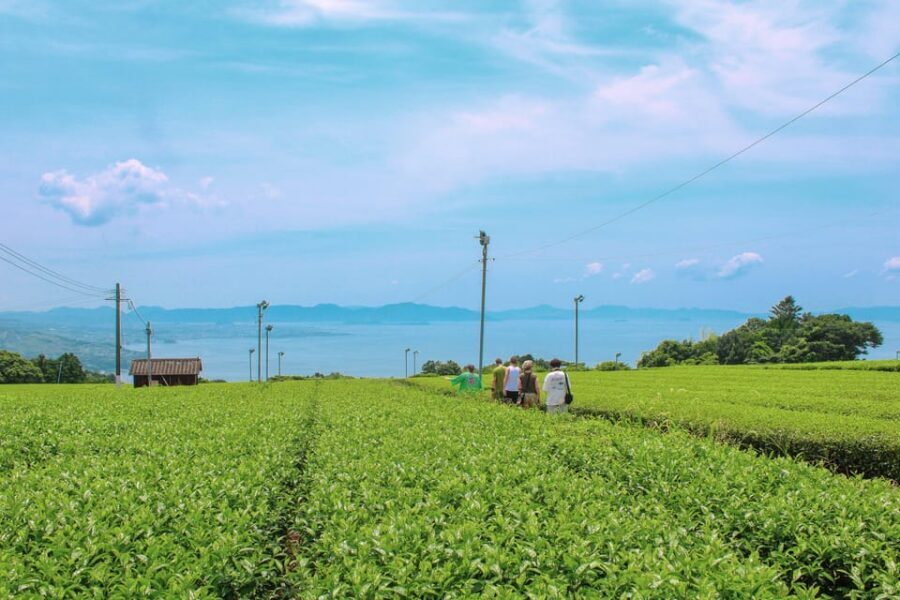
Tea grows where you can see the sea. In Sonogi, you’ll spend four hours with guide Marjolein, tasting Nagasaki-area teas and learning how this region shaped Japan’s tea culture—right where the plants are grown and the coast is in view. I love how the story stays tied to what you’re smelling, sipping, and doing.
I also like that you get hands-on with Tamaryokucha and Matcha, not just a line of cups to pass by. Lunch is included too, along with traditional seasonal Japanese sweets, so the whole experience feels complete.
One thing to consider: at $132 for a 4-hour outing, it’s focused and paced, so if you’re hunting for a long day outdoors or a deep dive into Nagasaki city sights, you may want extra time elsewhere.
In This Review
- Key things to look forward to
- Why Nagasaki’s tea story feels more real than most
- Meeting Marjolein: small-group teaching with room for questions
- Sonogi tea fields with Omura Bay in the background
- The Tamaryokucha factory: where steamed, curly tea becomes real
- Hands-on: brew Tamaryokucha and whisk matcha yourself
- What’s for tasting: Nagasaki’s tea lineup, in plain terms
- Lunch and seasonal sweets: don’t skip this part of the day
- Price and value: what $132 buys you in 4 hours
- Who should book this tour (and who might skip it)
- Should you book Nagasaki Ikedoki Tea’s Sonogi tea tour?
- FAQ
- How long is the tea tour in Nagasaki?
- How many people are in the group?
- What teas will I try during the tour?
- Is lunch included, and can you handle allergies?
- Do I get hands-on experience?
- Is the tour in English, and can I cancel for a full refund?
Key things to look forward to
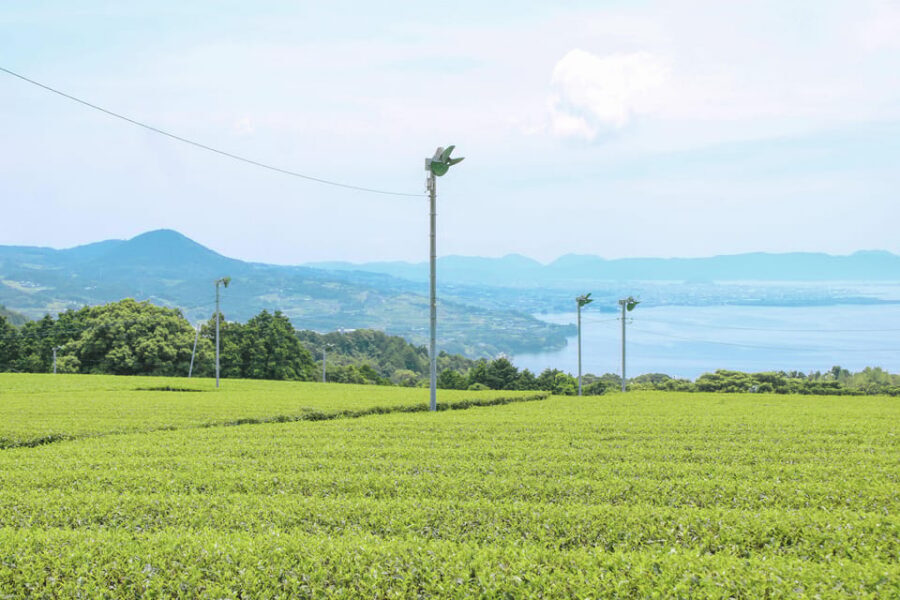
- Omura Bay tea-field views in Sonogi with the farming scene right in front of you
- A small group capped at 4, so questions actually get answered
- A factory stop for Tamaryokucha, including how steamed curly tea is made
- Hands-on brewing and matcha whisking so you leave with skills, not just samples
- Lunch and seasonal sweets included, so you’re not squeezing meals between stops
Why Nagasaki’s tea story feels more real than most
Nagasaki isn’t just a stop on Kyushu. It’s part of the reason Japanese tea culture looks the way it does today. On this tour, you’re not handed vague background. You taste your way through that tea identity using teas that come from the Nagasaki and Sonogi area, then you see how they’re produced close up.
You’ll start noticing something fast: Japanese tea isn’t one flavor. It’s a set of styles. Green teas can be steamed and curly, roasted teas can taste warmer and rounder, and black tea can shift the whole mood of your cup. When you learn that through real tastings, the history stops being trivia and starts being practical.
Also, this is one of those experiences where the pace makes sense. In a half-day, you can get out of the city, see the growing region, and still come back feeling fed, informed, and ready to buy a bag or two of tea for home.
You can also read our reviews of more tours and experiences in Nagasaki.
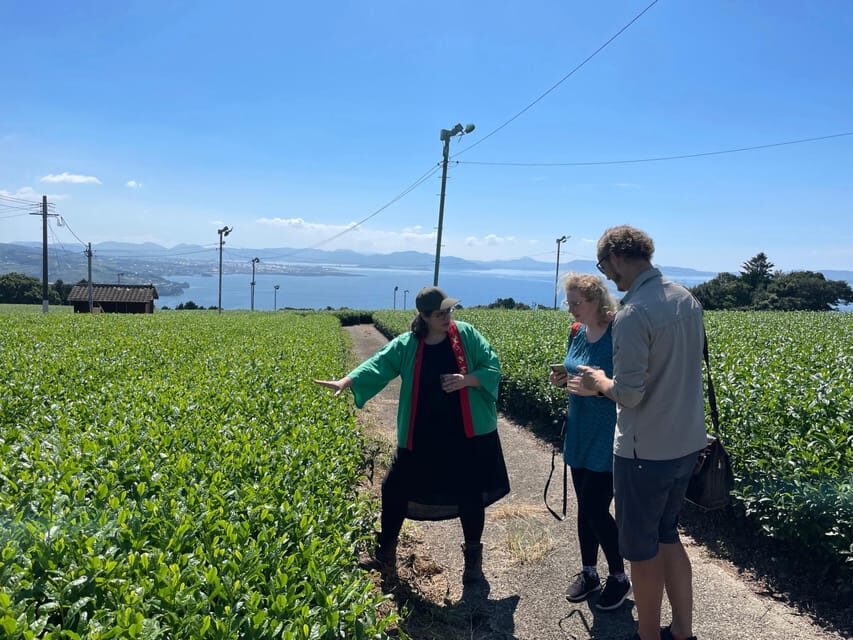
Meeting Marjolein: small-group teaching with room for questions
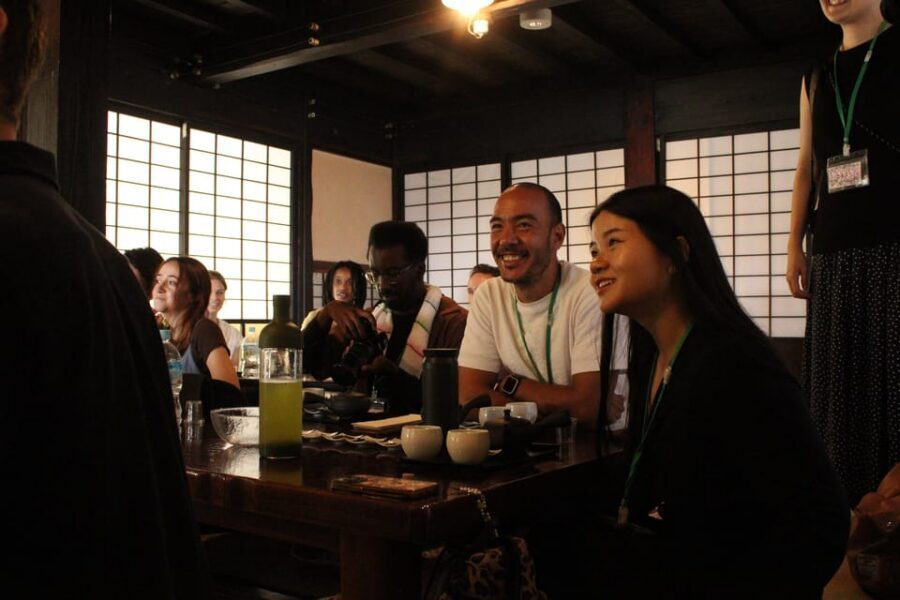
This tour is built for English speakers and runs with a live guide. The group is kept small—limited to 4 participants—so you don’t get stuck listening from the back of the room. You get time to ask things like how to brew each tea, what to look for in taste, and what type of tea drinkers usually prefer.
Marjolein’s approach (from the way the tour is described and the consistent feedback about her style) is relaxed but structured. You’re guided through the why behind the process, not just the what. That matters, because tea can feel intimidating if someone dumps terms on you. Here, you can learn in plain steps, tasting along the way.
One extra plus: because the group is so small, the experience can feel personal. Even when the weather isn’t perfect, the guide still keeps the tour interactive, with plenty of opportunities to taste and compare cups.
Sonogi tea fields with Omura Bay in the background
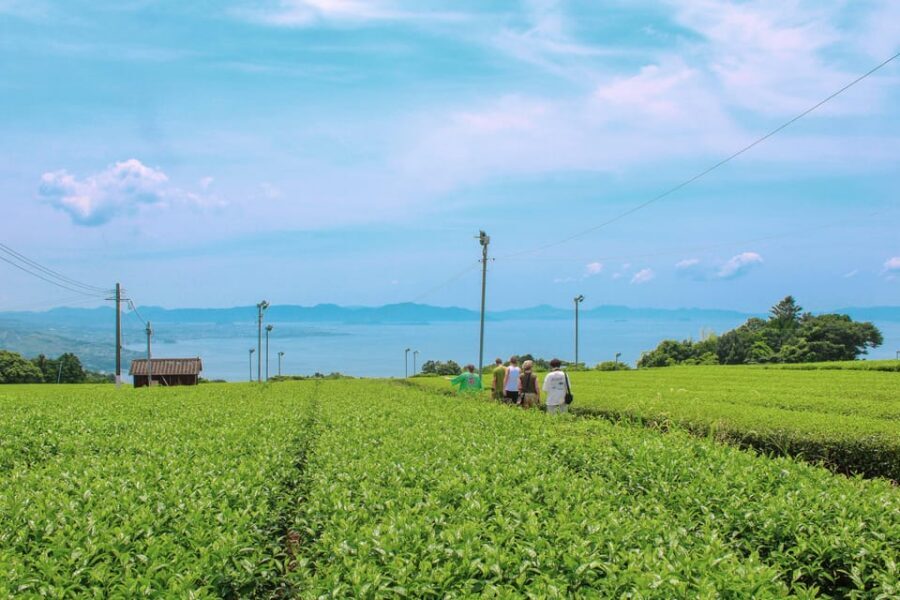
The scenery is a big part of the value. You’ll head to Sonogi’s tea fields with Omura Bay as a backdrop, so your learning isn’t trapped inside a building. Seeing the slope, the plants, and the coastal view makes the tea growing process feel tangible.
This is the kind of stop that changes how you taste later. When you understand that the tea you’re brewing comes from a specific farming region and not a generic supermarket blend, small flavor differences start to make sense. Is the tea more grassy? More mellow? More toasted? You’ll be in a better position to notice, because you’ve seen the living source first.
If you like nature-light outings (not hardcore hikes), this is your sweet spot. It’s scenery with purpose. And it’s a nice break from city sightseeing, especially if you’re spending time in Nagasaki and want one day that feels calmer.
The Tamaryokucha factory: where steamed, curly tea becomes real
Next comes the production side. You’ll visit a tea factory where Tamaryokucha—described as steamed curly green tea—is made. That stop is more than a walk-through. It helps you connect the tea texture and flavor to the process.
Tamaryokucha is known for its shape and character. Curly, steamed green tea tends to give you a different sensory experience than flat-leaf styles. When you see the factory workflow, you understand that those curls aren’t cosmetic. They relate to how the tea is processed, which helps explain why your cup tastes the way it does.
Practical tip: pay attention to the steps you’re shown, because later you’ll actually brew and compare. When you can link aroma and taste to the process you just observed, you learn faster—and you’re more likely to buy the right tea rather than the prettiest label.
Hands-on: brew Tamaryokucha and whisk matcha yourself
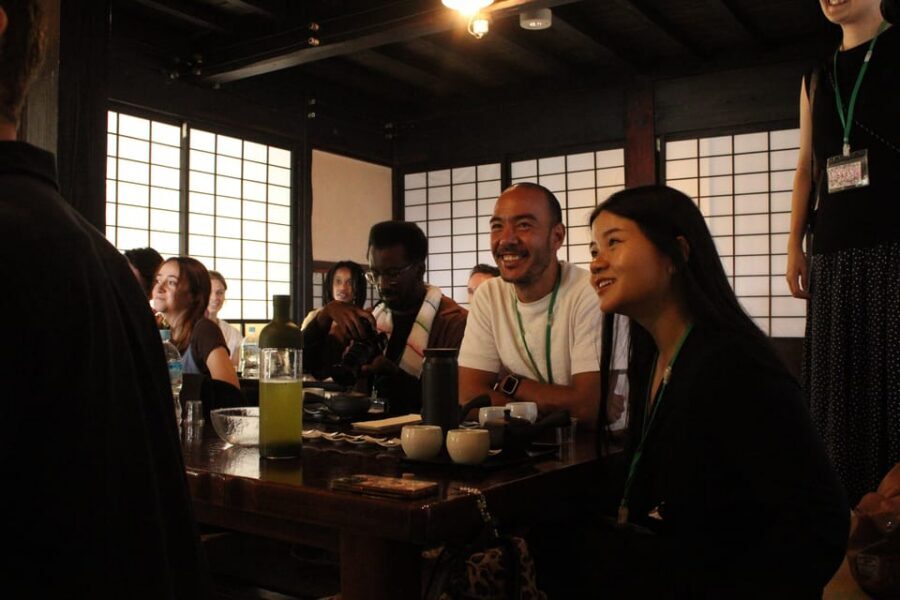
This is the part most people remember, because you’re doing it, not just watching. You’ll get hands-on experience brewing Tamaryokucha and whisking Matcha.
Brewing Tamaryokucha yourself is especially useful because it teaches timing and technique. Tea can taste good or boring depending on how you treat it: water temperature, steep/brew time, and even how you pour. When you get coached during the process, you stop guessing and start tasting with confidence.
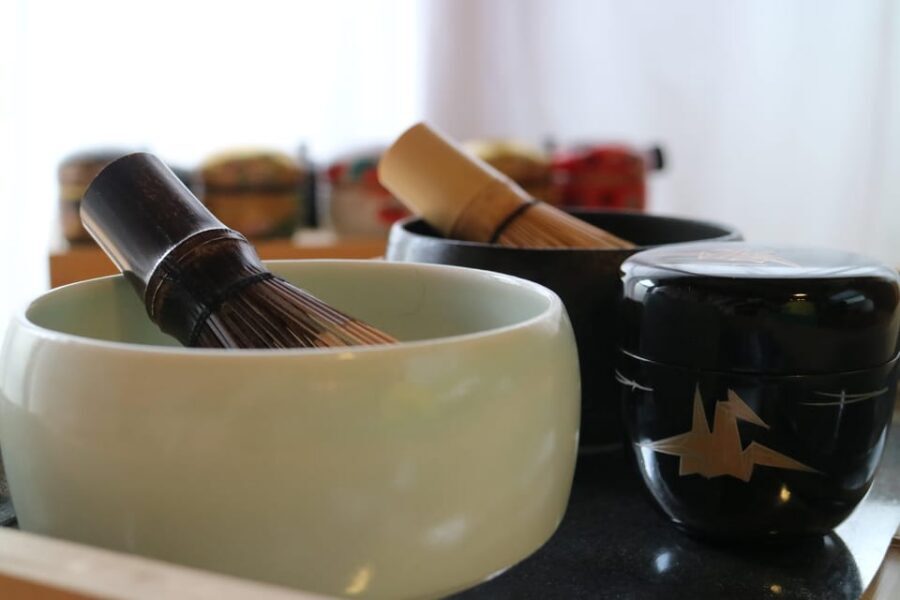
Then matcha whisking gives you a different skill set. Matcha is finely ground green tea, and how you whisk matters for texture. A properly prepared bowl feels smoother and more cohesive; under-whisk it can taste flatter. Even if you don’t master it on the first try, you’ll leave knowing what to aim for the next time you buy matcha.
This section is also where a small group really pays off. With fewer people, the guide can correct technique and answer questions without rushing.


What’s for tasting: Nagasaki’s tea lineup, in plain terms
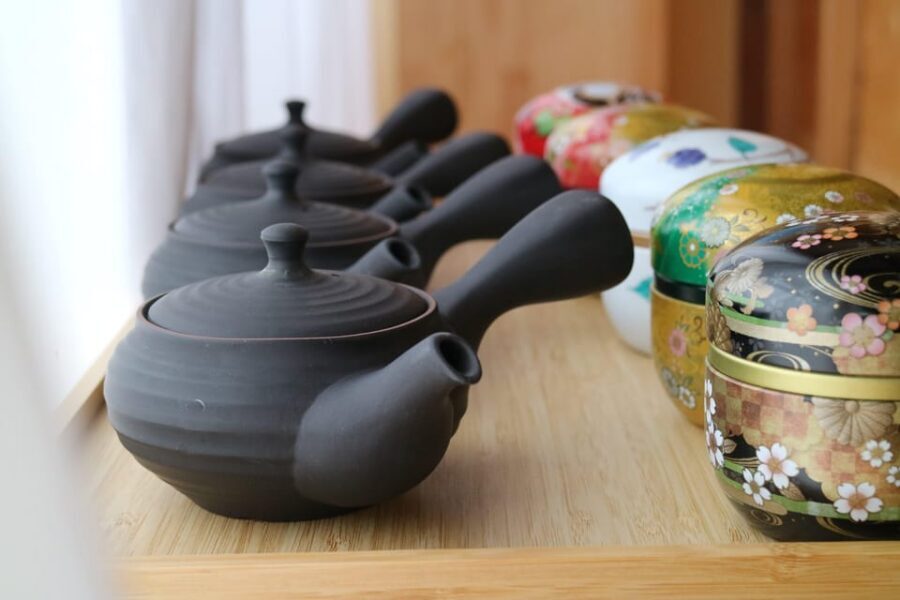
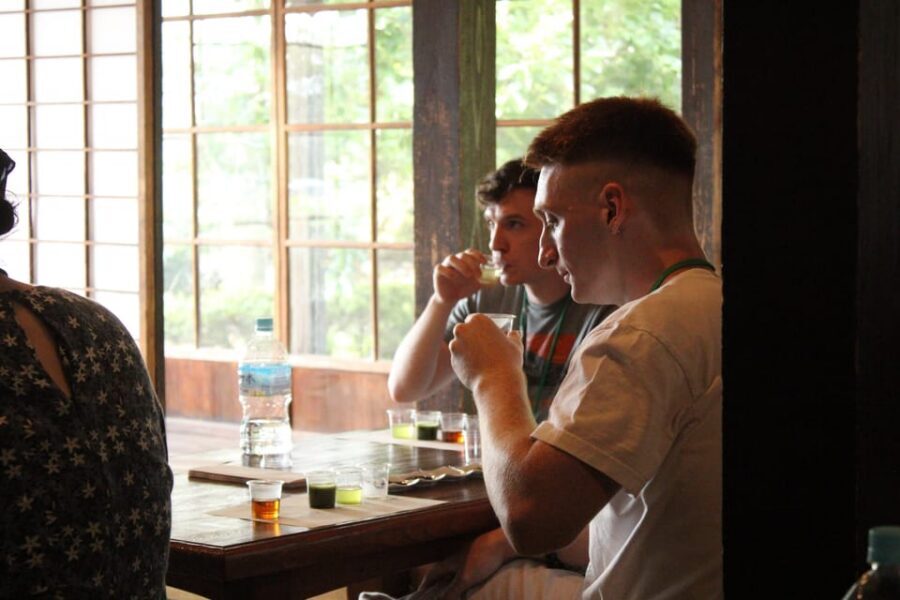
You’ll sample a selection of local tea specialties during the tour. The teas named include:
- Tamaryokucha: steamed curly green tea
- Shiraore: mild twig tea
- Houjicha: roasted green tea
- Wakoucha: Japanese black tea
- Matcha: finely ground green tea
- And more local varieties in the tasting lineup
Here’s why this lineup is smart for first-timers. It covers multiple flavor directions in one short time:
- If you like lighter, grassy notes, you’ll likely enjoy the steamed style and matcha.
- If you prefer something warmer and less grassy, roasted Houjicha can be a friendly gateway.
- If you want tea that behaves more like a breakfast cup, Wakoucha offers that black-tea profile.
- And Shiraore, being described as mild twig tea, suggests a gentler character—useful if you’re easing into Japanese tea.
Instead of treating tea like one category, you get to experience it like a spectrum. That’s the fastest way to figure out what you personally like.
Lunch and seasonal sweets: don’t skip this part of the day
Lunch is included, and it’s paired with traditional seasonal Japanese sweets. That sounds simple, but it’s a real value add. Tea tours can be dry and snack-light, and then you end up tasting like you’re on fumes.
Here, you can recover between tastings and then go back to tea with a clearer palate. It also keeps the day from feeling like a demo followed by a scramble to eat nearby. If you have allergies or dietary restrictions, you’ll be asked to inform the provider in advance so the meal can be handled appropriately.
Bottom line: the included lunch makes this feel like a full experience, not just a stop-and-go tasting session.
Price and value: what $132 buys you in 4 hours
At $132 per person for a 4-hour outing, you’re paying for three things that are hard to recreate on your own:
- Transportation and timing built around specific tea sites.
You’re going to Sonogi and visiting both the tea fields and a factory, which is the core of the story.
- Guided tasting plus hands-on practice.
The tour doesn’t just hand you cups. You brew Tamaryokucha and whisk Matcha, guided so you learn something you can use later.
- Lunch plus seasonal sweets.
That included meal is part of the “you’re not missing anything” feeling. You’re not paying extra for food while you’re already paying for the experience.
And you’re not stuck in a large group. With a maximum of 4 participants, the tour is set up for interaction, not mass entertainment.
If you’re the type who loves tea and wants the fastest path to understanding what’s special about Nagasaki, this price feels fair. If you’re indifferent to tea, you may see it as a bit steep—because the entire experience revolves around tea.
Who should book this tour (and who might skip it)
You should strongly consider booking if:
- You want a calm half-day outside the city.
- You enjoy tea tastings and want more than one style of Japanese tea.
- You like hands-on learning, especially brewing and whisking.
- You prefer small-group tours in English with time for questions.
You might skip it if:
- You’re expecting a long outdoor hike or a full-day adventure.
- You don’t drink tea at all and won’t enjoy tasting multiple types.
- You’re only looking for Nagasaki city landmarks and want zero countryside time.
Should you book Nagasaki Ikedoki Tea’s Sonogi tea tour?
Yes, if your goal is to come away with both flavor knowledge and practical tea skills. The combination of Sonogi tea-field views, a Tamaryokucha factory visit, and the chance to brew and whisk makes it more than a scenic photo stop.
This is especially worth it when you value small groups and a guide who can explain what you’re tasting in a way that clicks. If you’re on a tight schedule in Kyushu and want one focused, authentic tea experience, this hits the mark.
FAQ
How long is the tea tour in Nagasaki?
The tour lasts 4 hours.
How many people are in the group?
It’s a small group limited to 4 participants.
What teas will I try during the tour?
You’ll taste a selection of local Japanese teas, including Tamaryokucha, Shiraore, Houjicha, Wakoucha, Matcha, and additional varieties.
Is lunch included, and can you handle allergies?
Lunch is included, along with traditional seasonal Japanese sweets. You should inform the provider in advance about allergies or dietary restrictions.
Do I get hands-on experience?
Yes. You’ll have hands-on experience brewing Tamaryokucha and whisking Matcha.
Is the tour in English, and can I cancel for a full refund?
The tour has an English live guide. There is free cancellation up to 24 hours in advance for a full refund, and you can reserve now and pay later.