REVIEW · OSAKA
Nara 8hr Private Tour – Osaka DEP. with Licensed Guide
Book on Viator →Operated by Japan Guide Agency · Bookable on Viator
Nara can feel like a time machine. The best part of this private day is that your licensed English-speaking guide handles the routing and translation, so you can focus on the sights instead of figuring out trains, entrances, and etiquette. I also like how the day stays flexible, meaning your walk through UNESCO-listed Nara can match your interests rather than forcing you down a fixed line.
Second, I love the pace: you’re not pushed from one photo spot to the next. With a private setup and a choice of 3 to 4 sights, you get to linger at Todaiji’s scale, Kasuga Taisha’s calm, or a garden moment when you need a break.
One consideration: some key stops charge their own entry fees, and those admission tickets aren’t included, so you’ll want to budget a bit for temple/garden entry on top of the tour price.
In This Review
- Key Things I’d Plan Around (Before You Go)
- Why This Private Nara Tour Works Better Than DIY
- Todai-ji Temple: The Big Buddha Moment, Without the Rush
- Nara Park and Kasuga Taisha: Deer, Shrines, and a Calm Rhythm
- Mt. Wakakusayama: A Short Hike for Long Views
- Horyu-ji Temple: When You Want One of Japan’s Oldest
- Naramachi: The Merchant District Stroll You’ll Enjoy More Than You Expect
- Kofuku-ji: Fujiwara Connections in a Temple Setting
- Yakushi-ji and Shin-Yakushi-ji: Symmetry and Medicine Motifs
- Nara National Museum: Understand Before You Move On
- Heijo Palace Museum: The Capital Under Your Feet
- Toshodai-ji and the Temple-to-Garden Shift
- Isuien Garden and Yoshikien: Borrowed Scenery and Quiet Time
- How to Pick Your Best 3 to 4 Stops for an 8-Hour Day
- Price and Value: What You’re Paying For at $198.72 Per Person
- Who This Nara Private Tour Fits Best
- Should You Book This Nara Private Tour?
- FAQ
- What’s included in this Nara private tour from Osaka?
- How many sights can I choose during the 8 hours?
- Do I need to pay for admission tickets?
- Will the guide speak English?
- Is pickup included, and where do we meet the guide?
- Can I cancel for a full refund?
Key Things I’d Plan Around (Before You Go)
- English-speaking licensed guide means you spend less time decoding signs and more time understanding what you’re seeing.
- 3–4 sight customization keeps the day from turning into marathon sightseeing.
- Temple menu choice lets you mix big-name classics with quieter, older sites.
- Photo-friendly walking route from Osaka with a meet-up on foot within a designated area.
- Gardens and museum options give you a slower, more reflective alternative to constant temple stairs.
- Ticket budgeting matters since multiple stops list admission as not included.
Why This Private Nara Tour Works Better Than DIY
I’m a fan of Nara, but I also know how easy it is to waste time. One wrong turn around Nara Park, one missed bus/train connection, and suddenly you’re sprinting between temples with a phone trying to fix everything.
Here, your guide leads the way. That does two practical things for you:
- You avoid navigation stress and language friction.
- You can actually hear the context while you walk, not just read labels after you’re already tired.
This is the kind of tour where I think the “private” part really matters. When it’s just your group, your guide can adjust the route on the fly—choosing more walking or less, swapping in a shrine moment or a museum break depending on what you want more that day.
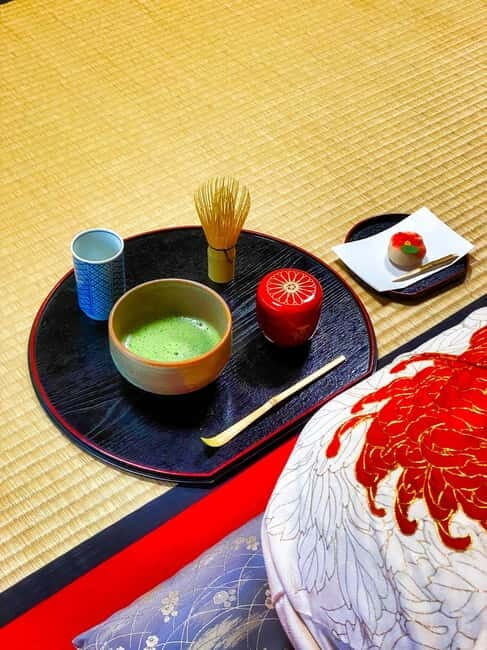
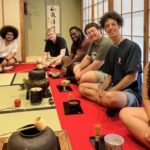
And the reviews hint at the human side of the planning. Guides like Noriko and Momoyo are described as punctual and helpful in real-life situations (like helping locate a left-behind phone). Hiro is noted for strong English and even adding a tea ceremony moment, which is exactly the kind of thoughtful touch that’s hard to replicate on your own.
You can also read our reviews of more guided tours in Osaka


Todai-ji Temple: The Big Buddha Moment, Without the Rush
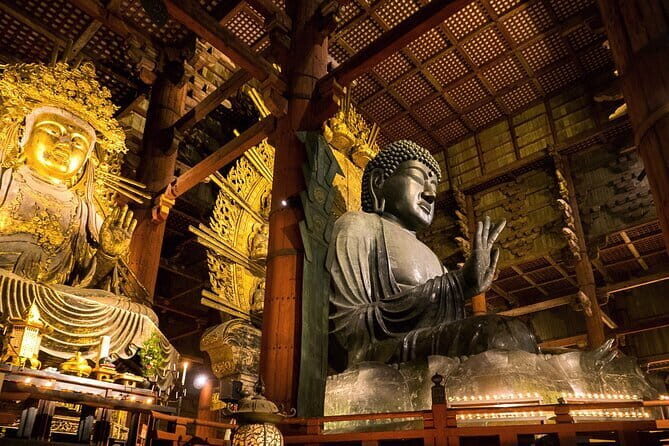
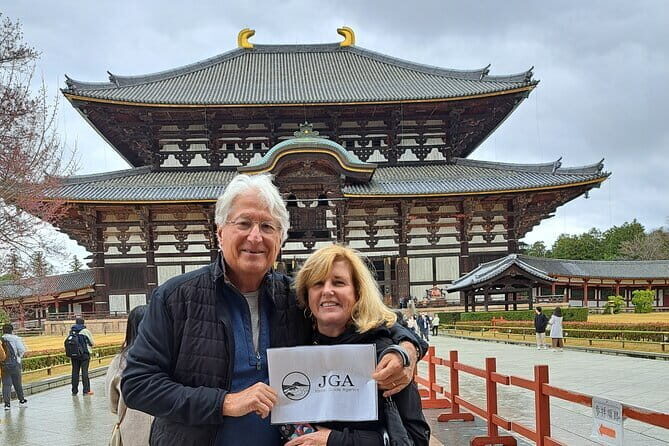
Todaiji is Nara’s headline attraction for a reason. You’re stepping into a place associated with major Buddhist history, and the scale hits you fast. Even if you’ve seen temple photos before, Todaiji tends to feel different in person because the buildings and grounds are so monumental.
In a tour day like this, the value is not just seeing Todaiji—it’s the order and pacing. At the start of your day, Todaiji makes sense because it anchors everything else you’ll learn. Your guide can frame what you’re looking at and help you move through the complex without wasting time hunting for the right entrances or viewpoints.
Practical note: admission is listed as not included for this stop. That’s common with Nara’s major sites, so I’d treat it like part of your day’s ticket budget. Also, allow yourself enough time to slow down. The best experience here is when you stop chasing the next spot and just take in the hall scale for a few minutes.
Nara Park and Kasuga Taisha: Deer, Shrines, and a Calm Rhythm
Nara Park is the obvious name everyone knows—but it’s also where a guided day helps the most. Yes, you’ll see the deer. But the park is also the setting for much of what makes Nara feel like a living cultural landscape.
Your park time is listed as about 30 minutes, which tells me this isn’t designed as a long wander-at-will. The smart move is to use your guide’s direction to pick where to stand, where to walk, and when to view the key anchors. You’ll get the famous moments without turning it into a chaotic photo line.
Then comes Kasuga Taisha, Nara’s celebrated shrine. This is a place where atmosphere matters. You’re not just checking a box—you’re in a sacred setting tied to the city’s protection traditions and long-standing identity. On a private tour, your guide can help you notice details that you might otherwise miss, like the patterns and the way the shrine grounds lead your eye.
Both Nara Park and Kasuga Taisha have admission listed as free (for the tour time). That makes them a high-value pairing: you spend your money on the paid stops, and you still get two big experience anchors without extra ticket stress.
Mt. Wakakusayama: A Short Hike for Long Views
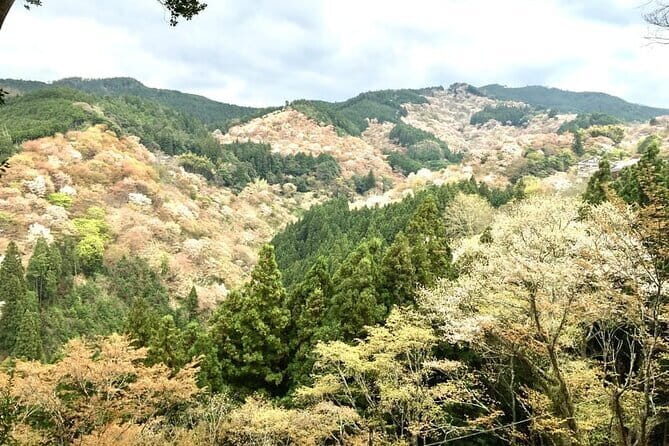
Mt. Wakakusayama sits behind the park, and it’s a nice change of pace. The mountain is described as grass-covered and about 350 meters tall, with unobstructed views over Nara when you reach the vantage points.
This is the stop I’d recommend when you want something less temple-dense. It breaks up the day physically and mentally. You get movement, open-air breathing room, and a sense of how Nara Park and the temple areas connect geographically.
Admission is listed as not included here, so again: budget accordingly. If you’re short on energy, you can also skip it and use that time for another temple or a museum break. In a private tour, that choice is yours.
Horyu-ji Temple: When You Want One of Japan’s Oldest
Horyu-ji is one of Japan’s oldest temples, founded in the early 600s and linked to Prince Shotoku’s role in early Buddhist promotion. If you’re the type who likes your day to include at least one stop that feels especially foundational, this is a strong pick.
It also helps that Horyu-ji can feel like a different “era vibe” compared to the Nara Park cluster. It’s still Nara—still sacred and historically layered—but the emotional tone can shift. You’re often calmer here, and the architecture and age tend to draw you in.
As with Todai-ji, admission is listed as not included. That’s not a dealbreaker, but it’s a reminder that most of the major temple experiences in Nara have paid entry components at least some of the time. I’d treat Horyu-ji as a “choose-your-ticket” moment: if you care about older Buddhism and early-era connections, pay for it. If you’re more about quick classics, substitute with another free area like Naramachi.
You can also read our reviews of more private tours in Osaka


Naramachi: The Merchant District Stroll You’ll Enjoy More Than You Expect
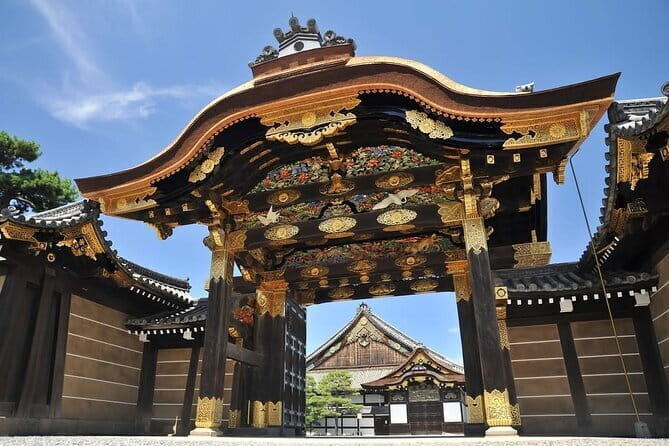
Naramachi is a preserved former merchant district with traditional residential buildings and warehouses open to the public. What I like about Naramachi is that it expands Nara beyond temples without turning it into shopping tourism only.
You can treat it like a reset button. After heavier temple visits, this is where you can walk slower, look at old-town structures, and pop into cafés or small boutiques if you want. Your time here is listed as about 30 minutes, so it fits neatly into an 8-hour plan.
Admission is listed as free, which makes it a smart add-on. Even if you skip most shops, Naramachi still works as a cultural breathing space.
Kofuku-ji: Fujiwara Connections in a Temple Setting
Kofuku-ji is associated with the Fujiwara clan and the power structure of the Nara and Heian periods. It’s a stop for people who like to understand what’s behind the stone—who built, supported, and influenced the institutions around them.
This is also a good stop to pair with other temple choices nearby in your day. When you’ve got a private guide, you can move with fewer guesswork points: where to go next, how to align routes, and what to prioritize based on your group’s pace.
Admission is listed as not included. If you’re balancing paid versus free experiences, Kofuku-ji tends to be worth considering when you want a stronger historical storyline in addition to the visual experience.
Yakushi-ji and Shin-Yakushi-ji: Symmetry and Medicine Motifs
If you want variety, Yakushi-ji is a compelling option. It was constructed in the late 7th century, and one of the standout details is its strictly symmetric layout. That geometry gives you a different kind of temple experience—less about wandering and more about seeing how everything is arranged.
Then there’s Shin-Yakushi-ji, founded during the Nara period and devoted to Yakushi Buddha, patron of medicine in Japanese Buddhism. This stop can be especially interesting if you like the way religious beliefs connect to everyday human concerns—health, healing, recovery, and protection.
Both stops list admission as not included. Since your tour is designed around picking 3–4 sights, I’d consider them when you want a day that goes beyond the big single-name temple moments and instead gives you temple variety and distinct themes.
Nara National Museum: Understand Before You Move On
The Nara National Museum is a great move if you don’t want your day to be only walking and spotting. The museum is centered on Japanese Buddhist art, and it was established in 1889. That means it’s not just a random building with a few items. It’s a place designed for context.
This is where I think a private guide shines again. With the museum, you’ll typically benefit from guidance in what to look for and how to connect the art to what you saw in the temples.
Admission is listed as not included. Even if you’re not an art superfan, this stop can make the rest of the day click. It’s a useful “stop thinking only in photos” experience.
Heijo Palace Museum: The Capital Under Your Feet
Heijo-kyo was Nara’s name as a capital during the Nara period, and the Heijo Palace Museum helps explain that larger historical framework. The palace extended about one kilometer wide and one kilometer long, and your time there gives you the sense of how major the seat of government was.
This is not a quick, decorative stop. It’s a meaning-making stop. If you want to connect temple importance to the political and cultural engine behind it, this is a strong addition to your 3–4 stop plan.
Admission is listed as not included, so again: decide based on your interests. If you’re satisfied with temples only, you can replace this with another shrine or a garden. If you want to leave Nara feeling like you understand the place, this museum can deliver.
Toshodai-ji and the Temple-to-Garden Shift
Toshodai-ji was founded in 759 by Ganjin, a Chinese priest invited to Japan to train priests and improve Japanese Buddhism. If you like how cultural exchange shows up in religious life, this is a thoughtful stop.
Then you have the gardens, which is a smart pairing with an older temple day. When you’re visiting temple after temple, gardens are your chance to slow down and reset the pace.
Admission is listed as not included for Toshodai-ji and for the garden stops below, so you’re effectively choosing a “paid calm” portion of the day. That can be a very good trade if you’re planning a long walk.
Isuien Garden and Yoshikien: Borrowed Scenery and Quiet Time
Isuien is described as an attractive Japanese garden with features that use borrowed scenery—specifically, elements tied to Todaiji’s Nandaimon Gate and Mount Wakakusayama. That means you’re not only looking at plants and paths. You’re also seeing how the garden design uses the surrounding landmarks to create one composed view.
Yoshikien is a pleasant garden in central Nara, named after the Yoshikigawa River that runs beside it. It’s built on the site of Kofukuji Temple’s former priest residence area, which gives it another layer: the garden is not separate from the temple story. It’s part of how Nara repurposes space through time.
Both garden stops list admission as not included. But the reward is a different kind of Nara memory: peace and perspective. One guide (Kaeko) is specifically mentioned for leading people through the gardens of the Silver Pavillion with a calm, restorative pace—exactly the feeling you’re aiming for if you choose these stops.
If you’re traveling with older family members or anyone who appreciates breaks, gardens can be the difference between a tiring day and a satisfying one.
How to Pick Your Best 3 to 4 Stops for an 8-Hour Day
The tour format here is key: you choose 3 to 4 sights from a set of options. That selection is where you make the day yours.
Here’s a simple way I’d choose:
- If you want the classic spiritual anchors: Todai-ji + Nara Park + Kasuga Taisha.
- If you want a mix of views and temples: the classics plus Mt. Wakakusayama.
- If you want variety and older-era emphasis: add Horyu-ji, then choose one theme-based temple like Yakushi-ji or Kofuku-ji.
- If you want a slower, more interpretive day: swap one temple for Nara National Museum or Heijo Palace Museum.
- If you want the day to end calmly: build in Isuien or Yoshikien so you finish on quiet terrain instead of fatigue.
Because each stop is described with around 30 minutes allocated, your guide will likely keep the flow efficient. The trick is to select stops that genuinely match your mood for the day, not just your bucket list.
Price and Value: What You’re Paying For at $198.72 Per Person
At $198.72 per person for an 8-hour private tour, you’re paying for three things:
- A government licensed guide who can tailor the day.
- The time savings and stress reduction of not navigating alone.
- The benefit of an English-speaking explanation at the places that matter.
You’re not paying mainly for included admissions, because most key sites list tickets as not included. So value comes from how much you’ll benefit from guided pacing and interpretation.
If you’re someone who enjoys hearing the meaning behind temples (and not just snapping photos), private guiding can be a strong deal. If you’re very comfortable navigating Nara and you mainly want self-guided sightseeing, you might feel the price more than the value. But the private format is built for people who want a smooth day and a clearer understanding as they walk.
Also, the tour is described as being booked about 76 days in advance on average. That doesn’t guarantee anything about availability for your exact date, but it does suggest this is a popular way to see Nara without hassle.
Who This Nara Private Tour Fits Best
This tour is ideal if:
- You want an English-speaking guide and plan to spend time learning, not just walking.
- You prefer a custom pace over rigid group schedules.
- You have limited time (8 hours) and want efficient routing from Osaka.
- Your group likes mixing temple sites with at least one slower component like a garden or museum.
It may be less ideal if:
- Your group only wants free stops and doesn’t want to budget for admission.
- You already know Nara well and don’t need help with interpretation or logistics.
It’s also a private tour, meaning it’s just your group. You can’t combine reservations into one larger group, so keep your party planning simple.
Should You Book This Nara Private Tour?
I’d say yes if you want Nara to feel organized, understandable, and not exhausting. The combination of a licensed English-speaking guide, private pacing, and a curated selection of 3 to 4 sights is exactly how you get the good kind of Nara day: temples with context, plus either a view or a calm garden moment to balance it out.
If you’re the type who enjoys winging it and paying only for whatever you stumble into, you might not need private guiding. But if you want to get the most from an 8-hour window—without getting lost or missing the point—this tour is a very practical choice.
FAQ
What’s included in this Nara private tour from Osaka?
You get a government licensed guide, a customizable private tour of 3 to 4 sights, and a meet-up with the guide on foot within a designated area of Osaka.
How many sights can I choose during the 8 hours?
The tour is set up as a private experience where you can choose 3 to 4 sights from the available options.
Do I need to pay for admission tickets?
Many stops list admission as not included, so you should expect to pay entry fees for several temples and attractions.
Will the guide speak English?
Yes. The tour description specifies an English-speaking guide will accompany you.
Is pickup included, and where do we meet the guide?
Pickup is offered. You meet the guide on foot within a designated area of Osaka.
Can I cancel for a full refund?
Yes. Free cancellation is available if you cancel up to 24 hours in advance for a full refund.