REVIEW · OSAKA
Nostalgic Osaka, walk in totally different from Dotonbori
Book on GetYourGuide →Operated by Four-Leaves · Bookable on GetYourGuide
Karahori feels like old Osaka. This Nostalgic Osaka walking tour shows a side of town totally different from Dotonbori: quiet lanes, 100–200-year-old merchant houses, and everyday local life guided step-by-step. I especially loved the chance to slip into hidden alleys with a local guide who knows where you can (and can’t) go, and the way the stops feel stitched into daily Osaka, not staged sightseeing.
The only real drawback is respect and timing. Some lanes are private and there are residents living nearby, so you’ll need to keep your voice down and avoid blocking entrances; also, if you’re late by more than 15 minutes, it can be hard to join without slowing the rest of the group.
Tour Highlights at a Glance
- A Dotonbori alternative that feels calmer and older
- Local market street plus off-the-guidebook lanes
- Historic merchant houses from the WWII era area
- A tatami-mat shop stop for hands-on culture
- Osaka Castle moat ruins tucked into narrow streets
In This Review
- Karahori: Osaka Beyond the Neon
- Meeting at Tanimachi-6chome (and Finding Your Group Fast)
- The 2-Hour Flow: Photo Stops, Market Street, and a Real Break
- Welcome to the Maze: Hidden Alleys That Still Have Residents
- Old Merchant Houses and the Surprise of Tiny Shops
- A Tatami Mat Shop Stop: Craft You Can See Up Close
- Osaka Castle Moat Ruins Hidden in the Alley
- Shopping and Food: What’s Included vs. What You’ll Pay
- Price and Value: Is $35 Worth It?
- Languages, Rules, and How to Stay on Good Terms
- Who This Tour Fits Best (and Who Might Prefer Another Plan)
- Should You Book Nostalgic Osaka in Karahori?
- FAQ
- How long is the Nostalgic Osaka walking tour?
- What’s the meeting point?
- How much does the tour cost?
- What’s included in the price?
- Do I need to pay for food and shopping during the tour?
- What languages is the tour guide available in?
- Is the tour wheelchair accessible?
- Are there any age restrictions?
Karahori: Osaka Beyond the Neon
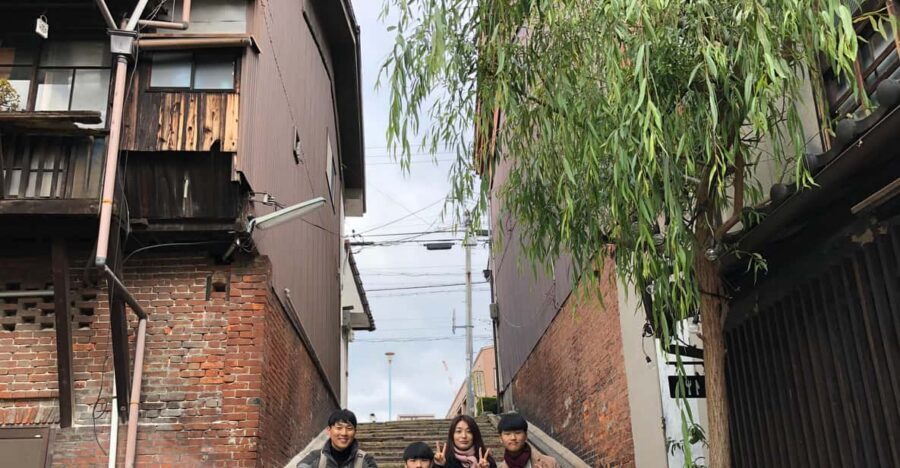
If you’ve only seen Osaka through Dotonbori’s bright strip and food-sign chaos, this tour is a reality check—in the best way. Karahori sits about three subway stops from Namba, but the mood is different. The area survived the fires of World War II, so you get a street-level feeling for what Osaka looked like before the city became a theme park.
Here, the streets aren’t trying to sell you a show. You’ll walk past traditional mercantile houses that are reported to be around 100 to 200 years old, and between them you’ll find the kind of narrow passages that look like they were designed for getting lost. That’s exactly the point: you’re not just moving from landmark to landmark. You’re learning how this neighborhood breathes.
Meeting at Tanimachi-6chome (and Finding Your Group Fast)
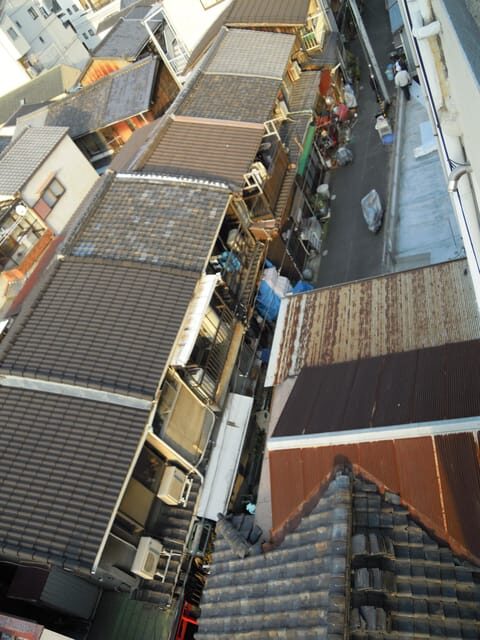
You meet at the Osaka Metro Tanimachi-6chome Station, Exit No. 3 at street level. The address given for the start is 6-chōme-9-1 Tanimachi, so if you’re using maps, that helps you confirm you’re at the right spot.
This matters more than you’d think. It’s a small group capped at 6 participants, and the tour keeps a steady pace. If you’re the sort of person who likes to wander a block away before joining, try not to. The tour notes that being late by over 15 minutes can make it difficult to join, mostly to avoid delaying everyone else.
You can also read our reviews of more walking tours in Osaka



The 2-Hour Flow: Photo Stops, Market Street, and a Real Break
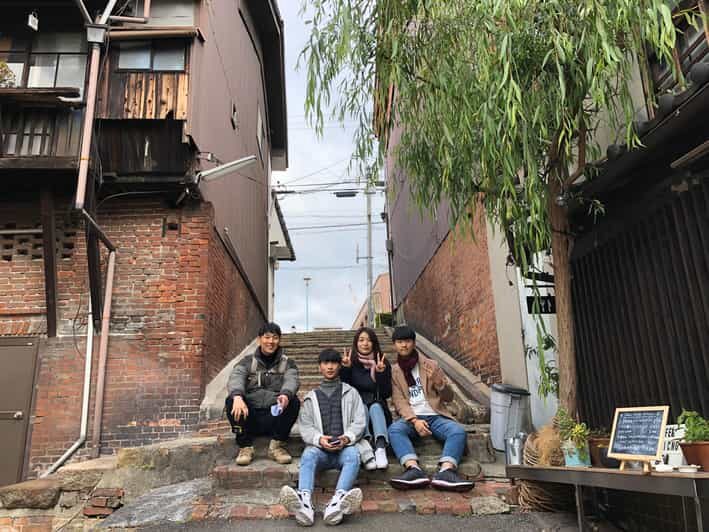
At the start, you’ll get welcome refreshments, plus a bottle of water and a small snack. Then you move into sightseeing mode quickly, with an early photo stop where the guide sets the scene—how to look at this neighborhood and what details matter.
Most of the time sits in the middle stretch. You’ll spend about one hour focused on the local market street and the food area, and this is where the tour feels most like daily life rather than a checklist. You’ll also get directed into off-the-beaten-path lanes that don’t show up the same way on standard sightseeing routes.
Later on, there’s another photo stop and a break time where the guide points you toward places to rest, shop, or grab something. Just remember: any meal or drinks you buy at cafés and shops are on your own tab. The tour gives you guidance and access, but it doesn’t try to sell you food as part of the package.
Welcome to the Maze: Hidden Alleys That Still Have Residents
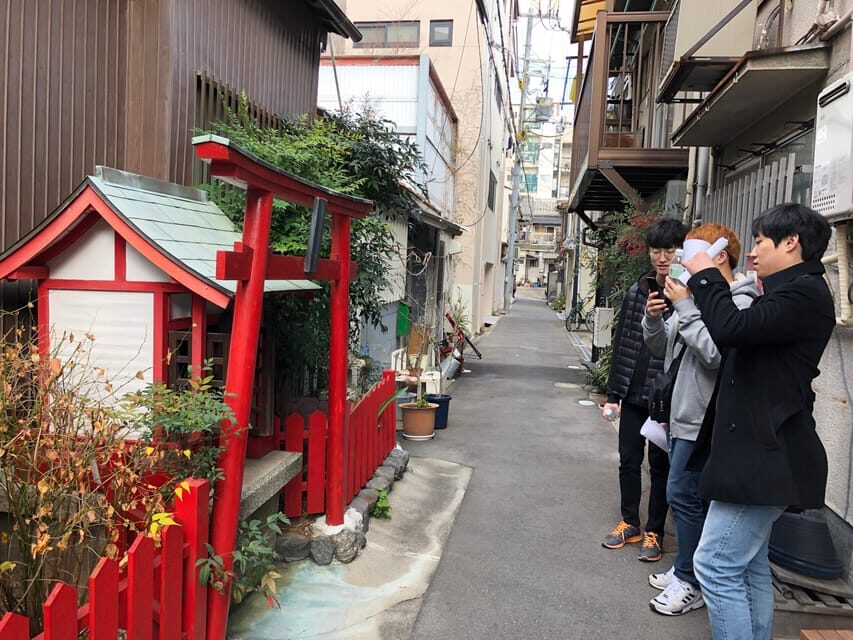
This is the tour’s heart. Karahori’s charm isn’t the big monument moment—it’s the network of narrow lanes where life continues quietly. The guide leads you through a maze-like alley system, including spots described as sometimes private without clear signage.
That’s why the tour emphasizes one thing: don’t disturb inhabitants during the hidden-path walking. In other words, be polite, be quiet, and don’t treat back alleys like a free-for-all photo studio. If you approach it like a respectful neighborhood stroll, you’ll have a much better time—and honestly, you’ll learn more because you’ll notice the small details.
You’ll also get glimpses of how some older spaces are used now. The area includes traditional merchant houses, but some are still lived in, while others have been remodeled into cafés or cute shops. That contrast—old structure, modern use—is one of the reasons Karahori feels believable.
Old Merchant Houses and the Surprise of Tiny Shops
One of my favorite parts of this style of neighborhood tour is the way surprises pop up. You’ll pass long stretches of traditional frontage, then suddenly a café door appears between old buildings, or you’ll spot a small shop tucked into a side lane.
This matters because it changes how you remember the place. Instead of memorizing a few attractions, you build a mental map of how the neighborhood is organized. You’ll come to understand that these alleys aren’t random; they’re routes people use, and the small businesses sit where daily movement already happens.
Also, the guide’s role here is practical. She’s described as knowing the area map well and taking you into alleys you likely wouldn’t find on your own without wandering for hours. That saves time, but it also keeps you from accidentally wandering into the wrong kind of restricted space.
A Tatami Mat Shop Stop: Craft You Can See Up Close
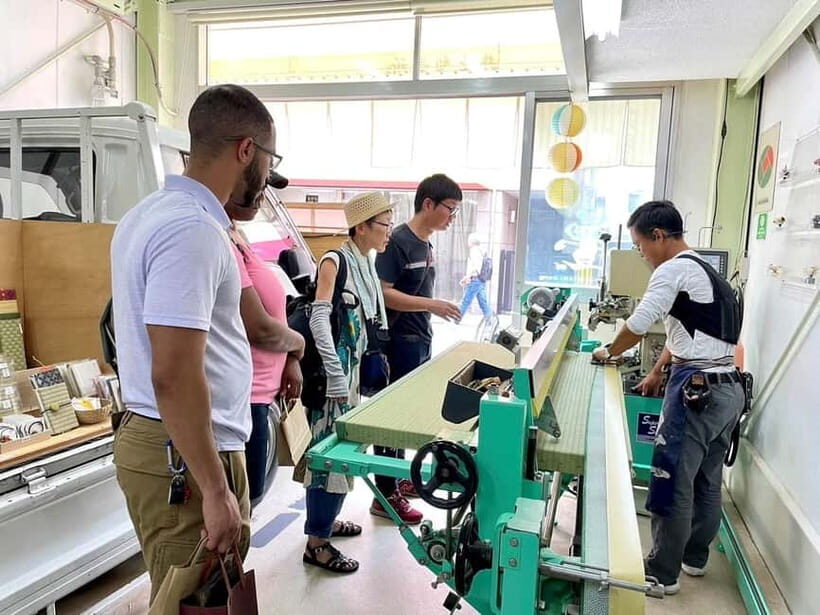
In the middle of the experience, there’s a visit to a Japanese tatami mat shop. This is the kind of stop that makes a walking tour feel educational without turning it into a lecture.
Tatami is one of those things you see in Japan but don’t always think about in everyday detail. With a dedicated shop stop, you get a chance to look at the materials and the craft context, rather than only noticing tatami as an image or a symbol. Even if you don’t buy anything, watching the shop environment and how the space is presented helps connect it back to real household life.





Osaka Castle Moat Ruins Hidden in the Alley
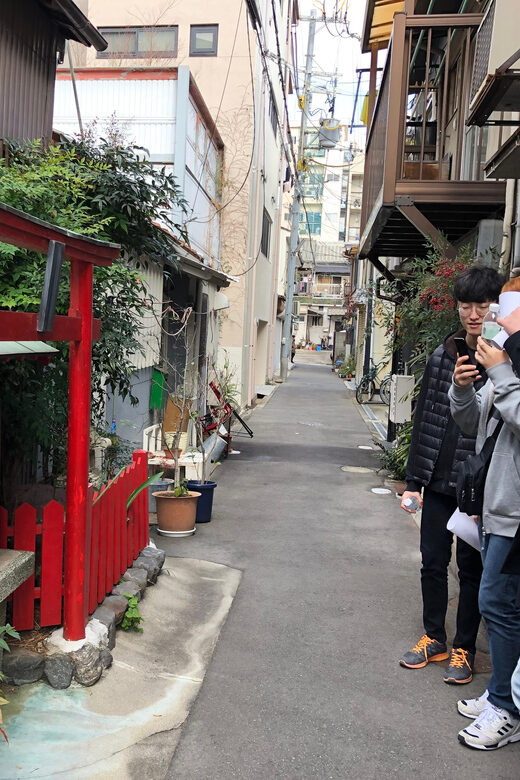
This tour includes a stop at the ruin of Osaka Castle moat of 15D, described as hidden in the alley. You also see tiny shrines, which fit naturally with the neighborhood scale—small sacred spaces rather than big tourist shrines.
What I like about this kind of placement is that it changes your relationship to “history.” The moat ruin isn’t sitting behind a fence waiting for your camera. It’s part of the walking landscape. You’re learning to read the city like a map, not like a photo album.
It’s also a good reminder that Osaka’s big stories don’t always live in big buildings. Sometimes they’re tucked behind an ordinary door and revealed only when you follow the right lane.
Shopping and Food: What’s Included vs. What You’ll Pay
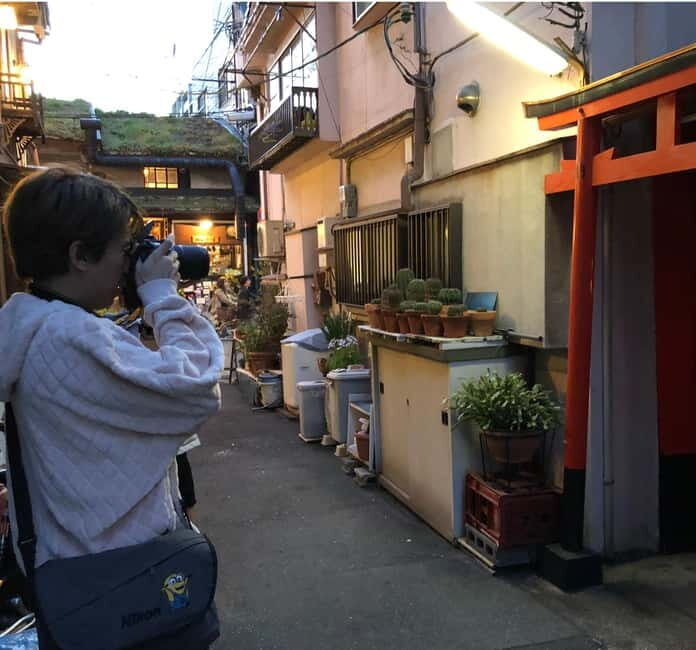
Food is a big deal on this tour, but the rules are simple. The water and small snack are included, and there’s a food market visit, plus opportunities to stop at hidden shops and cafés. However, if you eat or drink at those places, you pay yourself.
This is actually good for control. You’re not stuck with a fixed set menu or pressured into buying something “because the tour includes it.” If you want a light snack, go light. If you want a proper meal, build that into your own budget.
One small practical note: if you plan to buy items, keep an eye on how much you’re carrying. The route involves narrow streets and alley walking, so heavy bags can get annoying fast.
Price and Value: Is $35 Worth It?
At $35 per person for 2 hours, this tour sits in the “reasonable for a guided local experience” zone. The value isn’t just time—it’s access and interpretation.
You’re paying for:
- A local guide who knows the neighborhood map and routes through alleys
- A small group size (up to 6 participants), which helps on narrow lanes
- Stops that connect culture and daily life: market street, hidden shops, a tatami mat shop, and the moat ruin area
Add in the included water and snack, and the price feels more fair. If you expected a cheaper “walk-only” tour, this won’t be that. But if you want Osaka that’s not copy-pasted from big-sightseeing photos, the guide’s role is what justifies the cost.
Languages, Rules, and How to Stay on Good Terms
The guide operates in English and Korean. The tour is listed as wheelchair accessible, which is helpful if you need that kind of support—though you should still plan for some uneven sidewalks and narrow turns because this is an alley-heavy neighborhood.
The rules are straightforward:
- No drones
- No intoxication
- No smoking indoors
- No feeding animals
- No skateboards
- Keep noise down and don’t make fires
And again, the biggest “how to be a good visitor” point is about hidden paths: don’t disturb residents. In a neighborhood that still has grandparents and everyday households, your behavior shapes the experience.
Who This Tour Fits Best (and Who Might Prefer Another Plan)
This tour is a great match if you:
- Want an Osaka experience that’s quieter and older than Dotonbori
- Like walking and noticing the details of street life
- Enjoy guided access into places that are hard to find on your own
It may not be ideal if you:
- Need very fast, high-impact sightseeing with minimal walking
- Prefer areas where every lane is public and signposted
- Plan to arrive late, since the group timing is strict
Also, participation by people under 18 isn’t permitted (with the note that a guardian isn’t listed as a workaround).
Should You Book Nostalgic Osaka in Karahori?
Yes, if you want the Osaka that feels lived-in, not just photographed. The combination of hidden alleys, old merchant houses, market street energy, a tatami craft stop, and the moat ruins creates a tour that teaches you how to read the neighborhood in real time.
Before you book, do two things: set expectations that this isn’t Dotonbori, and plan to spend a little extra for any meals or shop purchases you want along the way. If you keep it respectful and show up on time, you’ll get a far more personal Osaka than the neon crowd.
If you’re craving a calm counterpoint to Osaka’s busiest areas, this Karahori walking tour is one of the smartest ways to see it with a guide who actually knows the lanes.
FAQ
How long is the Nostalgic Osaka walking tour?
The tour lasts 2 hours.
What’s the meeting point?
You meet at Osaka Metro Tanimachi-6chome Station, Exit No. 3, street level. The start location is also given as 6-chōme-9-1 Tanimachi.
How much does the tour cost?
The price is $35 per person.
What’s included in the price?
You get a bottle of water and a small snack, plus live guidance during the walk.
Do I need to pay for food and shopping during the tour?
Yes. If you eat or drink at shops or cafés during the tour, you pay your own expenses. Shopping is also paid for by you.
What languages is the tour guide available in?
The tour guide offers English and Korean.
Is the tour wheelchair accessible?
Yes, it is listed as wheelchair accessible.
Are there any age restrictions?
Participation by persons under the age of 18 is not permitted.