Neon meets old-world faith. This 4-hour walk turns Osaka’s famous photo spots into an easy, human-scale route with local stories you can actually use while you explore. I love the mix of myth and modern pop culture: a giant lion-head shrine stop, then straight into Den-Den Town’s anime and capsule-toy world. I also like the pace and variety—quiet cultural moments (lion-head legend, Hōzenji Temple) balanced with high-energy street scenes (Dōtonbori and the Glico sign).
One thing to consider: this is mostly a guided stroll with short stops for photos and context. If you want deep museum-style detail at every corner, you might feel it’s more walk-and-look than lecture-and-history. Also, I suggest you plan for a potential line at the shrine during busy seasons since queues can pop up.
In This Review
- Key highlights worth planning for
- A 4-Hour Osaka Walk That Balances Myth, Food, and Neon
- Namba Yasaka Shrine: The 12-Meter Lion Head and How People Pray
- Nipponbashi (Den-Den Town): Anime Shops, Retro Tech, and Gachapon Fun
- Kuromon Market: Osaka’s Kitchen and the Art of Picking a Bite
- Dōtonbori: Glico Neon, Canal Views, and Photo Stops That Make Sense
- Hōzenji Temple: Moss, Lantern Alleys, and a Calm Ending
- Price and Logistics: Does $40 Actually Add Value?
- What You’ll Learn (Even If You Don’t Want a Lecture)
- Pacing and Expectations: Short Stops, Big Atmosphere
- Who This Tour Fits Best
- Should You Book This Osaka 4-Hour Walking Tour?
- FAQ
- Does the tour include a mobile ticket?
- How long is the Osaka walking tour?
- What time does the tour start?
- Where does the tour start and end?
- Is the tour group small?
- What is the price per person?
- What is the cancellation option if my plans change?
Key highlights worth planning for
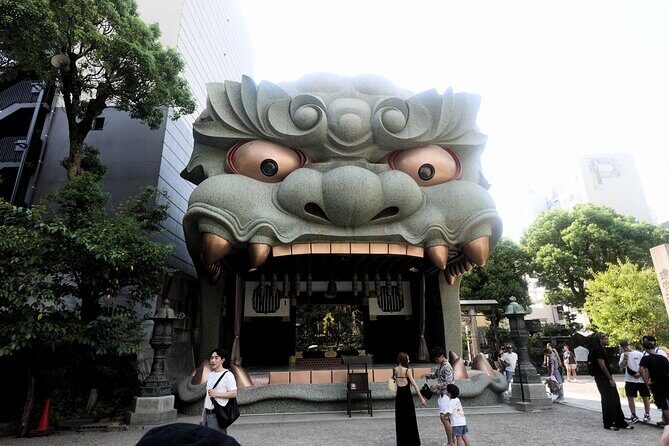
- Namba Yasaka Shrine’s 12-meter lion head: dramatic legend, easy photo stop, and clear shrine etiquette tips
- Den-Den Town, Osaka’s Akihabara of the West: anime, manga, electronics, and playful capsule-toy fun
- Kuromon Market, Osaka’s Kitchen: street-level food atmosphere, plus help finding what to order
- Dōtonbori neon and the Glico running man: classic photos with a guided sense of where to stand
- Hōzenji Temple lantern alleys: moss-covered statue vibes and a calmer ending to your afternoon
- Small group size (up to 10): more chance for questions and smoother pacing
A 4-Hour Osaka Walk That Balances Myth, Food, and Neon
This tour is built for travelers who want Osaka in one afternoon without getting tangled up in directions. It starts in Namba and ends in the Dotonbori food-and-nightlife zone—so you can walk off the tour and keep going right away.
At $40 per person for about 4 hours, the value is less about paid entry fees (most stops are free or low-cost) and more about having a guide connect the dots. The best part is not just what you see, but why it matters—how a shrine legend fits into local routines, or how a street of anime shops reflects Osaka’s humor and everyday creativity.
The group stays small—maximum 10 travelers—which helps when you’re moving between crowded streets and want the group to stay together.
You can also read our reviews of more walking tours in Osaka



Namba Yasaka Shrine: The 12-Meter Lion Head and How People Pray
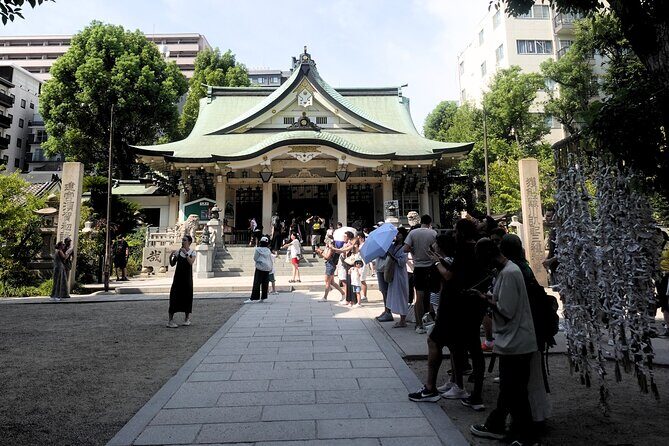
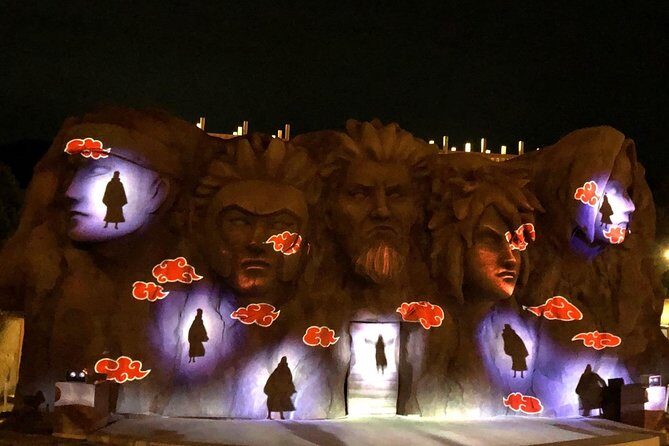
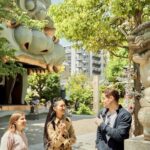
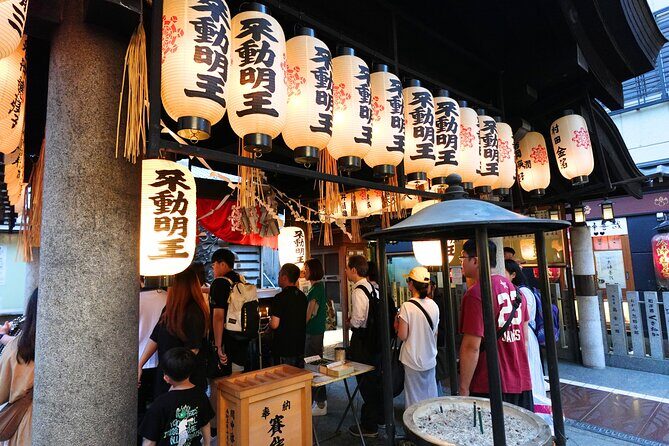
Your first stop is Namba Yasaka Shrine, tucked into backstreets in Namba. The headline is the giant 12-meter lion head stage, said to swallow evil spirits and bring good fortune. Even if you’re not big on rituals, it’s hard not to notice something this theatrical.
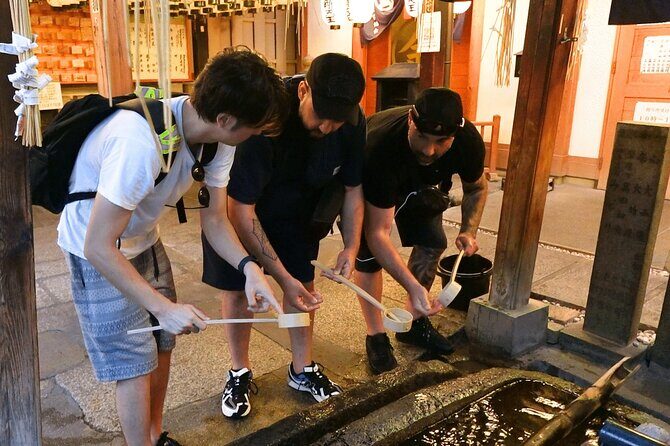
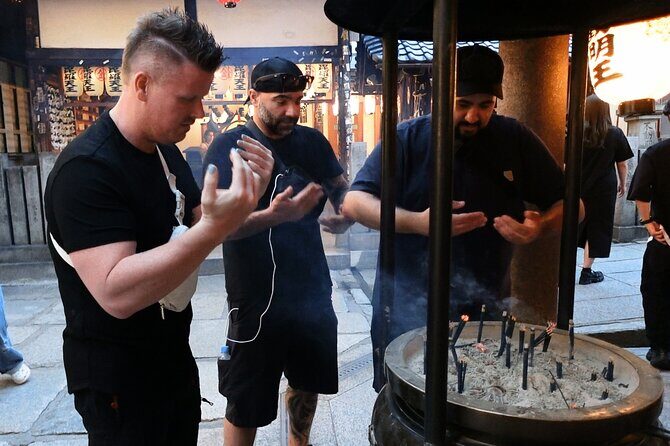
This is also where you get a reality check about travel in Japan: many visits are not just sightseeing. A good guide makes it practical. For example, one standout aspect from guides here is teaching people how to pray at a shrine. You’ll typically watch or follow along with the flow, then you’ll understand what you’re doing instead of guessing.
Plan for time. This stop clocks in at about 40 minutes, which gives you room for photos and for the guide’s explanations—without rushing. Keep an eye on conditions: if it’s a busy period (like New Year), a line can form, and you may have to wait a bit for a closer look.
Nipponbashi (Den-Den Town): Anime Shops, Retro Tech, and Gachapon Fun

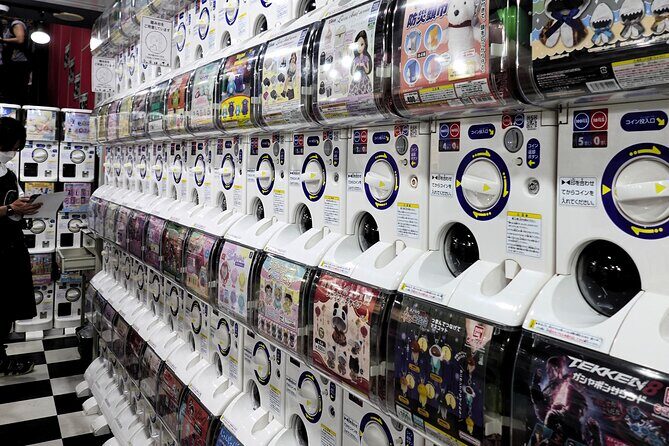
Next you head into Nipponbashi, also known as Den-Den Town, often described as Akihabara of the West. This is Osaka’s pop-culture hub—anime, manga, retro games, and quirky collectibles.
You’ll spend about 30 minutes here, and that duration is intentional. It’s long enough to see the vibe and pop into a couple of shopfronts, but short enough that you don’t burn your whole tour on window-shopping if you’d rather spend your calories at the market later.
One of the most fun moments is the chance to try a gachapon capsule machine. The routine is simple and kind of satisfying: drop a coin, twist the knob, and get whatever surprise toy shows up. It’s not just for kids. Adults tend to get competitive in a very gentle, Japan-style way—laughing, comparing what they got, and moving on.
If you’re the type who likes oddball souvenirs, this is where you’ll feel at ease. If you’re not, you can still use the time to understand how Den-Den Town operates and what kinds of items people actually browse.
Kuromon Market: Osaka’s Kitchen and the Art of Picking a Bite
Kuromon Market is nicknamed Osaka’s Kitchen, and it lives up to that. This is where you see the city’s everyday rhythm up close, not just the “tourist version” of food.
The market setting is colorful and intense in the best way: covered arcades, stalls packed with seafood and produce, and vendor calls that never really stop. The value of having a guide here is not that they introduce you to food you’ve never heard of—it’s that they help you navigate what’s good and how to order without stress.
From guide experiences, you may get help with a first-timer favorite. For instance, some groups get support trying takoyaki for the first time, which is exactly the kind of low-pressure win you want on day one. The guide may also point you toward popular stall choices—like meat skewers (including wagyu), depending on what you choose and what’s available.
A practical tip: the market is fast-moving, and prices can vary by stall. If you’re trying something small, stick with one main bite plus a drink. Save your appetite for Dotonbori afterward, where the neon photos are paired with more snack choices.
Dōtonbori: Glico Neon, Canal Views, and Photo Stops That Make Sense
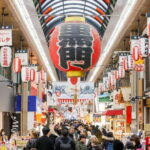
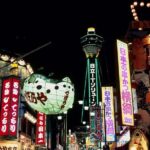
Then you roll into Dōtonbori, Osaka’s entertainment district. This is where the city turns up the volume—neon signage, bright crowds, and that classic running-man landmark: the Glico sign.
Your time here is about 50 minutes, which is a good chunk for photos because Dōtonbori is not one fixed angle. A guide helps you find the best viewing spots so you don’t waste time wandering in circles. This stop is also a nice contrast to earlier moments: you go from shrine symbolism and market chatter into spectacle.
There’s also the canal element—an easy scene to photograph, and a perfect place to slow down for a minute. After Kuromon, this is where you’ll likely feel the tour has shifted from learning mode into enjoy mode.
If you have any mobility limits, this portion can still work, but you’ll want comfortable shoes and a willingness to move through crowds.


Hōzenji Temple: Moss, Lantern Alleys, and a Calm Ending
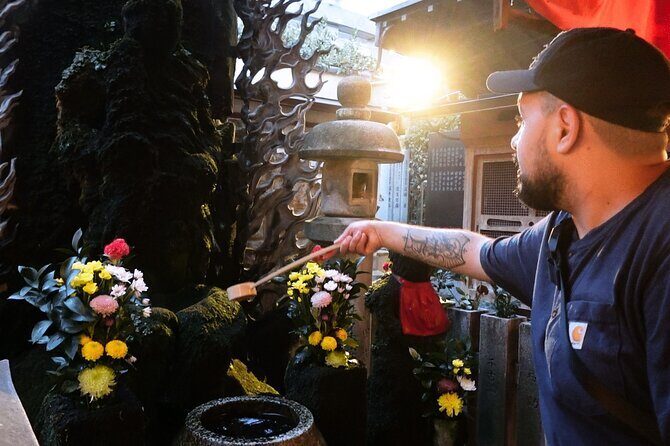
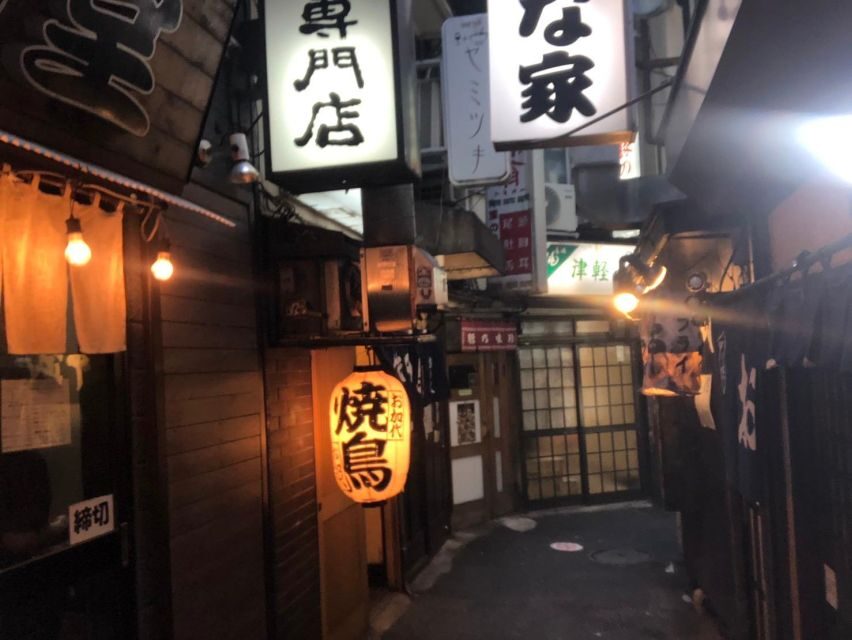
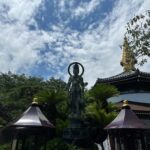
The tour’s ending shifts mood. After Dōtonbori, you step into Hōzenji Temple, known for its moss-covered statue and the lantern-lit alleys nearby. This is old-Osaka atmosphere tucked right next to modern neon.
This is a smart way to finish, because it helps you digest what you’ve seen. You don’t end with more shopping noise. Instead, you get a pocket of quiet where the streets feel more timeless. The contrast is part of the point: Osaka can be comedic and loud, but it also holds onto softer corners.
You’ll likely walk out feeling like you understand the city’s dual personality: legends and street life side by side.
Price and Logistics: Does $40 Actually Add Value?
For $40, you’re paying for coordination, timing, and interpretation. Admission costs are not the main driver—Namba Yasaka Shrine time is listed as free, Den-Den Town browsing is free, and Dōtonbori photo time is also listed as free. You might still spend money on food or small purchases at the market and shops, but you’re not locked into any forced add-ons based on the info you provided.
A big value signal here is small group size—up to 10 travelers. With a larger group, guides often spend more time herding than teaching. With a smaller group, the explanations (like shrine-prayer guidance and small cultural pointers) land better.
Also, the tour uses a mobile ticket, and it’s near public transportation, which makes it easier to fit into a day without complicated logistics.
One more practical detail: the tour starts at 2:00 pm. That’s a good time for covering multiple neighborhoods without burning all your morning, but it does mean you should plan for afternoon crowding and heat.
What You’ll Learn (Even If You Don’t Want a Lecture)
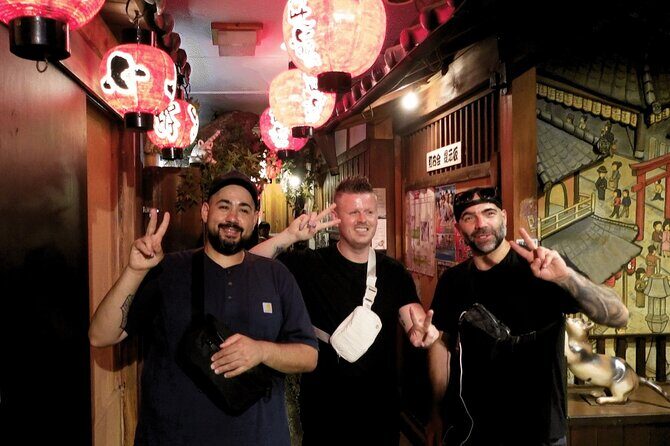
The tour’s strongest reviews point to storytelling done in a simple way—legend, meaning, then quick how-to tips. If you get a guide like Ai, you can expect explanations that feel connected, not robotic. Examples from guide experiences include:
- How to pray at a shrine, plus what the actions mean
- Little language tidbits, including Osaka dialect words
- Help ordering street food, like getting your first takoyaki
- Short “comic relief” moments while you’re walking (so the tour doesn’t feel heavy)
This matters because Osaka can feel confusing if you only rely on signs and maps. A guide turns random sights into a pattern. You stop thinking, What is this place? and start thinking, Oh, this is how people treat the world here.
Pacing and Expectations: Short Stops, Big Atmosphere
This is where you should calibrate your expectations. The route is designed for a mix of major stops plus quicker photo moments. That’s why the shrine is about 40 minutes, Den-Den Town about 30, and Dōtonbori about 50. You get time, but you’re still moving.
If your ideal tour means lingering for hours in one neighborhood or spending a lot of time inside buildings, you may find the format a bit “walk-through.” On the other hand, if you want a solid afternoon overview and a reason to return later on your own, this structure works well.
Crowds are the wild card. The shrine can get busy during peak dates, and Den-Den Town and Dōtonbori can be packed at any time. Build in flexibility.
Who This Tour Fits Best
I think this works especially well if:
- You’re on a first Osaka trip and want a quick orientation
- You like a balance of culture and street energy
- You want help navigating food areas like Kuromon Market
- You enjoy playful details, like gachapon capsule toys and weird collectibles
It might be less ideal if:
- You want long, slow sightseeing sessions with deep interior time
- You need a strictly quiet experience (Dōtonbori is not quiet)
- You’re traveling when crowds or lines could severely disrupt your day without spare time
Should You Book This Osaka 4-Hour Walking Tour?
If your goal is an efficient, fun intro to Osaka—shrines with real legend, pop-culture streets, a market you can smell from blocks away, and neon city drama—this is a strong choice. The best reason to book is the way it connects places to meaning, not just location.
Before you go, do one simple thing: confirm the meeting point carefully and give yourself a little buffer. One serious caution popped up in the past from a no-show situation. Most tours run fine, but if you’re the type who panics when plans slip, plan a calm arrival.
If you want Osaka’s contrast in one afternoon, with a guide who can explain the why behind what you’re looking at, I’d book it.
FAQ
Does the tour include a mobile ticket?
Yes. You’ll receive a mobile ticket, and confirmation is received at the time of booking.
How long is the Osaka walking tour?
It lasts about 4 hours.
What time does the tour start?
The start time is 2:00 pm.
Where does the tour start and end?
It starts in Naniwa Ward near Namba (South Hills Namba 3rd building area) and ends in the Dotonbori area near Ebisubashi.
Is the tour group small?
Yes. The maximum group size is 10 travelers.
What is the price per person?
The price is $40.00 per person.
What is the cancellation option if my plans change?
You can cancel for a full refund if you cancel at least 24 hours before the experience starts. Free cancellation applies.