REVIEW · OSAKA
Osaka: Daytime Hanami (Cherry Blossom) and Food Tour
Book on GetYourGuide →Operated by Arigato Travel KK · Bookable on GetYourGuide
Nothing beats spring air and warm street snacks. This Osaka daytime Hanami tour puts you in the Karahori District for a cherry blossom stroll with multiple food stops and local drinks—right in the quieter old-streets side of town. I like that it’s built around the seasonal mood of Hanami, not just a photo walk, so you’ll snack, sip, and pause where the city feels more like old Osaka.
Two things I really like: first, the food feels tied to the season, including cherry-blossom inspired bites and drinks like tea, sake, or beer. Second, the guides (including Miki and Sanae) focus on the experience and can even adjust on the fly—one review mentions help customizing the tour during rain. The one drawback to plan around is simple: it’s a walking tour, and it isn’t suitable for wheelchair users.
In This Review
- Key highlights worth planning for
- Why this Osaka Hanami food tour works in daylight
- Karahori: the old-Osaka streets that make blossoms feel real
- Food stops that are actually part of the season
- Drinks and snack rhythm: how it keeps the walking enjoyable
- Cherry blossoms in real weather: what to expect when the sky isn’t perfect
- The guide makes the difference (and names matter)
- The meeting point: start where the neighborhood starts
- Timing and route length: 3 hours that usually feel complete
- The end spot: shrines, cherry trees, and a slower final snack
- Price and value: why $161 can make sense for a seasonal experience
- Who this Osaka tour is best for
- Should you book this Osaka daytime Hanami food tour?
- FAQ
- How long is the Osaka Spring Daytime (Cherry Blossom) Food Tour?
- How many people are in the group?
- What language is the guide?
- What is included in the price?
- Where do I meet the tour?
- What should I bring?
- Is the tour wheelchair accessible?
- What’s not included?
Key highlights worth planning for
- Karahori backstreets and old wooden-house lanes instead of the biggest crowds
- Seasonal Hanami street-food style snacks plus tea, sake, beer, or similar drinks
- Small group capped at 10, so questions and pacing stay human
- A daytime stroll with real Hanami rhythm, with plenty of time to linger
- A guided stop at a calm cherry-and-shrine spot where you snack and enjoy the moment
- Weather-aware flexibility (rain can change what blossoms look like, but the tour keeps going)
Why this Osaka Hanami food tour works in daylight
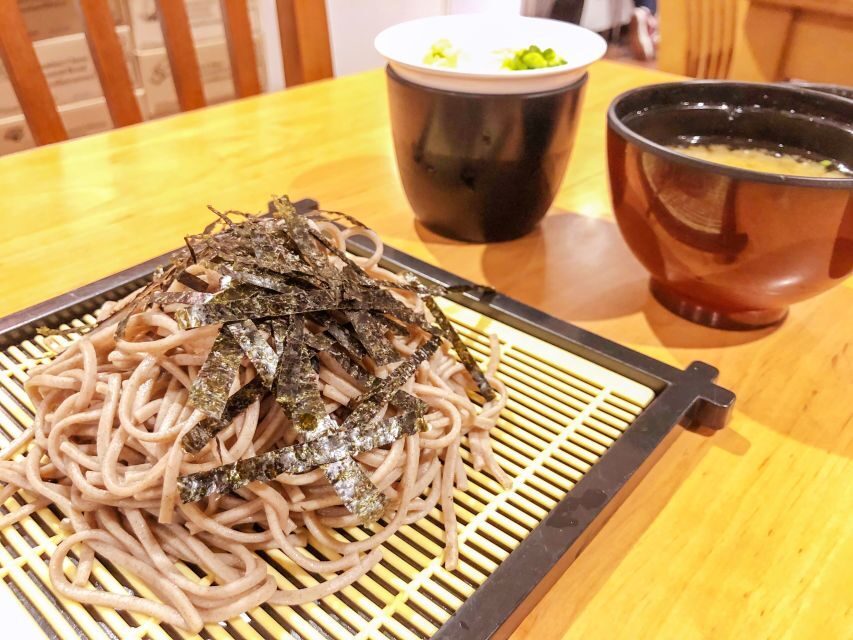
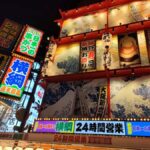
Daytime Hanami is where Osaka feels most switch-flippable. At night, the city can feel like one long neon stream. In the day, especially during Sakura season, the atmosphere shifts—paper lanterns fade, the streets cool down, and the old neighborhoods make the blossoms look more intentional.
This tour leans into that. You’re not just shown a pretty tree; you’re walked through a spring set of streets that match the season’s mood. Karahori is the key word here: the tour centers on the neighborhood around the famous Karahori District, where you get maze-like backstreets, traditional wooden houses, and artisan shops that don’t feel staged.
It’s also a smart way to “do” Hanami if you don’t want to spend your spring day hunting for the right vantage point. The promise is that your guide finds good blossom spots and builds your snack stops around the stroll, so you’re not bouncing between crowded viewpoints alone.
You can also read our reviews of more food & drink experiences in Osaka

Karahori: the old-Osaka streets that make blossoms feel real
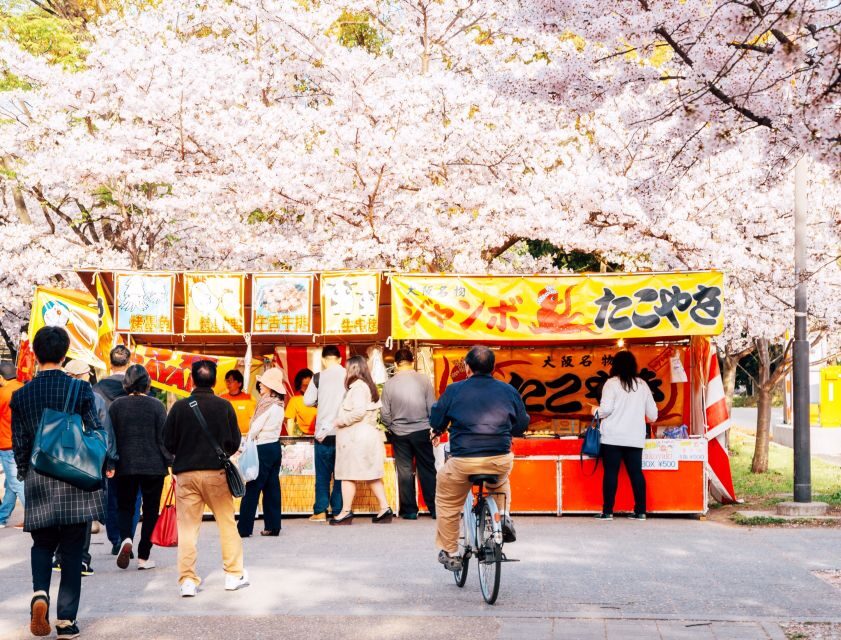
The Karahori area is a strong choice for a spring food walk because it changes the whole feel of Hanami. Cherry blossoms look best when they have context, and that’s what these side streets provide: narrow lanes, older architecture, and shops that still look like they belong to the neighborhood instead of a theme park.
As you move through the backstreets, you’ll likely notice the pace stays conversational. That matters because Hanami isn’t just sightseeing. It’s an excuse to slow down, eat something small, and look up at the moment before it disappears.
One of the best advantages of this tour layout is that it keeps you away from a purely crowd-chasing itinerary. You’ll still be in Sakura season, but your route is built around quieter streets and an off-the-beaten-path Hanami spot. If you’re the type who likes to see how locals move—rather than only where tourists stand—Karahori is your kind of place.
Food stops that are actually part of the season

A food tour should do more than hand you snacks. The value is in how the tour connects food choices to the time of year and the neighborhood.
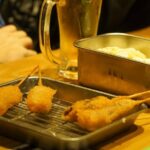
Here, you’re sampling local snacks from seasonal street food stalls across multiple stops. The descriptions point to sakura-themed specialties and spring-inspired flavors, and the included beverages help round it out: think tea, sake, beer, or other drinks, depending on what’s offered during your slot.
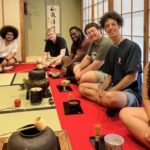
From the review details, the standout theme is variety plus atmosphere. One review calls out a traditional bar/restaurant meal as superb, and another mentions a tea ceremony feeling magical. Those are exactly the kinds of moments that make a cherry blossom day feel special without turning it into a formal event you can’t enjoy.
You should also know what this is and isn’t. This isn’t a full dinner with one big “wow” entree. You’re doing a series of smaller bites and drinks, which is ideal if you still want to explore Osaka afterward. And because additional food or drinks aren’t included (beyond what’s on the tour), you’ll have the freedom to choose what you want next based on your appetite.
Drinks and snack rhythm: how it keeps the walking enjoyable
The logistics are simple, but it’s worth paying attention to. The tour lasts 3 hours and is limited to 10 participants, so you’re not stuck in a long line of people trying to follow a pace that doesn’t work for you.
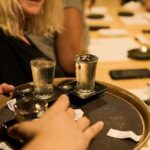
Because beverages are included—tea, sake, beer, or other options—the tour avoids the common problem where you’re thirsty and stuck waiting between stops. The goal is that you can keep moving, sampling, and chatting.
If you’re someone who doesn’t drink alcohol, the inclusion of tea as an option is good to know. If you like trying one local drink, this also helps you avoid the awkward guesswork of what to order while you’re navigating a neighborhood.
Also: comfortable shoes aren’t just “nice.” This is an old-streets walking style tour. Uneven sidewalks and longer stretches are part of the deal, so give yourself the basics for a good day. One review also mentions the guide helped make the tour fun even when rain changed the conditions—good energy helps, but your feet help more.
Cherry blossoms in real weather: what to expect when the sky isn’t perfect
Sakura season is famous for being beautiful. It can also be stubbornly inconsistent. Even if you’re in Osaka during peak bloom, the weather can affect what you actually see: petals, visibility, and which trees look best at the moment.
The good news is that this tour isn’t presented as a fragile, photo-only mission. Reviews point to guides who kept searching and made the best of what they could find. One review notes that weather and cherry trees didn’t fully cooperate, but the guide still found some sakura and even ume blossoms, and kept the experience moving.
Translation for your planning: don’t treat this as a guarantee of a perfect sea of petals. Treat it as a guided Hanami day where the guide works the neighborhood for the best available blossoms and keeps the food-and-stroll portion enjoyable even when nature doesn’t cooperate.
If you have flexibility in your schedule, that’s always the best insurance for seasonal tours like this. And if you’re going to be picky about blossoms, you’ll be happier combining this with a bit of independent wandering afterward.
A few more Osaka tours and experiences worth a look

The guide makes the difference (and names matter)
In a small-group tour, the guide isn’t background noise. They’re the glue that connects everything: streets, snack timing, and the best places to pause.
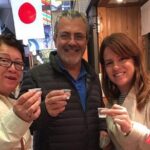
The reviews you provided highlight English-speaking guides such as Miki and Sanae. Both names come up for a reason: they sound attentive and practical. One review praises customizing the experience in light of rain. Another focuses on Osaka food secrets shared through authentic places locals use, plus a strong sense of care in pacing.
That’s what you want during a seasonal tour. It’s not only about what’s on the menu. It’s how the guide reads the day and adjusts—where to slow down, where to reroute, and when it’s worth stopping for blossoms even if the first few trees weren’t the best.
The meeting point: start where the neighborhood starts
You’ll begin in front of the doll shop Masumuraningyoten Sueyoshibashiten, just outside Matsuyamachi Station.
- Address for Google Maps: 2-8 Matsuyamachi, Chuo Ward, Osaka, 542-0067 (〒542-0067 大阪府大阪市中央区松屋町2−8)
- Easiest train access: Osaka Metro Nagahori Tsurumi Ryokuchi Line to Matsuyamachi Station, exit 2
- The tour ends back at the meeting point
This matters because it sets the tone: you’re starting at street level, in a real neighborhood context. If you show up a few minutes early, you’ll have time to orient yourself and feel confident before you’re pulled into backstreets.
Timing and route length: 3 hours that usually feel complete
A 3-hour tour is the sweet spot for spring days. Long enough to do several stops and find a meaningful Hanami pause, short enough that you won’t feel like you spent your whole day on one plan.
You’ll see the neighborhood around Karahori and move through backstreets lined with traditional wooden houses and artisan shops. You’ll stop for multiple food tastings and drinks, and you’ll get time to enjoy the blossoms—especially at the end.
One detail that helps: the tour ends back at the meeting point. That’s a relief in Osaka, where it’s easy to misjudge distance and then lose time. You’ll finish where you started, making it easier to hop to another area without a headache.
The end spot: shrines, cherry trees, and a slower final snack
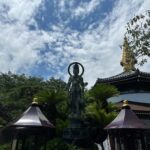
The best part of a Hanami plan is the moment when you stop moving. This tour ends at a more secluded spot where shrines and cherry trees intertwine.
The idea is simple and very Japanese in spirit: you sit, snack, and savor the season the way locals do. Based on the review notes, this final cherry blossom moment can be truly beautiful, even if the earlier blossom coverage is less dramatic than you hoped.
What I like about this structure is that it doesn’t pretend blossoms are guaranteed to be perfect everywhere at once. If you’re flexible, you’ll still get a real “Hanami pause” moment, not just one last photo and a rushed wrap-up.
Price and value: why $161 can make sense for a seasonal experience
At $161 per person, this is not a cheap snack-only stroll. But it can be good value if you look at what’s included.
Here’s what you’re getting for the price:
- Expert English-speaking guide
- Small group limited to 10 participants
- Tea, sake, beer, or other beverages
- Local snacks from seasonal street food stalls across multiple stops
- A structured 3-hour route centered on Hanami
Compare that to what you’d likely pay if you tried to reproduce it on your own. You’d spend time figuring out where to eat, what’s seasonal, and how to find good blossom spots without losing hours. A guided route saves that friction. It also saves you from ordering mistakes or guessing what to ask for if you don’t speak Japanese.
If you’re coming during peak Sakura season, that “seasonal access” is the hidden cost. Blossom days are when time feels expensive. This tour spends your time efficiently: walking route, snacks, drinks, and a final sit-down moment all built in.
Who this Osaka tour is best for
This is a strong fit if:
- You want a daytime Hanami that mixes food and blossoms, not just photos
- You prefer smaller groups and a calmer pace over large crowd tours
- You like local neighborhoods like Karahori, where old Osaka still shows through
- You want a guide who can keep the experience enjoyable even when weather changes your view
It’s less ideal if:
- You’re not comfortable with walking
- You need wheelchair accessibility (this tour is not suitable for wheelchair users)
- You want total control to stop exactly when you want, for however long you want—this is a guided structure
Should you book this Osaka daytime Hanami food tour?
Yes, if you want a spring day with structure and tastings that feel tied to the season. I’d book it when you value a guided route through Karahori’s old-street charm and you like the idea of an ending stop where you can sit and enjoy blossoms with snacks.
I’d hesitate only if you’re extremely weather-sensitive and unwilling to accept that the blossoms might not look perfect every tree at every moment. In Sakura season, that can happen. The good part is that the tour’s design and guides (including Miki and Sanae) are set up to keep the day fun anyway.
If you’re aiming for one “special” Osaka spring experience, this is a sensible pick. It trades the big-crowd chase for a more human Hanami rhythm—food, drinks, and time to look up.
FAQ
How long is the Osaka Spring Daytime (Cherry Blossom) Food Tour?
The tour lasts 3 hours.
How many people are in the group?
It’s a small group limited to 10 participants.
What language is the guide?
The guide is English-speaking.
What is included in the price?
The tour includes tea, sake, beer, or other beverages, plus local snacks from seasonal street food stalls and a variety of dishes at multiple food stops, with an expert guide.
Where do I meet the tour?
Meet in front of the doll shop Masumuraningyoten Sueyoshibashiten outside Matsuyamachi Station. Address: 2-8 Matsuyamachi, Chuo Ward, Osaka, 542-0067 (〒542-0067 大阪府大阪市中央区松屋町2−8). Take Osaka Metro Nagahori Tsurumi Ryokuchi Line to Matsuyamachi Station, exit 2.
What should I bring?
Wear comfortable shoes, since there will be walking involved.
Is the tour wheelchair accessible?
No, it is not suitable for wheelchair users.
What’s not included?
It does not include hotel pickup, transportation costs, or gratuity. Additional drinks or food beyond what’s provided are not included (but you can purchase them at your expense).