REVIEW · OSAKA
Osaka: Kuromon Market Street Food Tour with Pro Local Guide
Book on GetYourGuide →Operated by Trip with Goku · Bookable on GetYourGuide
Your nose leads you to Osaka’s best bites. This 2-hour street food tour pairs Kuromon Market with side streets and alleyways, guided by a local who can explain what you’re eating and why it matters. You’ll sample 4–5 Osaka classics, then wander into areas like Sennichimae Doguyasuji Shotengai and Hozenji Yokocho for atmosphere and smart shopping ideas.
I love the mix of food and context. You’re not just grazing; you get stories about Osaka’s food culture and the role of markets, plus etiquette and practical ways to order and shop. I also like the small-group size of up to 10 people, which helps your guide adjust to your preferences.
One consideration: this tour is not suitable for people with food allergies. Dietary requests can be accommodated, but allergies are a different level of risk—so plan carefully before you book.
In This Review
- Key things to know before you go
- Kuromon Market: Osaka’s Kitchen on Foot
- What You’ll Taste in 2 Hours (and why the order matters)
- Small-Group Comfort: how up to 10 people improves your tour
- Entering Sennichimae Doguyasuji Shotengai for kitchenware shopping
- Hozenji Yokocho: the alley stop that adds Osaka atmosphere
- Guide matters: what experienced locals add beyond the food
- Price and Logistics: is $51 good value for this 2-hour route?
- What to bring so you enjoy every stop
- Who should book this Kuromon street food tour?
- Should you book it? My take
- FAQ
- How long is the Osaka Kuromon Market street food tour?
- How many food samples are included?
- What areas will the tour cover besides Kuromon Market?
- What language is the tour guide?
- Is transportation included in the price?
- Can you accommodate dietary requests?
- Is the tour suitable for people with food allergies?
Key things to know before you go
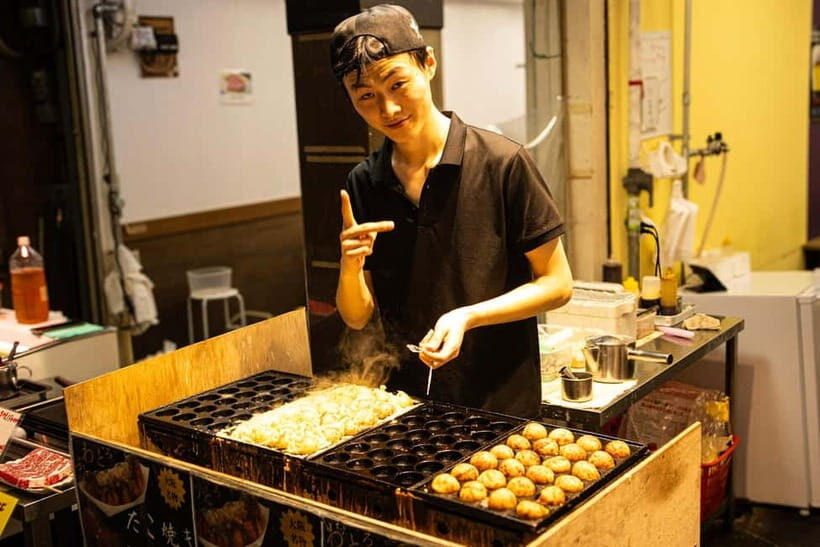
- 4–5 Osaka street-food samples in a short, efficient 2-hour walk, so you don’t burn an entire day chasing snacks
- Kuromon Ichiba Market and its role as Osaka’s Kitchen, explained in plain language
- Sennichimae Doguyasuji Shotengai for traditional kitchenware shopping alongside food stops
- Hozenji Yokocho for a classic alley experience that slows you down just enough
- Small group (max 10), which makes it easier for your guide to flex for your likes and dislikes
- Guides like Goku or Yuna bring local connections and trader know-how to the route
Kuromon Market: Osaka’s Kitchen on Foot
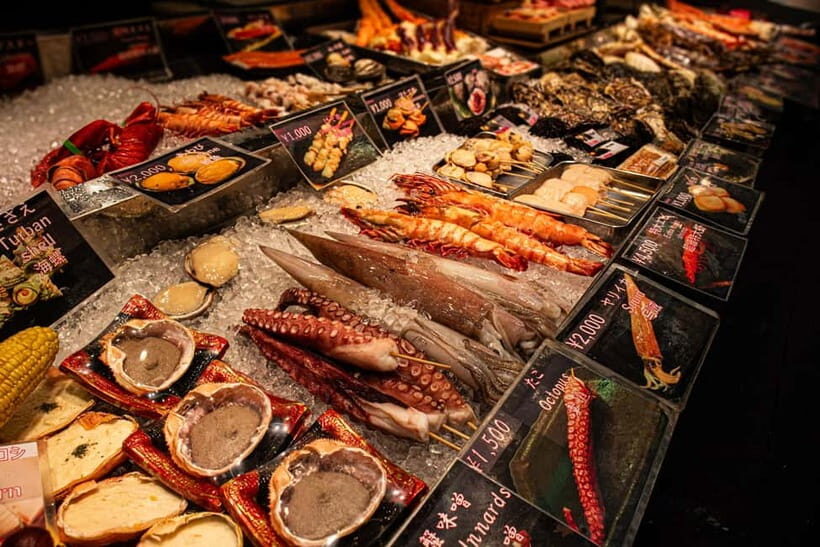
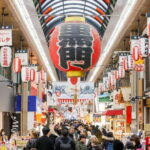
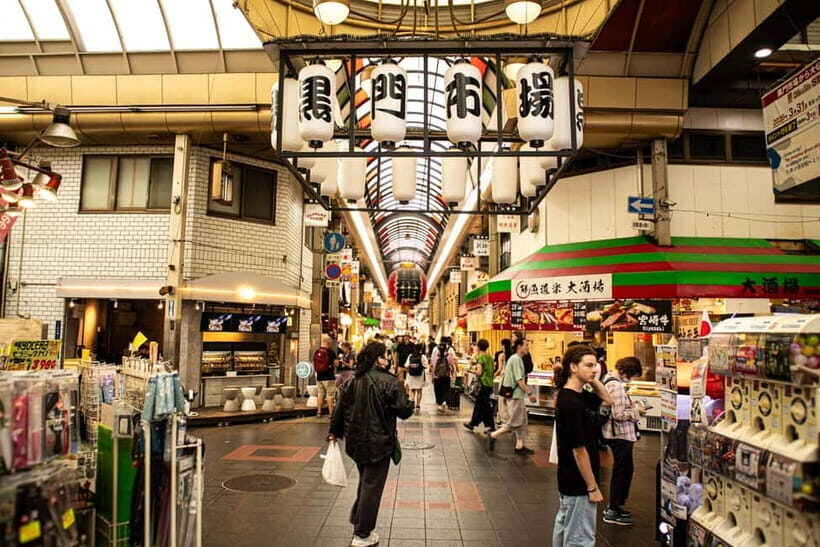
Kuromon Market (Kuromon Ichiba) is the kind of place where you quickly understand why Osaka has a reputation for food. It’s compact, busy, and built for browsing and nibbling. Even if you’ve eaten your way through other Japanese markets, Kuromon has a different feel: more immediate street-level snack energy, and a stronger sense that everyday locals truly shop here.
The big value of doing it with a guide is not just convenience. You’ll get help turning what looks similar at first glance into clear choices. A local can point you toward the right counters, explain what you’re tasting, and share how people in Osaka typically treat the market: quick stops, smart picks, and plenty of confidence.
You also get the benefit of doing this early in your Osaka trip (if your schedule allows). After Kuromon, you’ll have a mental map for the rest of the city’s food scene: what “normal” portions look like, what flavors Osaka leans toward, and how markets fit into daily life.
You can also read our reviews of more food & drink experiences in Osaka

What You’ll Taste in 2 Hours (and why the order matters)
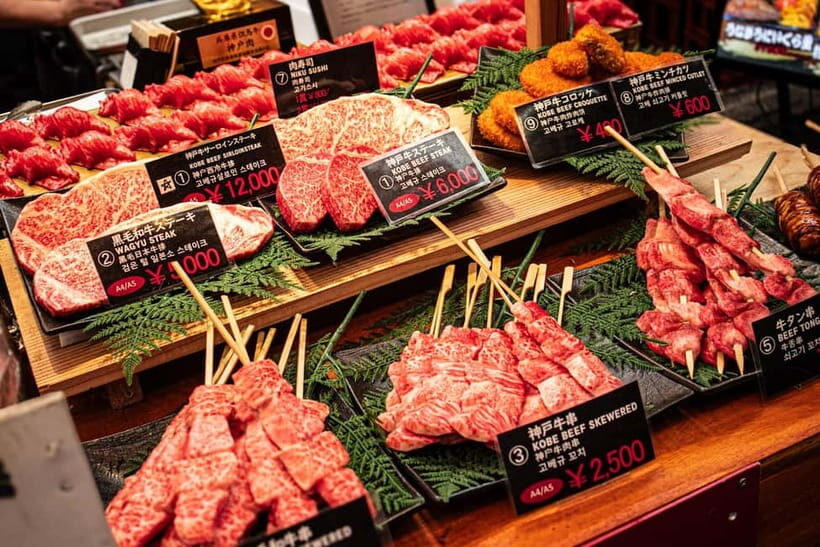
This is a short tour by design. For $51 per person, you’re paying for a tight walking route plus a handful of guided samples (typically 4–5). The goal is simple: leave full and informed without trying to solve Osaka street food all by yourself.
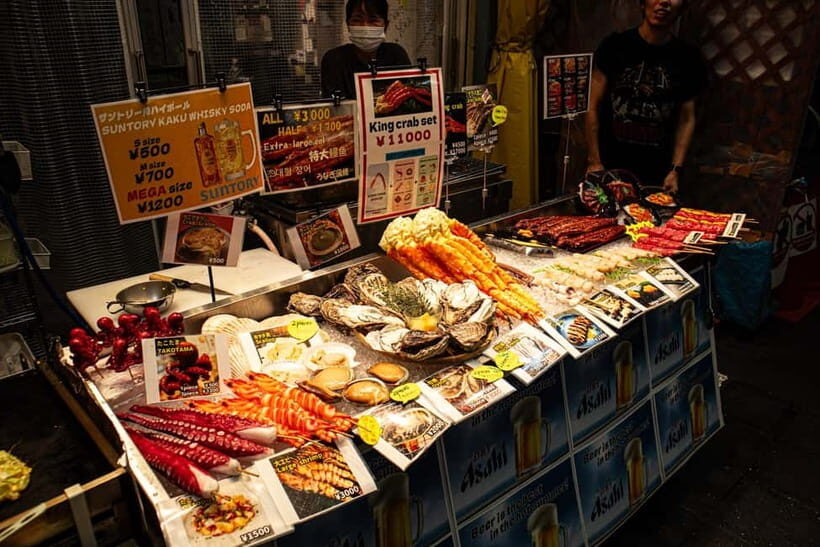
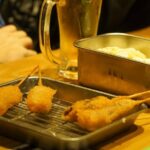
The tour includes tastings of classic Osaka street-food items such as:
- grilled scallops
- yakitori skewers
- takoyaki
Those three alone tell you a lot about Osaka’s flavor personality. Grilled scallops bring a clean, savory ocean note. Yakitori introduces smoky, salty-sweet comfort. Takoyaki gives you that signature bite-sized texture and the fun of eating it hot on the move.
What makes the pacing work is that you’re guided through variety rather than repeating one thing all afternoon. A good guide also helps you avoid common ordering mistakes for first-timers, like buying something that’s fine but not the best intro to the market, or ordering in a way that slows you down.
Your guide will also explain culinary culture and the history of local markets in an approachable way. That context matters because it turns random snacks into a story you can remember later. Instead of just tasting, you learn what the market represents and how Osaka views food as part of everyday identity.
Small-Group Comfort: how up to 10 people improves your tour
A max group size of 10 sounds like a small detail, but it changes how the tour feels. You’re not getting swept along by the clock. You can ask questions, switch your snack priorities if you’re not feeling one item, and keep the pace comfortable.
That flexibility showed up in guide performance from past participants who praised Yuna for local knowledge and for adjusting based on individual likes and dislikes. Another standout was Goku, who was described as bringing lots of recommendations and strong rapport with the group. Even if you don’t know any Japanese, this matters, because the guide isn’t just translating words. They’re translating the marketplace.
In practice, the small-group setup also helps with the alley and side-street portion. Hozenji Yokocho and the surrounding areas can be narrow and popular, and moving as a group of 10 (instead of 20+) means you’re less likely to feel squeezed.
Entering Sennichimae Doguyasuji Shotengai for kitchenware shopping
After the market food part, you’ll shift gears into Sennichimae Doguyasuji Shotengai. This area is known for traditional kitchenware shops, and that’s a smart pairing after you’ve eaten. Your brain has already been focused on food—now you get to see how Osaka supports the tools behind it.
What I like about this stop is that it’s not shopping for shopping’s sake. It gives you a tangible connection between what you’re tasting and what professional kitchens and serious home cooks care about. If you’ve ever wondered why certain Japanese knives, ladles, or small cooking tools feel like they matter, this is the sort of place where you can start asking those questions.
This is also where your guide’s insider knowledge helps. In past tours, guides were praised for knowing traders personally, and that kind of local relationship can mean you spend less time confused and more time looking at items that are genuinely useful as souvenirs.
Bring your camera, and keep cash handy. Even when shops accept card, smaller counters and street-level vendors often expect cash. The tour includes food samples, but it does not include additional snacks or drinks, so you’ll want some flexibility.
Hozenji Yokocho: the alley stop that adds Osaka atmosphere
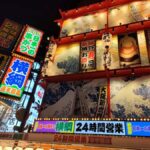
Then you walk to Hozenji Yokocho, a traditional alley area that shifts the mood from market noise to old-school city charm. This stop is valuable for two reasons.
First, it breaks the “only food, only market” pattern. Street food tours can start to feel like you’re just collecting bites. Hozenji Yokocho slows things down a bit so you can enjoy the setting and let the tour become more of a memory than a checklist.
Second, it’s a chance to see another side of Osaka’s street culture. Markets are one lens; alleyways are another. Even if you don’t buy anything here, you’ll understand more about how neighborhoods are built for everyday walking, eating, and lingering.
If you’re photographing, watch where you step. Narrow alleys look great on camera, but they also mean tight foot traffic. Comfortable shoes matter more than you think.
A few more Osaka tours and experiences worth a look

Guide matters: what experienced locals add beyond the food
A street food tour can be good even with a basic guide. This one stands out because the guide is positioned as a cultural interpreter, not just a snack coordinator. You get guidance on food culture, etiquette, and how markets work socially—not only what to eat.
The guide languages include English and may also be available in French, Spanish, Russian, or Japanese depending on request. That helps if you’re traveling with different language needs or if you want to ask follow-up questions in a language you’re comfortable with.
Past participants specifically praised the interpersonal side. People mentioned getting along well with the guide and feeling like the experience went beyond a scripted loop. That’s a real advantage in Osaka, where food culture is social. If you feel comfortable, you’ll ask better questions, taste more thoughtfully, and enjoy the walk more.
One more practical point: because your guide knows traders, you’re more likely to hit the right spots without second-guessing yourself. You spend less time wondering whether you chose the best stall and more time actually enjoying what’s in front of you.
Price and Logistics: is $51 good value for this 2-hour route?
Let’s talk value the straightforward way. The tour costs $51 per person and runs for 2 hours. The fee covers:
- a professional Japanese guide
- a Kuromon Market visit
- stops at Sennichimae Doguyasuji Shotengai and Hozenji Yokocho
- learnings about food culture and market history
- 4–5 local dish samples (included)
- small-group format (max 10)
What’s not included is extra food and drinks, plus transportation to and from the meeting point. That means your real out-of-pocket might be a bit higher if you snack between samples or want drinks along the way.
But here’s why it still often feels worth it. If you try to do Kuromon food on your own, you can spend money fast on random selections—especially when you’re unsure what to order. Paying for included samples reduces decision fatigue, and it ensures you taste a range of Osaka staples rather than just whatever looks closest.
Also, this tour is built for efficiency. Two hours is enough time to feel full and learn a lot, without turning your day into an exhausting food marathon. For many visitors, that’s the sweet spot.
Logistics-wise, there are two possible meeting points, and the same two options for drop-off:
- ピカソ日本一ビル
- a Sumitomo Mitsui Banking Corporation ATM
Because the exact starting spot can vary by option, you’ll want to confirm your specific pickup location before you show up. Plan to arrive a few minutes early so you’re not rushing while looking for the right meeting point.
What to bring so you enjoy every stop
You don’t need much, but you do need the right stuff for a market-and-alley walking route:
- Comfortable shoes (expect standing and walking on uneven surfaces)
- Cash (for souvenirs and any extra snacks/drinks)
- Camera (Hozenji Yokocho and market scenes photograph well)
If you’re sensitive to food choices, note the dietary request policy: dietary requests can be accommodated. Food allergies are a different category, and the tour is not suitable for that. If you fall into that group, it’s smarter to look for a different kind of tour or a specialized option.
Who should book this Kuromon street food tour?
This tour fits you best if you want:
- an easy first hit of Osaka food culture
- included tastings that cover multiple classic dishes
- a route that balances market energy with traditional alley atmosphere
- a guide who can answer questions and adjust when your preferences shift
- a small group experience that doesn’t feel like a factory line
It’s especially appealing if you like the idea of pairing food with context. You’ll come away with a better sense of how Osaka’s markets work and how food connects to daily life.
It’s less ideal if you have food allergies, or if you only want a self-paced wandering experience with zero guidance. This is a guided tour, and the route is part of the value.
Should you book it? My take
If you’re short on time but want a meaningful Osaka food experience, I think this is a strong booking. For $51, you’re getting more than bites: you’re getting a local-run tour structure, multiple tastings like yakitori and takoyaki, and two extra stops that give the city texture beyond the market.
Where I’d pause is if your food needs are allergy-based. Dietary requests are mentioned, but allergies aren’t covered by suitability. Also, if you hate walking in crowds, the market portion may feel less relaxing, even with the small group size.
If you’re generally flexible, come hungry, wear good shoes, and keep a bit of cash aside for extras. You’ll leave with full stomach energy and a clearer picture of Osaka food culture.
FAQ
How long is the Osaka Kuromon Market street food tour?
The tour lasts 2 hours.
How many food samples are included?
You’ll have 4–5 curated samples of local dishes included in the experience.
What areas will the tour cover besides Kuromon Market?
In addition to Kuromon Market, the tour includes stops at Sennichimae Doguyasuji Shotengai and Hozenji Yokocho.
What language is the tour guide?
The tour guide speaks English. Other languages may be available on request, including French, Spanish, Russian, and Japanese.
Is transportation included in the price?
No. Transportation to and from the meeting point is not included.
Can you accommodate dietary requests?
Yes, dietary requests can be accommodated.
Is the tour suitable for people with food allergies?
No. The tour is not suitable for people with food allergies.